
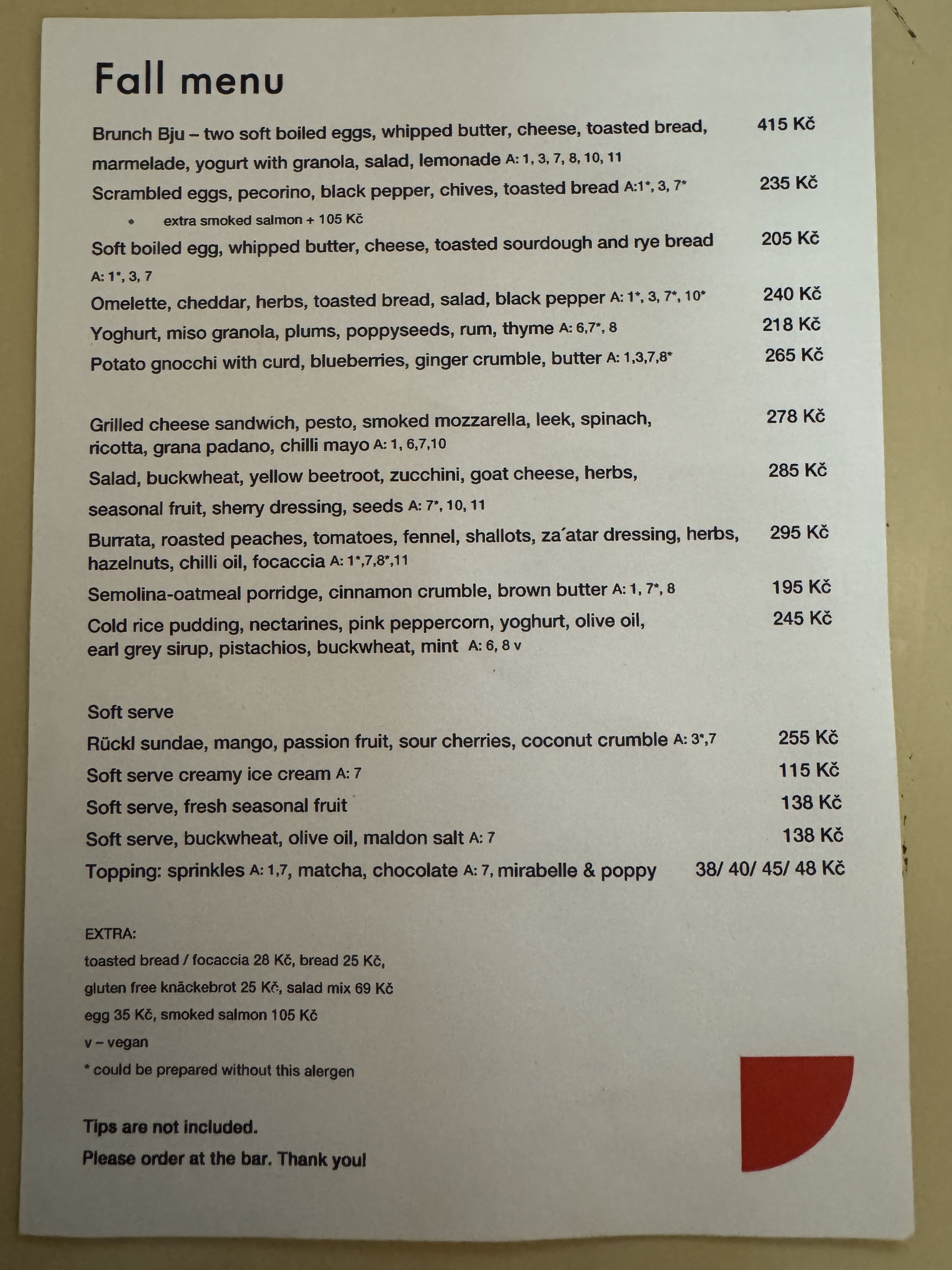
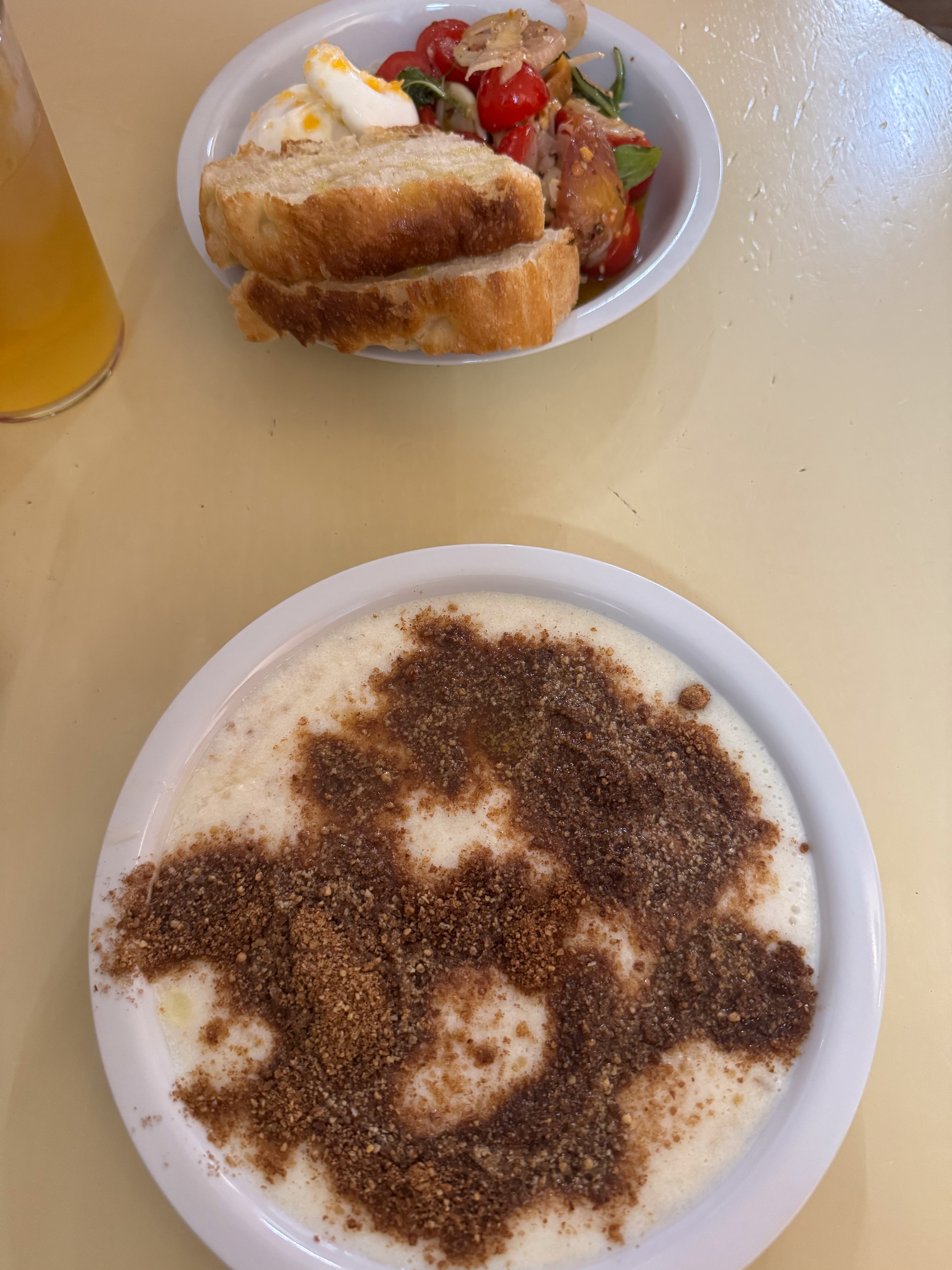
We were back in Prague today, faced with another cracking day of blue skies. With both of us still recovering from colds and a long day yesterday, we had a bit of a slow start. We had breakfast at the local cafe which has a quite innovative menu (below), but to day I stuck with the porridge.
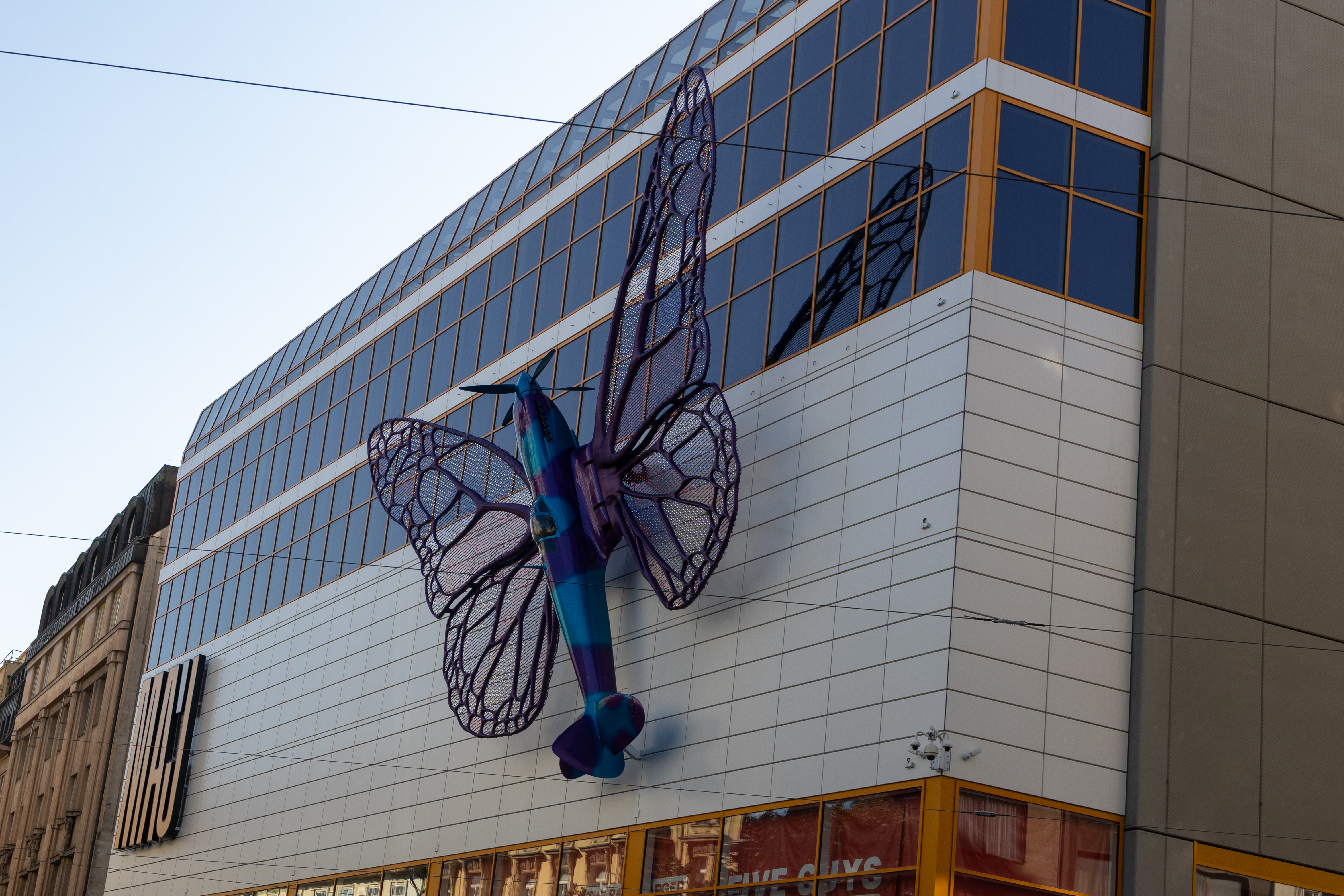
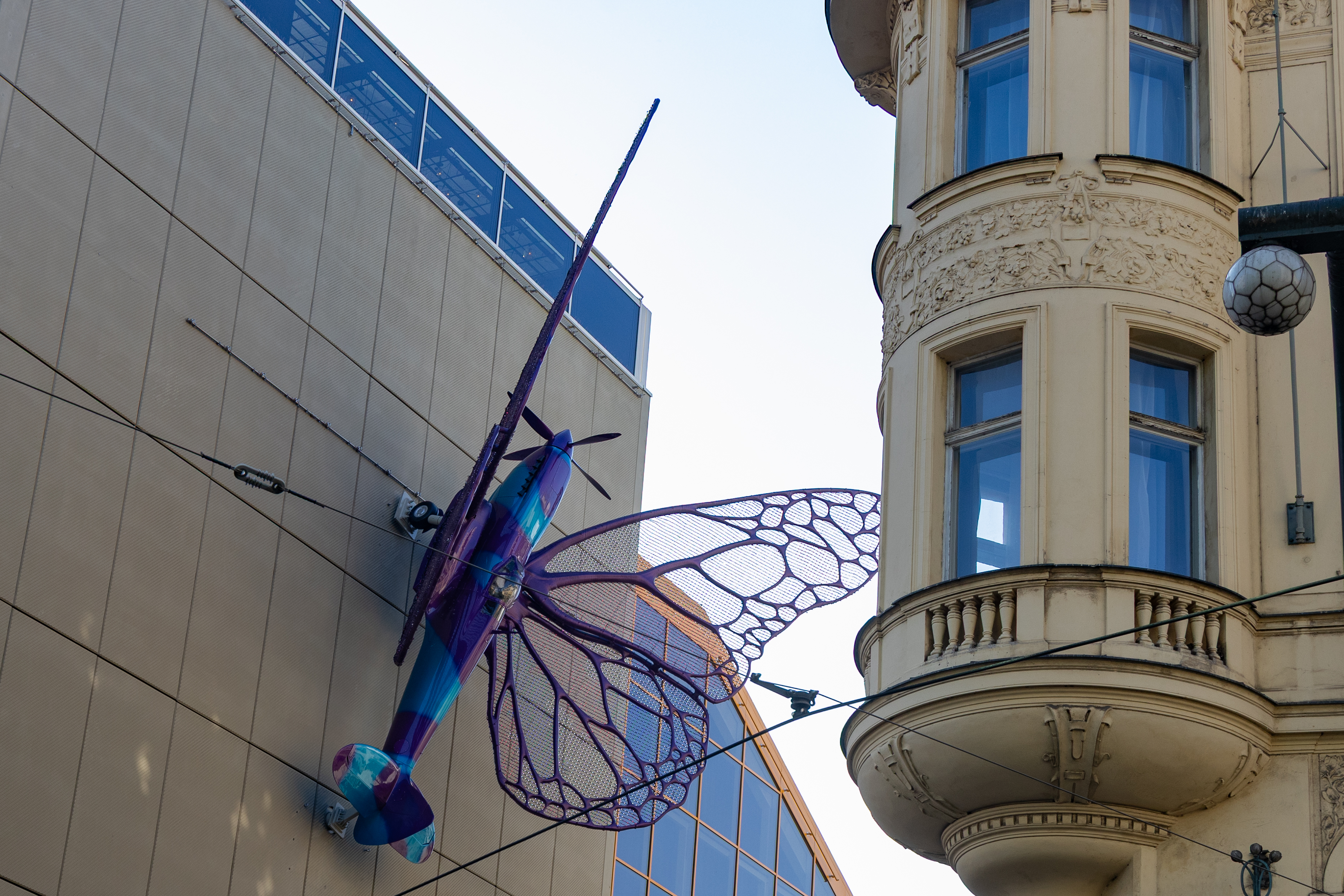
After breakfast, our plan was to pick up the last few things that we wanted to see in Prague, so we set off on foot… a decision that may prove foolhardy later in the day. Of particular note on this mornings was walk were Cerny’s ‘Mariposa Spitfire’ sculptures. They are two giant butterflies with bodies made from the Second World War spitfire planes that were flown by Czech pilots for the British Airforce.
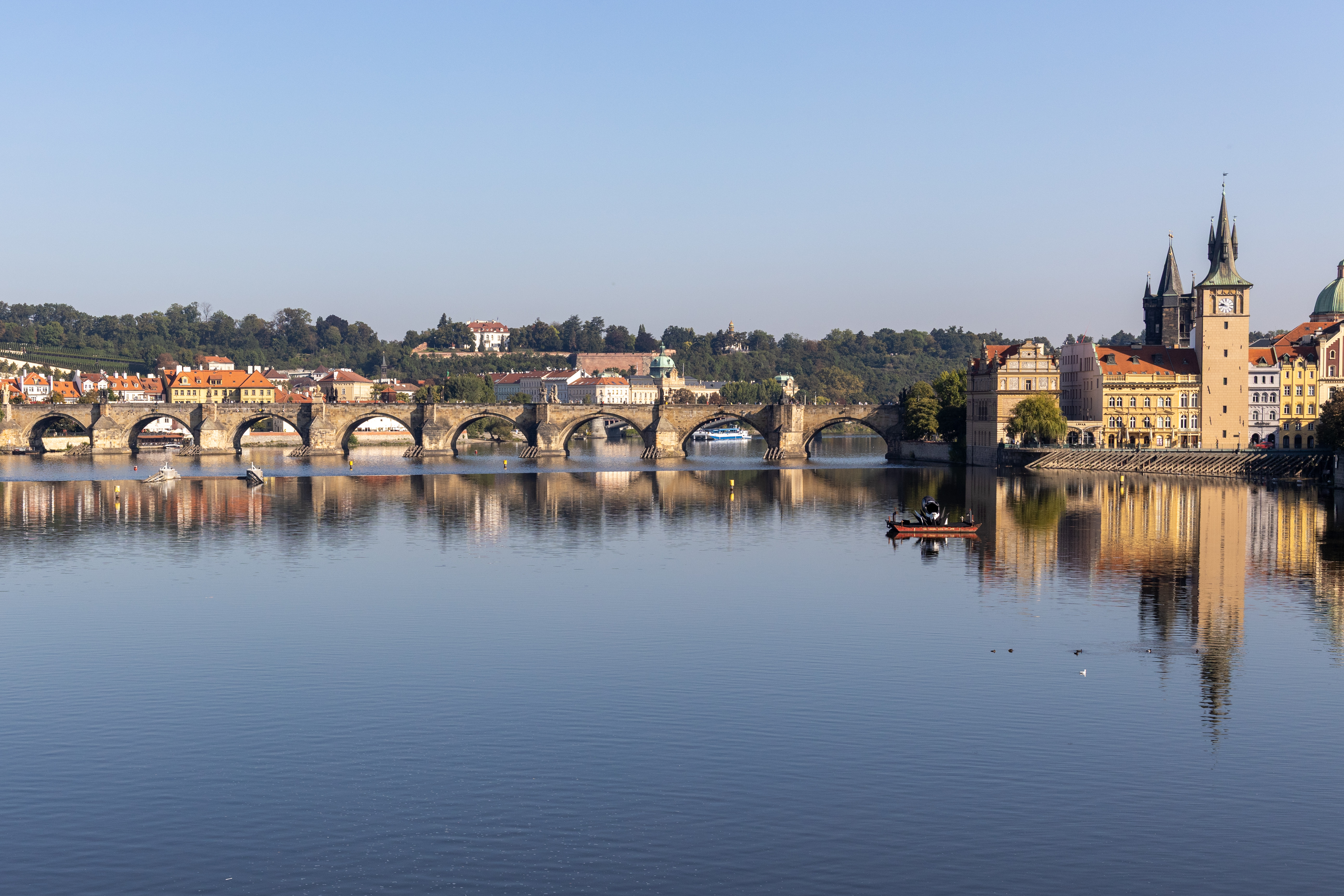
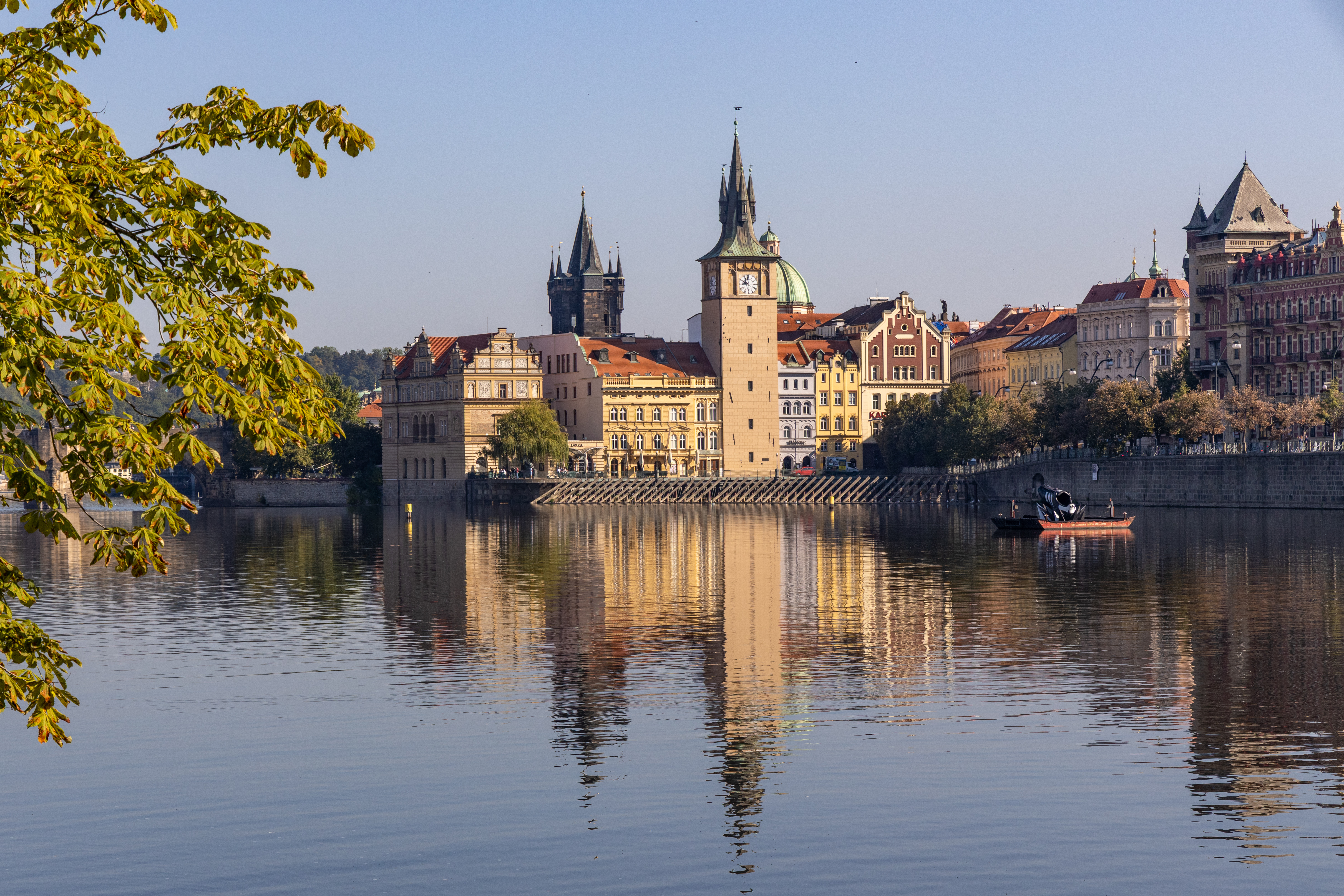
We crossed the river, pausing to take some photos in the calm morning along the river. Prague is typically a later rising town, so the photos are less impacted by people. I was particularly happy with these two snaps.
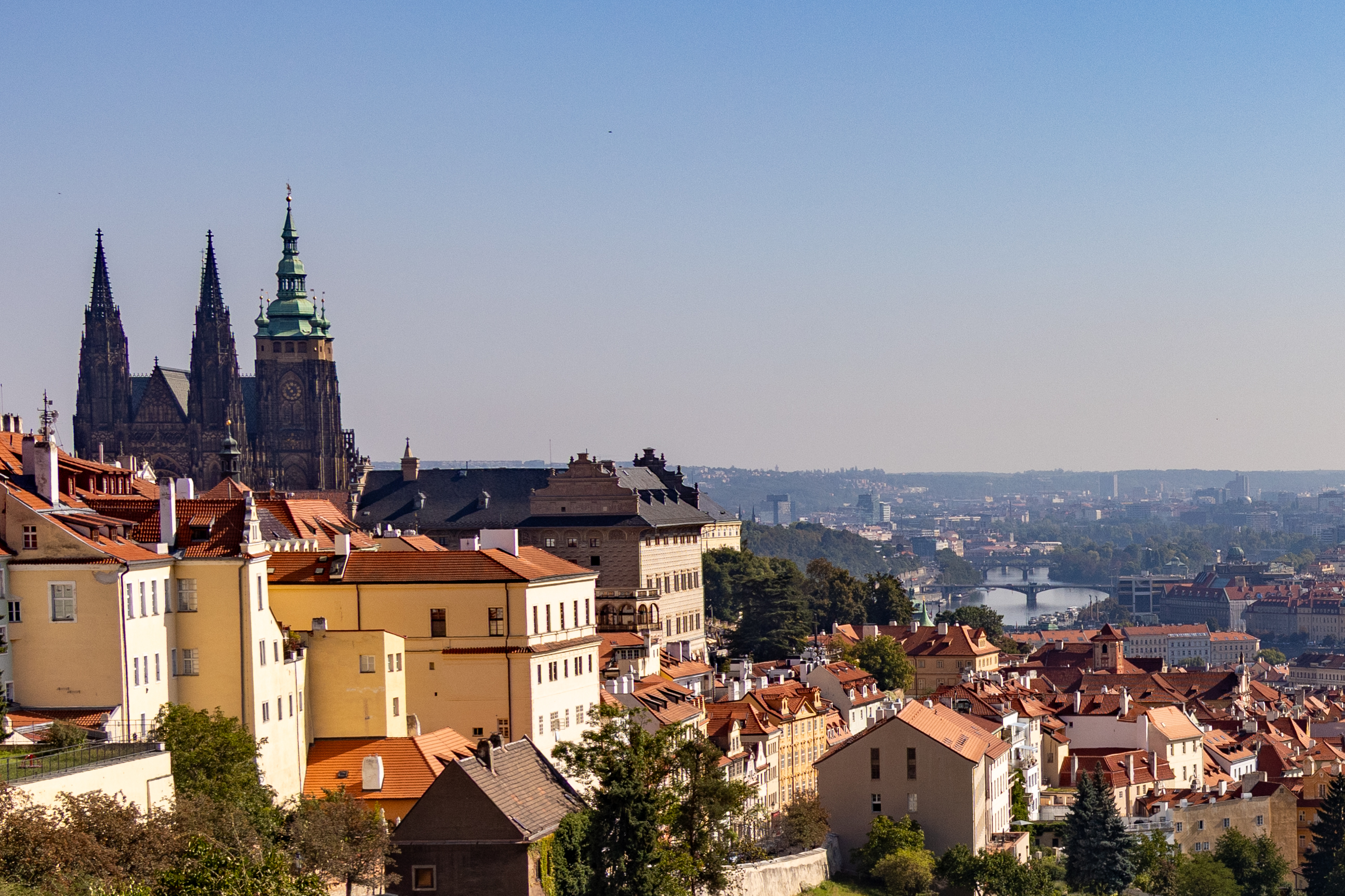
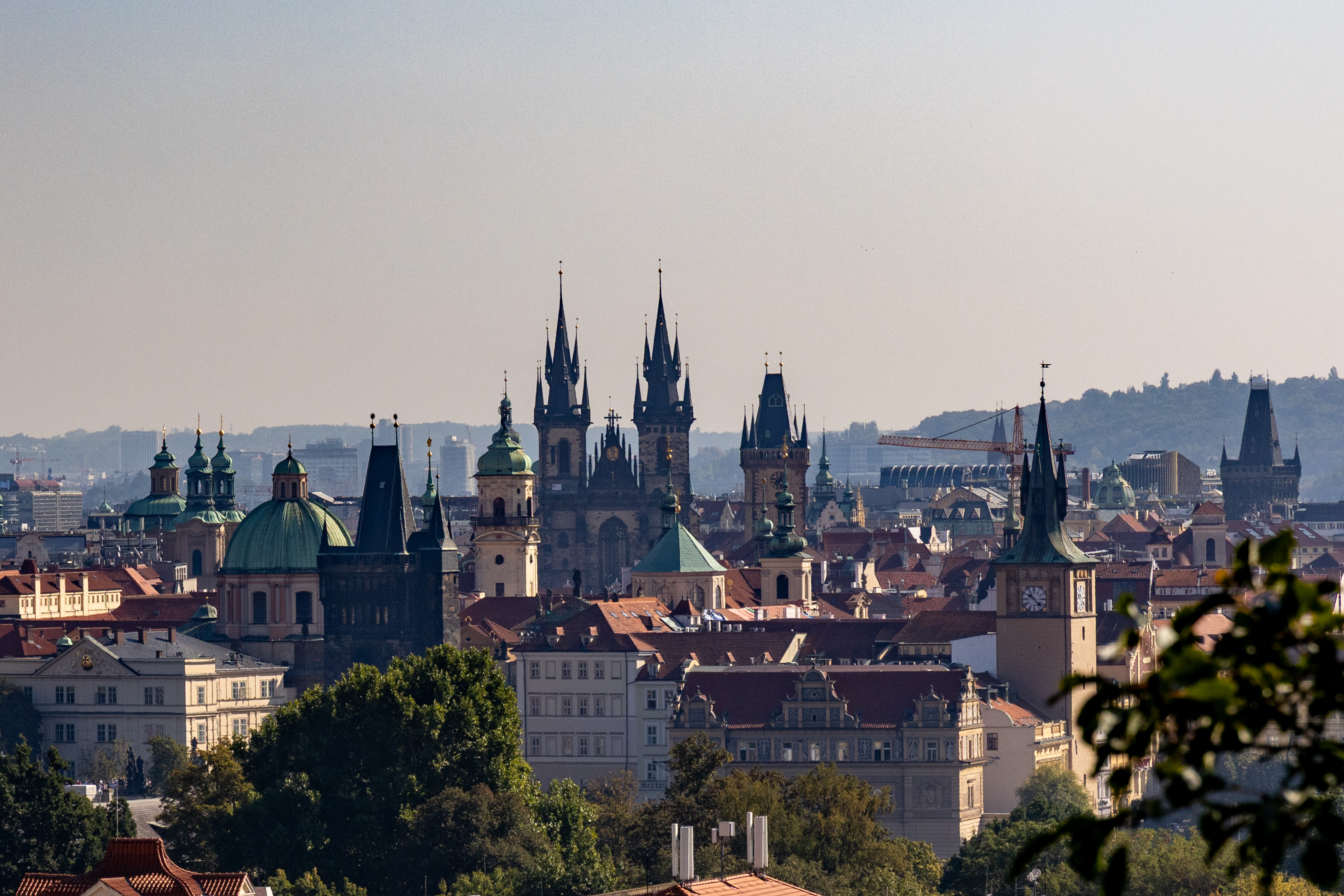
We finished our river crossing at a monument remembering the communist era, before making the aforementioned foolhardy decision to walk up the the Strahov Monastery that houses one of the oldest libraries in Central Europe. The walk is not that easy for ageing tourists, but probably quite acceptable for the younger folks. There are some great views of Prague landmarks like the Old Town Square and St Vitus Cathedral on the way.
Strahov Monastery is an abbey founded in 1143 by Jindřich Zdík, Bishop John of Prague, and Vladislaus II, Duke of Bohemia. It has had a chequered history as it survived many wars and theological changes. The library was one constant, as it contains text dating back to the 860s. In the 1950s it was taken over by the communists as a memorial library and all the occupants sent away to hold civil occupations.
After the fall of the communist regime in 1989, the monastery was returned to the Order, which began to realize a costly reconstruction of the building. By 1994 the church had been restored, the Strahov picture gallery newly built, and the Strahov library renewed. Other architectural restorations were also carried out.
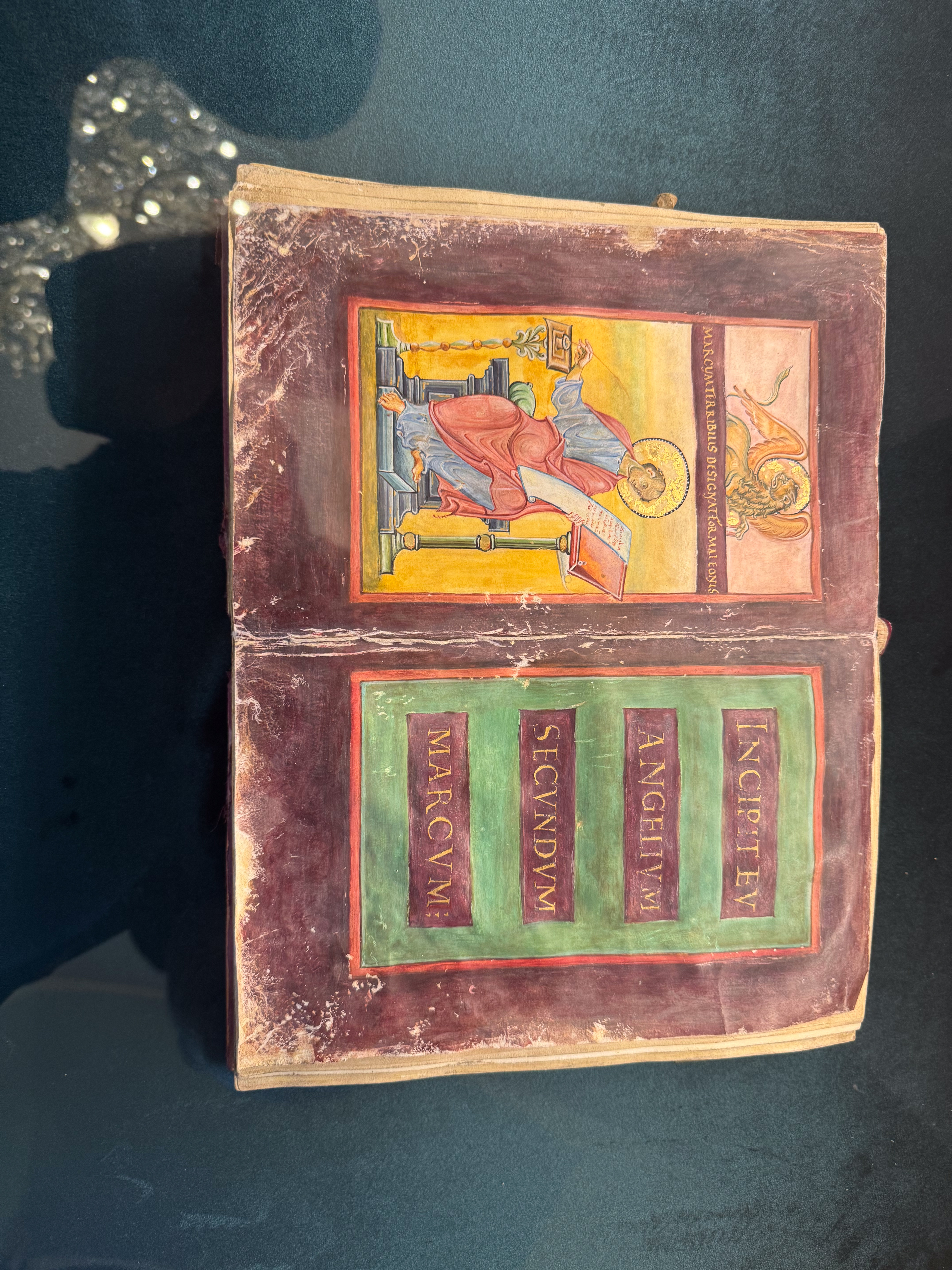
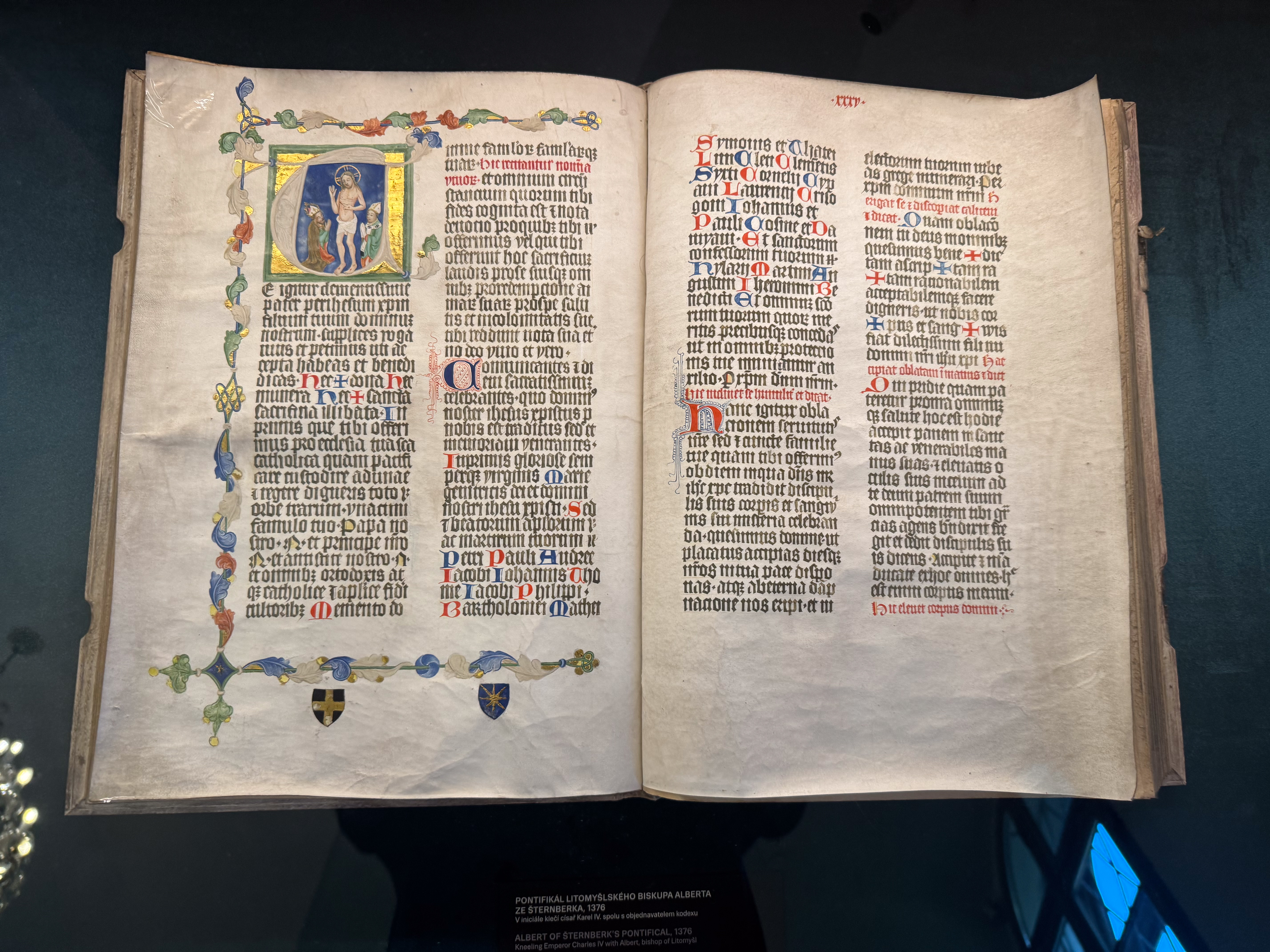
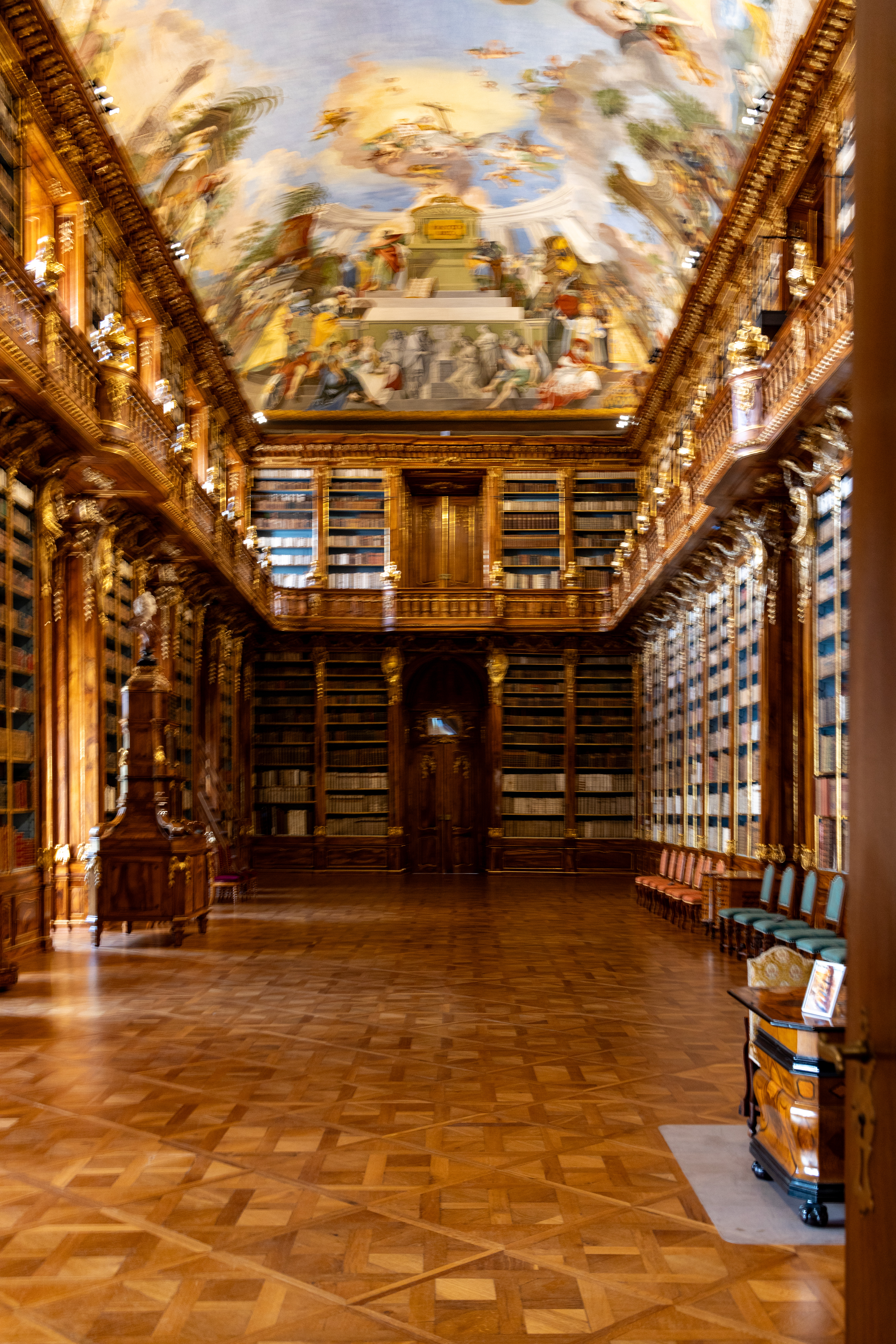
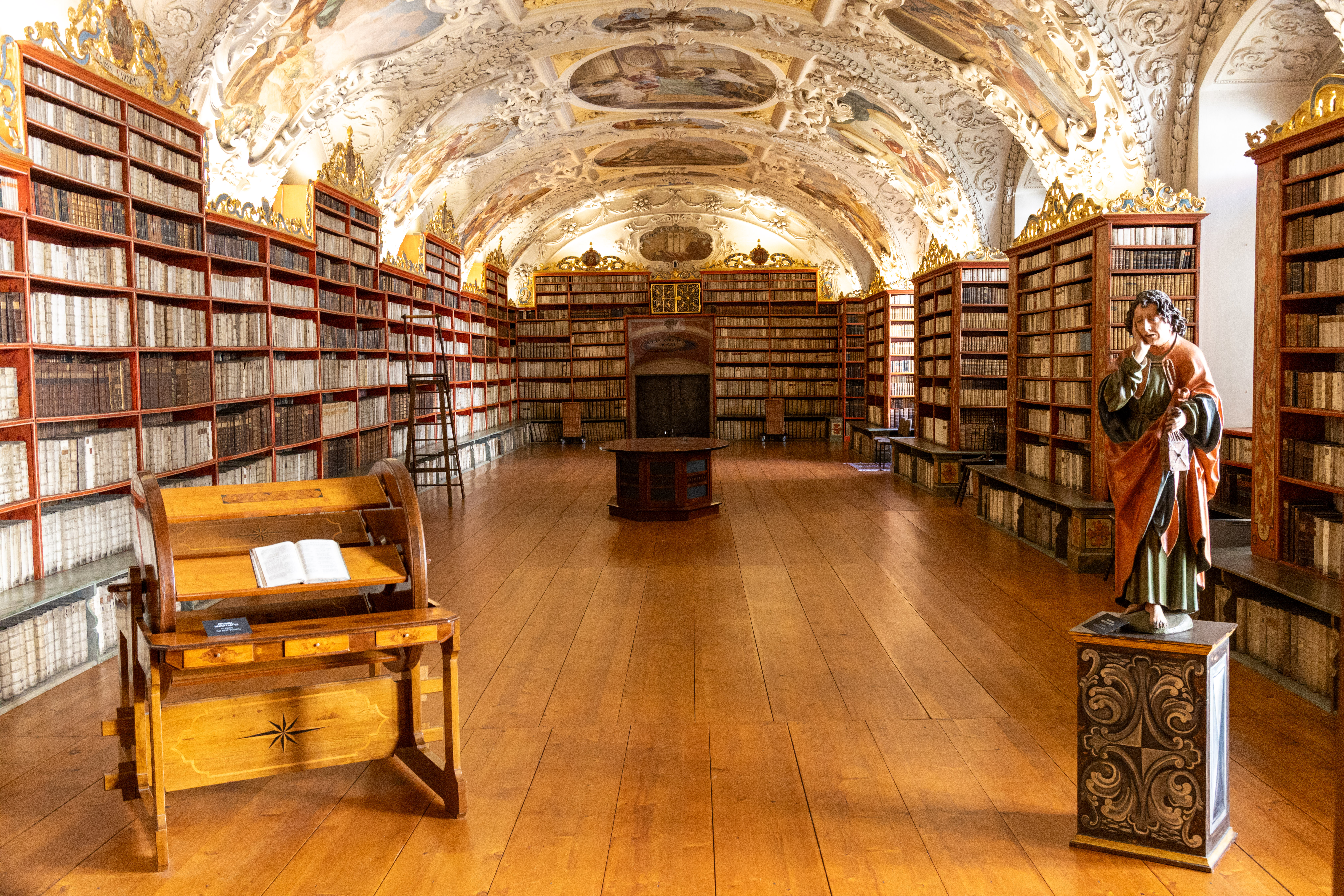
We raced back down the the hill to meet our friends for lunch at Cafe Louvre, another notable eating location, before visiting the ‘Story of Prague’ museum. I didn’t take pictures here, because it is a bunch of small room displays depicting the ancient history, the WW2 years and the revolutionary years in Prague. They use a phone app to tell the stories in an interactive way. We found that not all the QR codes or interactive features worked, but it was a fun way to learn about the history of the city.
For background, the military occupation of Czechoslovakia by Nazi Germany began with the German annexation of the Sudetenland in 1938, but eventually extended to all parts of Czechoslovakia. During the occupation, around 300,000 citizens were murdered, the majority of them Jews. Reprisal killings were especially harsh after the assassination of Reinhard Heydrich, including the infamous Lidice massacre and many were drafted for slave labour in Germany. The occupation ended with the surrender of Germany at the end of World War II.
Prague also has the dubious honour of being bombed by all three allied powers (Soviets, US and British). The bombing of Prague cost 1,200 lives and destroyed many historical sites and residential areas. It was largely ineffective at destroying the German munitions factories that were the intended targets.
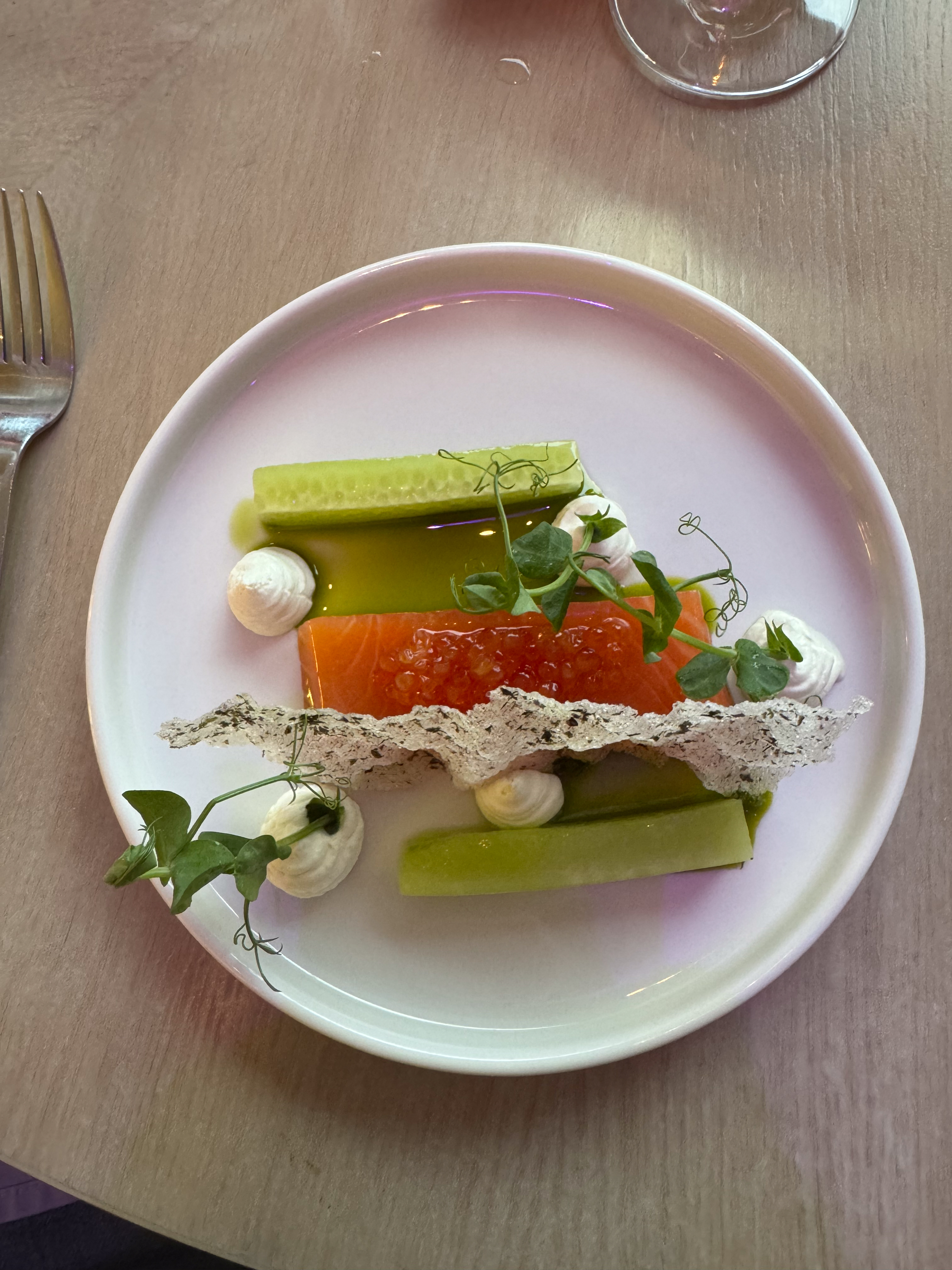
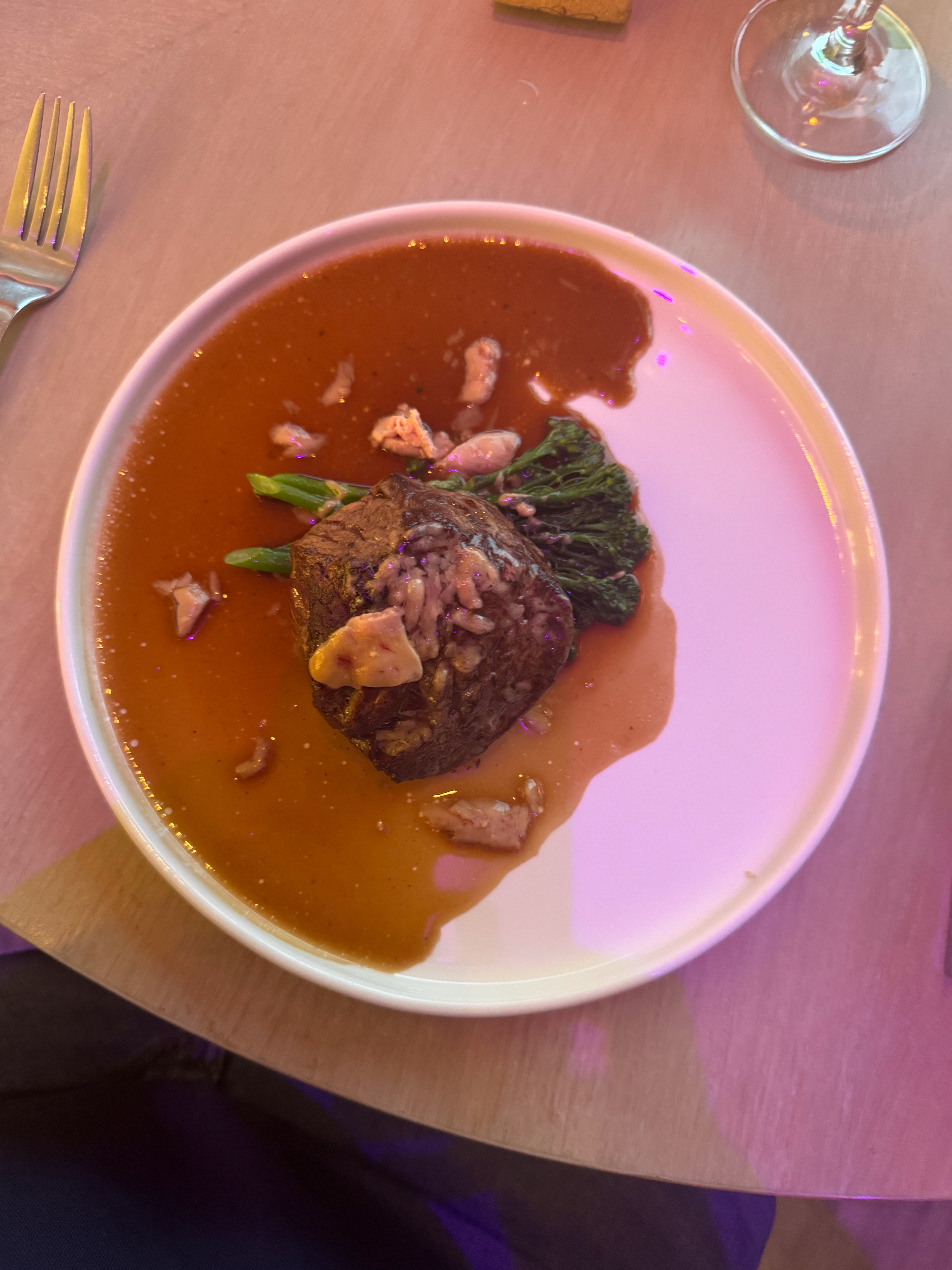
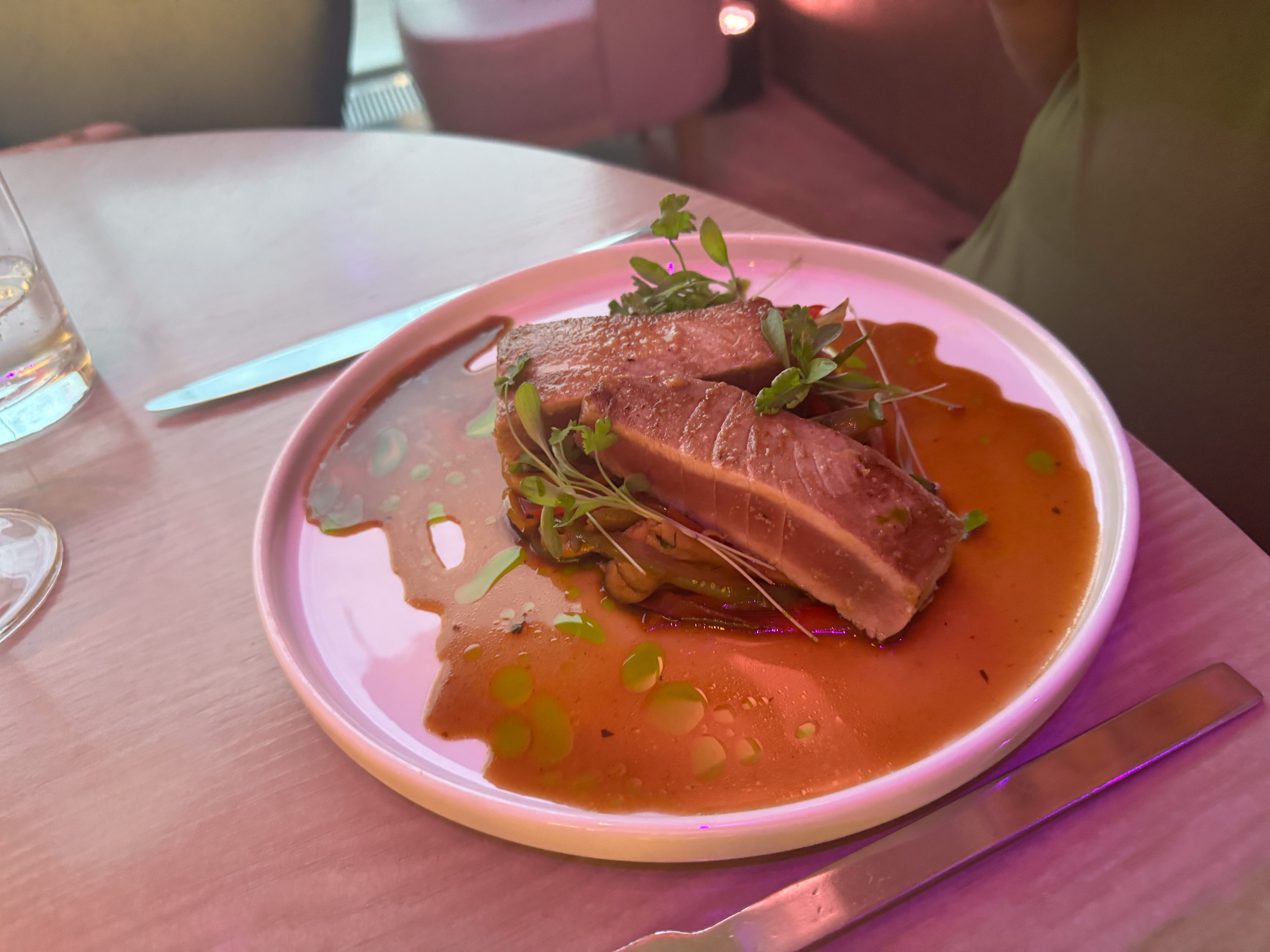
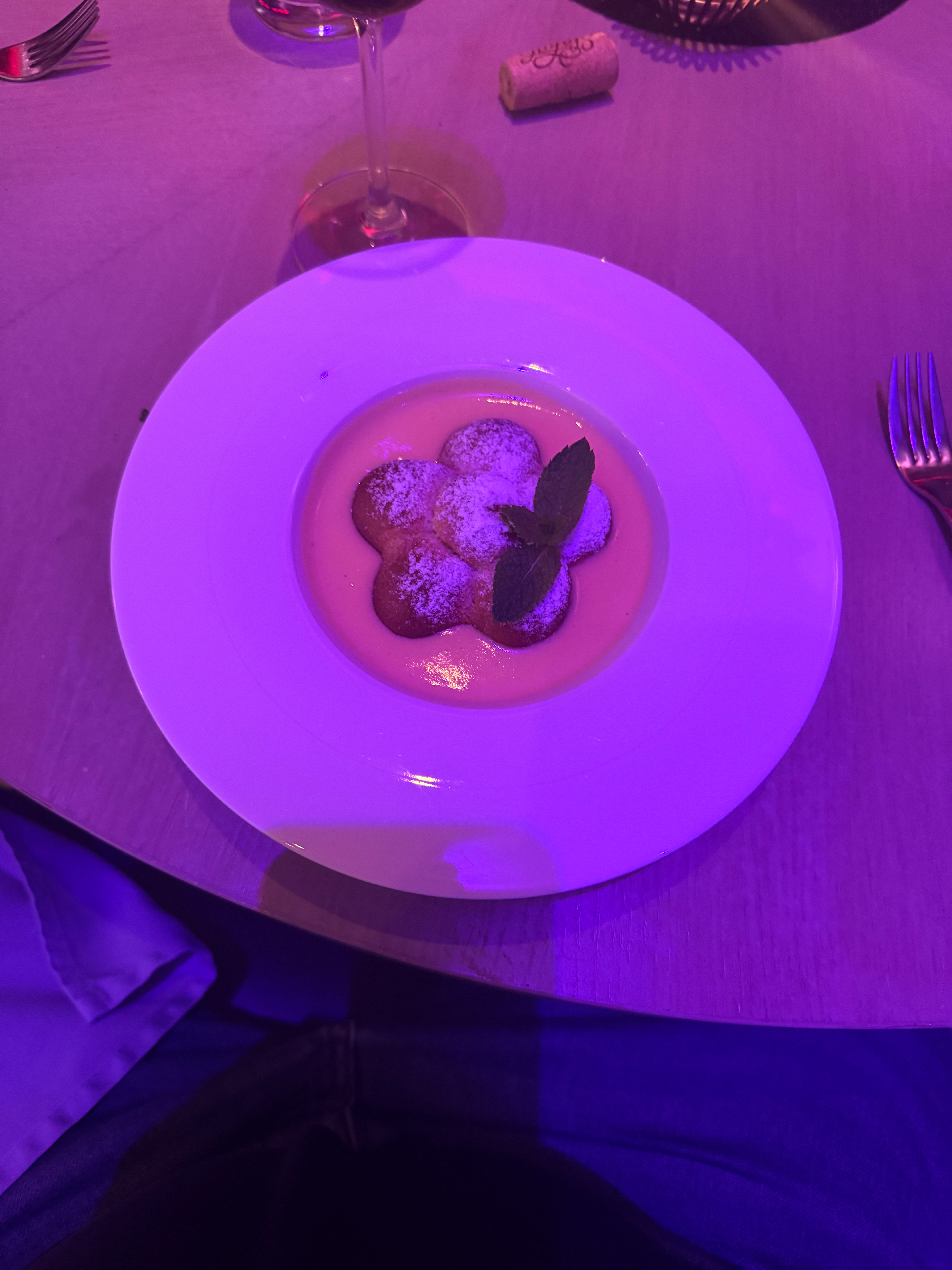
After the museum we headed back to the apartment to put up out tired feet and attend to domestic matters of state, like laundry. We had dinner a restaurant called Manes, which was probably our best meal of the holiday. With one full day left, I guess that is timely.
Until tomorrow

 Rob's "Beats Working" Blog