
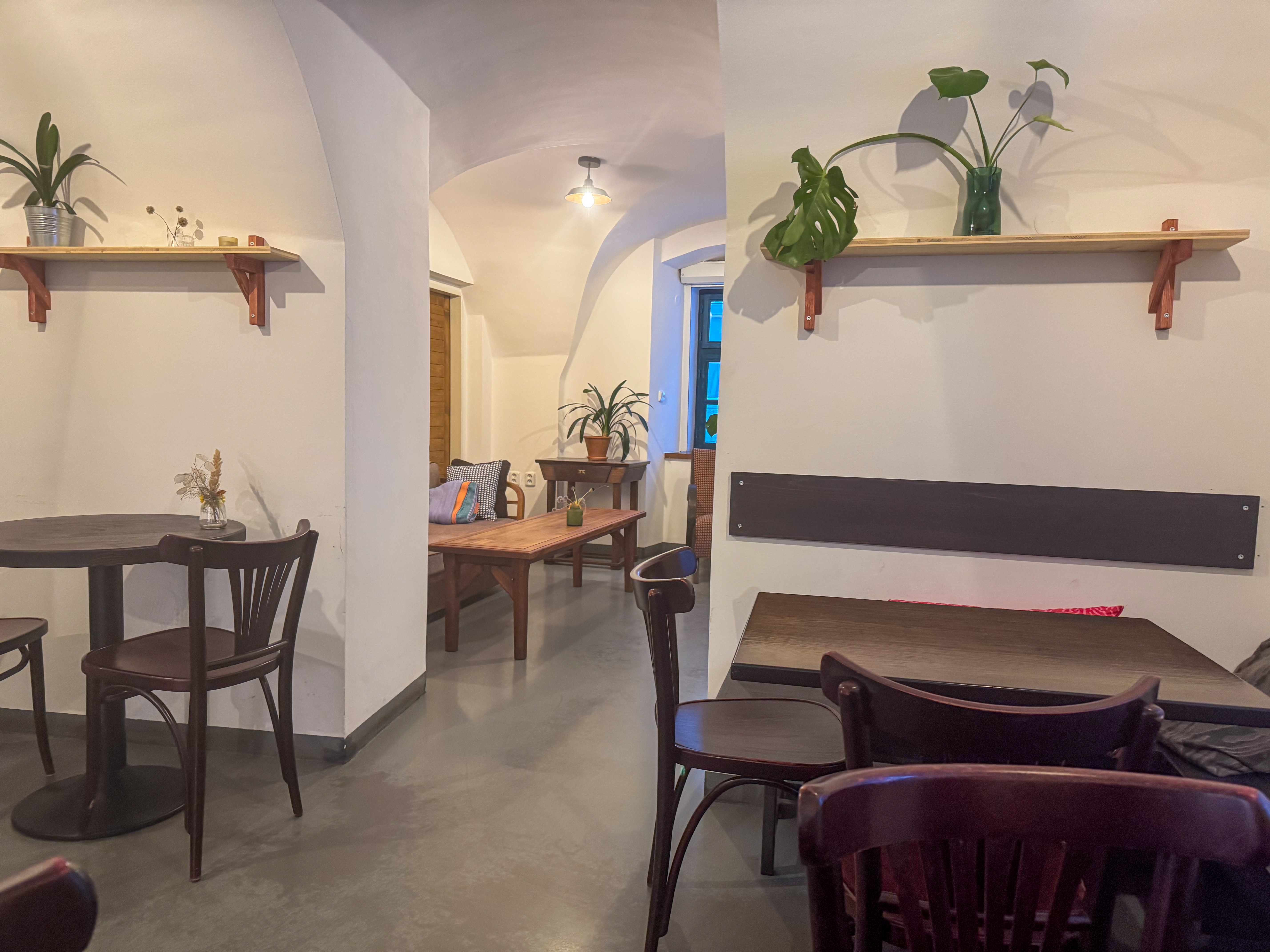
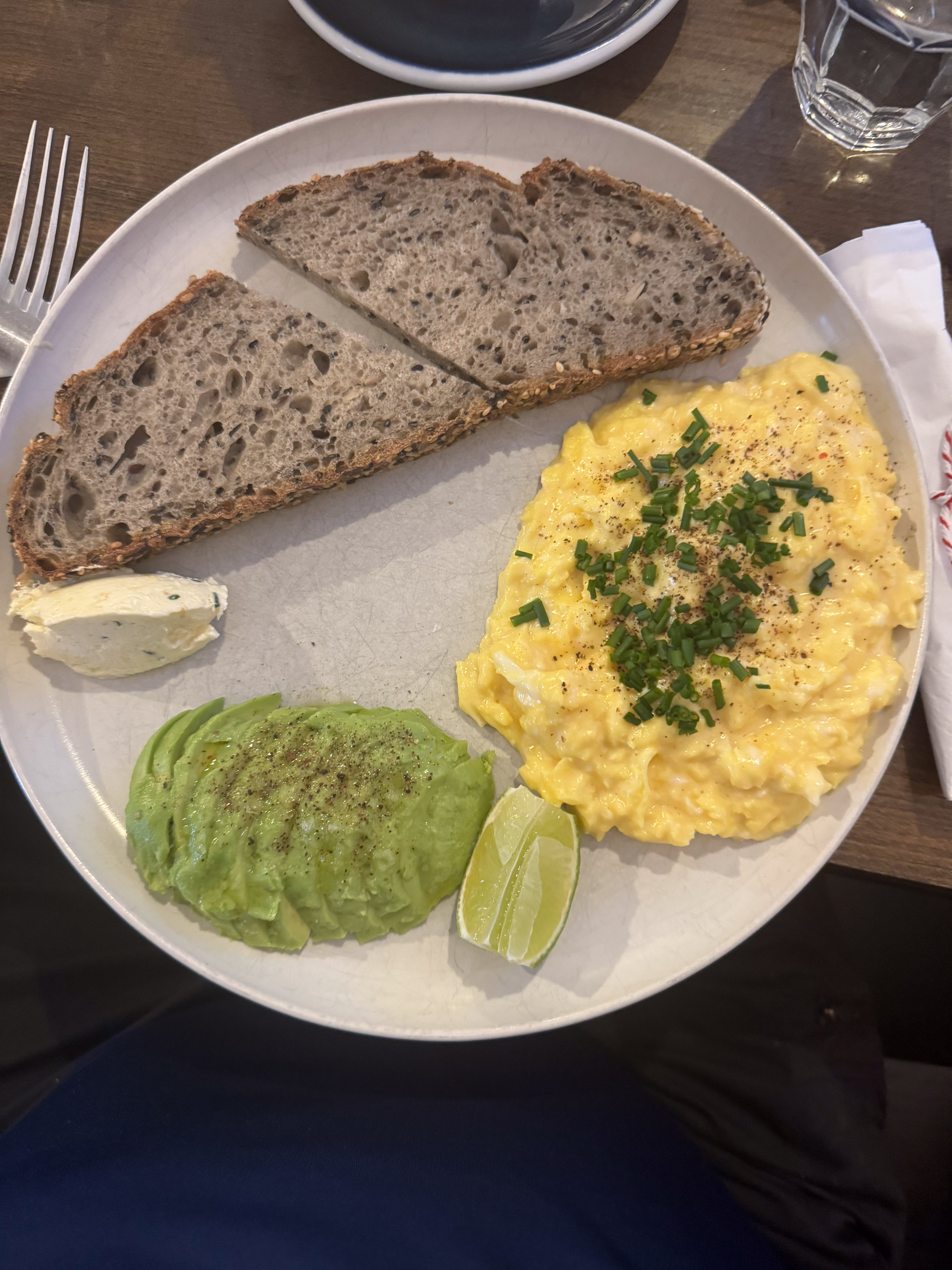
Another beautiful day here in Prague, cool with blue skies. Today we.d organised to meet our friends for breakfast at a different breakfast place, this time closer to the tram lines. We were heading to the Prague Castle district and given that it is all up hill the tram seemed like a good option. Once again this required another app on the phone to buy tickets. This app was not as intuitive as the Budapest one, but we could purchase 90 minute tickets for about $2 AUD. and double-checked they were all activated.
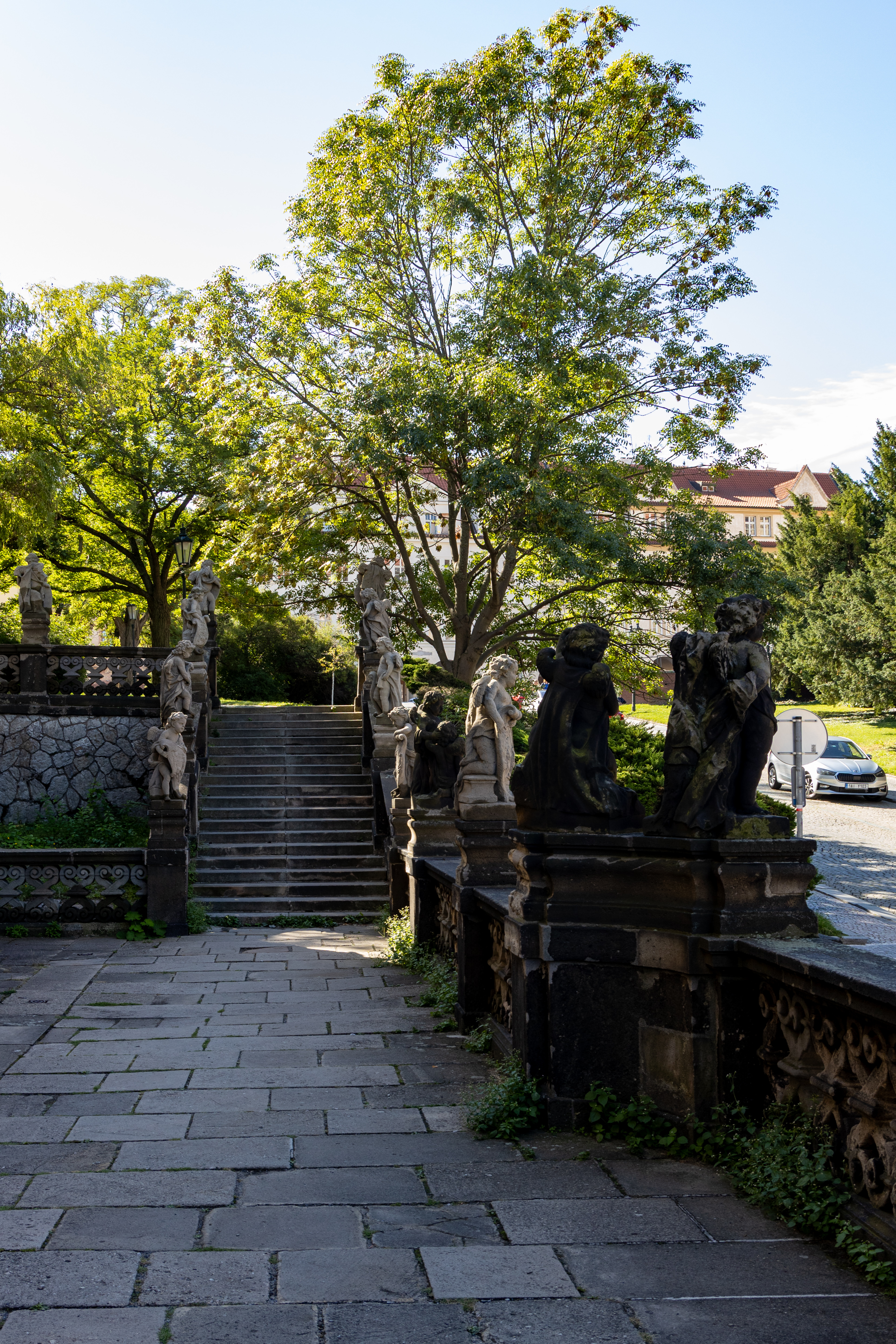
Prague Castle is a castle complex serving as the official residence and workplace of the president of the Czech Republic. Built in the 9th century, the castle has long served as the seat of power for kings of Bohemia, Holy Roman emperors, and presidents of Czechoslovakia. The Bohemian Crown Jewels are kept within a hidden room. From the tram stop we walked into the castle complex via some typical back streets filled with old houses and the odd church.
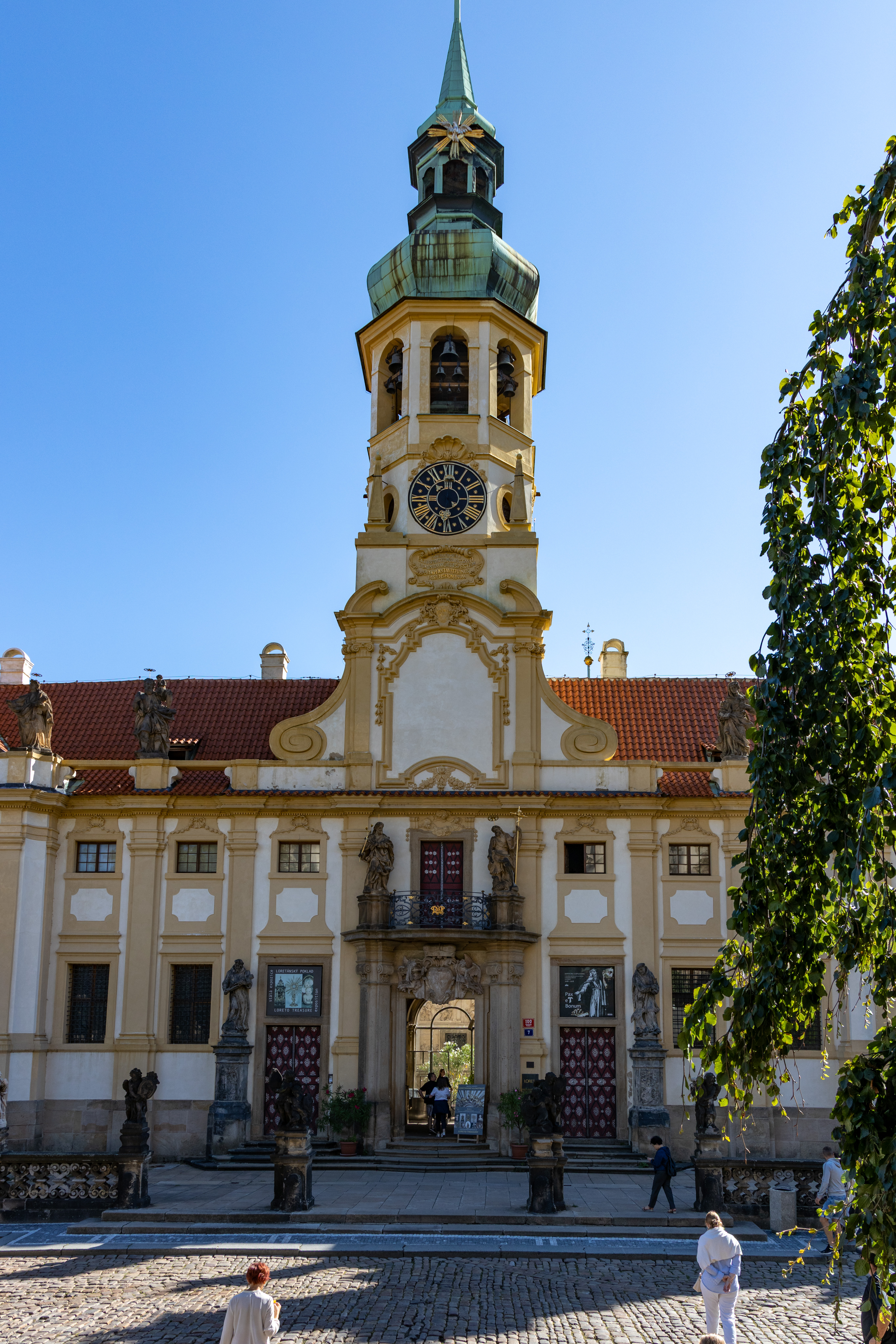
Once within the castle precinct you find yourself surrounded by some beautiful ornately detailed buildings. Many of the buildings are closed to the public as official functions are performed within. The EU or NATO flags usually indicate the serious ones.
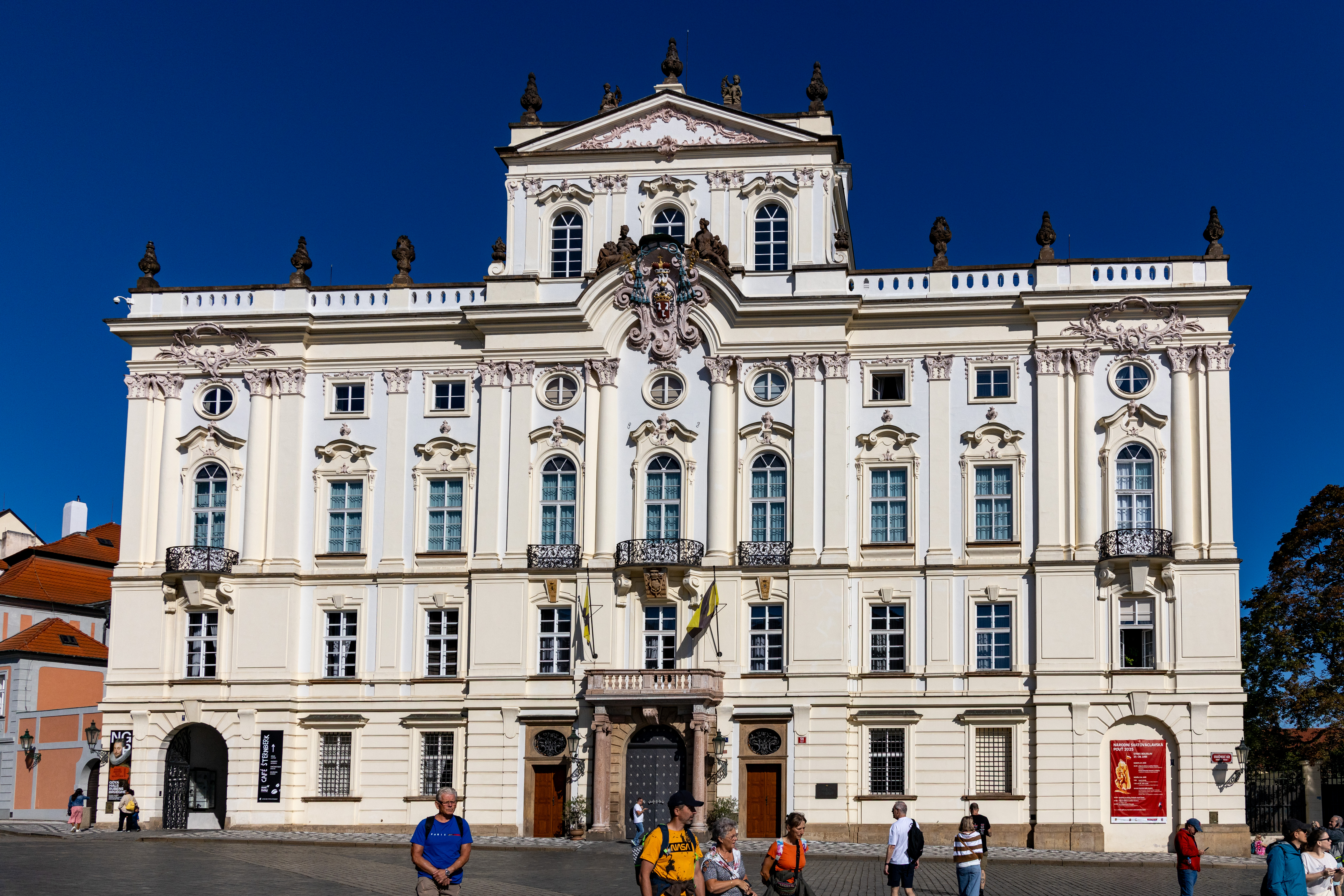
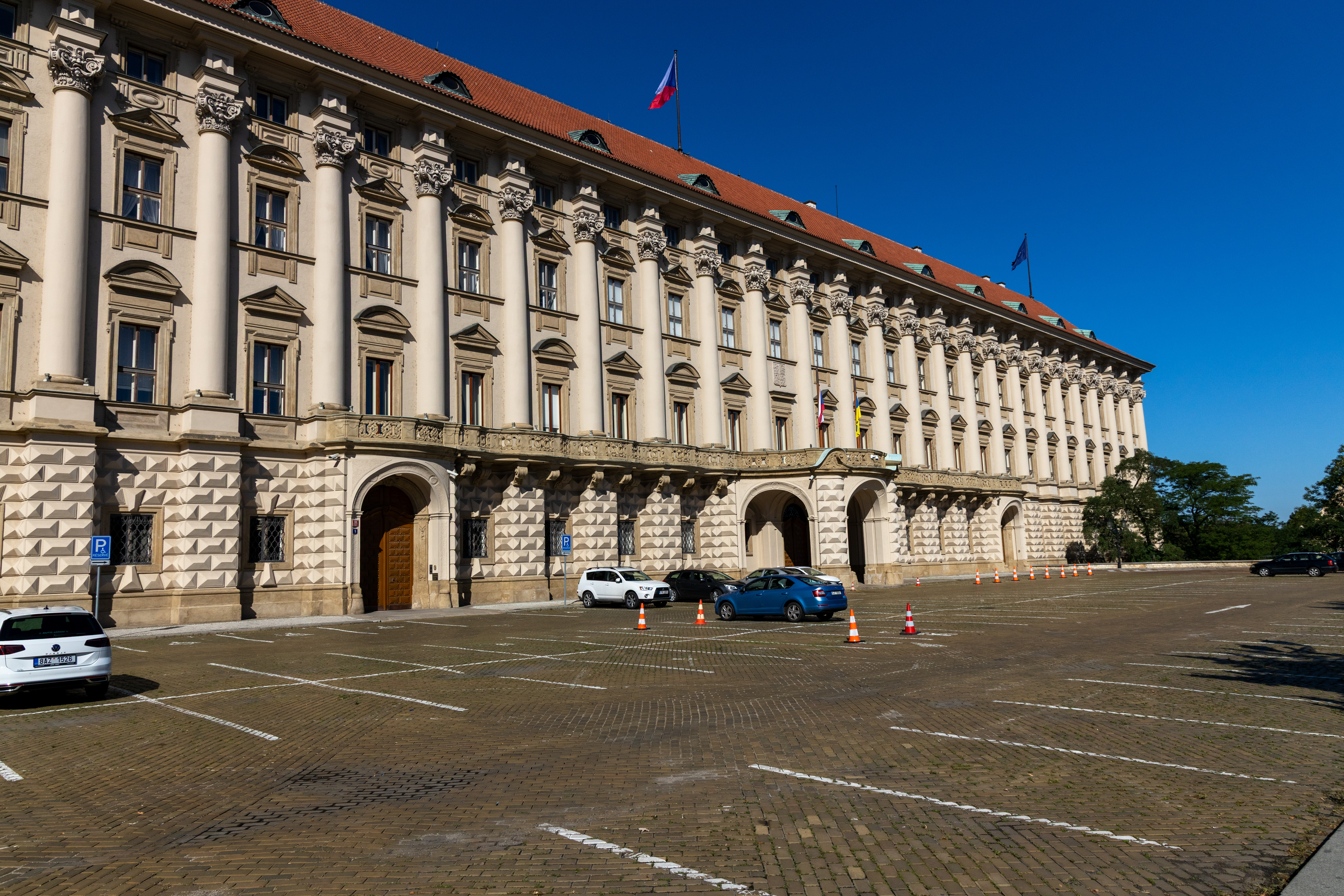
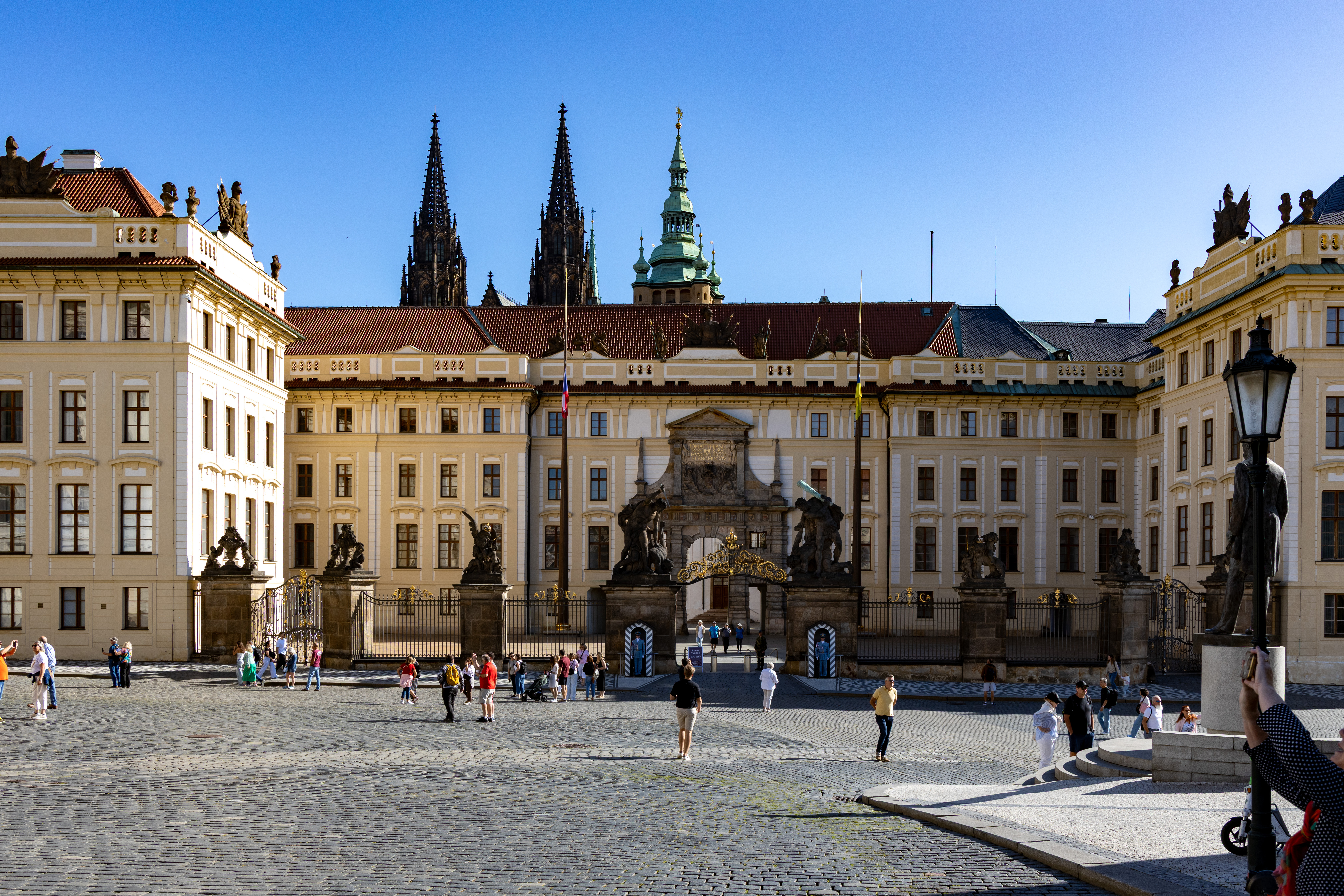
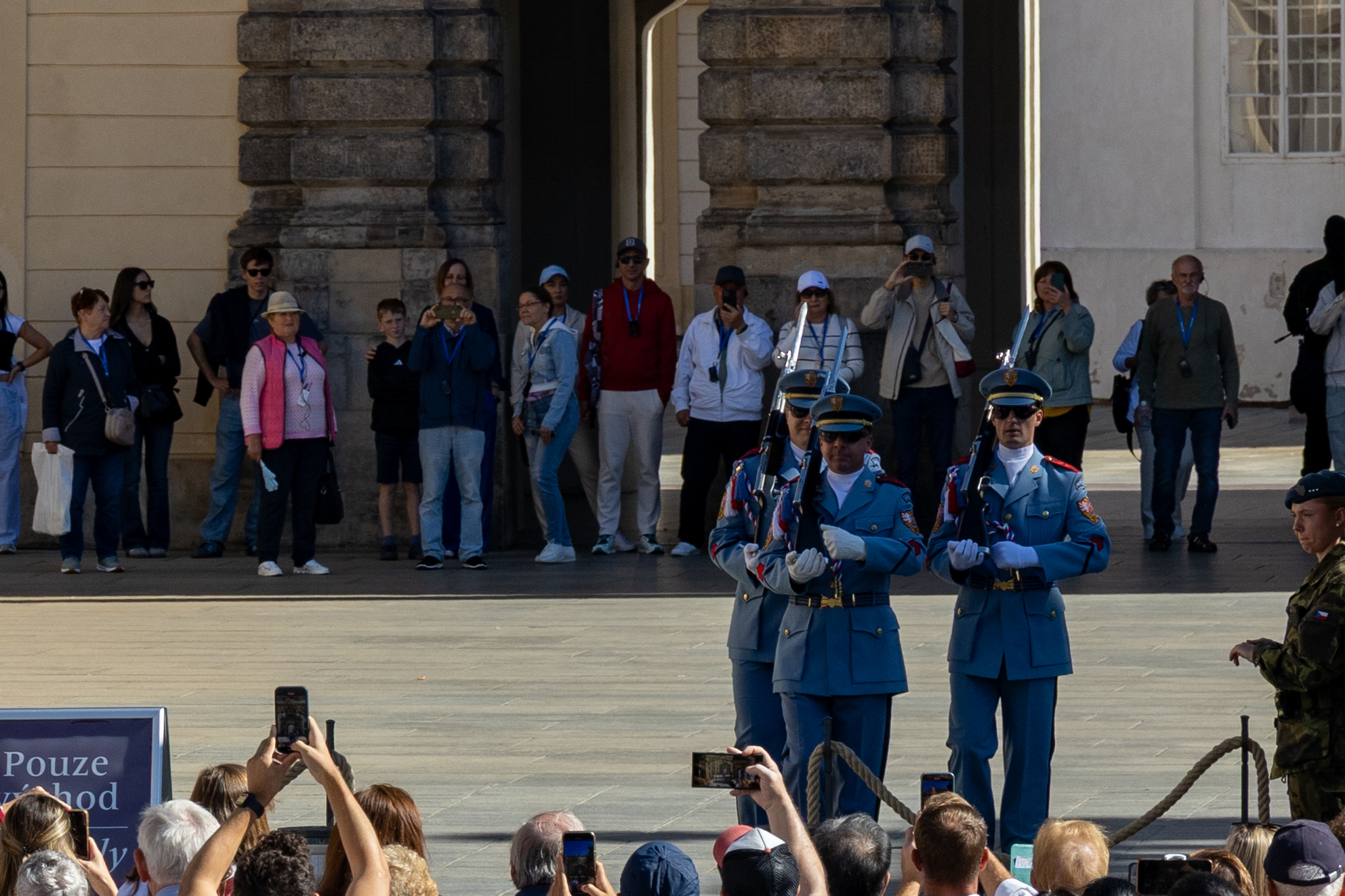
At the front of the palace complex there are ceremonial guards and there is a ‘Changing of the Guard’ ceremony, although many people gather to witness, film and photograph it, so it was pretty hard to get a decent photo. The Prague Castle Guard is a specific and autonomous unit of the Armed Forces of the Czech Republic who directly report to the President. Their main task is to guard and defend the seat of the President of the Czech Republic at the Prague Castle and their most visible activies are ceremonial duties within the Prague Castle. The unit numbers 890 soldiers.
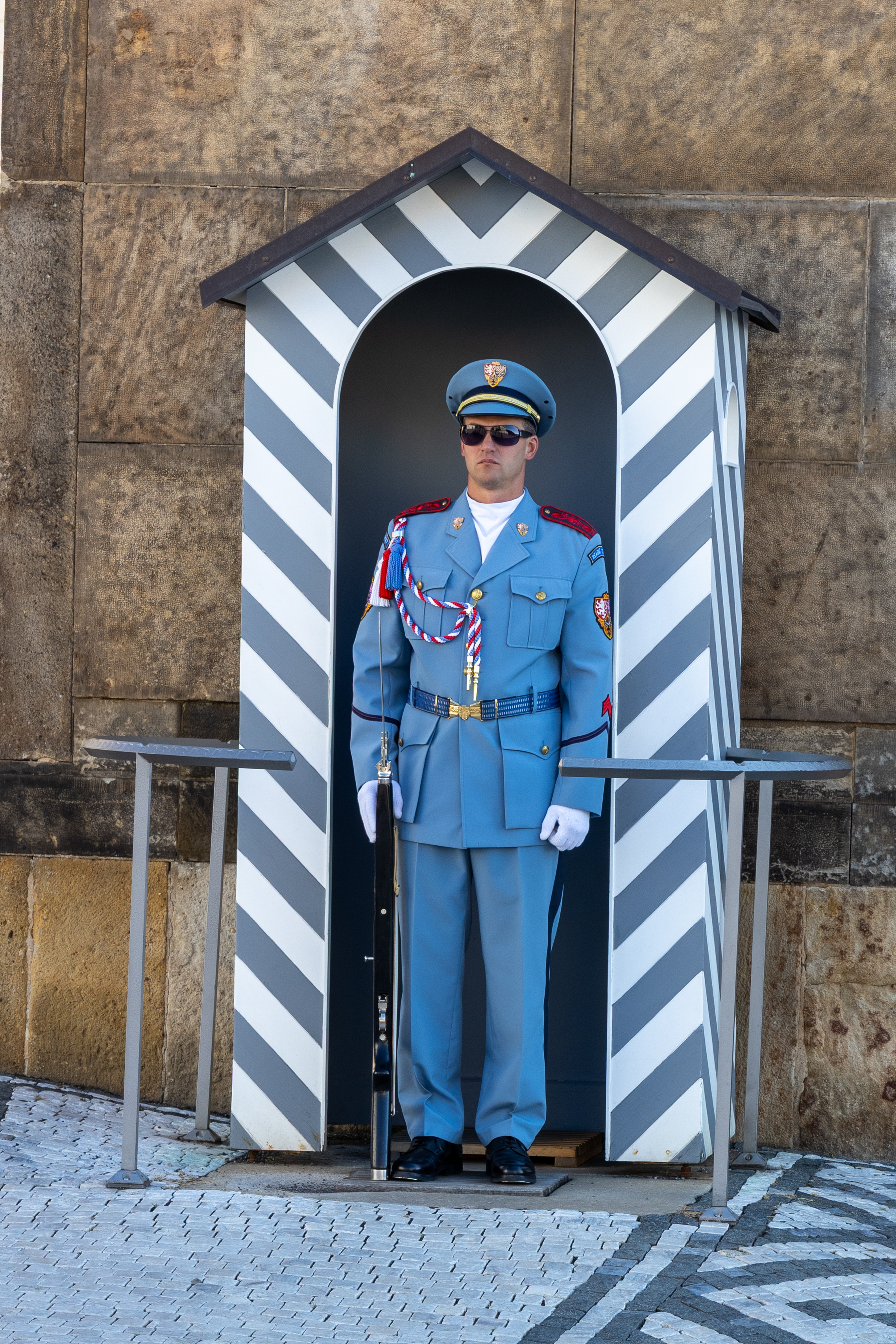
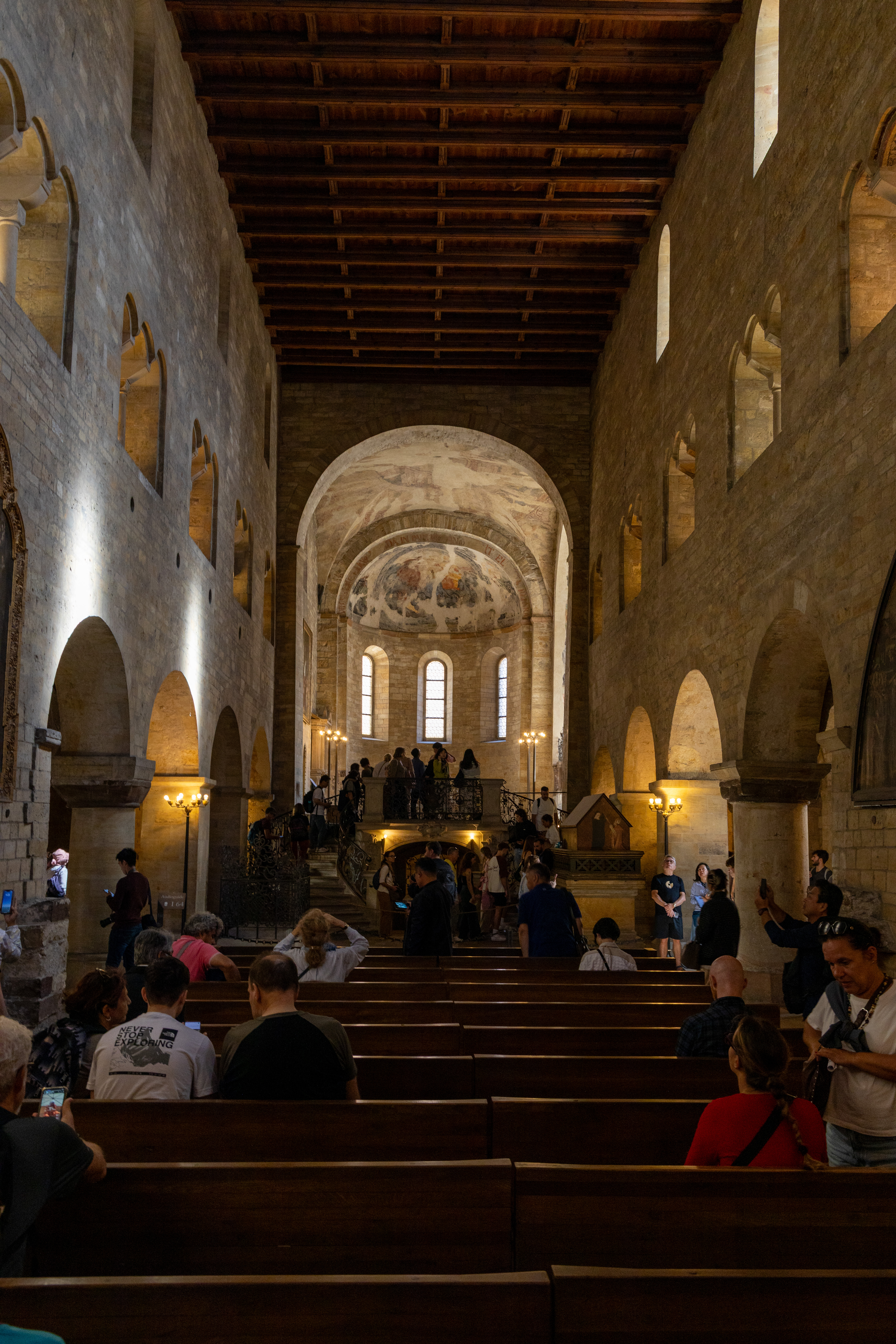
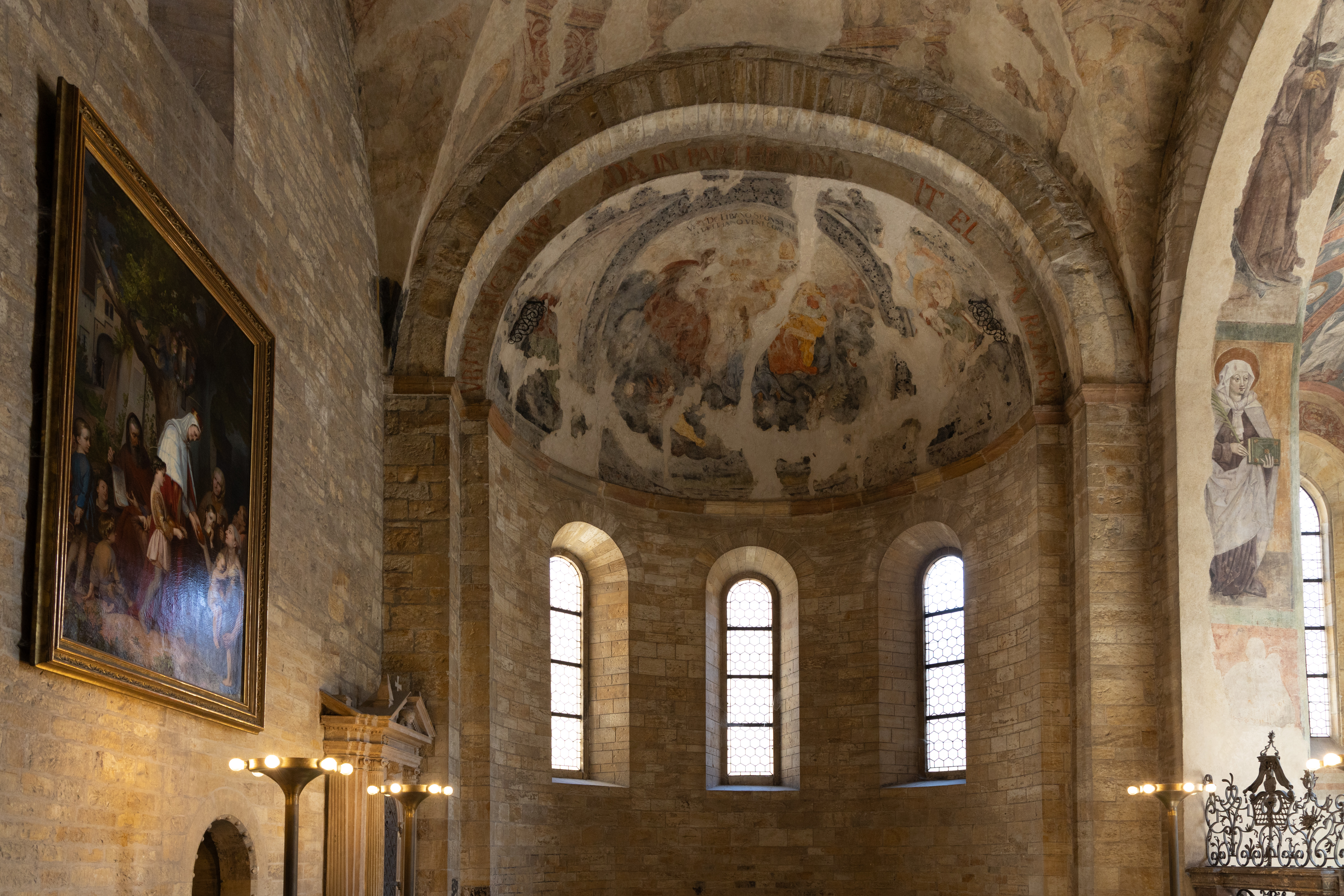
With the ceremony over we entered the palace grounds. The palace itself was being renovated inside so most of our focus was on the two churches that dominate the grounds. The first we looked at was St Georges Basilica, which is the oldest surviving church building within Prague Castle, and was founded by Vratislaus I of Bohemia in 920. It is dedicated to Saint George and is primarily Romanesque in style and quite austere.
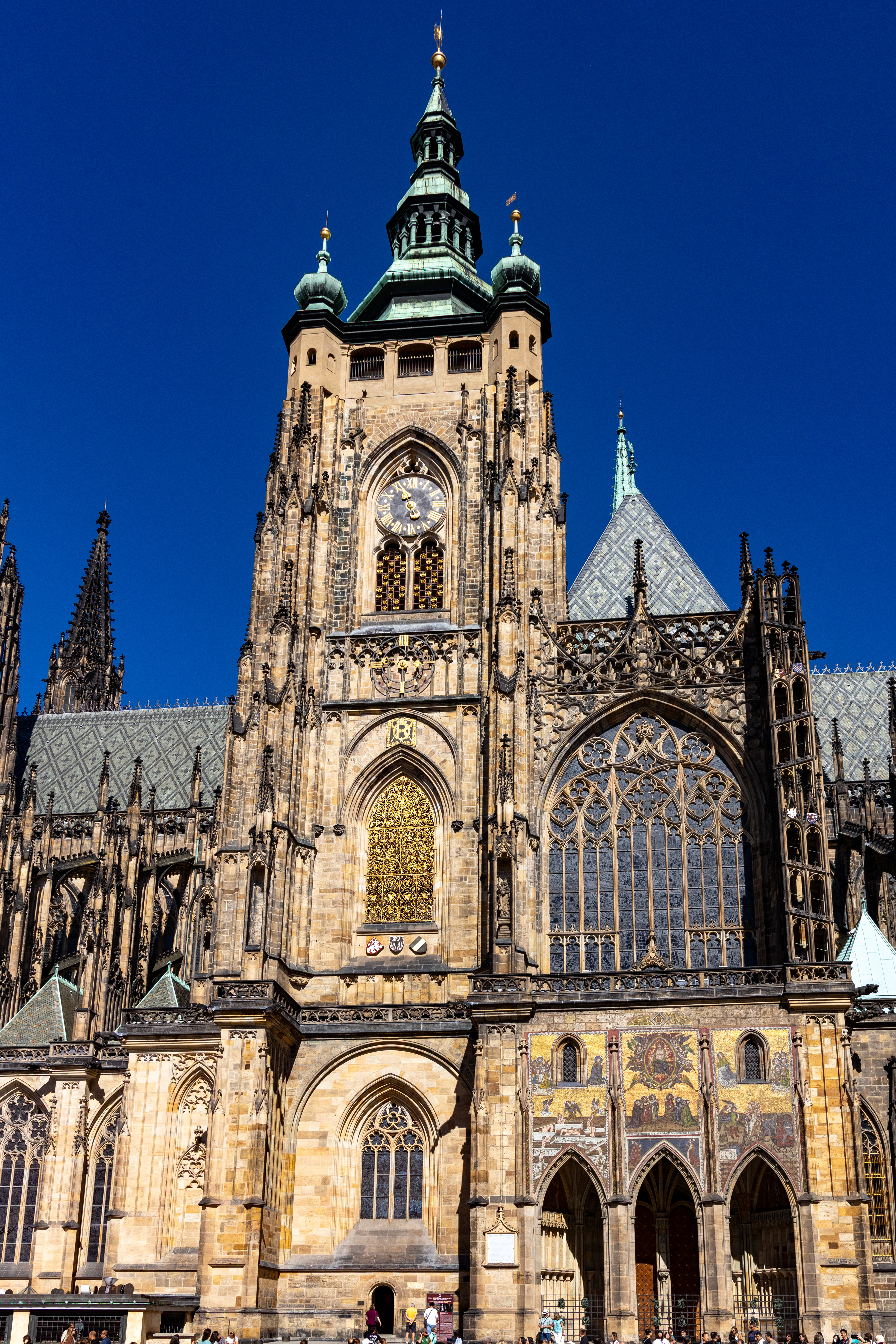
The other cathedral here is the St Vitus Cathedral which is the seat of the Archbishop of Prague. This cathedral is a prominent example of Gothic architecture, and is the largest and most important church in the country. Located within Prague Castle and containing the tombs of many Bohemian kings and Holy Roman Emperors, the cathedral is under the ownership of the Czech government as part of the Prague Castle complex. We had to queue to enter once Sunday services were complete, but the wait was definitely worth it. The stained glass is incredible and there are many stories told in the artworks. Construction of the present-day Gothic cathedral began in 1344, when the seat of Prague was elevated to an archbishop.
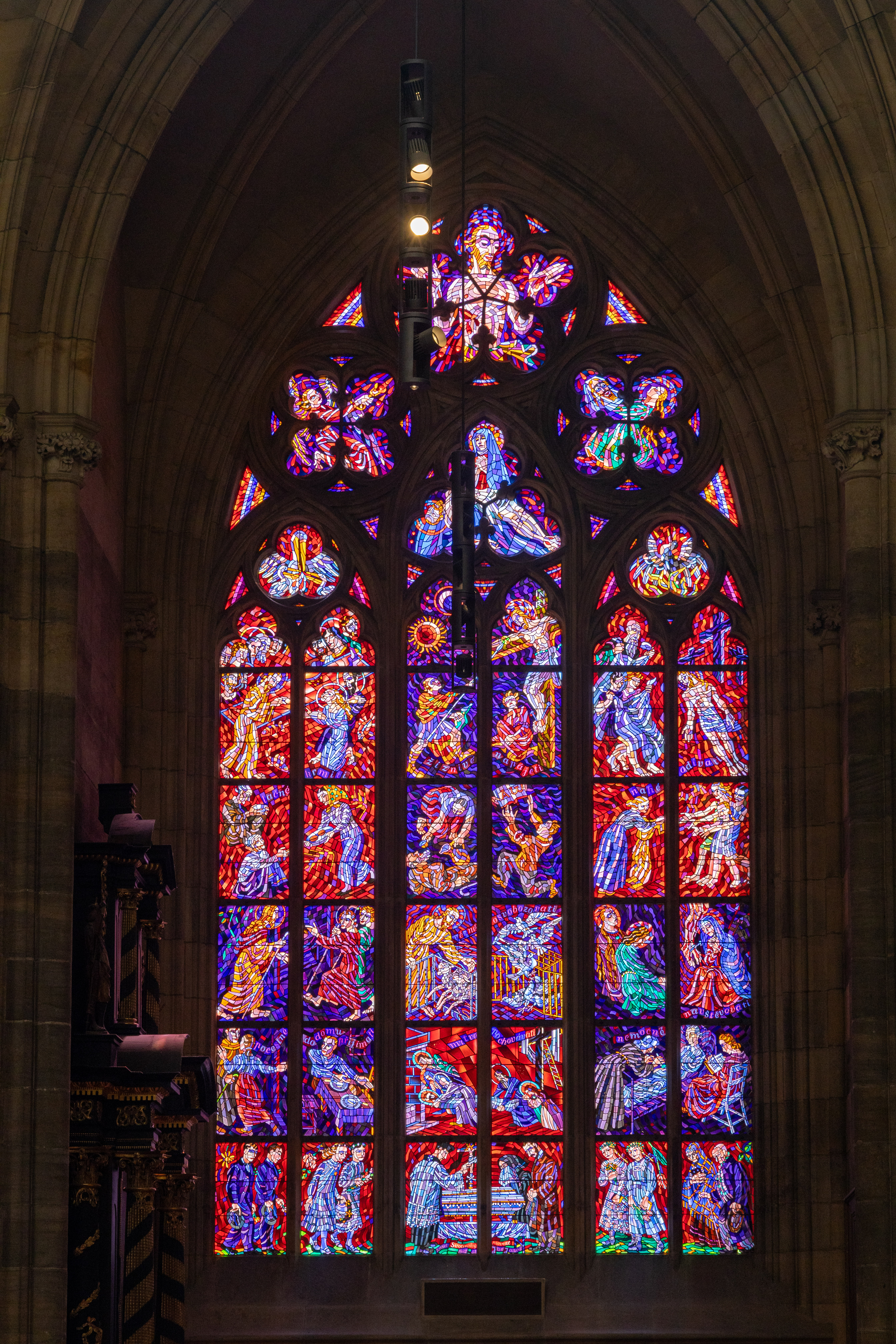
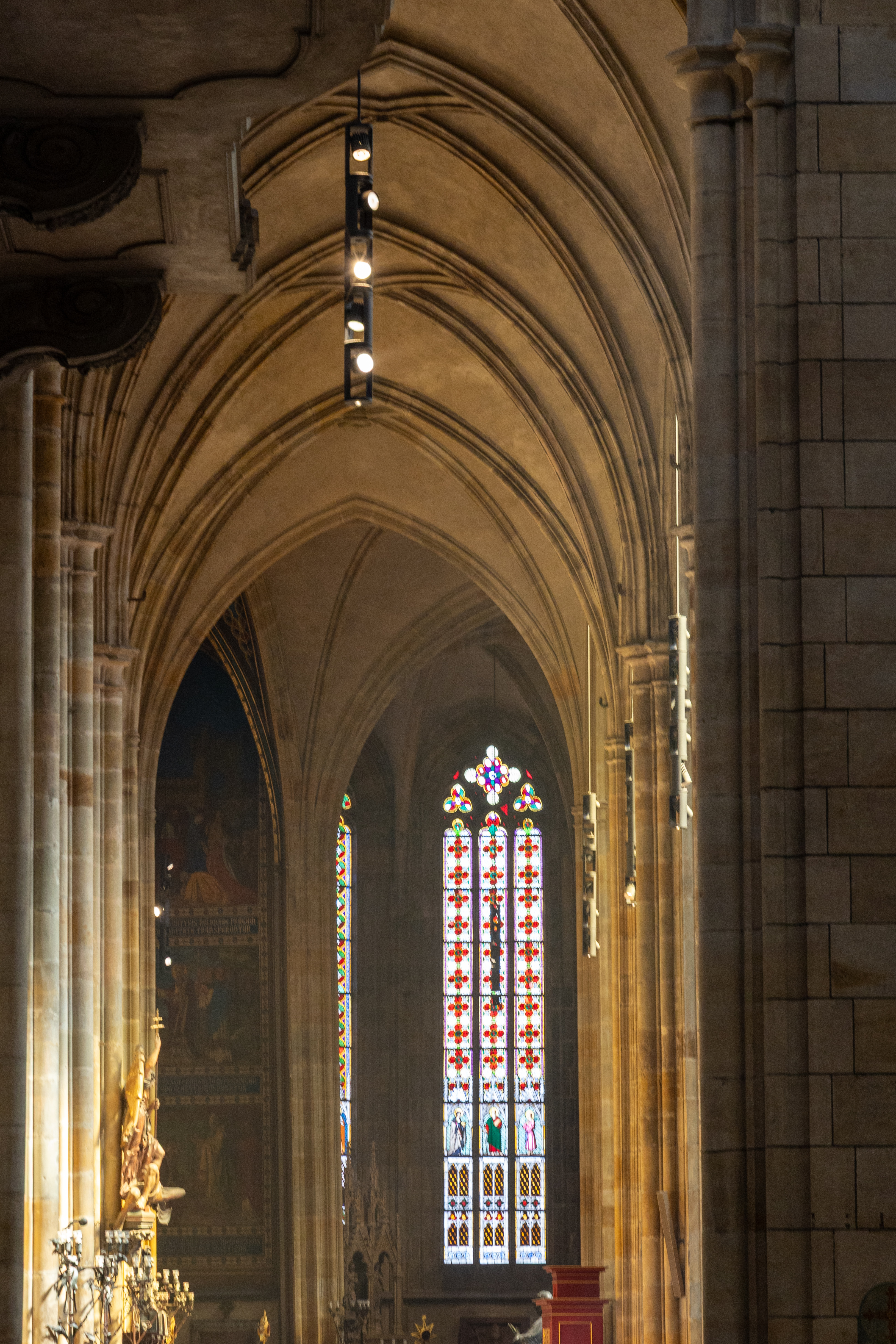
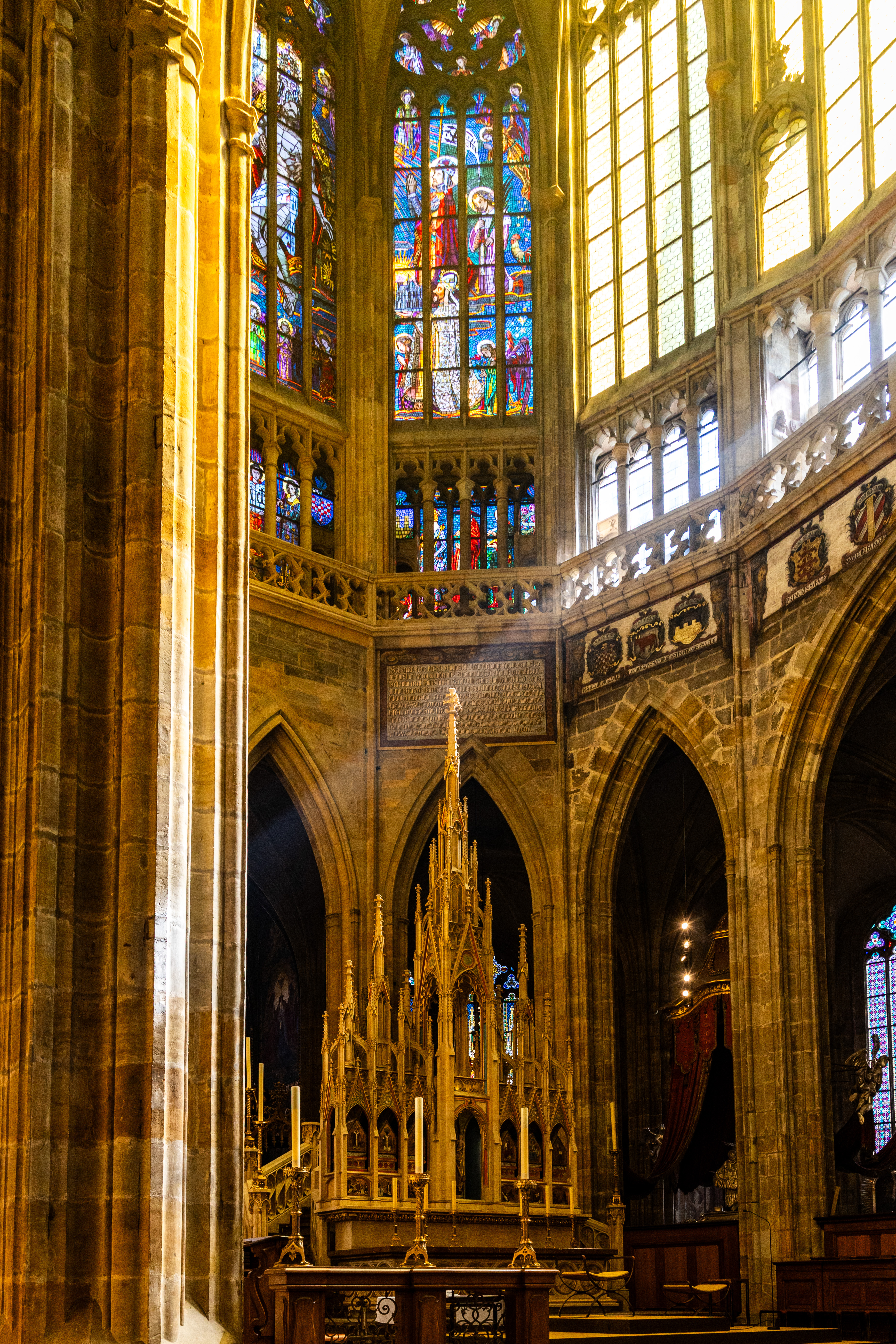
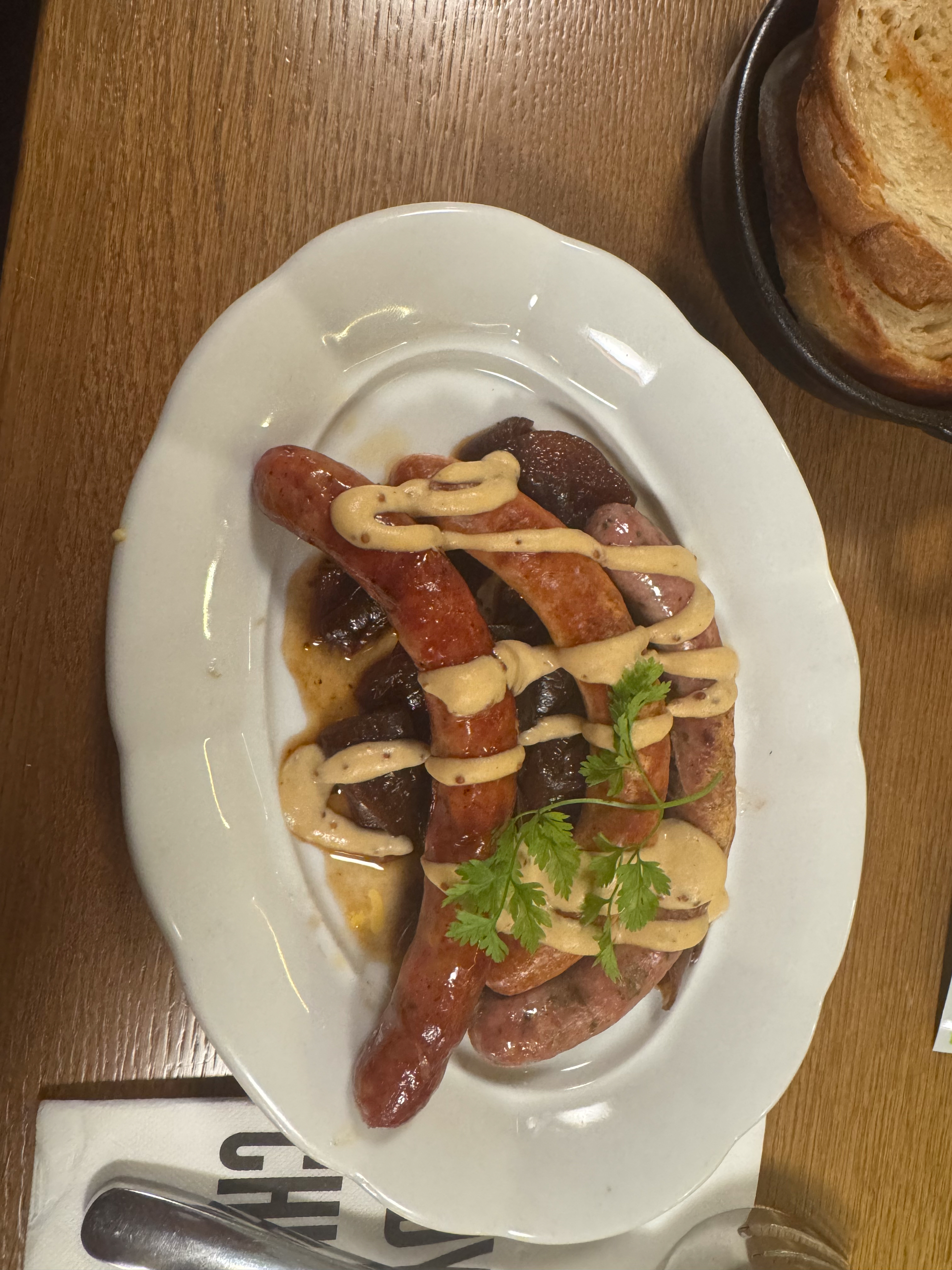
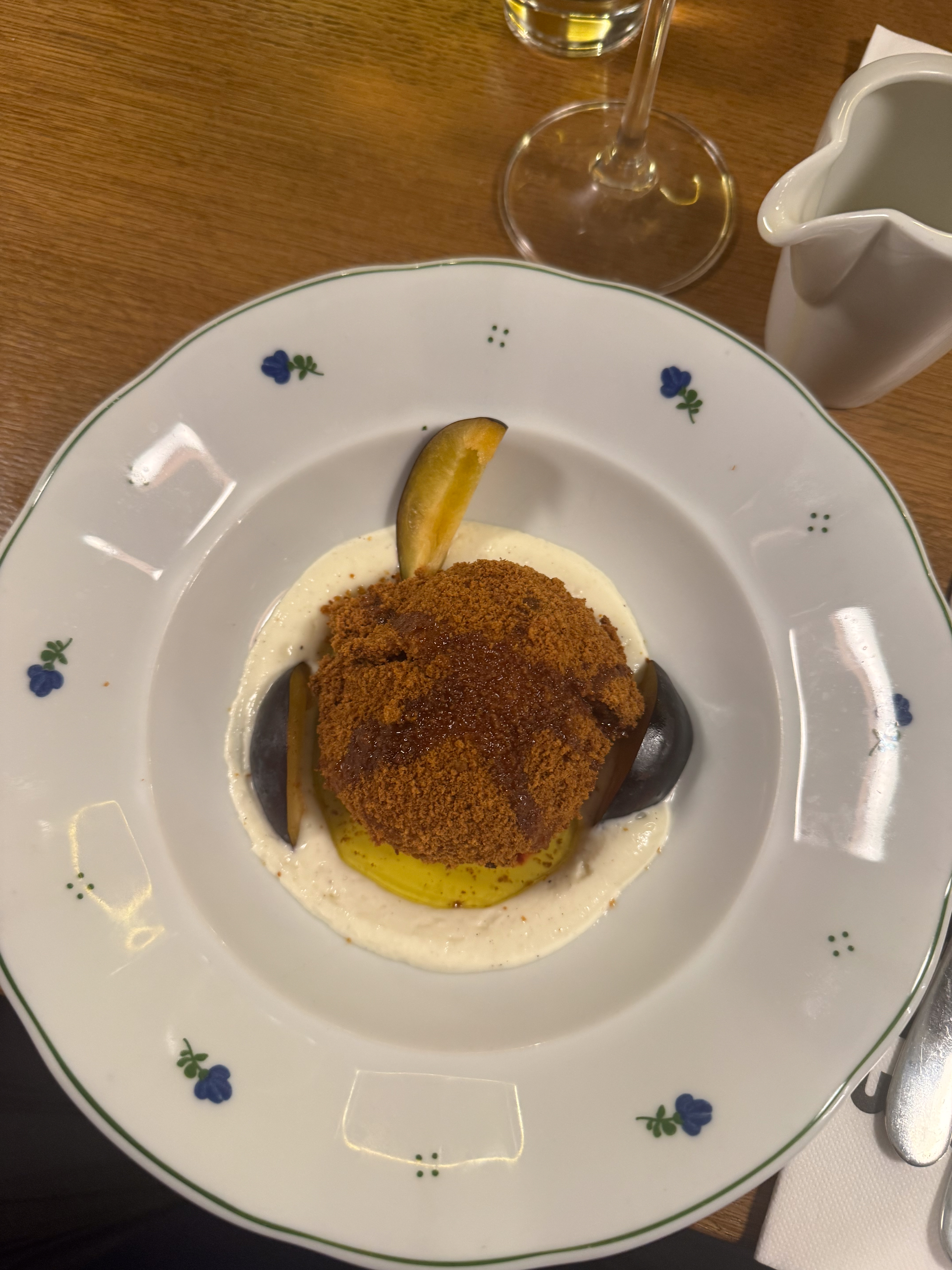
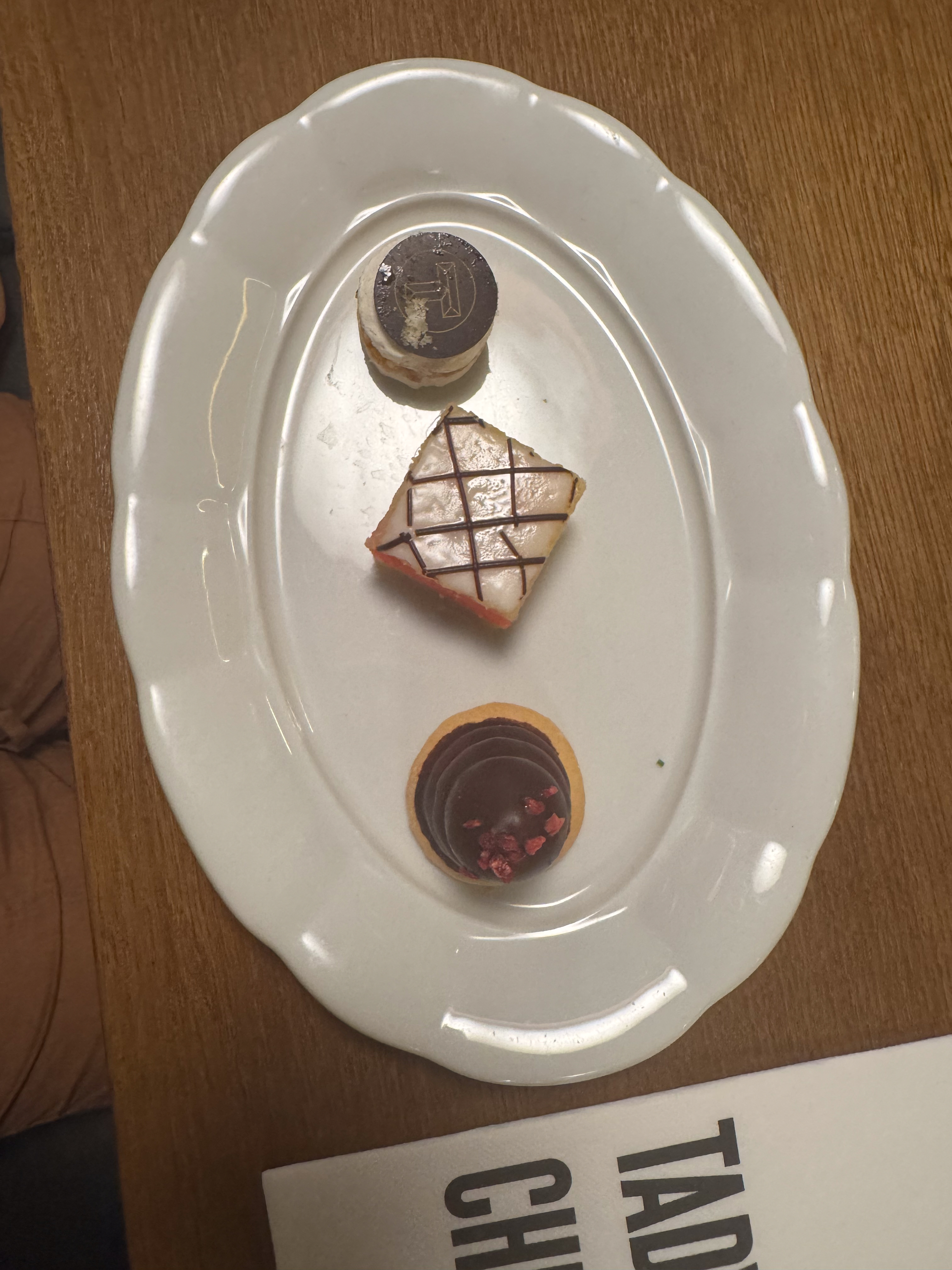
Having completed our tour of the castle, we walked back down to the town to the find some lunch. We had a quiet afternoon, prior to meeting up again for more food. We had some pre-dinner drinks at the Pilsener Arquell brewery outlet, but they stopped cooking food at 7, so we found a very nice Czech style restaurant a few doors down.
Until tomorrow!

 Rob's "Beats Working" Blog