
We woke up to a cooler day here in Prague this morning, a welcome relief from the hot days in Budapest and a hot one here yesterday. There was a forecast of rain in the afternoon and evening, so we thought we’d concentrate on the Museum today, so we wouldn’t get too caught up in it. We have some friends arriving from London tomorrow, so we also thought we didn’t want to spend all the good stuff before they get here.
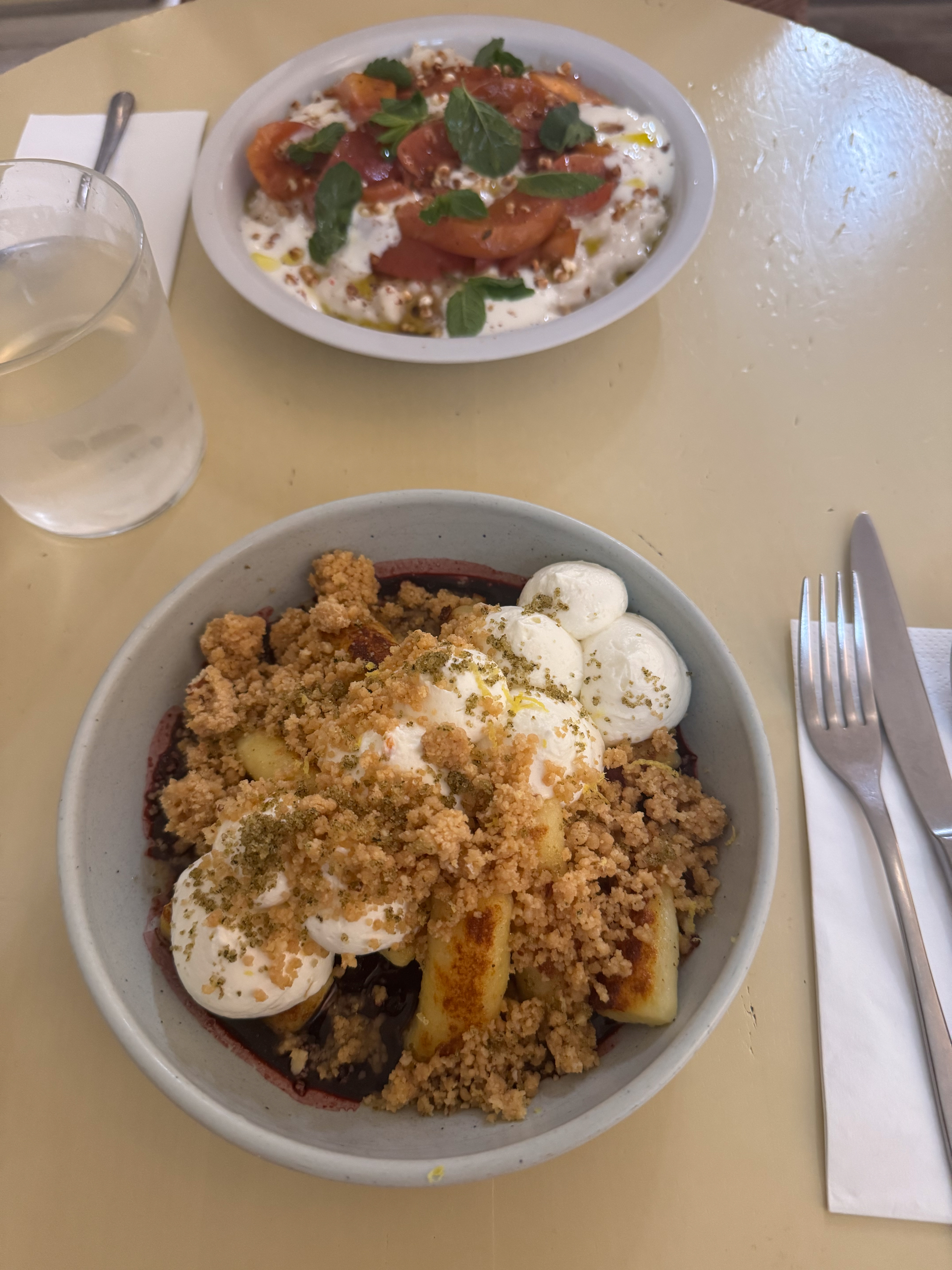
We were keen to do a better job with breakfast this morning and we found a place called Bjukitchen which server some really interesting food. It wasn’t far from the apartment and is quite unassuming from the outside, but inside you feel a bit like you’re eating in the kitchen. It has a great vibe and I ate a gnocchi with fruit and cream cheese sauce while Deb had a cold rice pudding with nectarines. We are still loving exploring the neighbourhoods and finding such treasures.

The Museum is a the top end of Wenceslas Square, which is completely torn up at the moment for a remodel. You have to use a subway to get to in that takes a little trial and error to work out. There are two buildings, a classic one and a ‘new’ one which used to be the Prague Stock Exchange and was built in 1937. The building was extended in 1968–1973 for meetings of Parliament. In 2000, the building was declared a cultural monument and 2009 it was assigned to the National Museum. Additionally there is currently an exhibition about Eduard Storch. Among Štorch’s activities were archeology, ethnography, biology, journalism and reform of education system. He was also known for novels set in prehistoric Bohemia during Stone and Bronze Age. The collection of artefacts from his life was impressive.
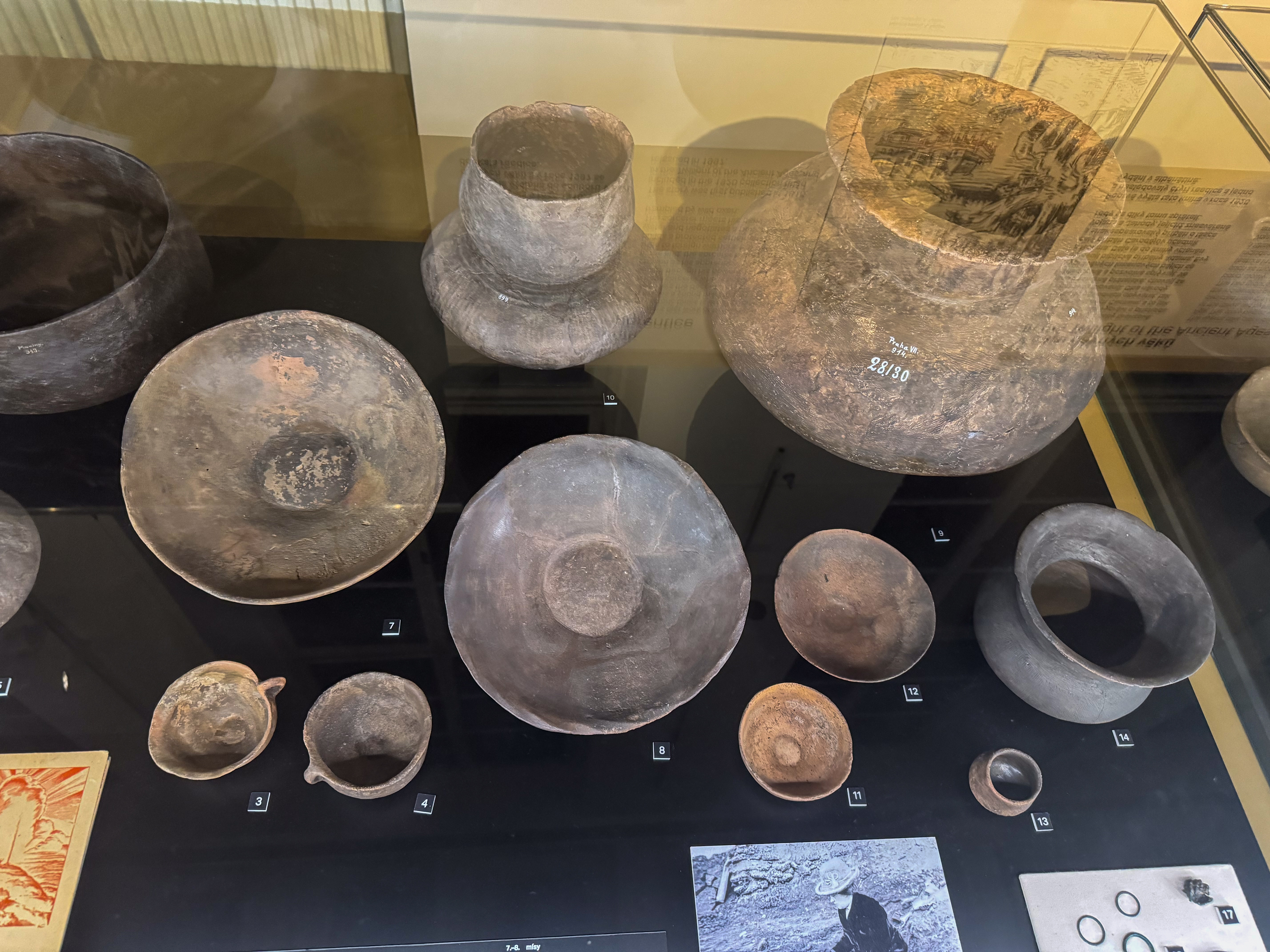
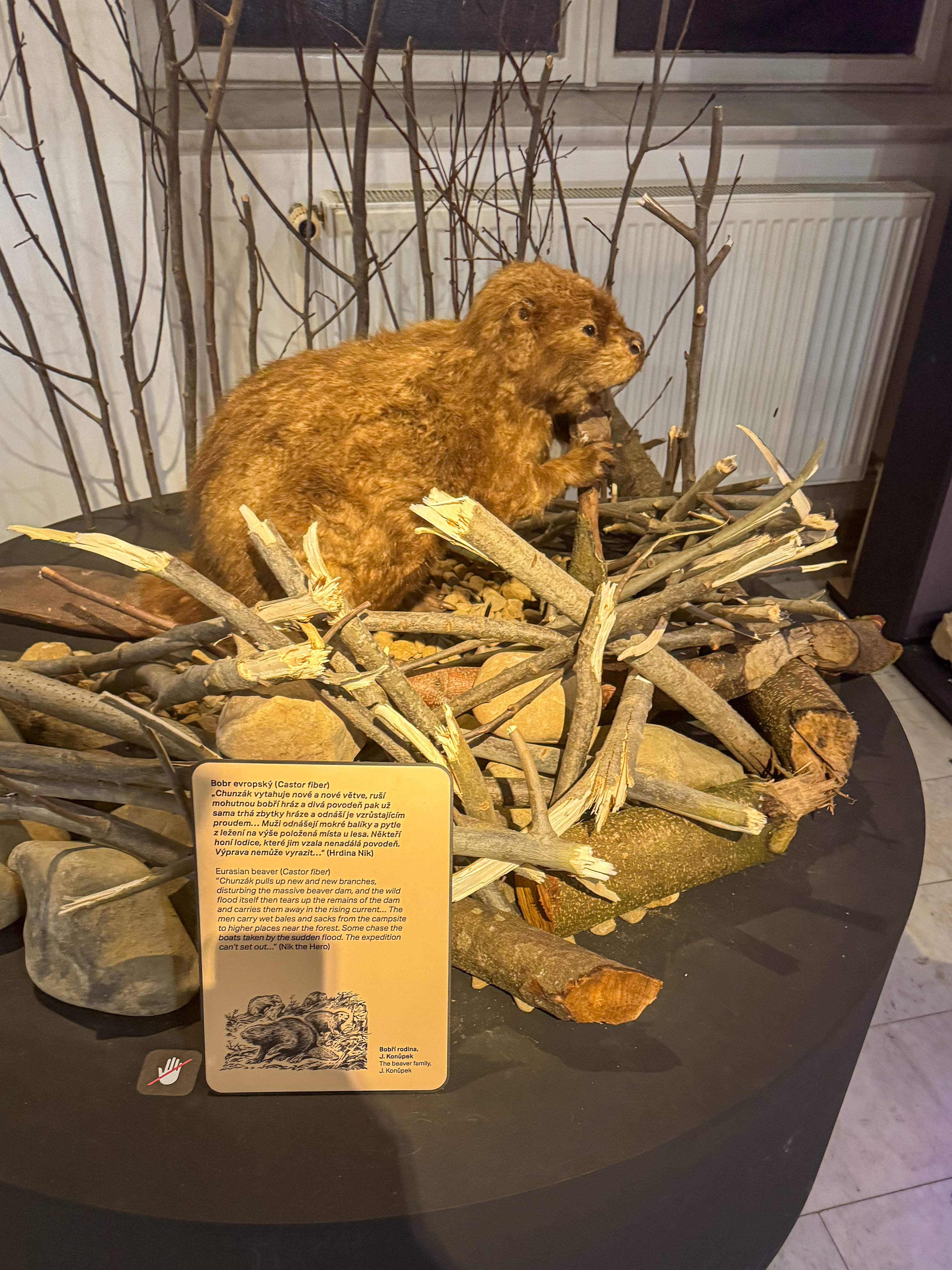
In 2019, the building was connected to the historical building through a tunnel which displays a historical multimedia display. In 2021, the permanent exhibition History of the 20th Century was opened here. This display was really interesting as it showcased brands developed in Czechoslovakia and documented the experiences under communist rule. Things like Skoda cars and Bata School shoes all started here. There are album covers featuring inventive musical acts including Falco (Rock me Amadeus), who made it to the west. There are also lots of rooms featuring what Czech households looked like that were really interesting.
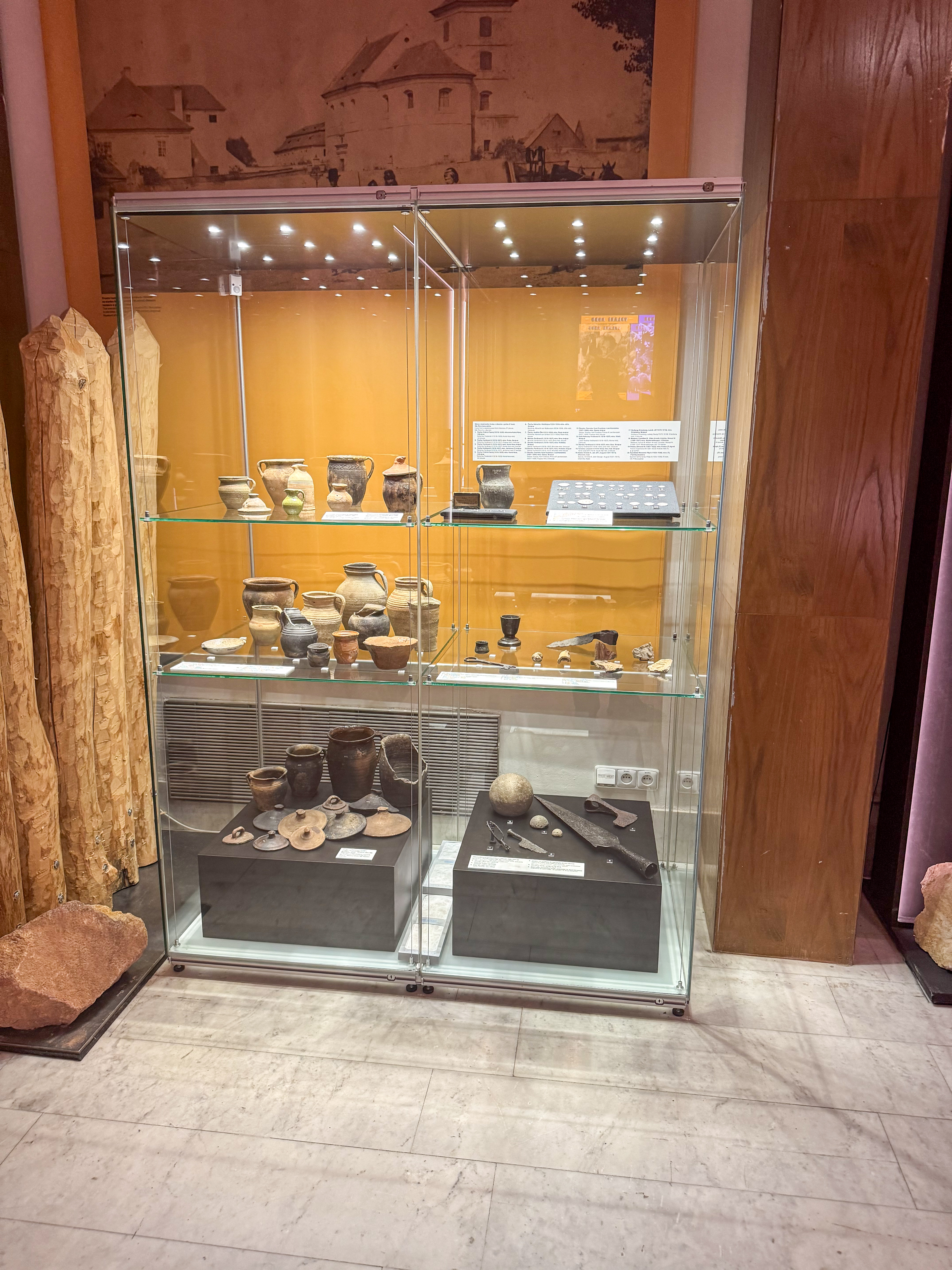
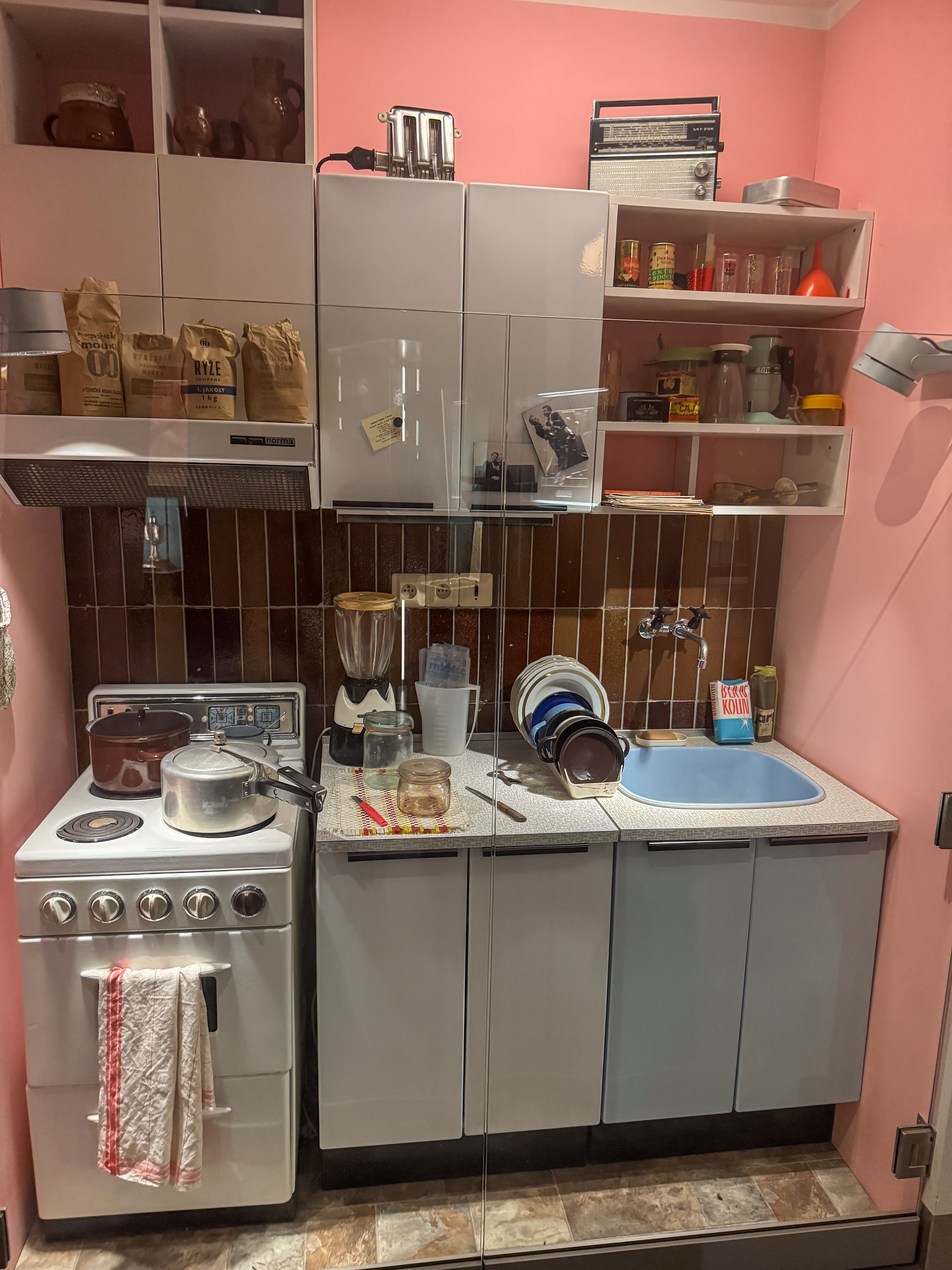
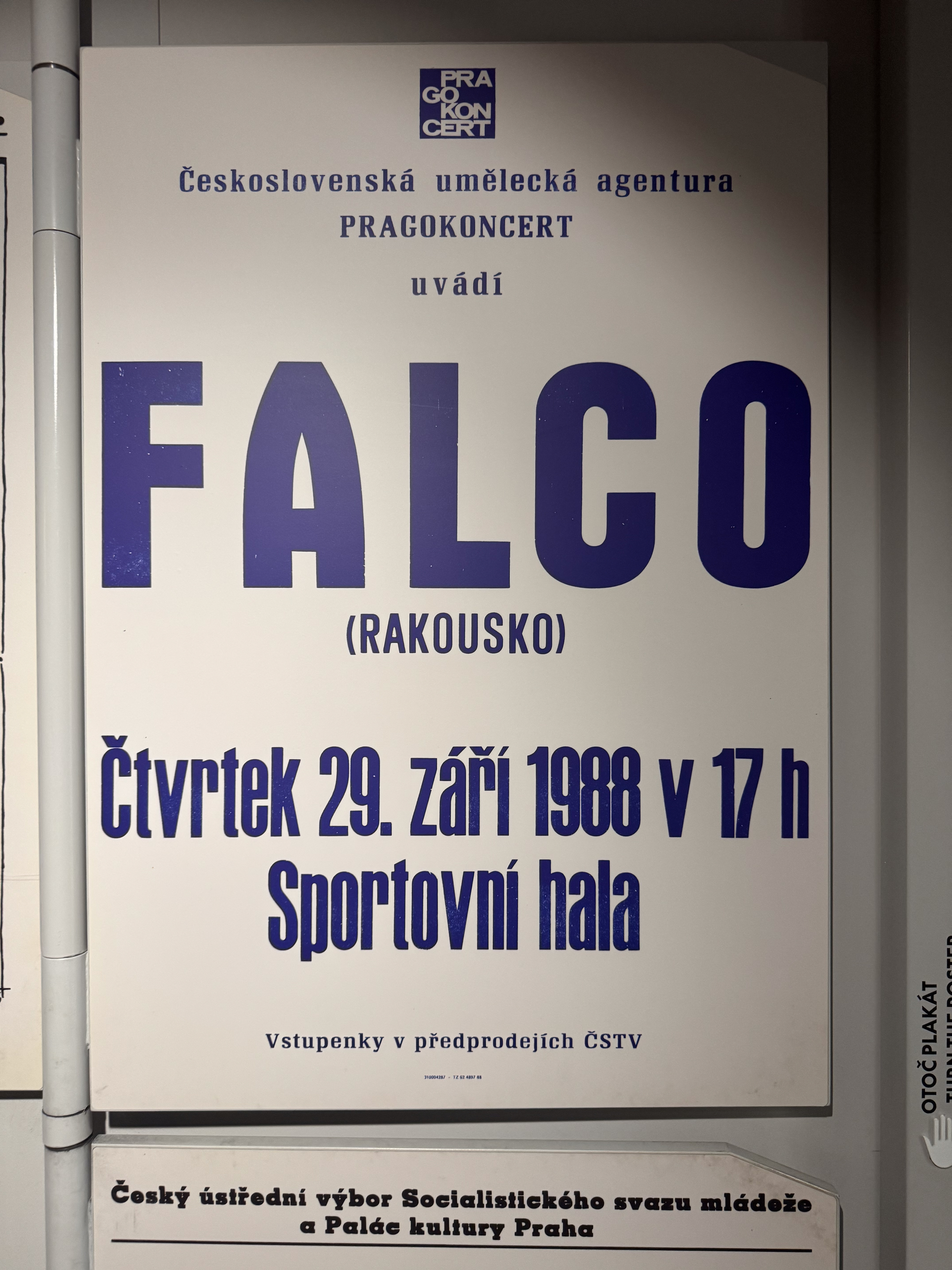
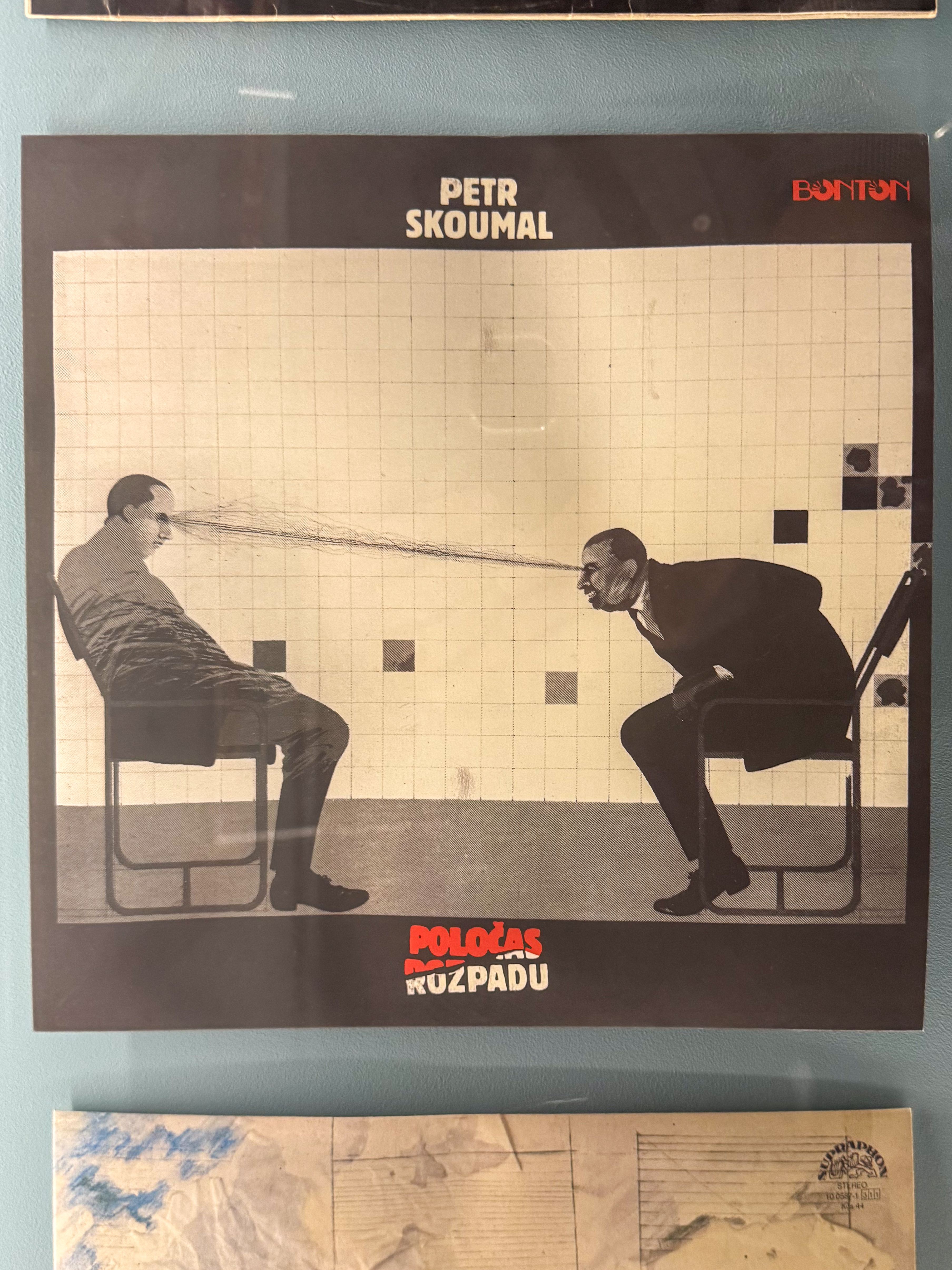
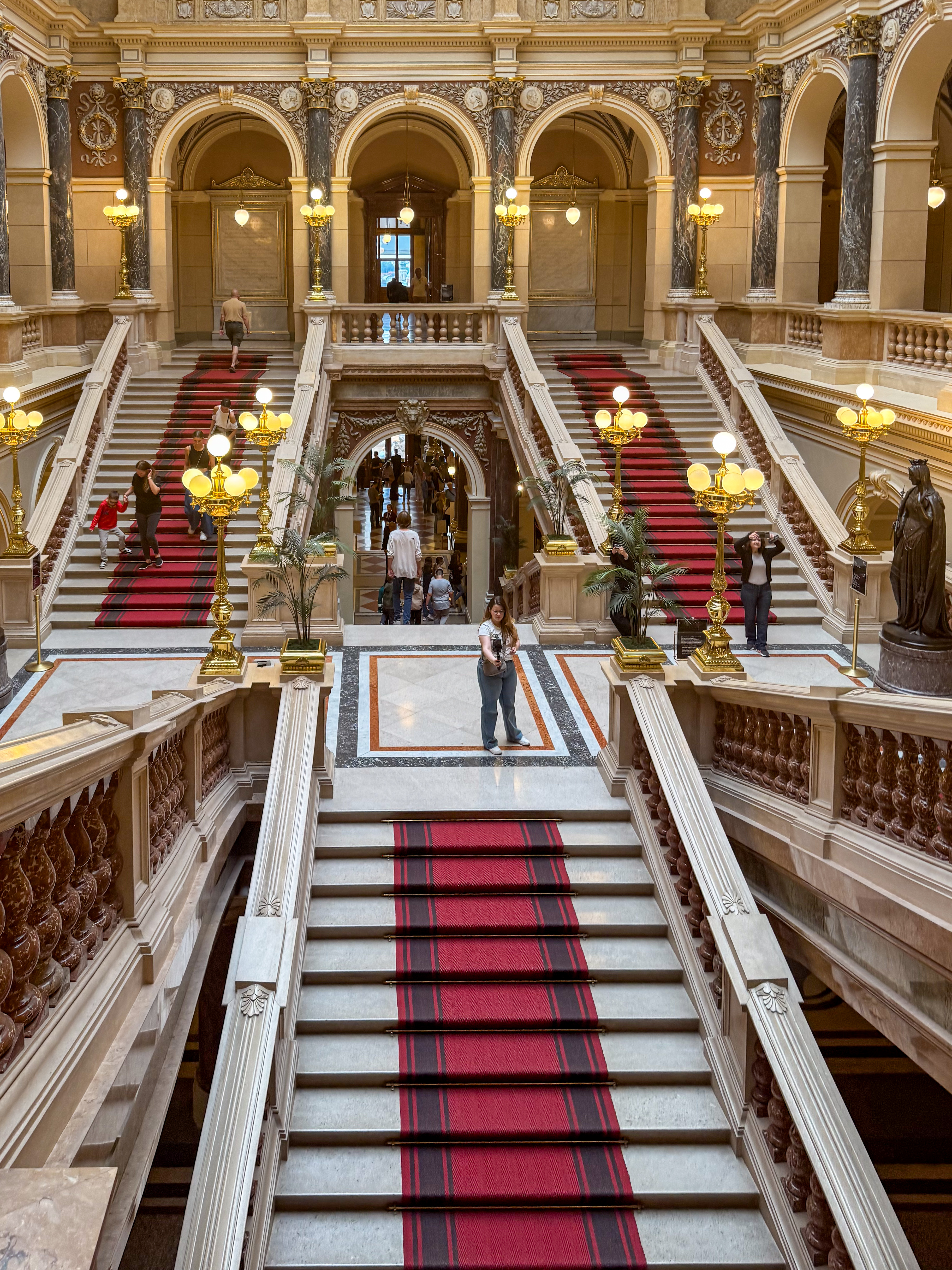
We crossed to the historical building via the walkway and it’s amazing display, only to be wowed more by this classical building. They. do know how to house their art and treasures in Central Europe. There are lots more conventional displays on this site and like any good national museum we left knowing more than when we entered.
The brief history is that Czechoslovakia was first created in 1918, when it declared its independence from Austria-Hungary. In 1938, after the Munich Agreement, the Sudetenland became part of Nazi Germany, so the state ceased to exist during WW2. After World War II, Czechoslovakia was re-established under its pre-1938 borders. The Communist Party seized power in a coup in 1948 and until 1989, Czechoslovakia was part of the Eastern Bloc with a planned economy. A period of political liberalisation in 1968, the Prague Spring, ended when the Soviet Union invaded. In 1989, when communism collapsed in Central Europe, the communist government was deposed during the Velvet Revolution. On 31 December 1992, Czechoslovakia peacefully split into the two sovereign states of the Czech Republic and Slovakia.
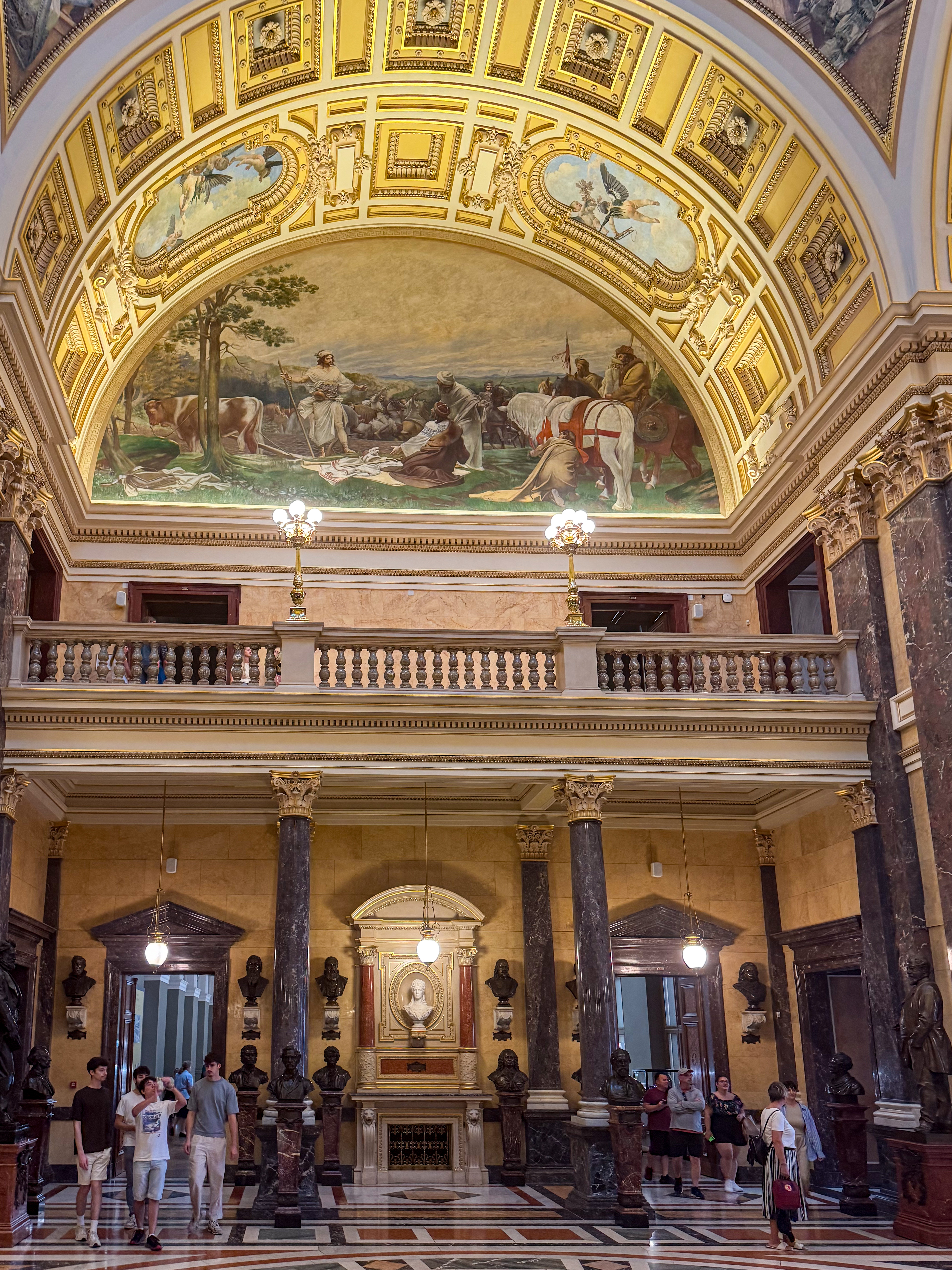
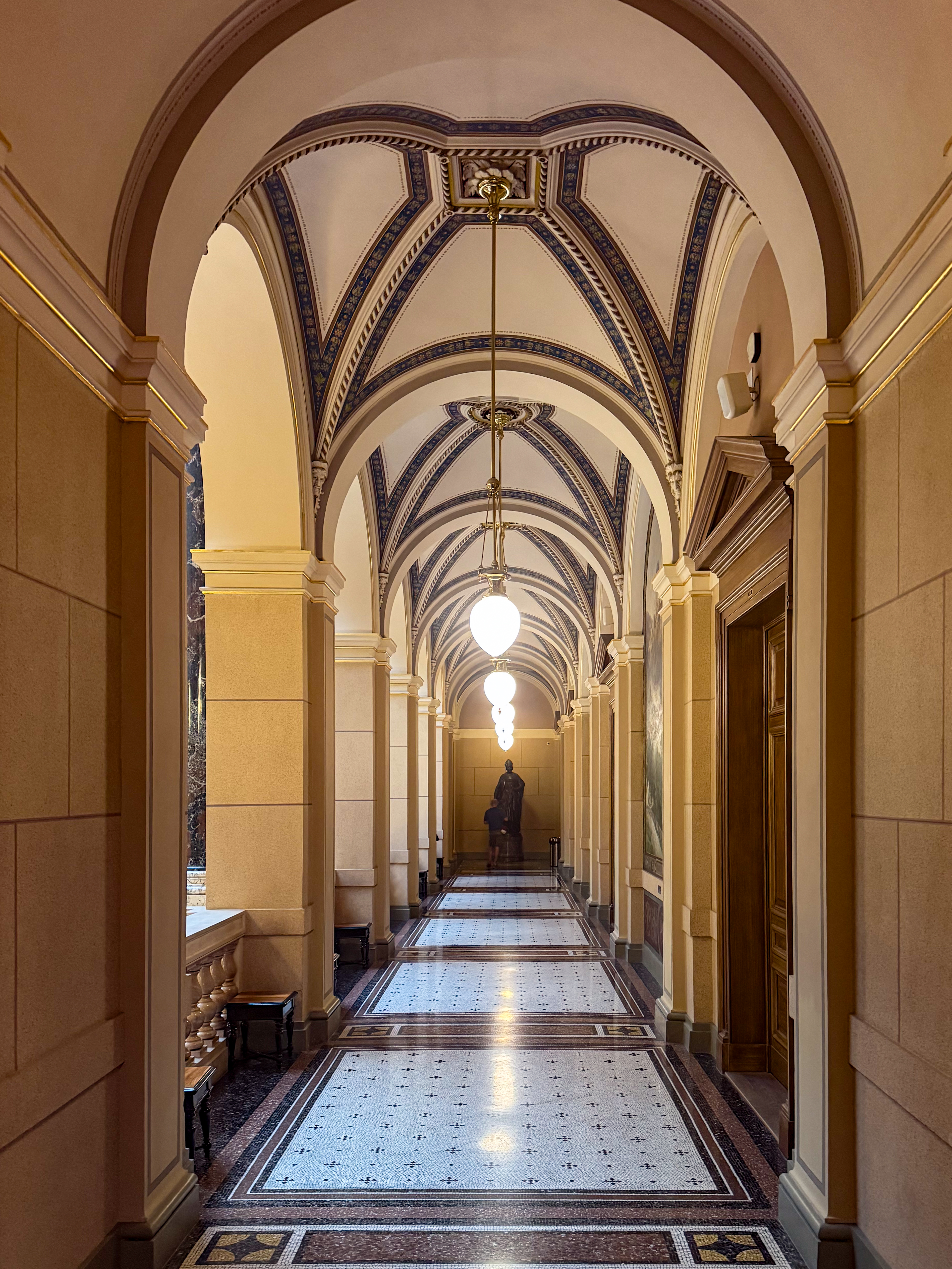
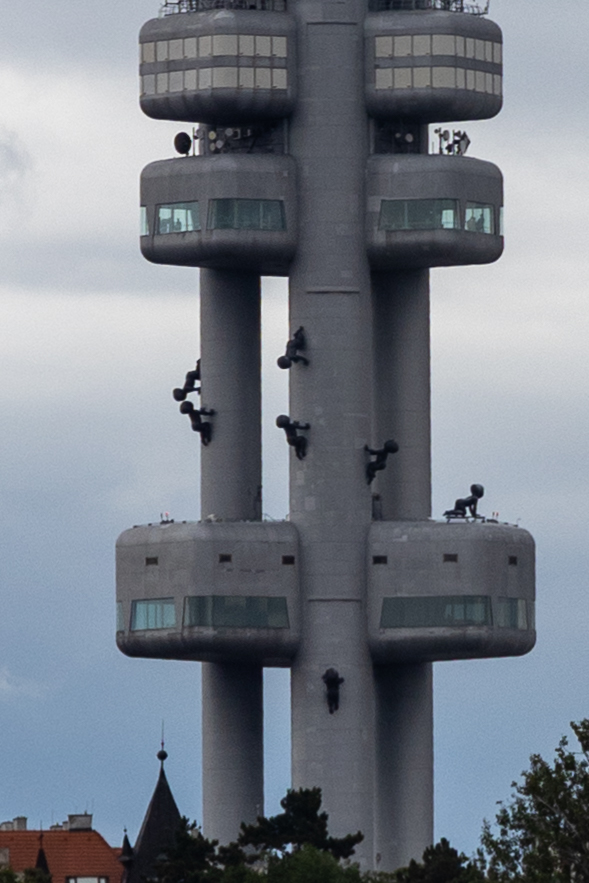
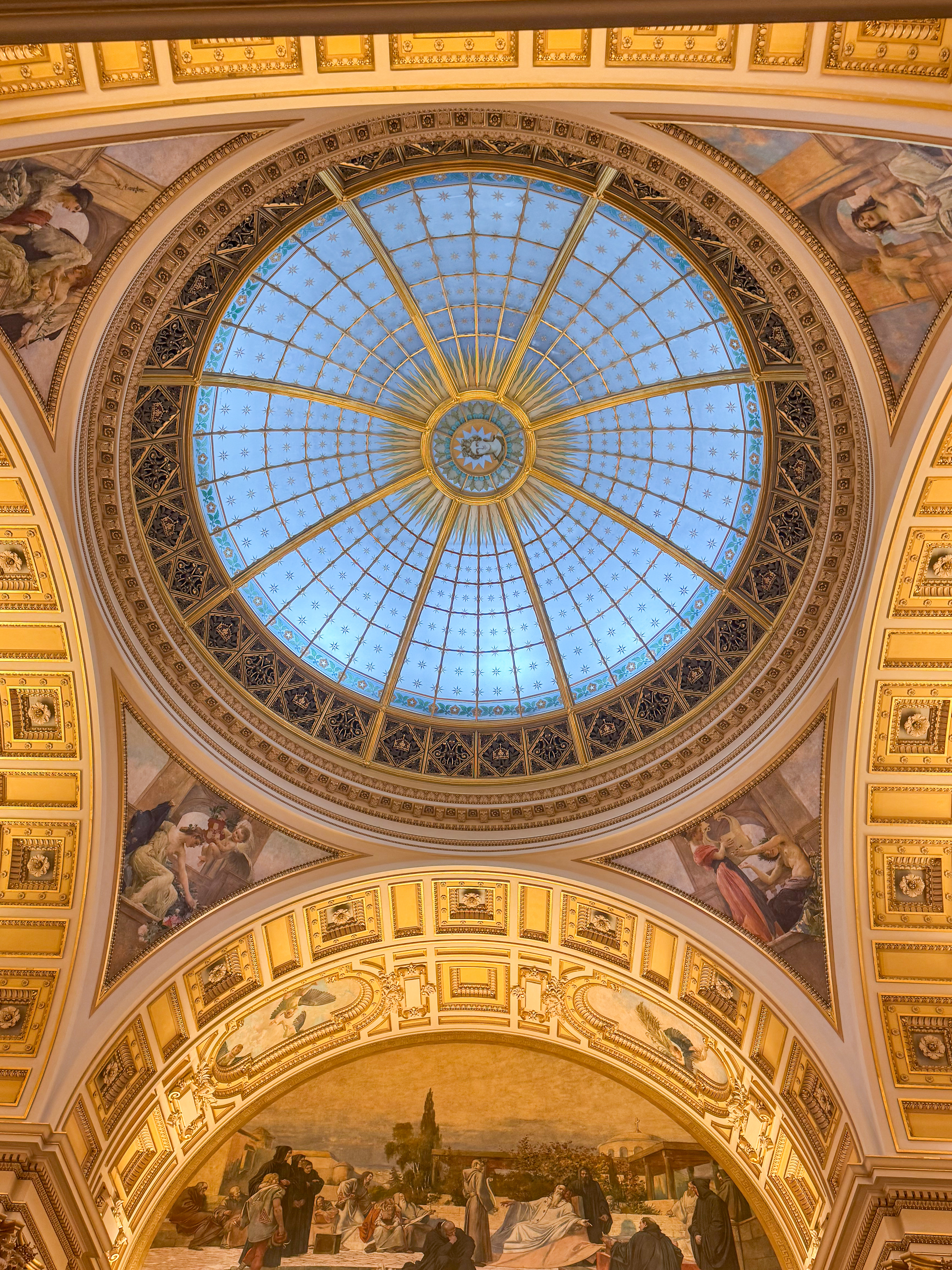
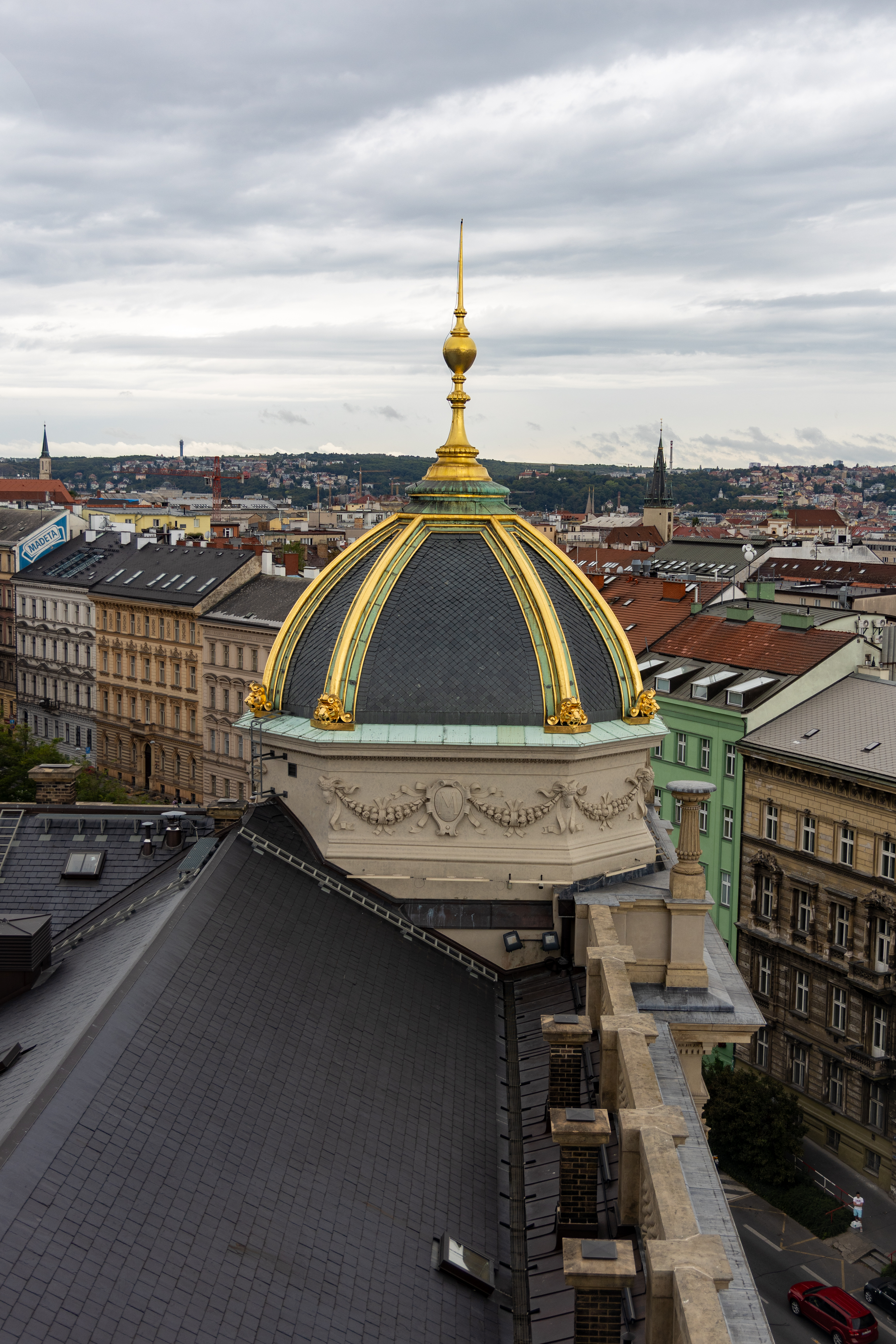
The museum building has the amazing glass dome that you can actually walk above at the very top of the building. I also took a few photos of the views from that observation deck including one of the TV tower with babies crawling on it. The babies are courtesy of Prague sculptor Cerny.
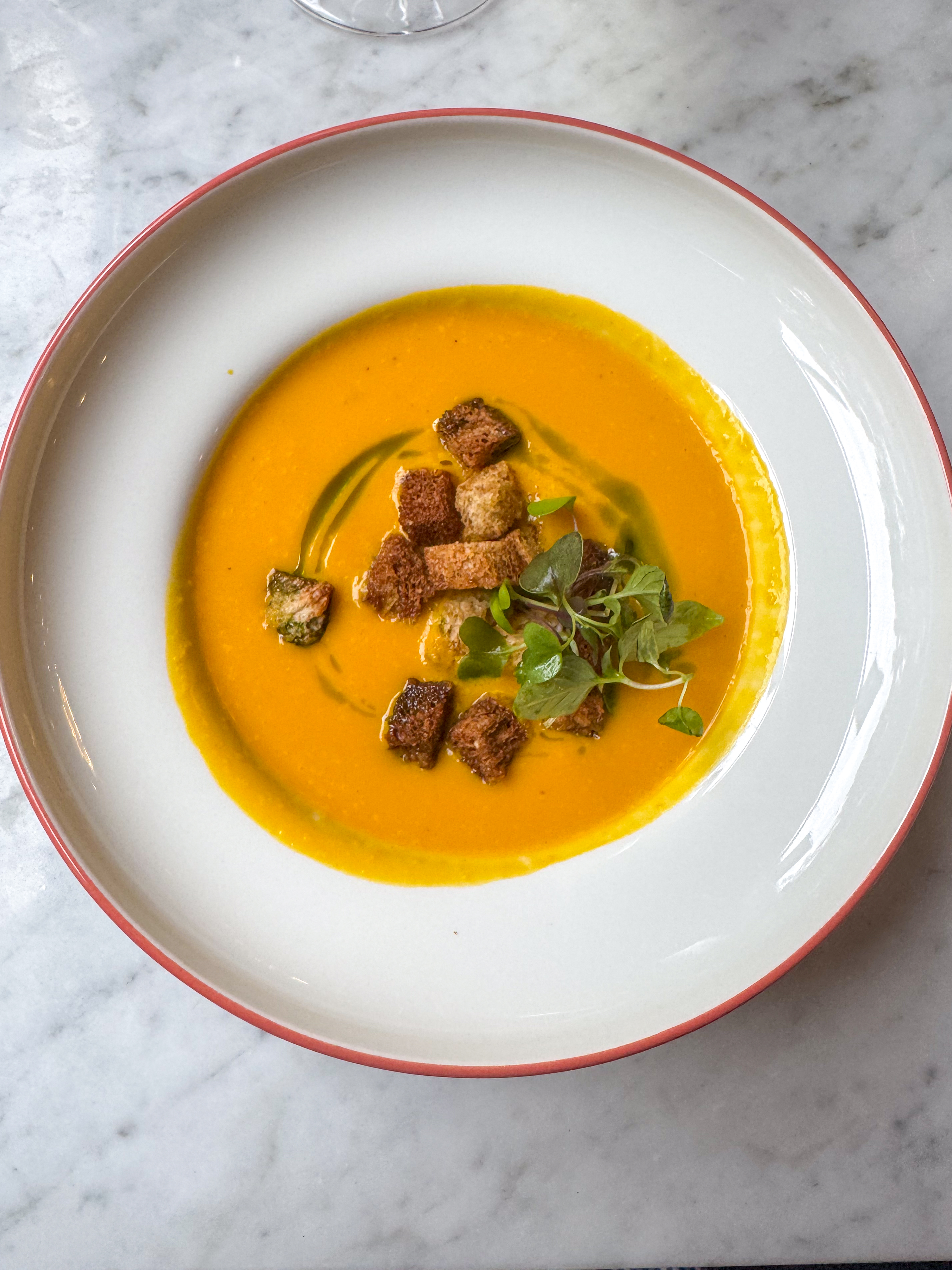
We had a leisurely lunch at the Grand Hotel Europa, which was once the jewel-in-the-crown on Wenceslas Square. In the late nineteen century, when the hotel opened, it was a symbol of unprecedented luxury. Over the years, the hotel rooms became outdated, but the facade remained sparkling with Art Nouveau details. After a long period of renovation, the hotel is once again luxurious, but is now operated by W hotels. During the war years it was inhabited by Nicholas Winton. From here he organised transport that brought numerous Jewish children to England.
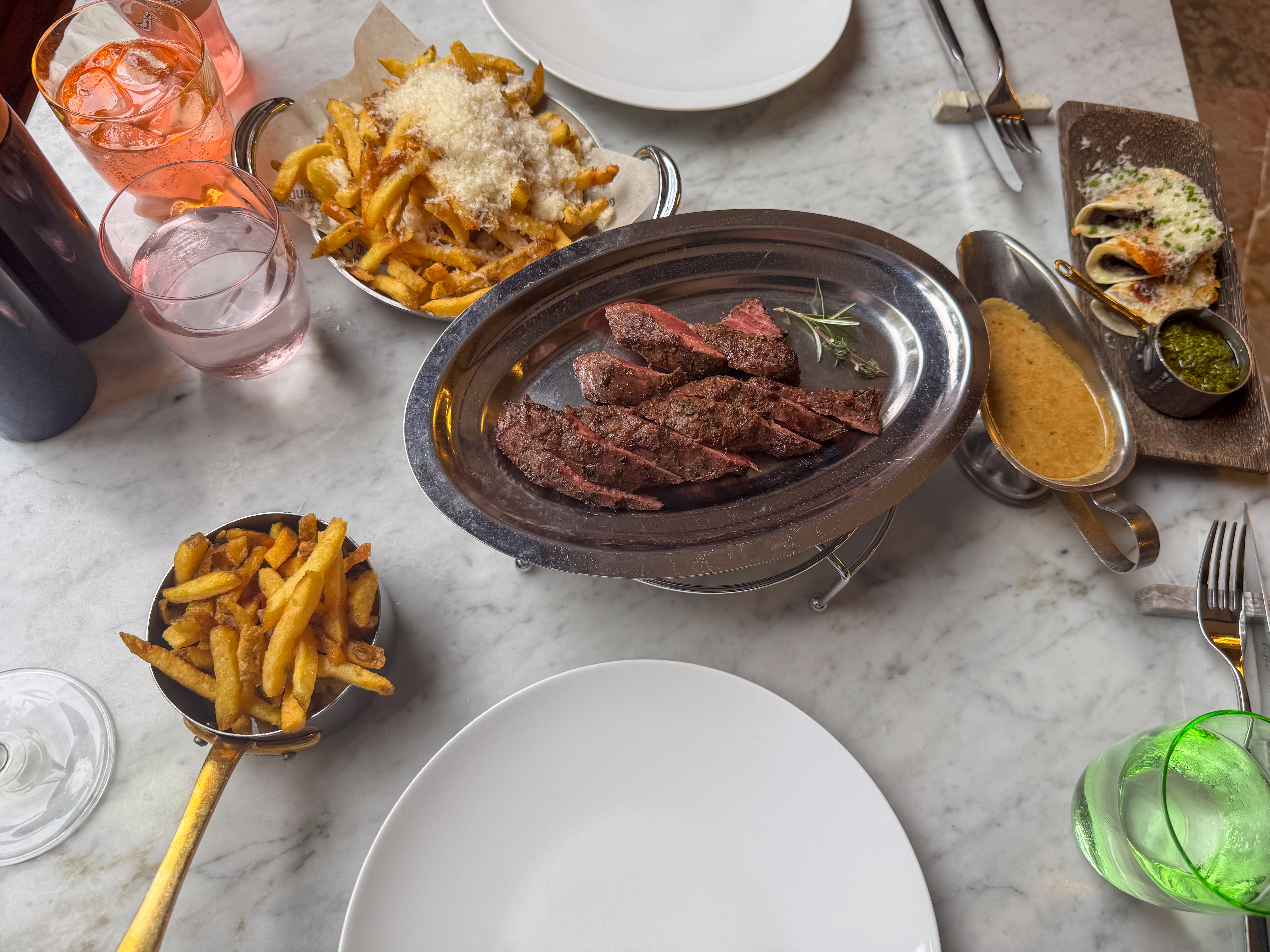
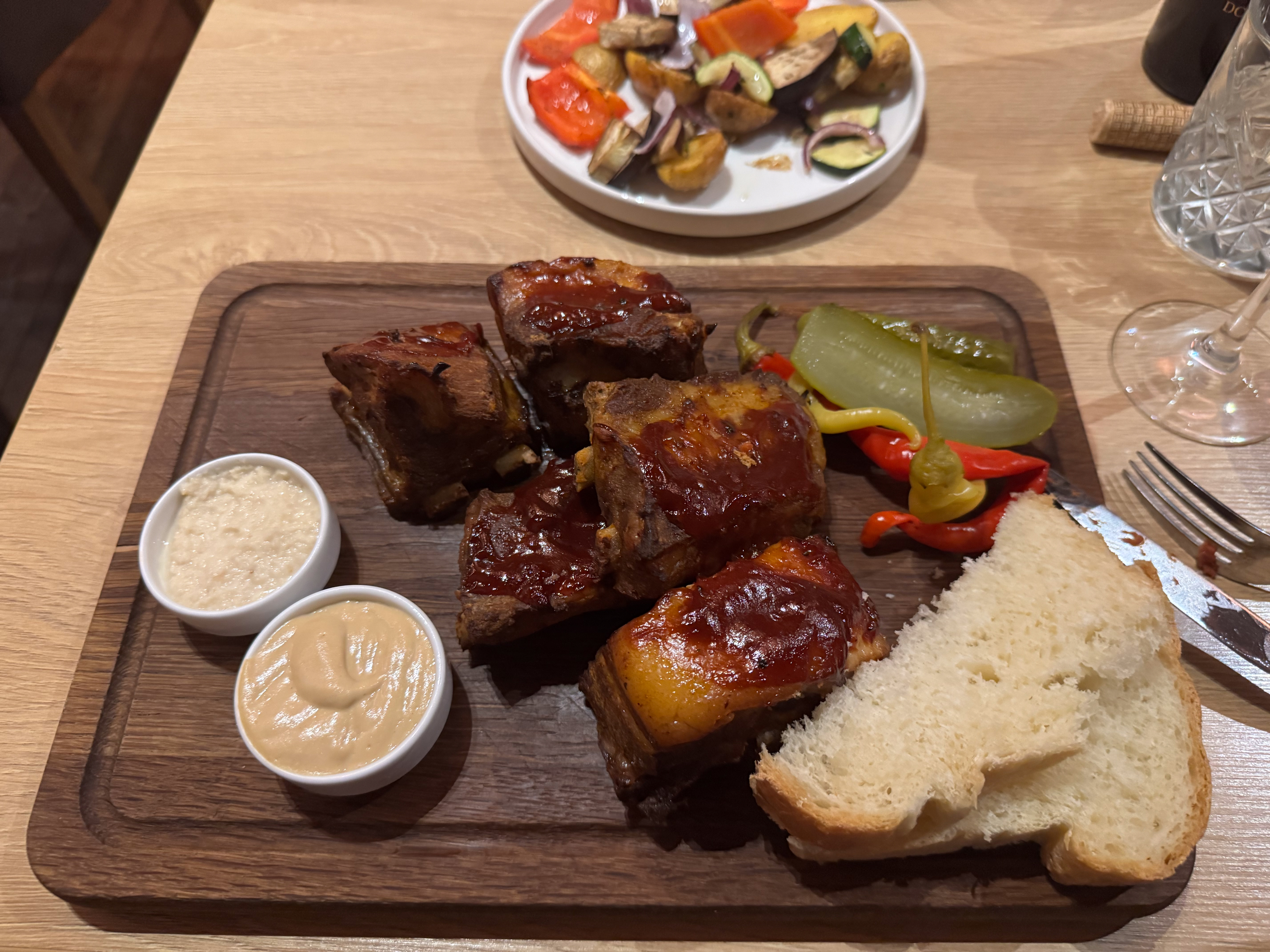
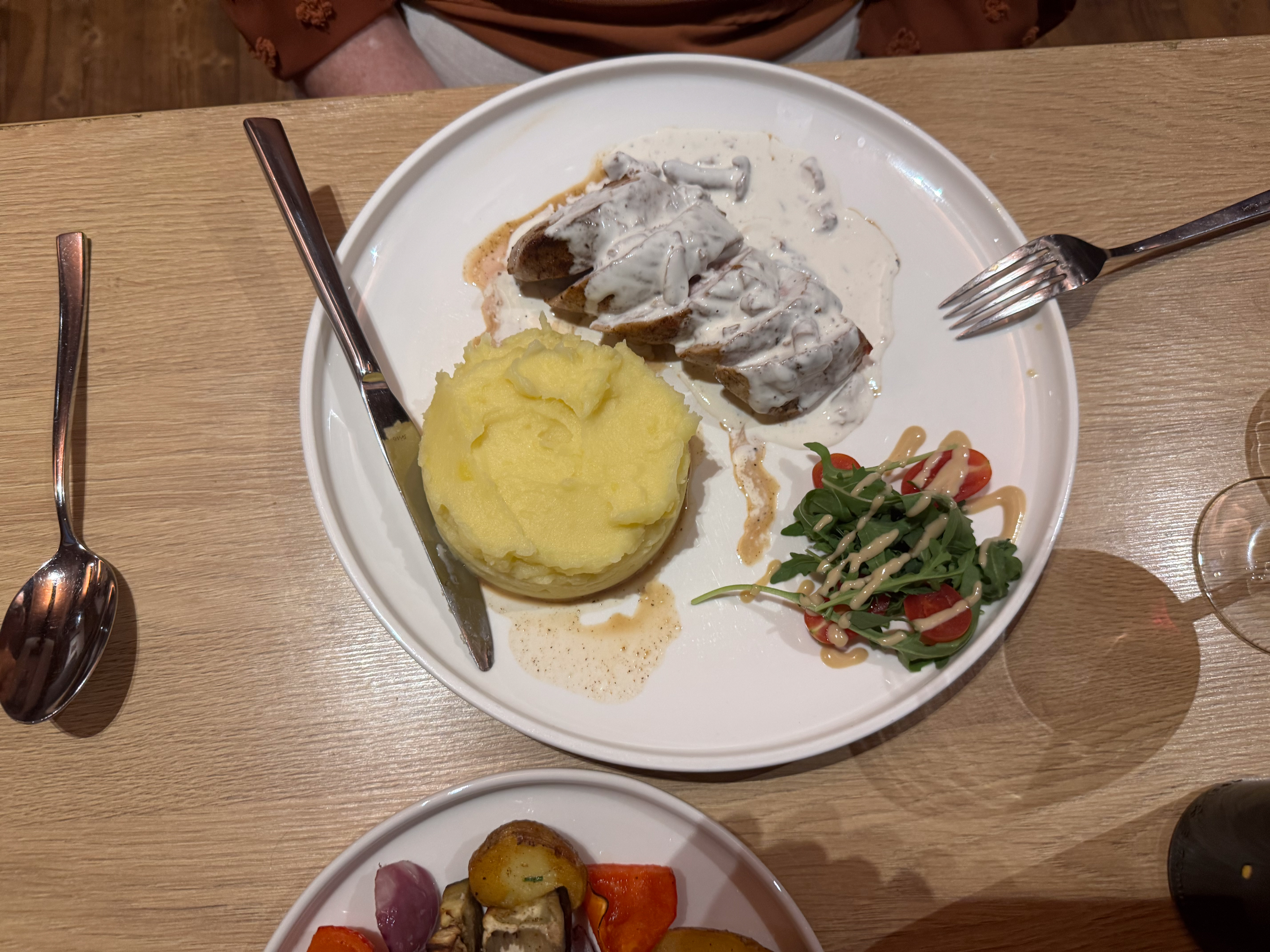
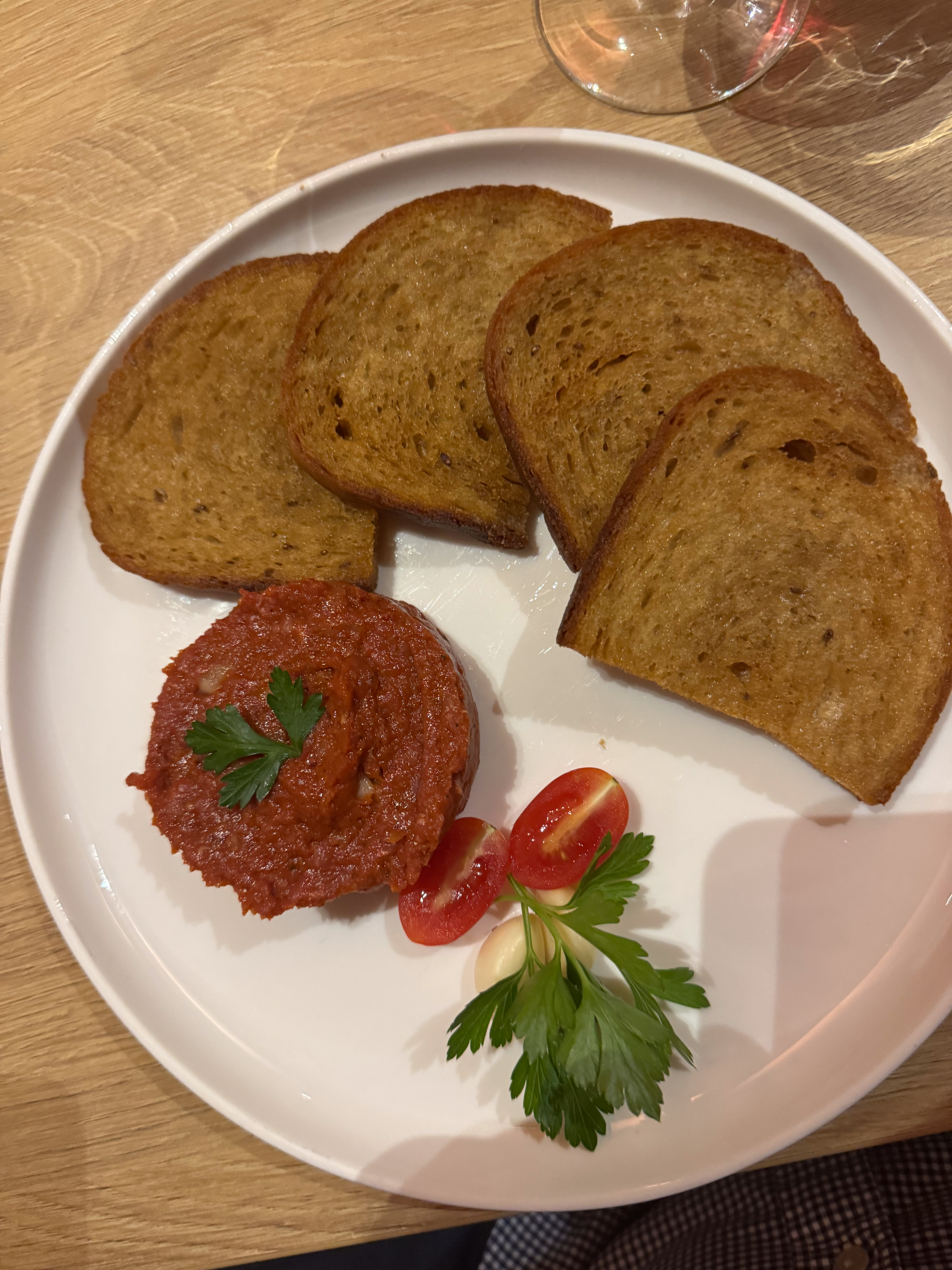
With the rain coming in we opted for a quiet afternoon before braving the conditions for a meal out. As it turned out rain in Prague means drizzle that hardly wet’s the ground. We went to a restaurant that was recommended called Zlate Casy. It was downstairs from the road and had been nicely renovated in a stone and brick style. Our waitress was efficient, if not a little stern. The food was excellent although the quantities were more than generous. The unruly children running back and forth through the restaurant were an unrequired bonus.
Until tomorrow!

 Rob's "Beats Working" Blog