
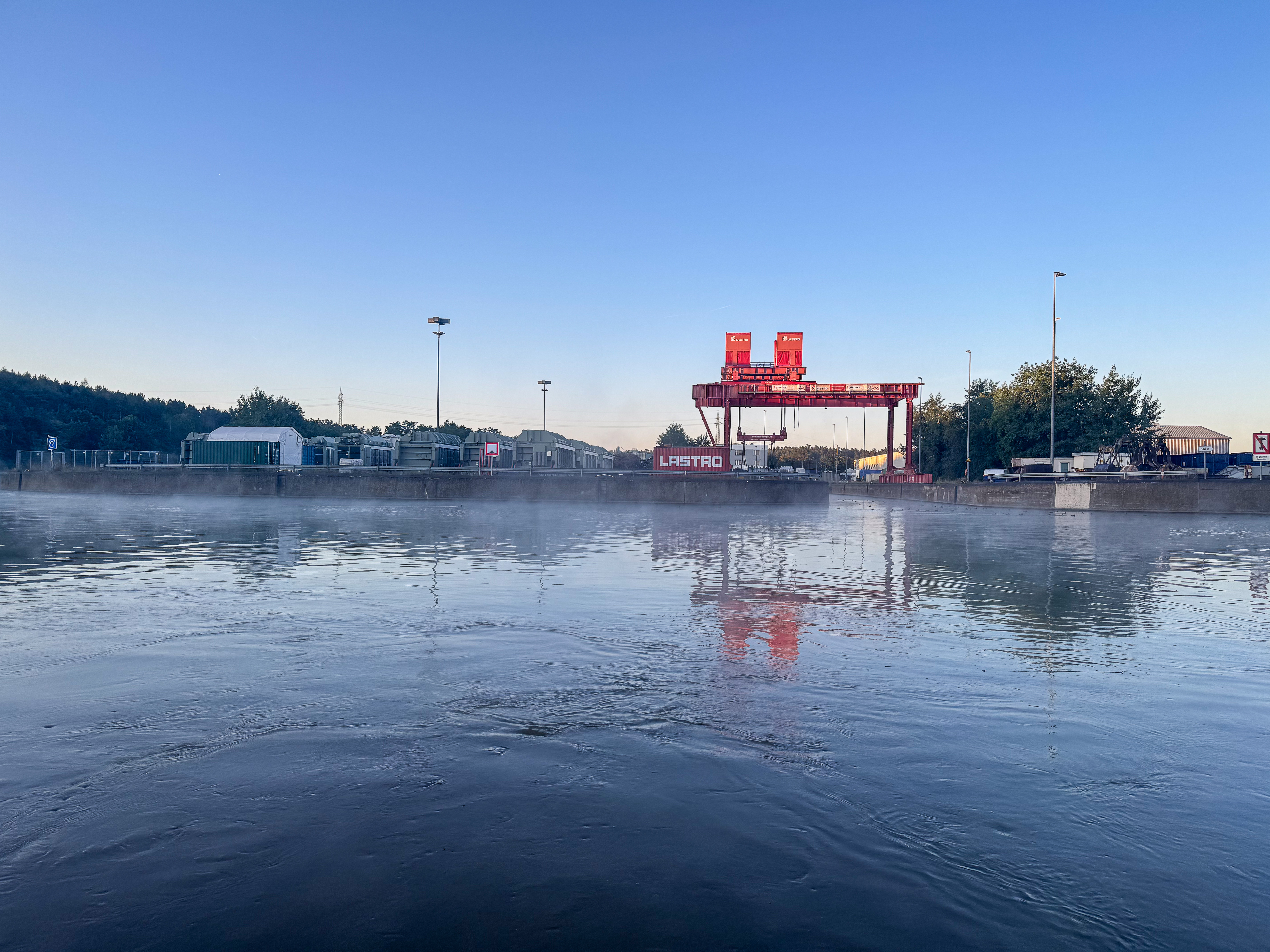
Once again we had another beautiful start to the day. Unfortunately, we needed to swap ships today, because the Danube River levels are a bit low between Nuremberg and Passau. This is not an insignificant endeavour, as it doubles the work for all the staff on both ships and involves a 200 km bus trip. The ship we’d travelled on so far would have to turn around and take the opposite group of passengers back to Amsterdam while we bussed to Passau to embark of the rest of our trip through to Budapest. All the staff chip in to make this work seamlessly, including all the bar staff and the band.
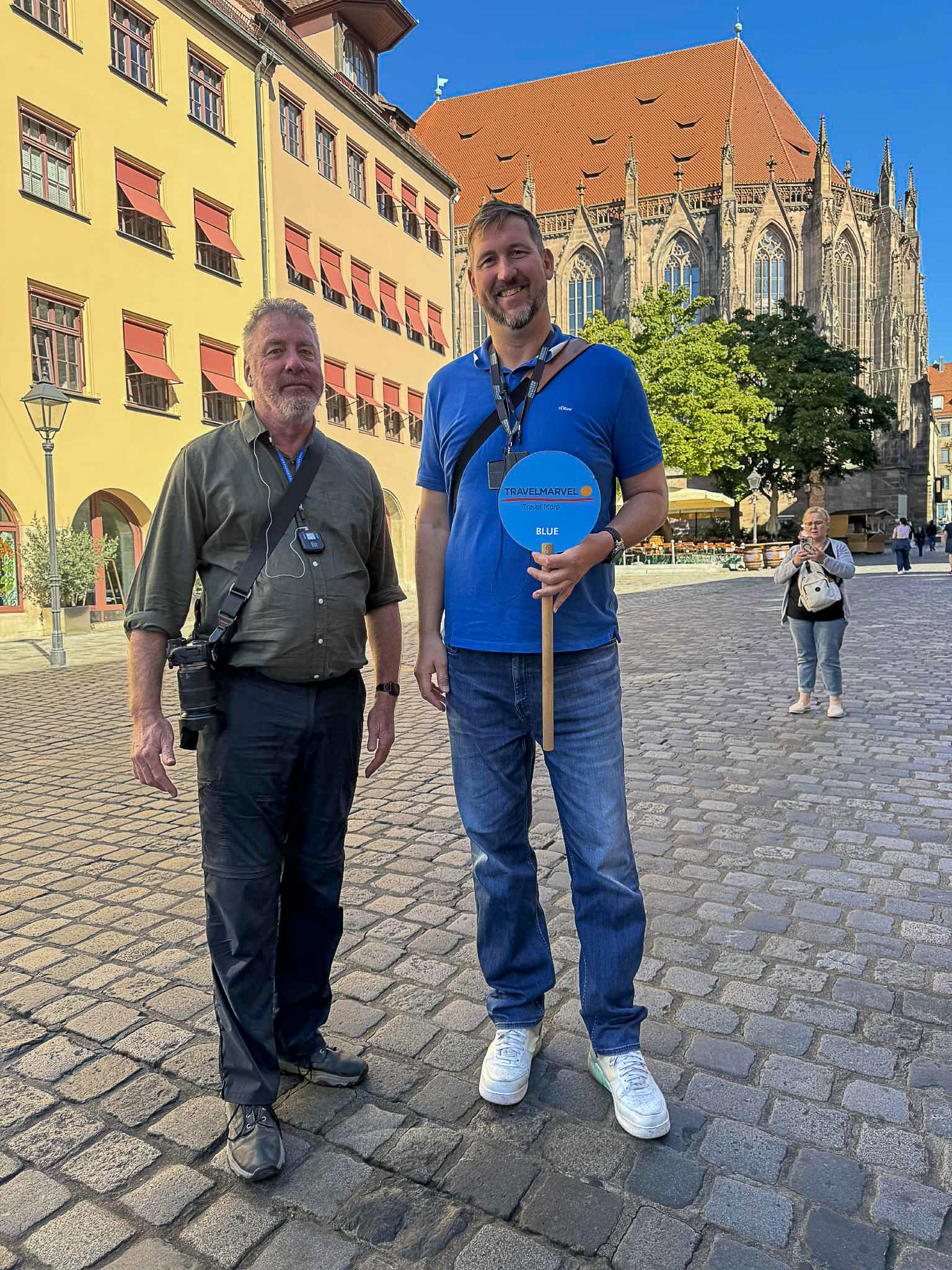
We met up with our guide, who incidentally was a 7ft 2in basketballer. There are not many people taller than me but…. we did share a moment laughing about ‘tall person questions’ – How tall are you? and did you play basketball?
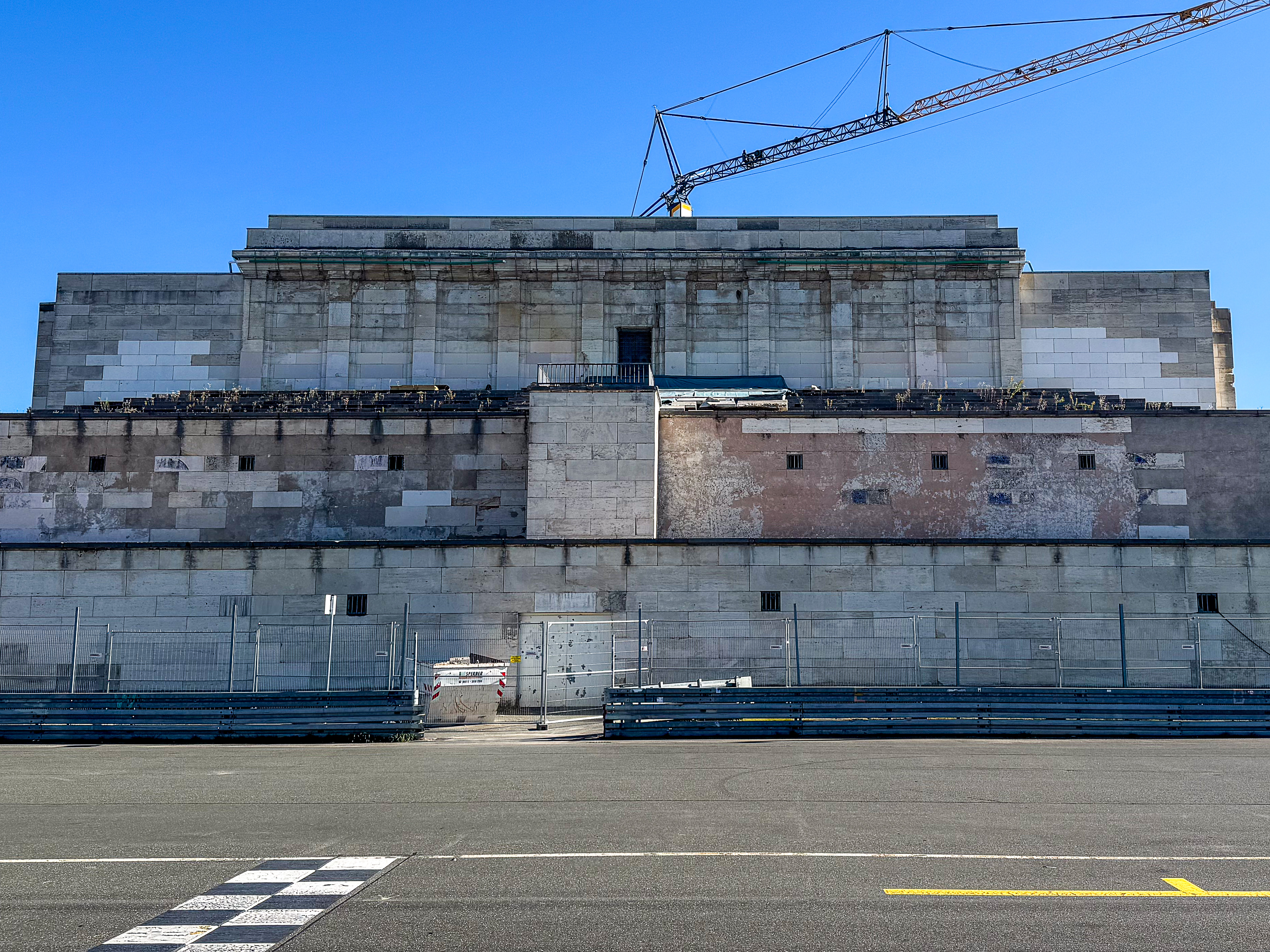
Nuremberg is a modern city of around 500,000 residents and has always been an industrial power house. It is home to global companies like Seimens and MAN diesel trucks, and has been a centre of manufacturing and energy production for many years, including during WW2. Nuremberg also held great significance during the 1930s, when the Nazi Party chose the city to be the site of huge Nazi Party conventions called the Nuremberg rallies. These rallies were held in 1927, 1929 and annually from 1933 through 1938. Some of these buildings still survived, although there is much debate in Germany about whether the cost of maintaining the Nazi Party grounds is economically sustainable, while others feel we shouldn’t forget. (pictured below)
From here we went to the centre of the old city where our guide directed us to the local cathedrals, on one of the few streets that survived the WW2 war bombing, which destroyed 95% of the city. He also recommended a shop where we could buy the local gingerbread, called Lebkuchen. It is full of nuts, so wasn’t for me, but Deb enjoyed it.
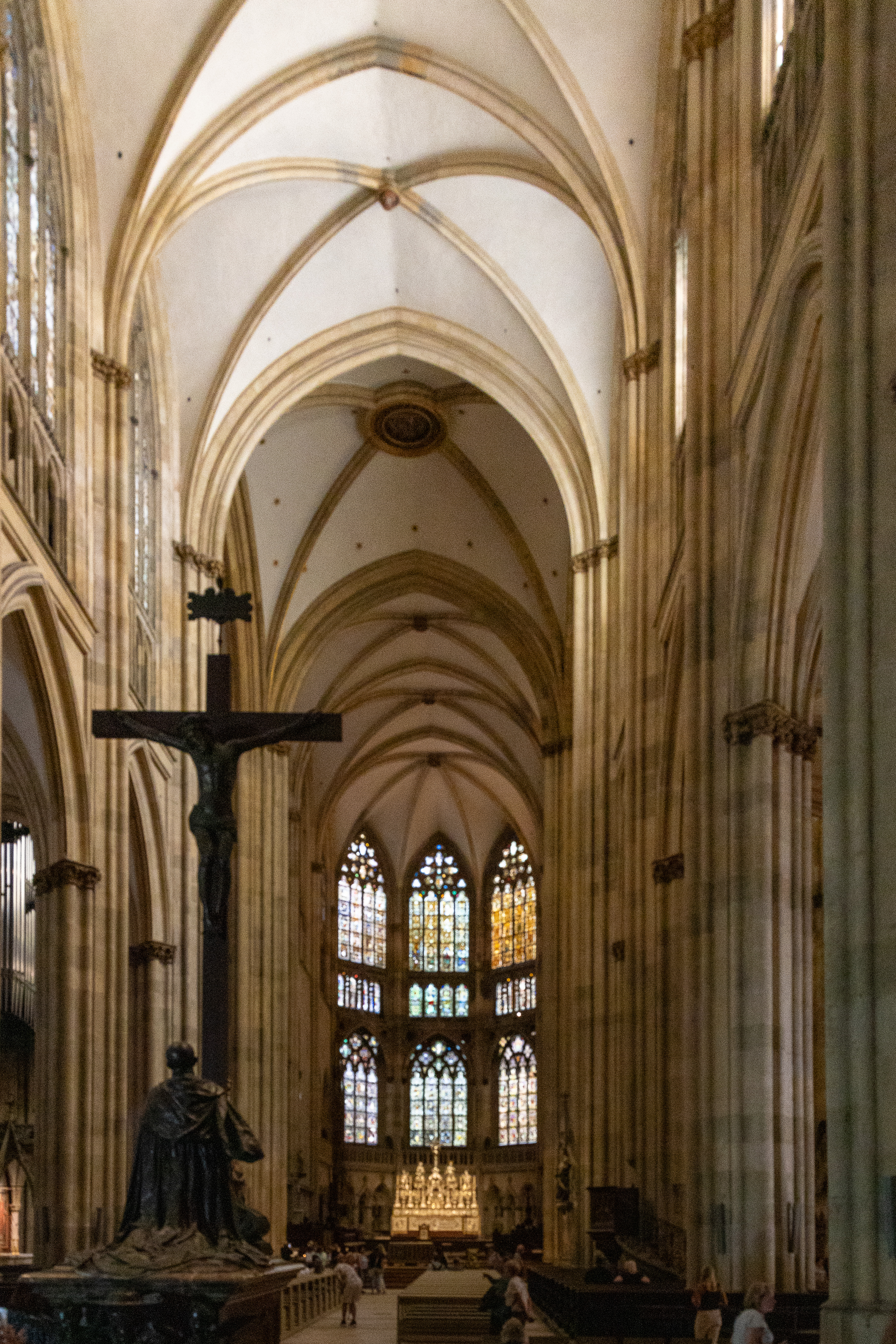
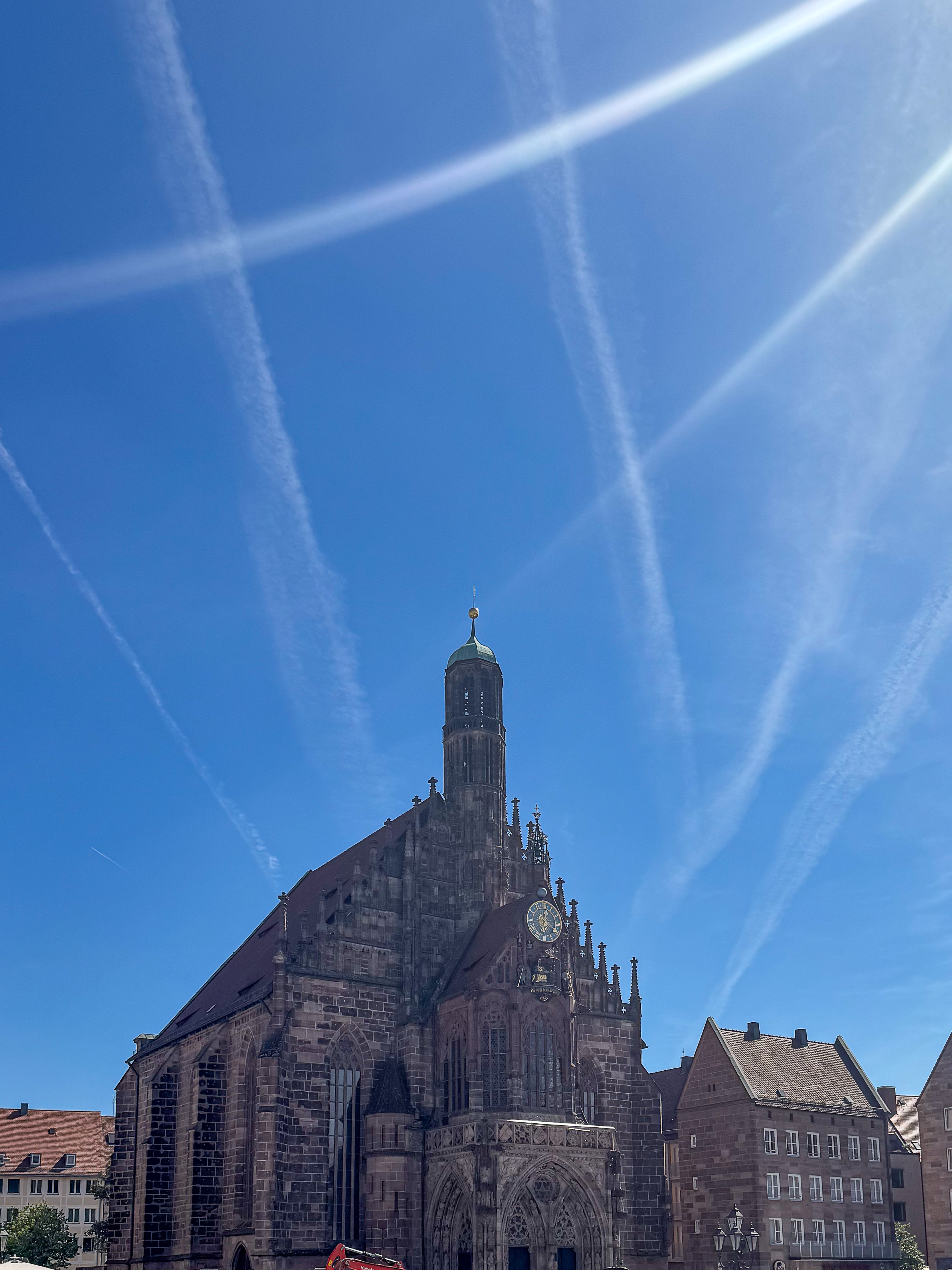
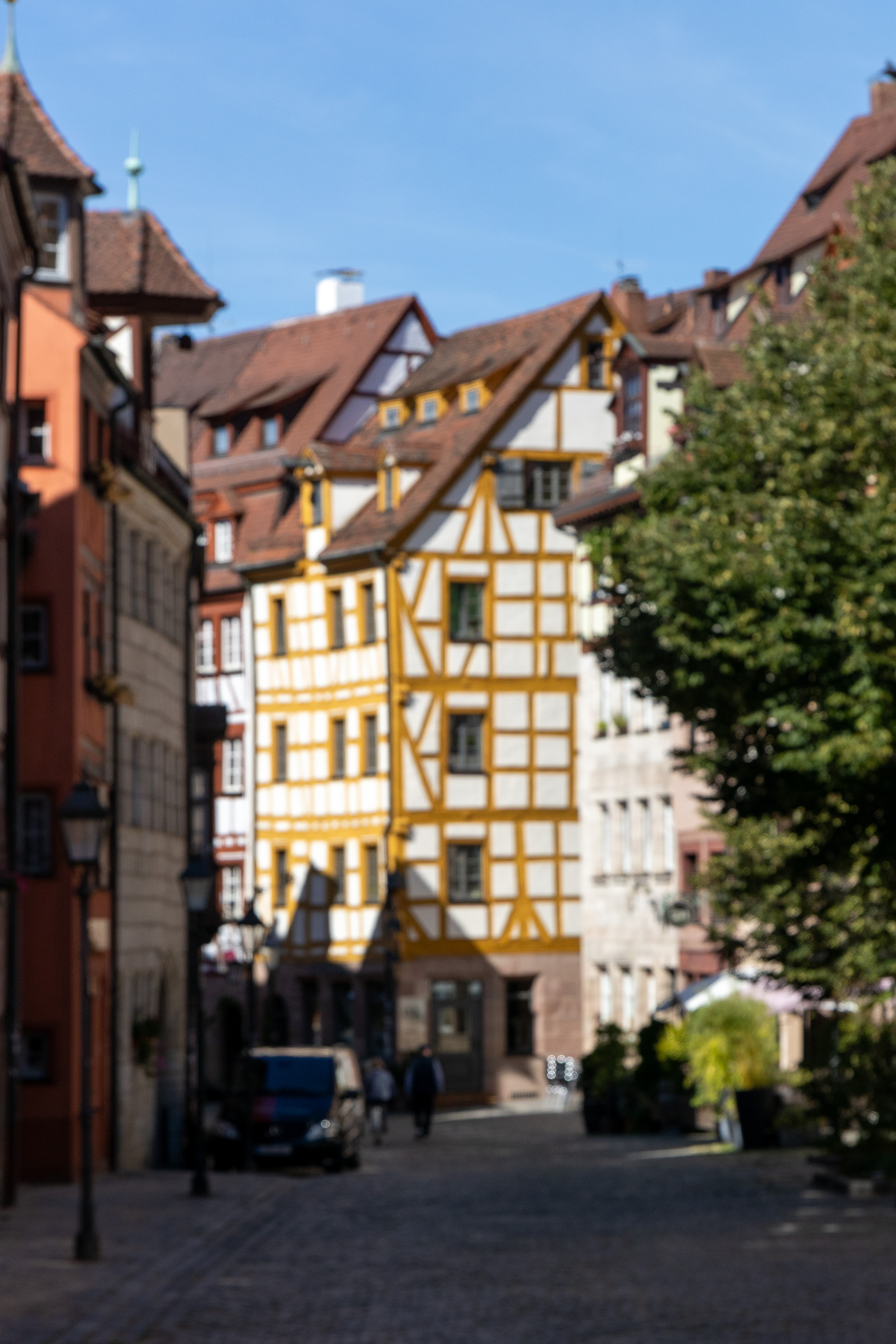
After a coffee it was time to get back on the bus and head to our next stop, that being the town of Regensburg, about 110 KM down the Autobahn.
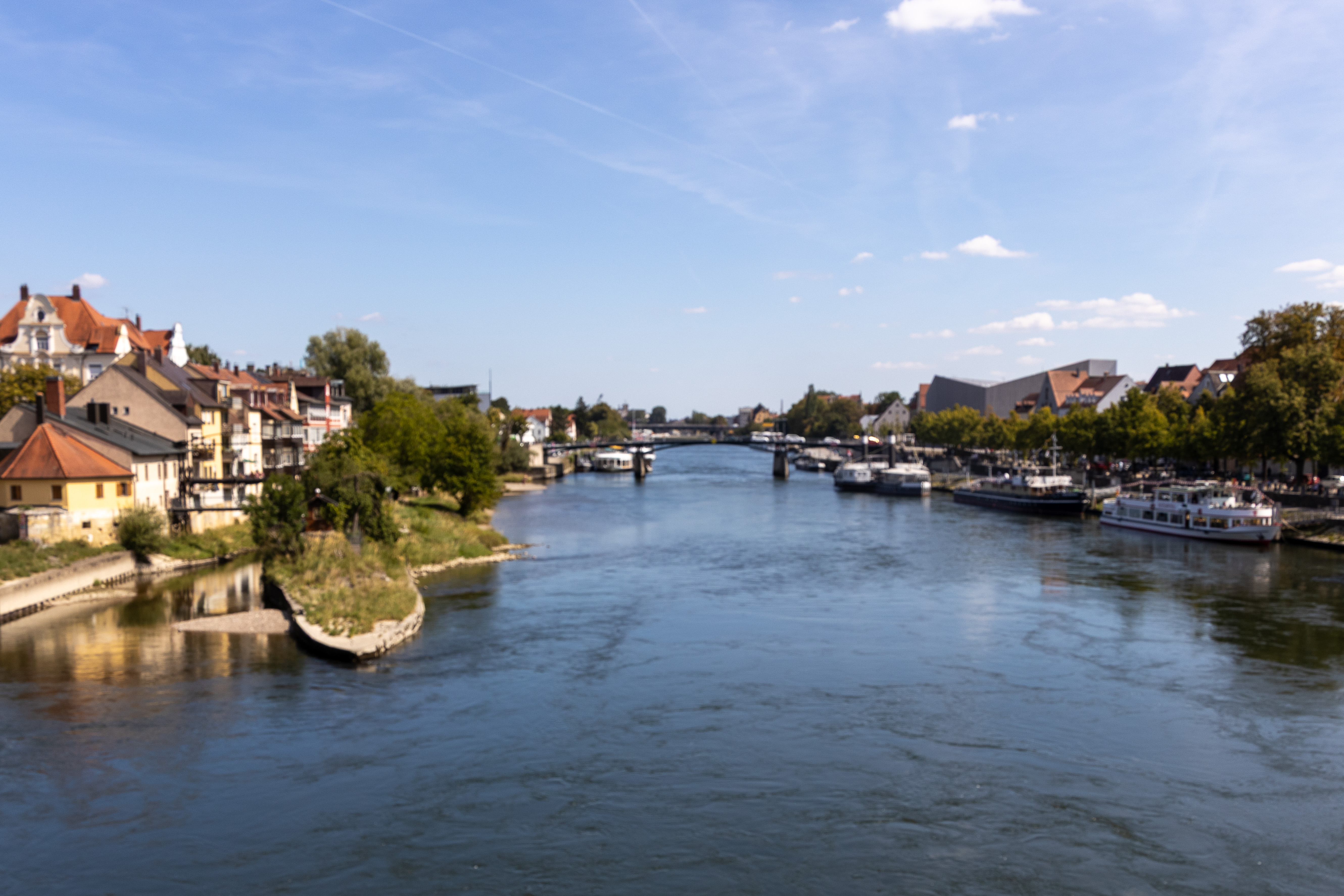
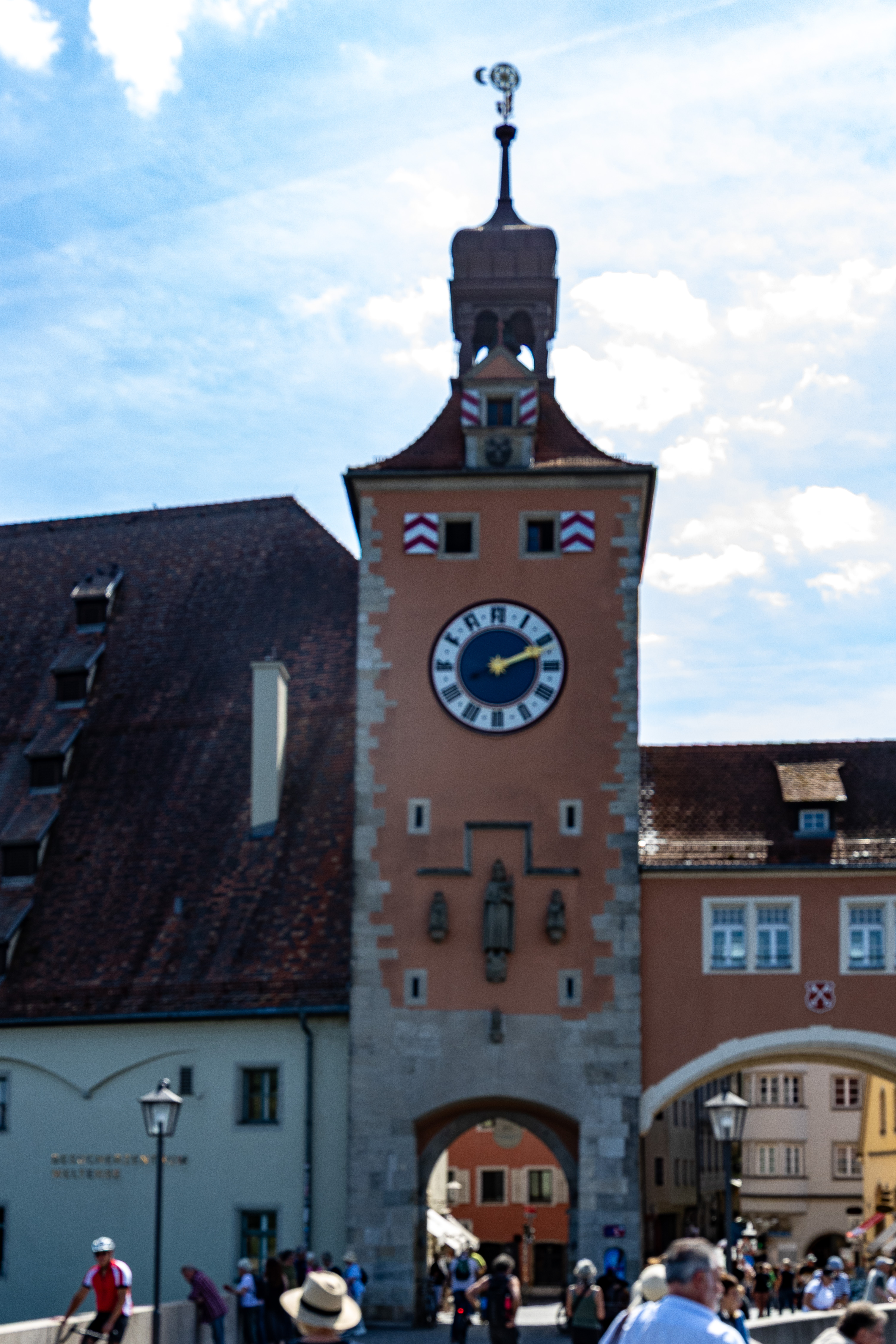
Regensburg is a city in eastern Bavaria situated at the Danube’s northernmost point. With more than 150,000 inhabitants, Regensburg is the fourth largest city in the State of Bavaria. From its foundation as an imperial Roman river fort, the city has been the political, economic and cultural centre of the surrounding region. It is famous for it’s stone bridge that is the oldest bridge still in use in Germany, dating back some 900 years. We had about 2 hours to explore, so we located the cathedral and a few other sights before finding a beer garden to enjoy a bratwurst followed by an apple strudel.
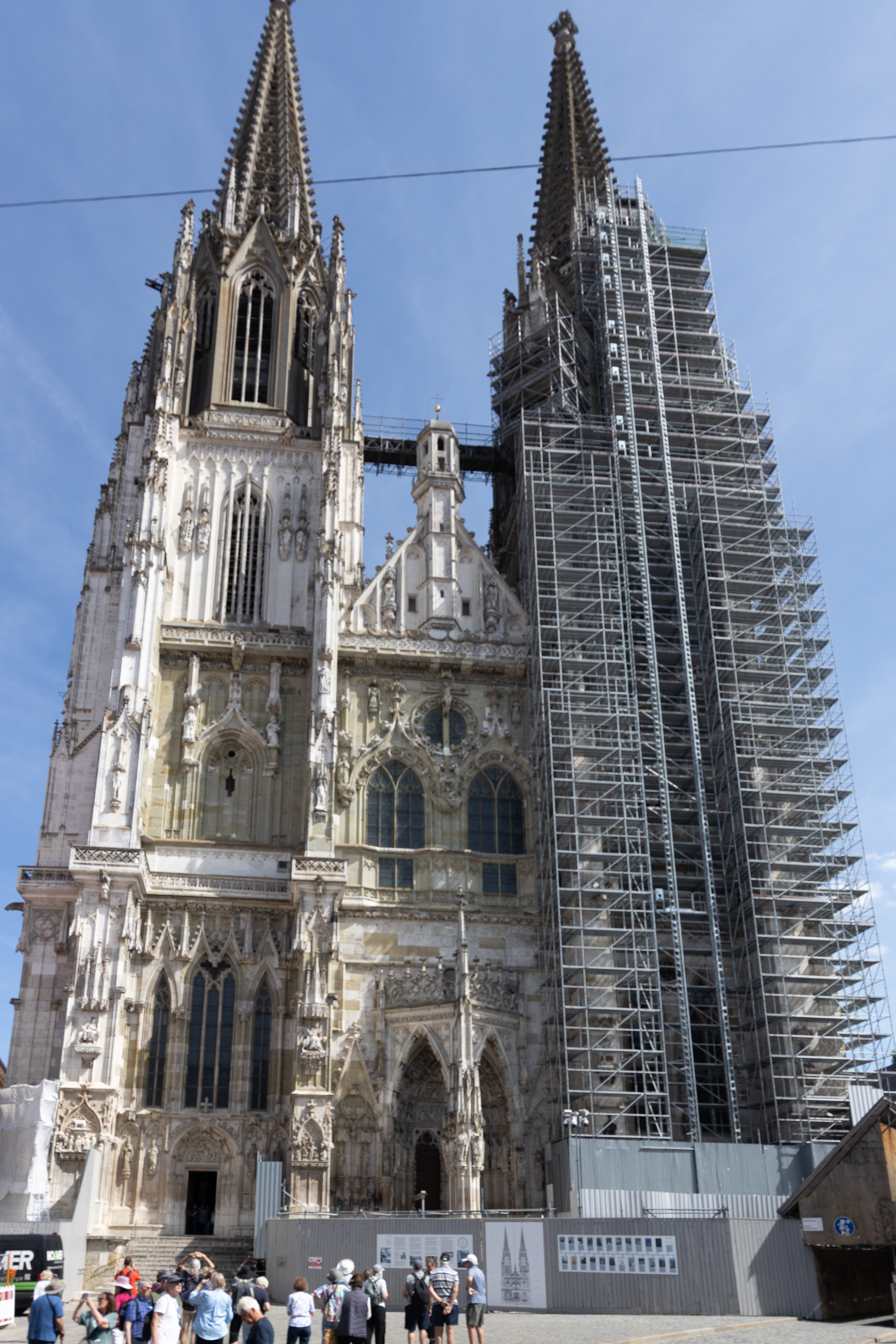
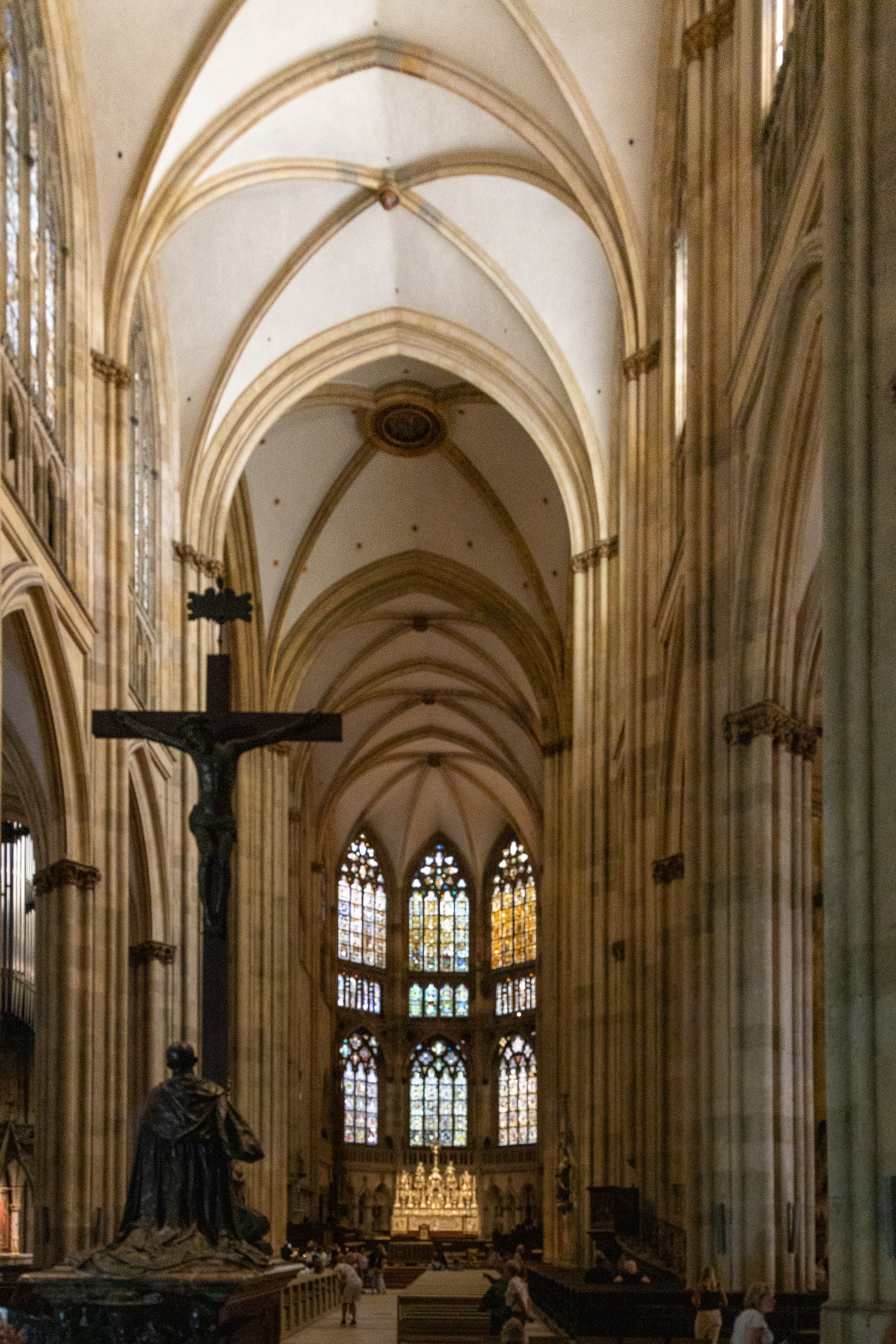
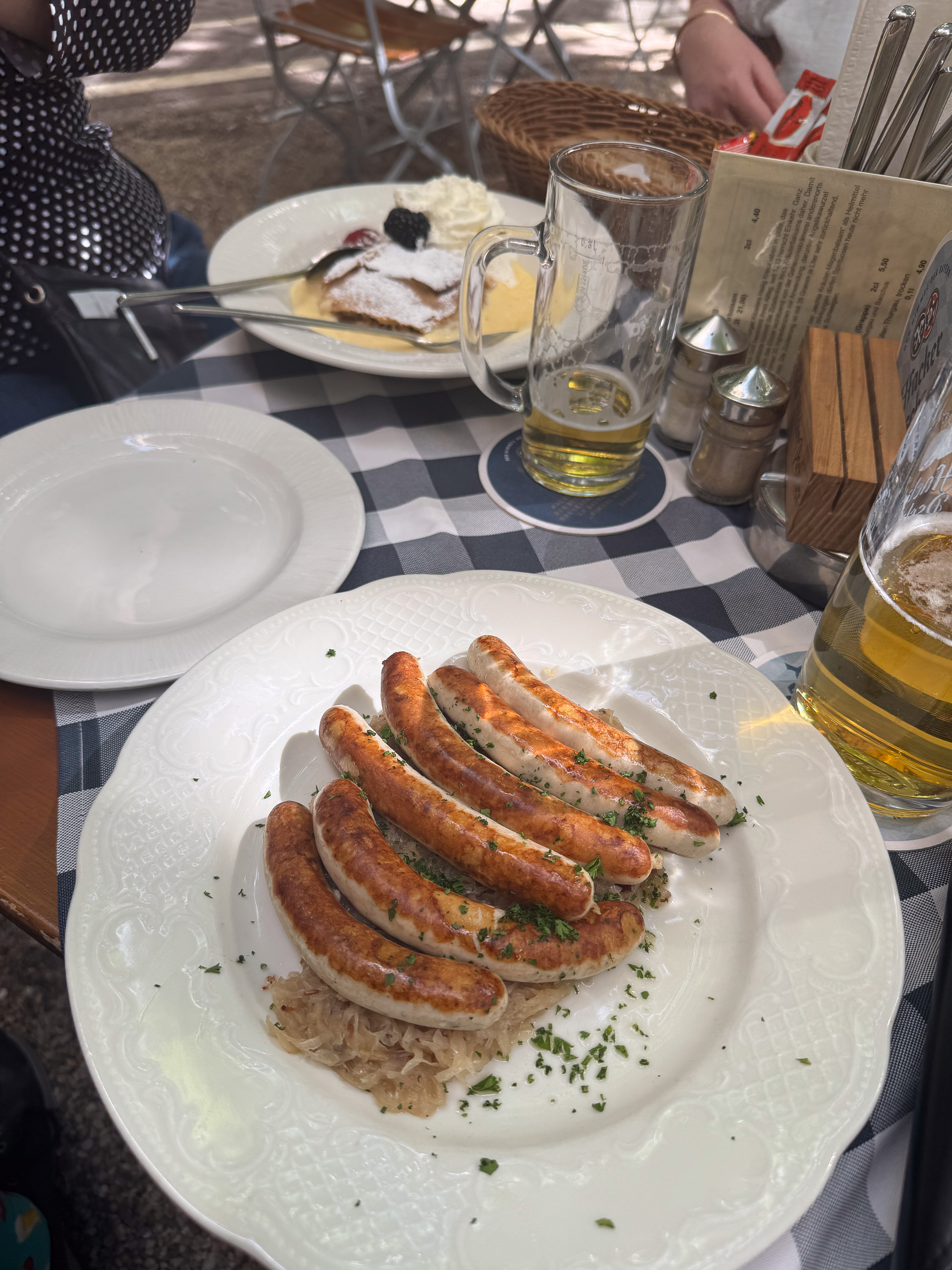
We rejoined the bus and were driven the rest of the way to meet our new ship, which was another hour of driving. The landscape had changed from the flatter farming land of the Rhine and Main rivers to rolling green hills a bit more reminiscent of New Zealand, and a bit more in-line with what I’d expected of Bavaria.
Until tomorrow.

 Rob's "Beats Working" Blog