
When we woke up this morning the ship was still moving. There had been a few more ‘bumps in the night’ as we traversed more locks as we continued to proceed upstream on the Main River. We docked after breakfast and found our bus that would take us on our city tour of Wurzburg, which is another university town of around 130,000 people with 30,000 of those being students.
We started our tour at the Wurzburg Residence, which was the home of the Catholic Bishop until Napoleon arrived in the early 1800s. The residence is a magnificent property, but is now only inhabited by some housekeepers. With more than 300 rooms to look after they are kept busy.
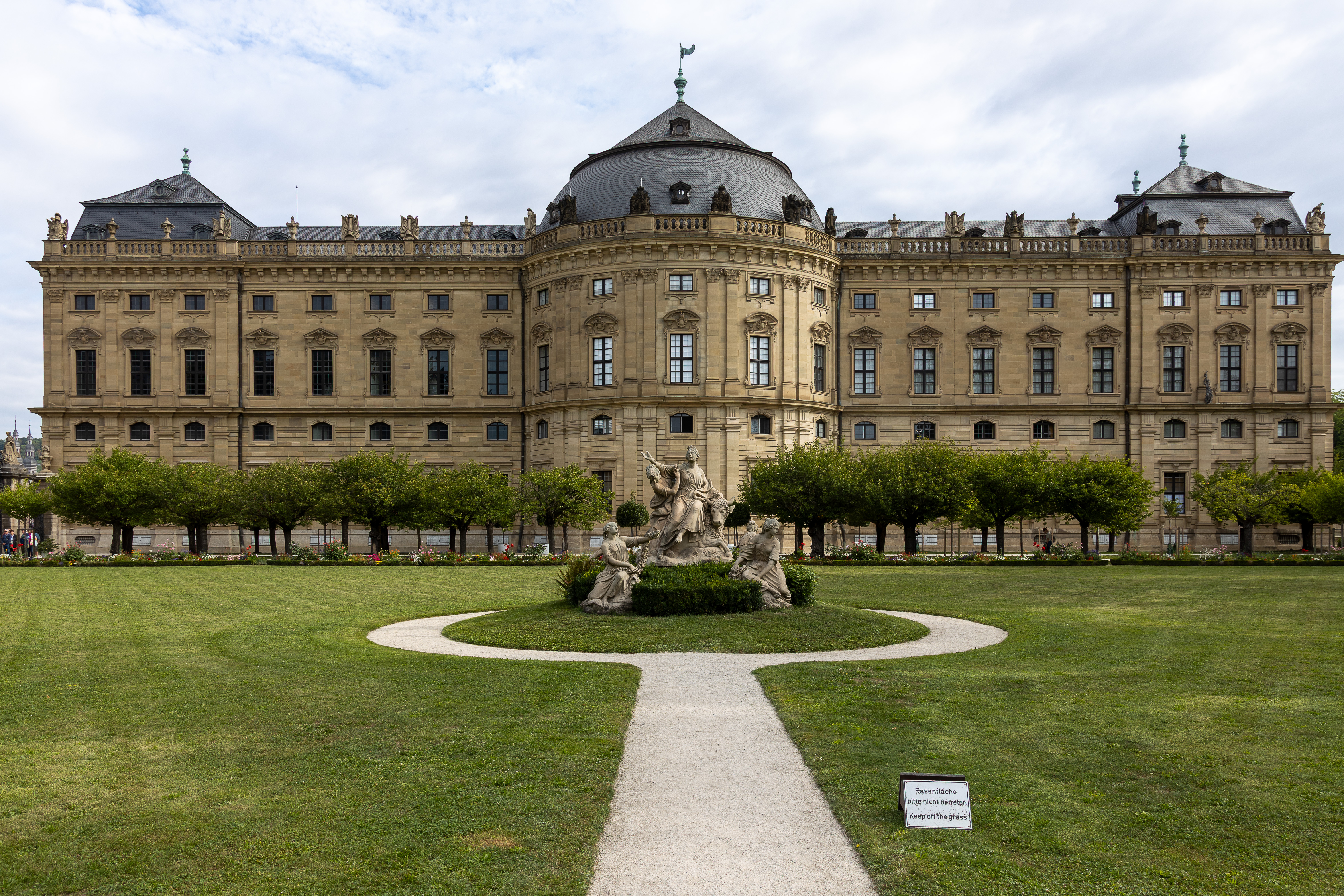
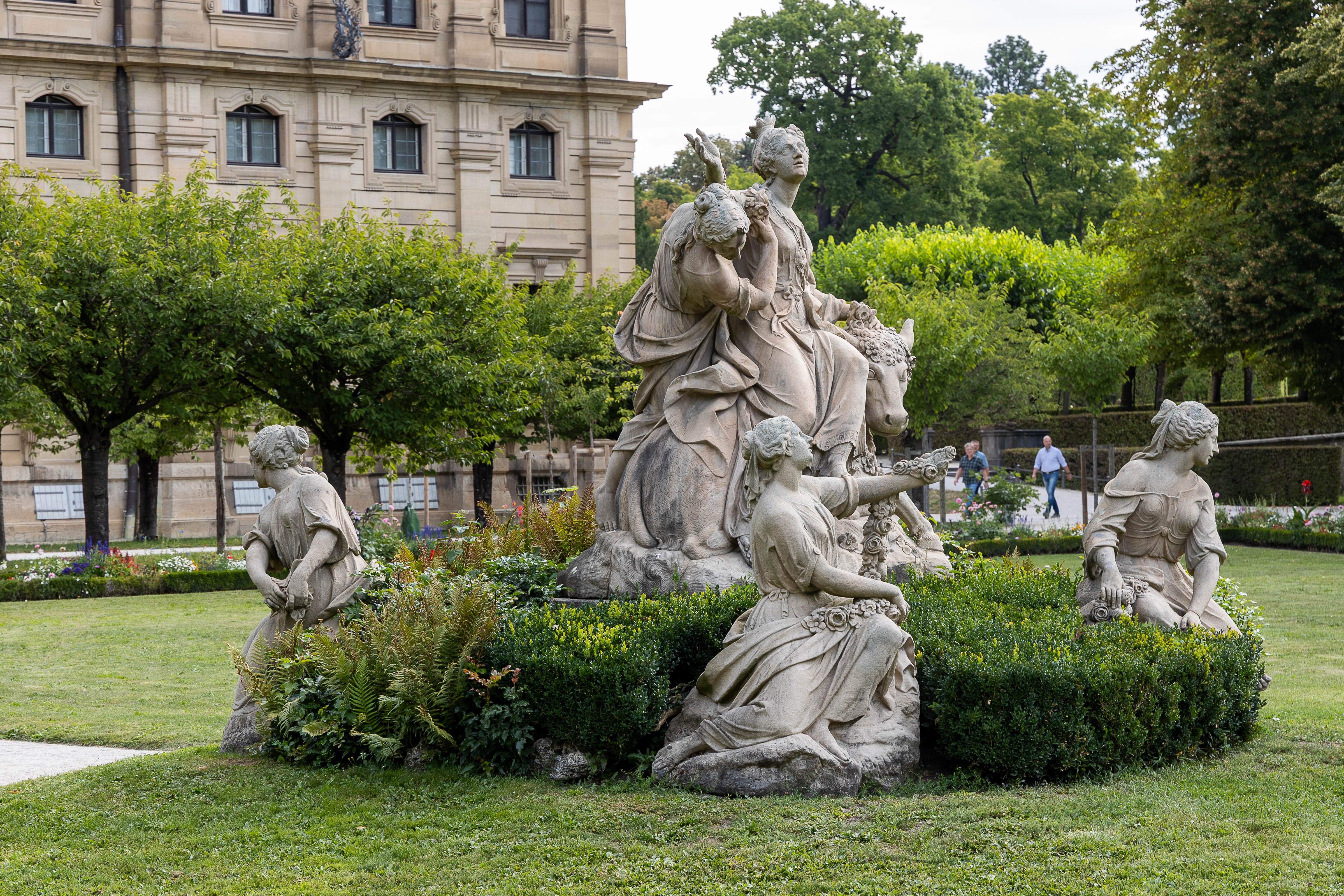
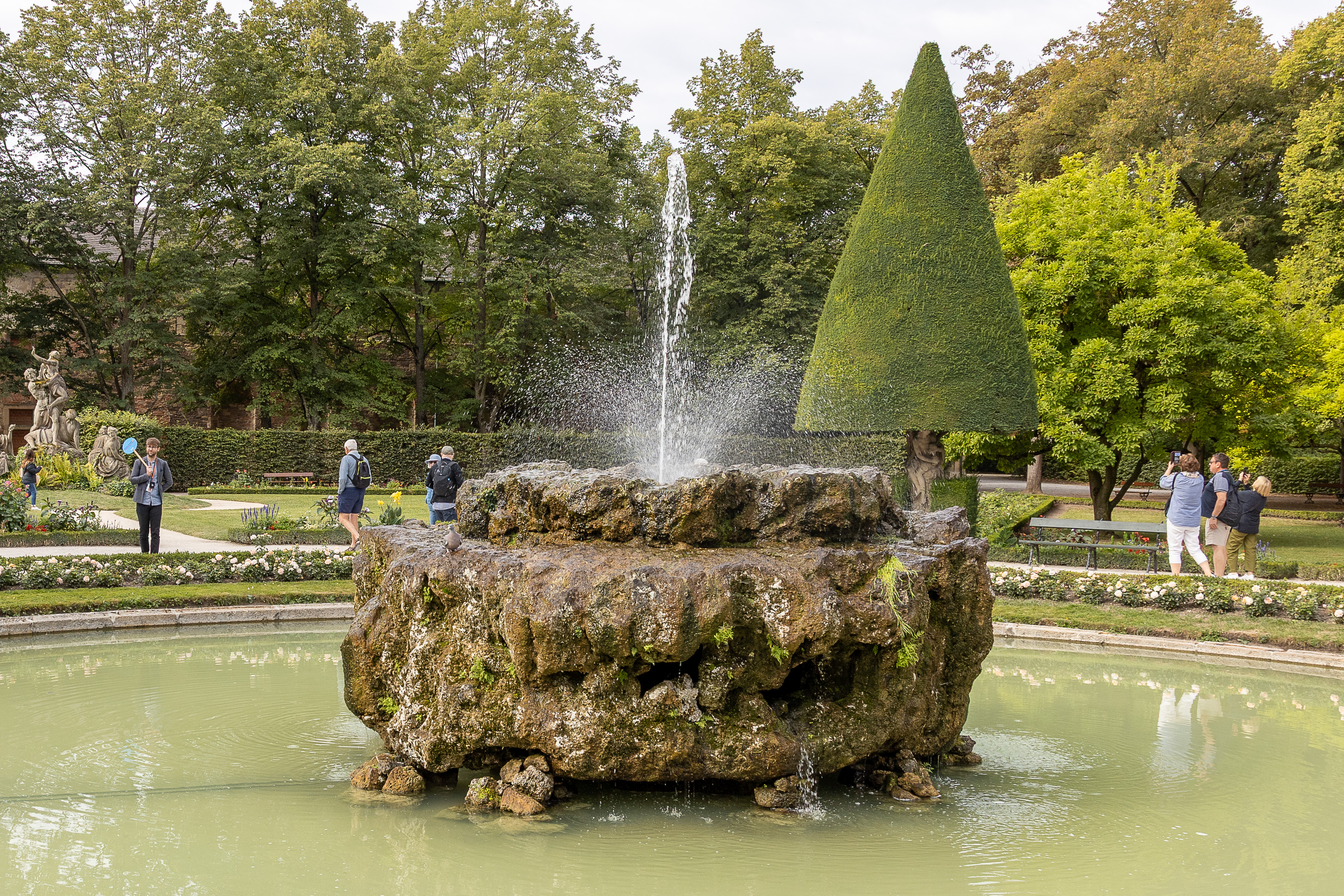
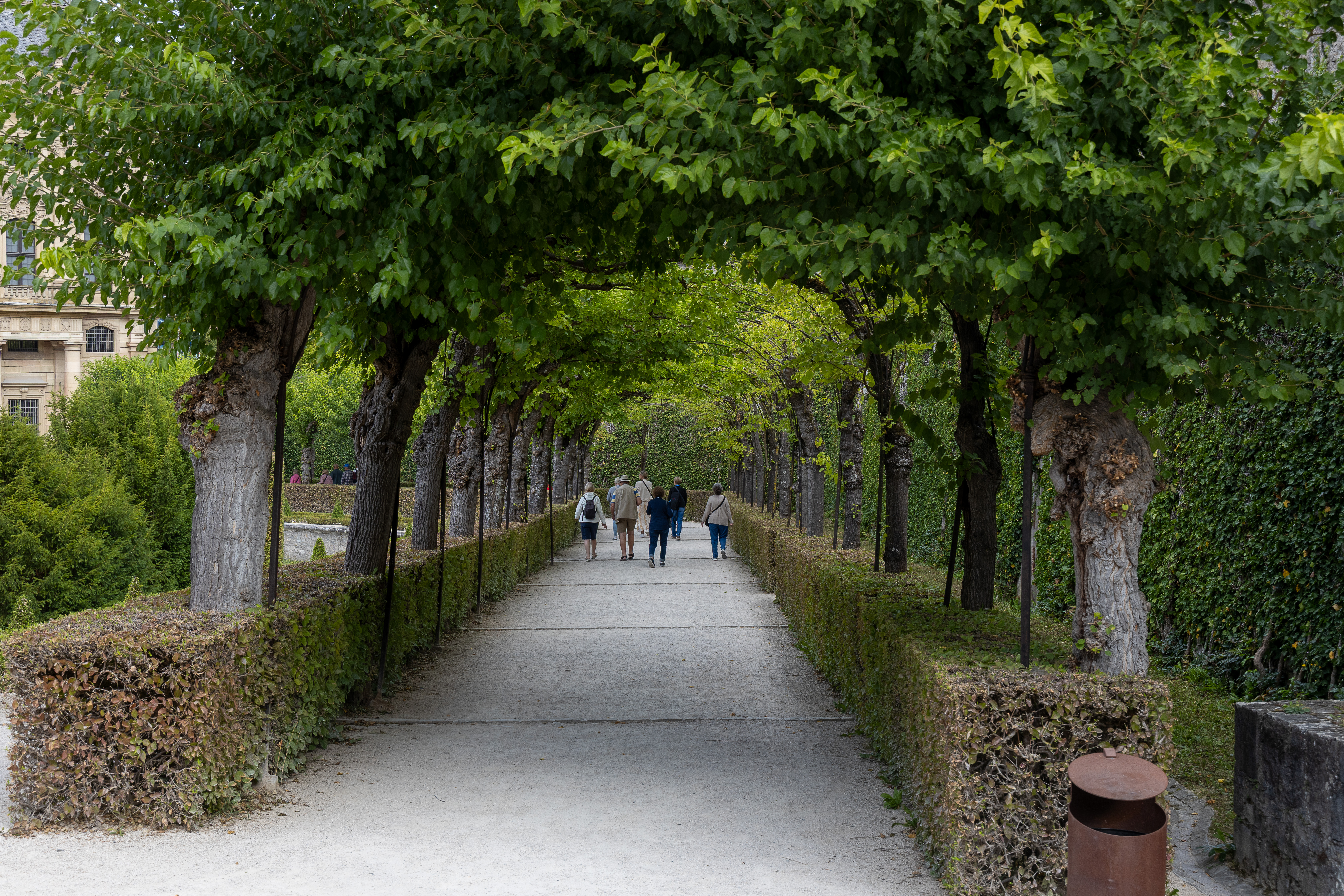
The gardens are arranged to mimic French, Italian and English gardens. The fragrance from the gardens provides great ambience as you wander through them. While not quite Versailles, they are very impressive nonetheless.
As we walked through the rest of the old city which included cathedrals dating back to the twelfth and thirteenth centuries, our guide explained that just a mere 7 weeks before the end of the Second World War, about 90% of the city was destroyed in 17 minutes by bombing from 225 British Lancaster bombers during an air raid. Würzburg became a target for its role as a traffic hub and to break the spirit of the population. The city’s churches, cathedrals, and other monuments were heavily damaged or destroyed and the city centre, most of which dated from medieval times. Over the next 20 years, the buildings of historical importance were painstakingly and accurately reconstructed. The citizens who rebuilt the city immediately after the end of the war were mostly women because the men were either dead or still prisoners of war.
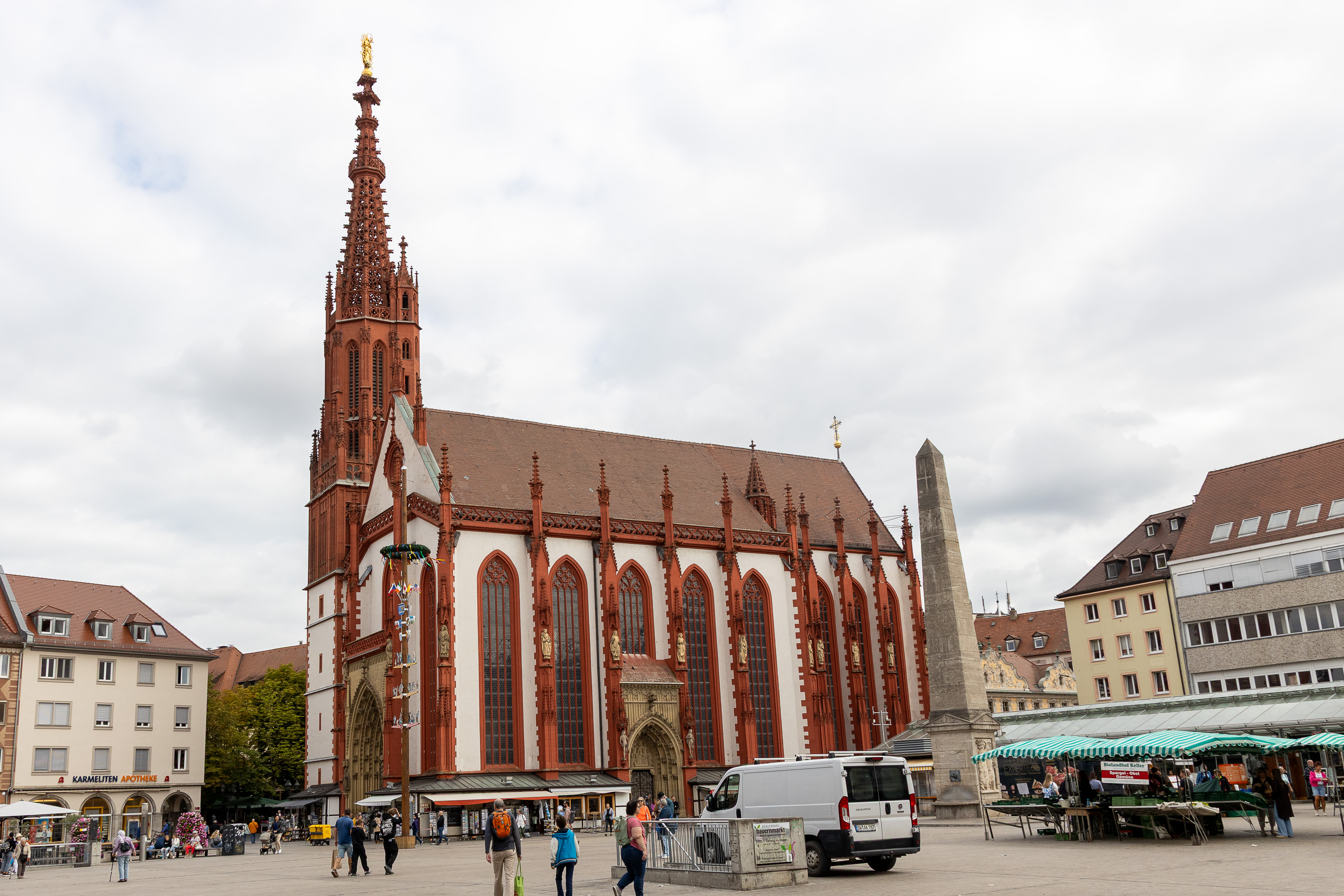

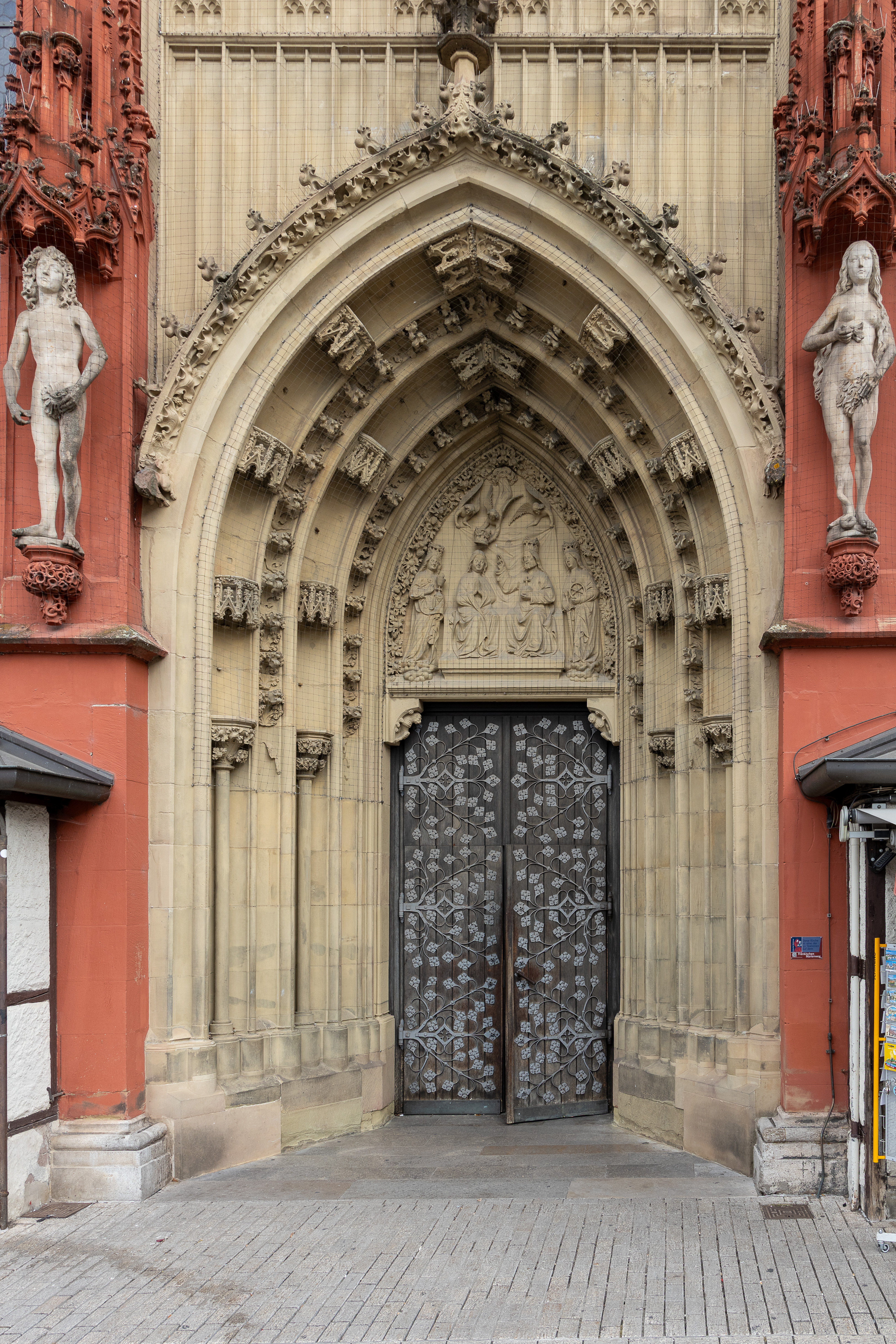
We stopped for coffee before returning to the ship for lunch, prior to getting on the bus again, but this time heading for the small town of Rothenburg, which is well known for its well-preserved old town, a destination for tourists from around the world. Today it is one of only four towns in Germany that still have completely intact city walls.
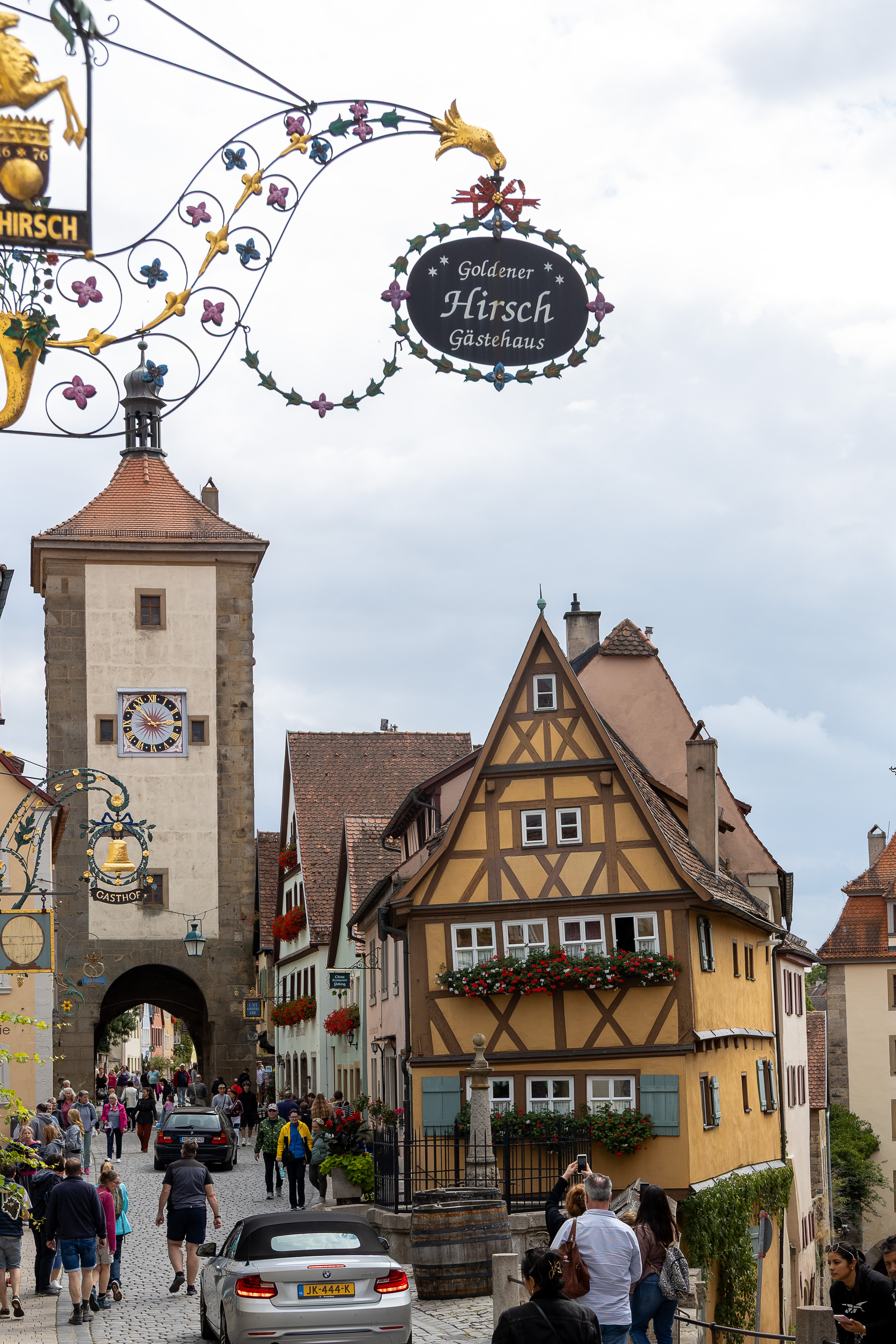
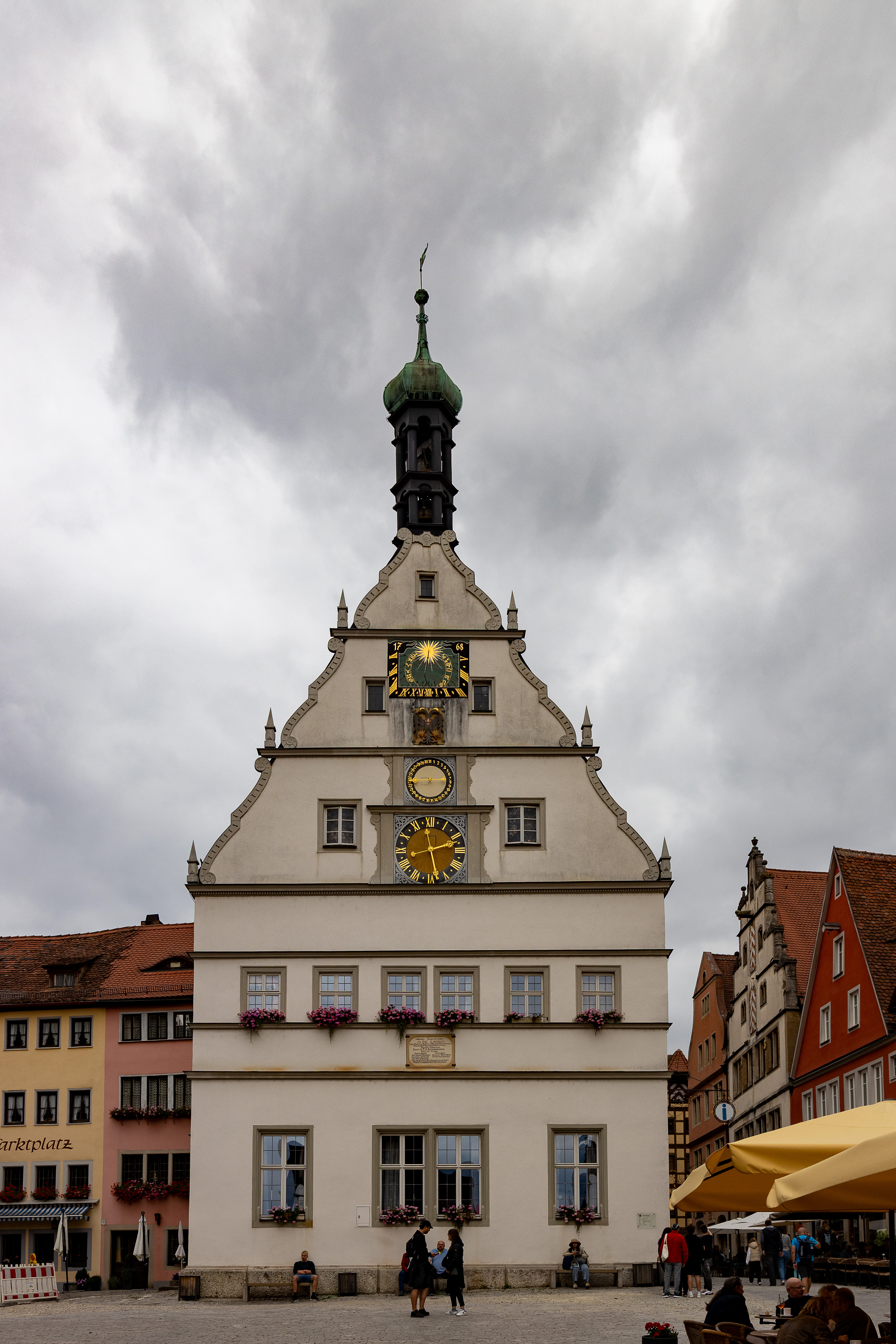
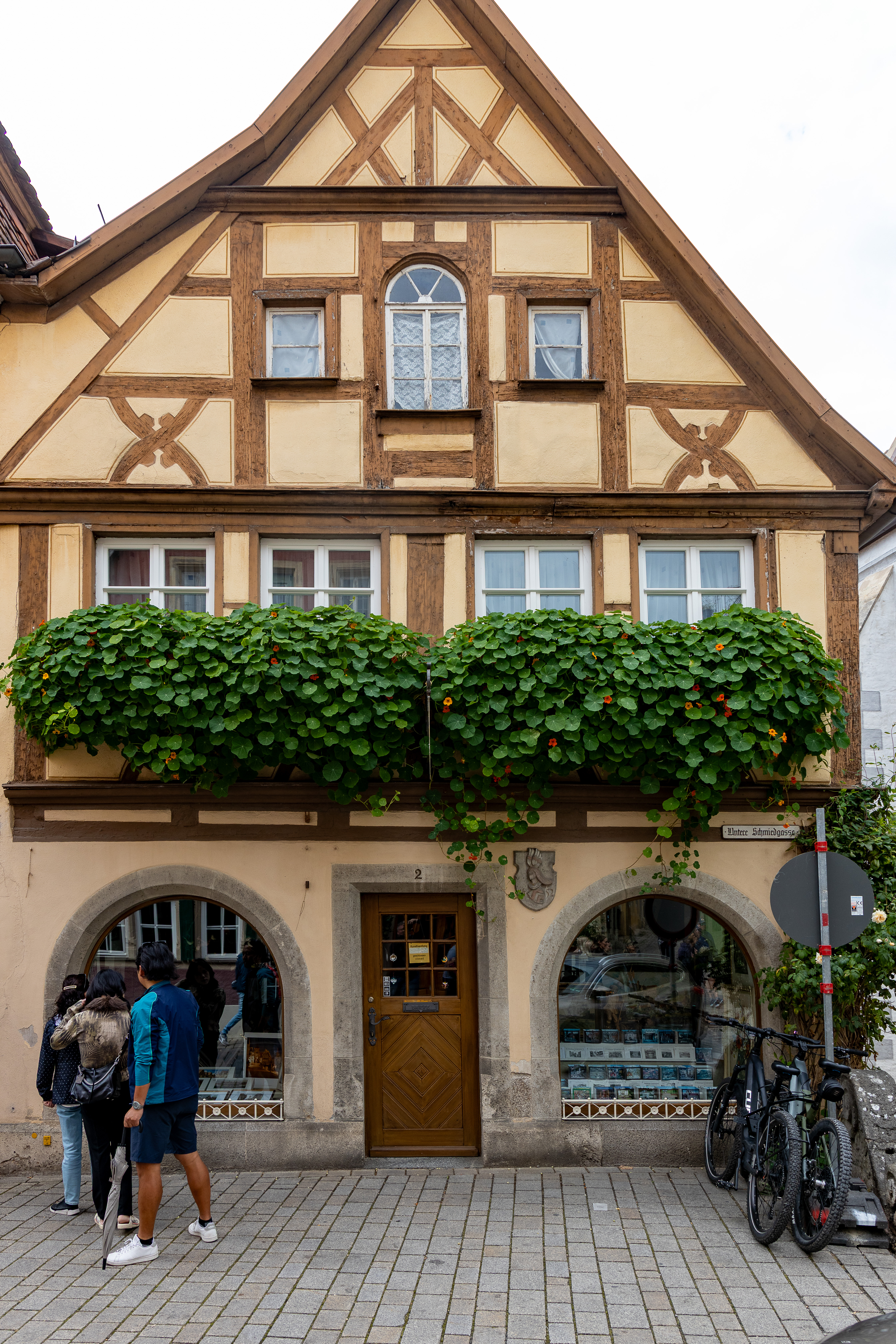
We had an hour to explore the city which would not have been here had it’s commanding officer followed Hitler’s orders to fight on. After an air raid that destroyed about 30% of the town’s houses, the German commander surrendered on the condition that the town would be preserved.
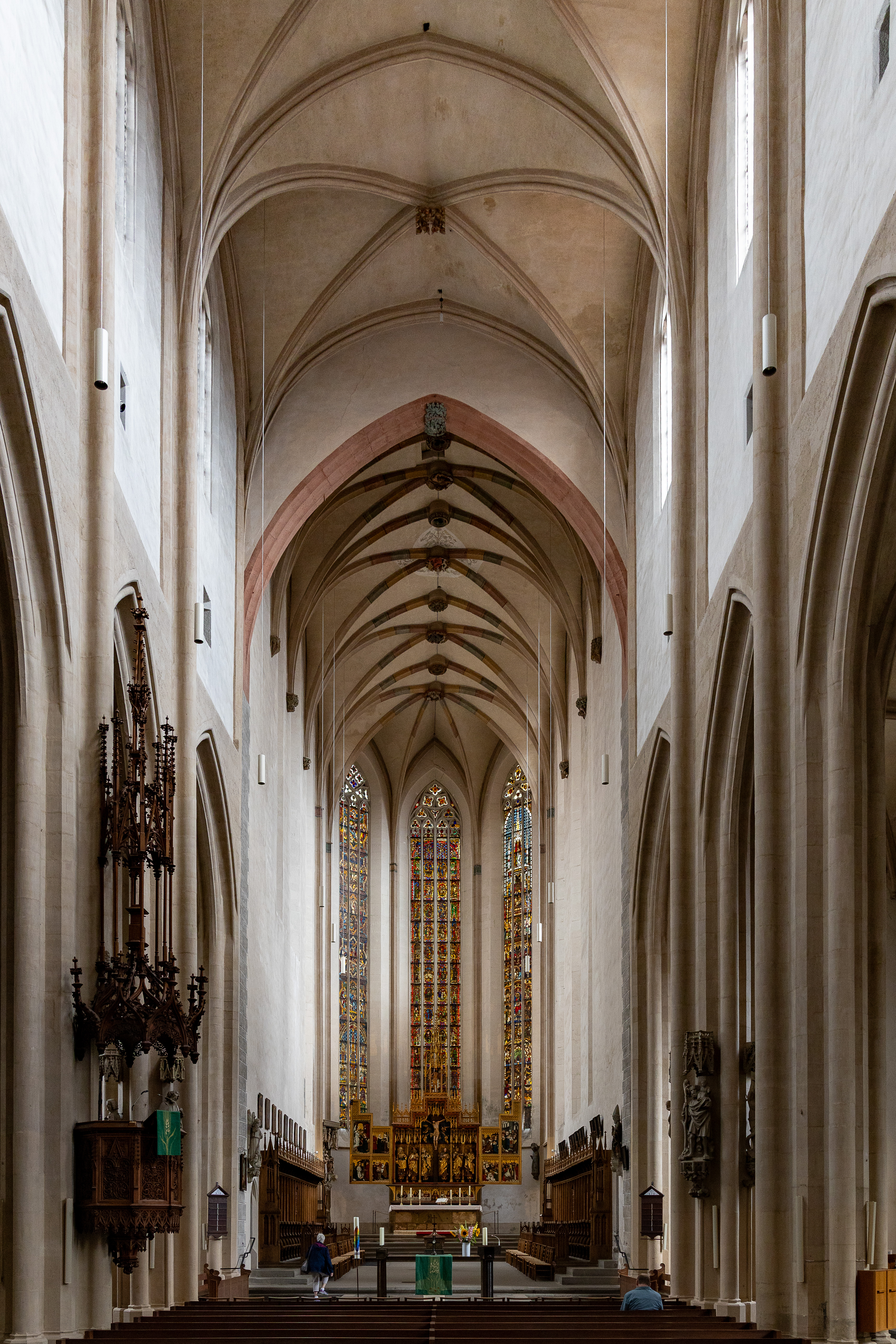
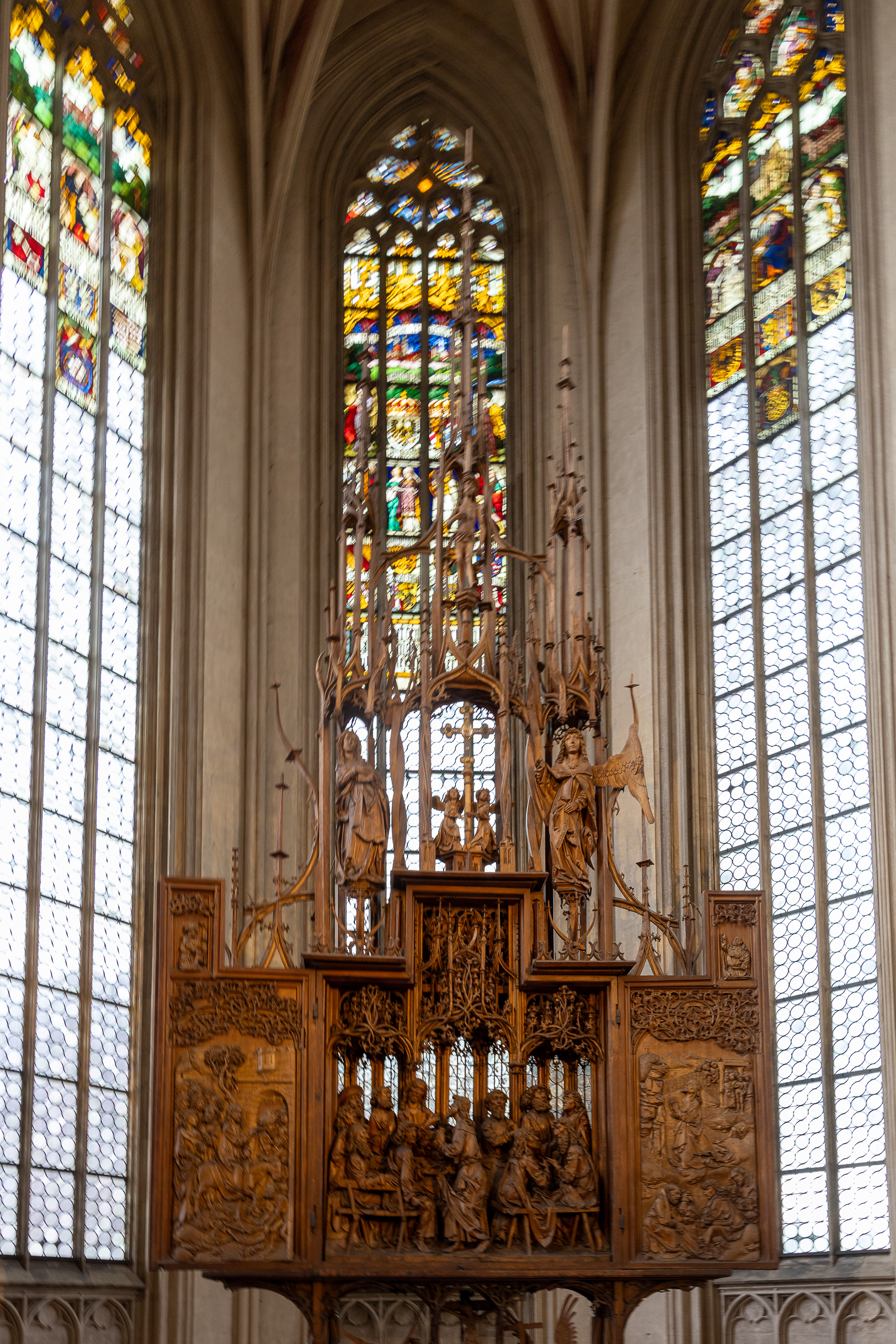
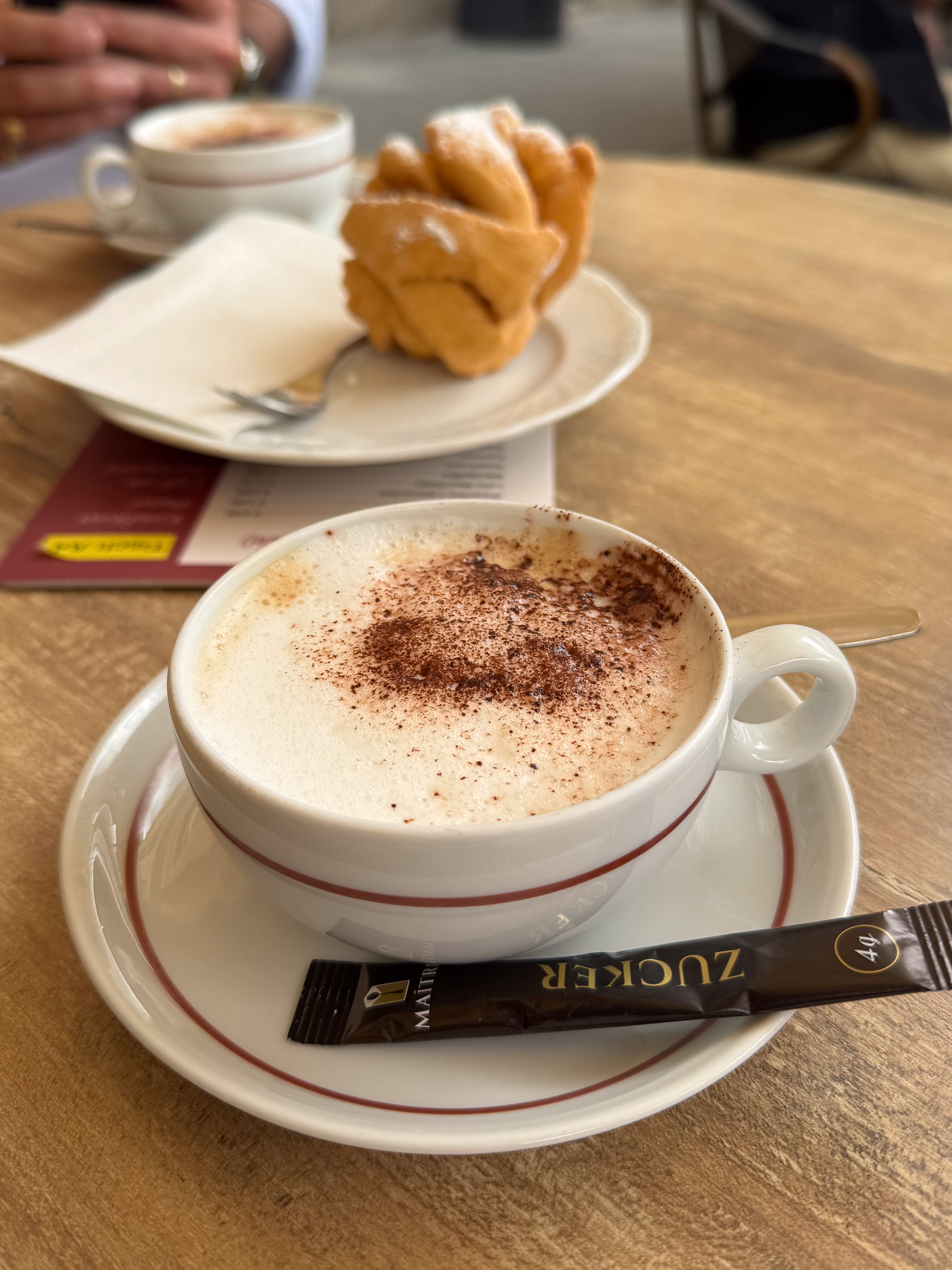
Our exploration of the town found an impressive church and then we ended with having coffee and sharing a snowball, which is a local item that is like pastry with a dusting of icing sugar. I found the snowball suitably underwhelming.
We then had an hour on the bus, which our very entertaining guide, Victoria made pass quickly. She had kept the day quite light, but selling the passengers drinks helped pass the time quickly. She also shared some interesting comparisons… like the state of Bavaria has a population of about 13 Million in a space similar to the size of Tasmania.
Until tomorrow!

 Rob's "Beats Working" Blog