
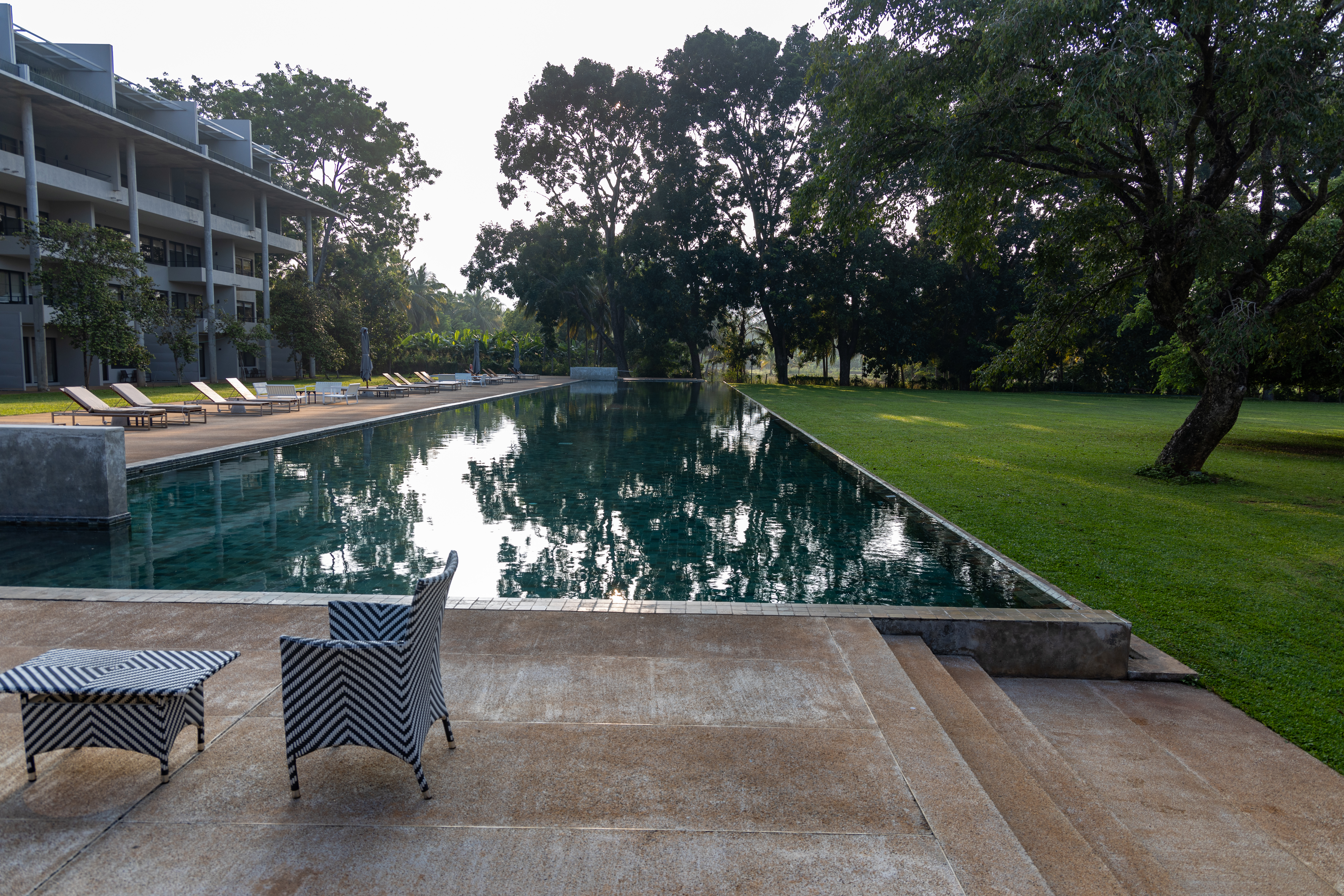
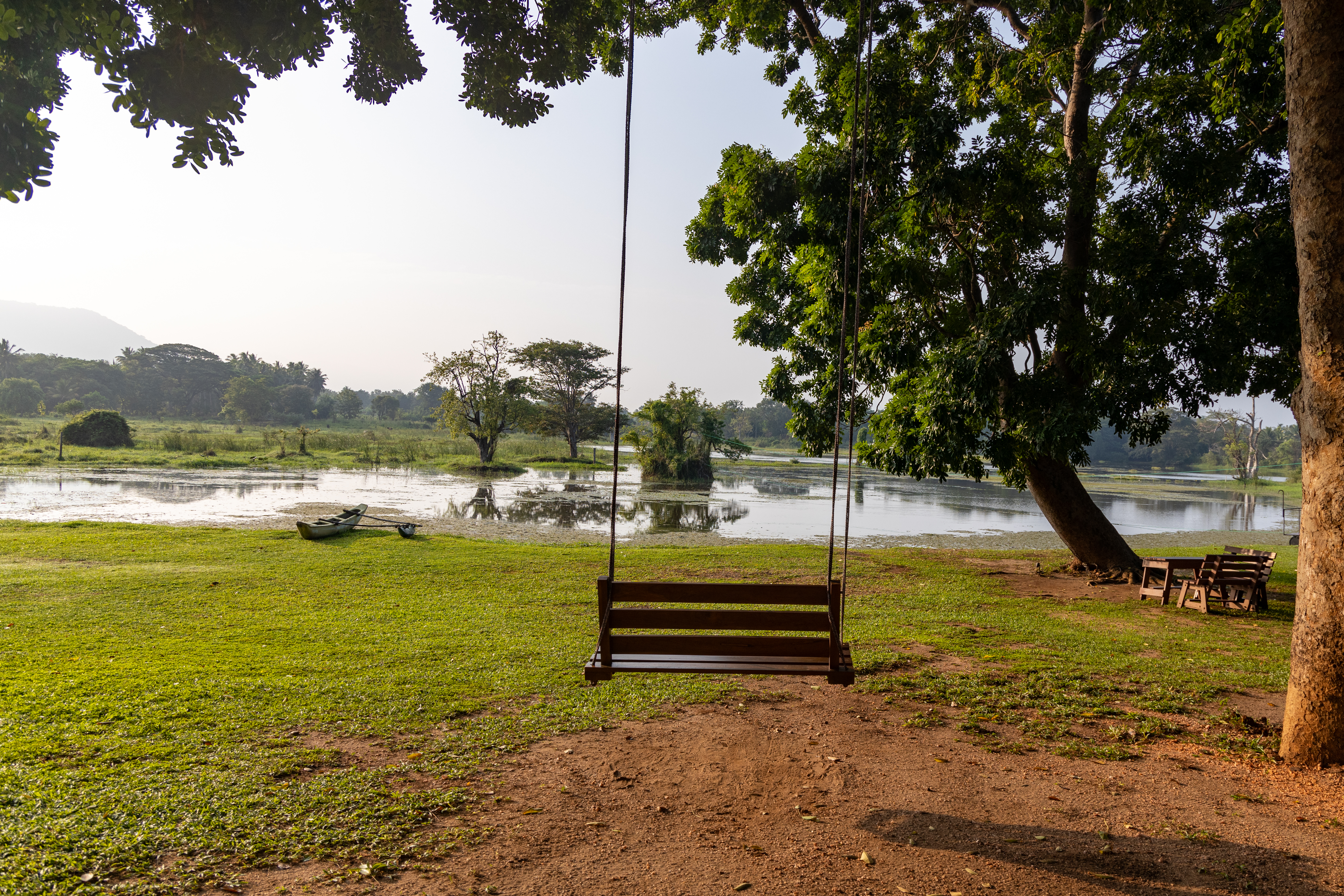
We were up for another busy day today as we planned to go to ancient Sri Lanka’s second capital, Polonnaruwa. Of course the first order of the day was breakfast. There are great views of the lake directly from the restaurant and the morning light showed them up well.
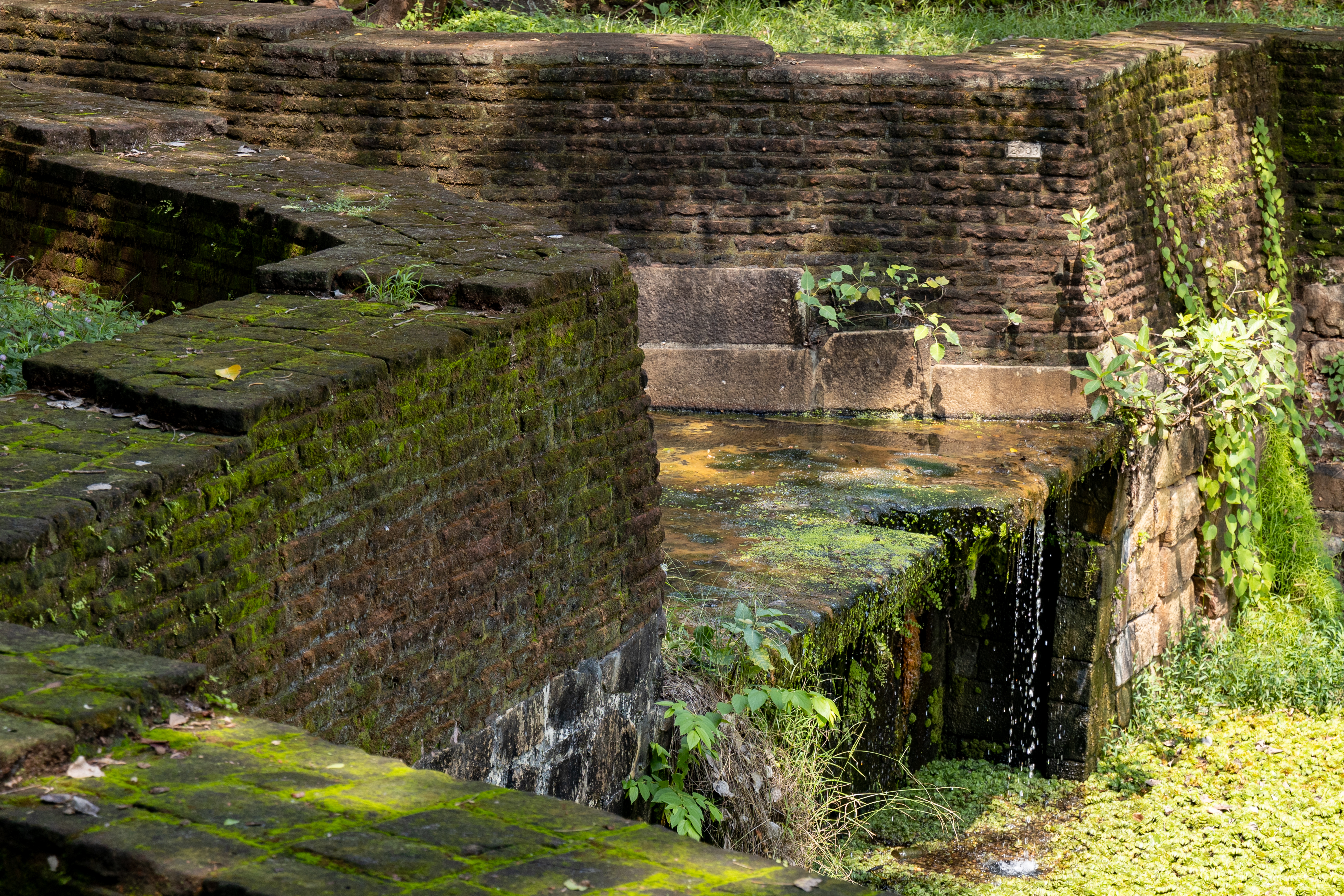
Following breakfast we boarded our bus for the 90 minute trip. We took some back roads through the rice paddy fields and some of the smaller towns with some very narrow roads until we arrived at our first stop, the Polonnaruwa Museum. It was a great way to set the scene for the day. Once again I was amazed at how advanced these ancient societies were, particularly in the art of water reticulation and complex multi-storey construction.
The Kingdom of Polonnaruwa was the Sinhalese kingdom that expanded across the island of Sri Lanka and several overseas territories, from 1070 until 1232. It had a stronghold in South India since its involvement in a civil war in which some South Indian provinces were seized and administered by the military of Polonnaruwa. Despite the prosperity, territorial and political instability would repeatedly occur, as the royal court was embroiled with factionalism. These continuing power struggles put the kingdom in decline.

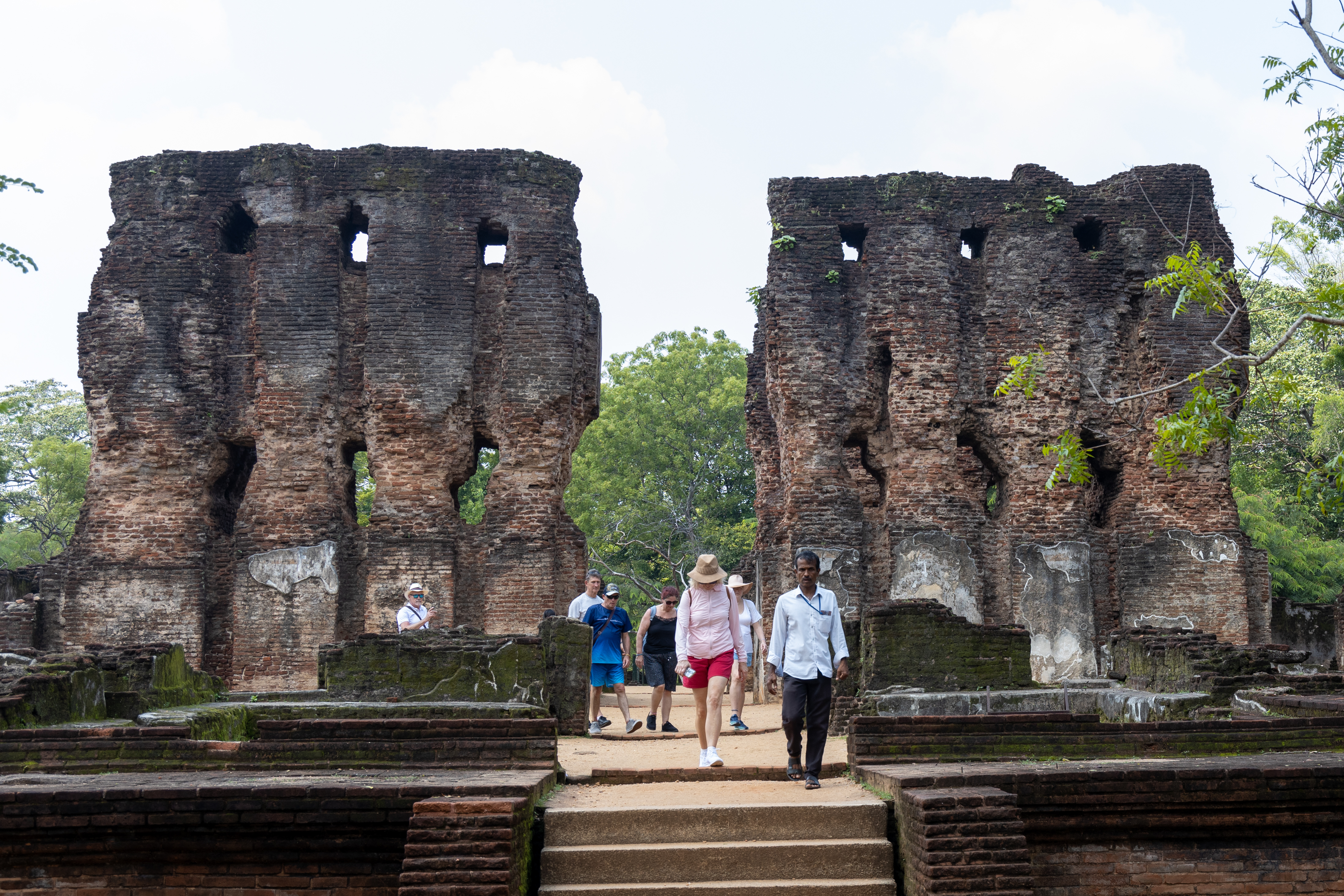
Polonnaruwa has ancient structures dating back to the Kingdom of Polonnaruwa of Sri Lanka that are believed to have been built to hold the Relic of the tooth of the Buddha and to hold the alms bowl used by the Buddha. Both these venerated relics gave the structure a great significance and importance at the time.
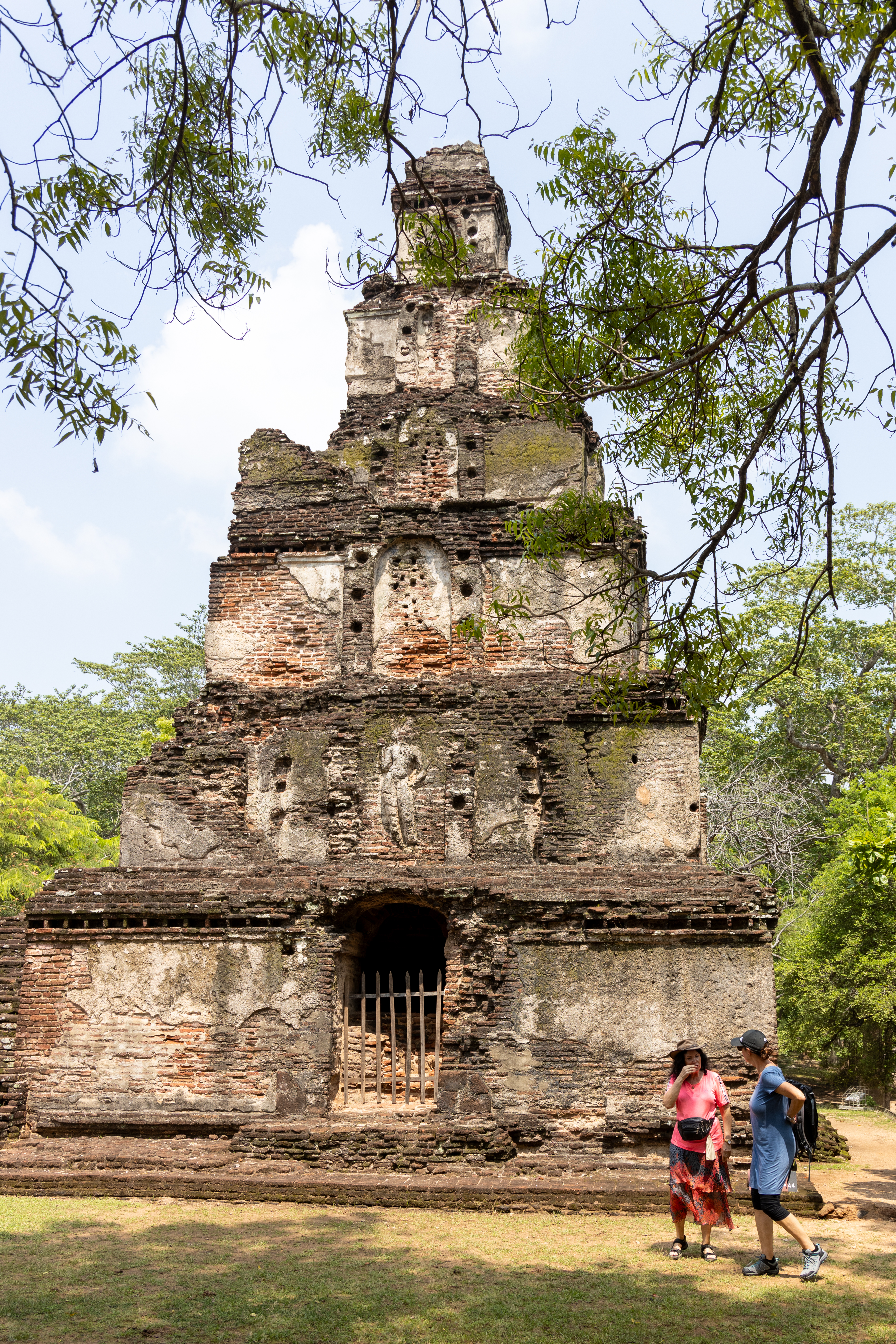
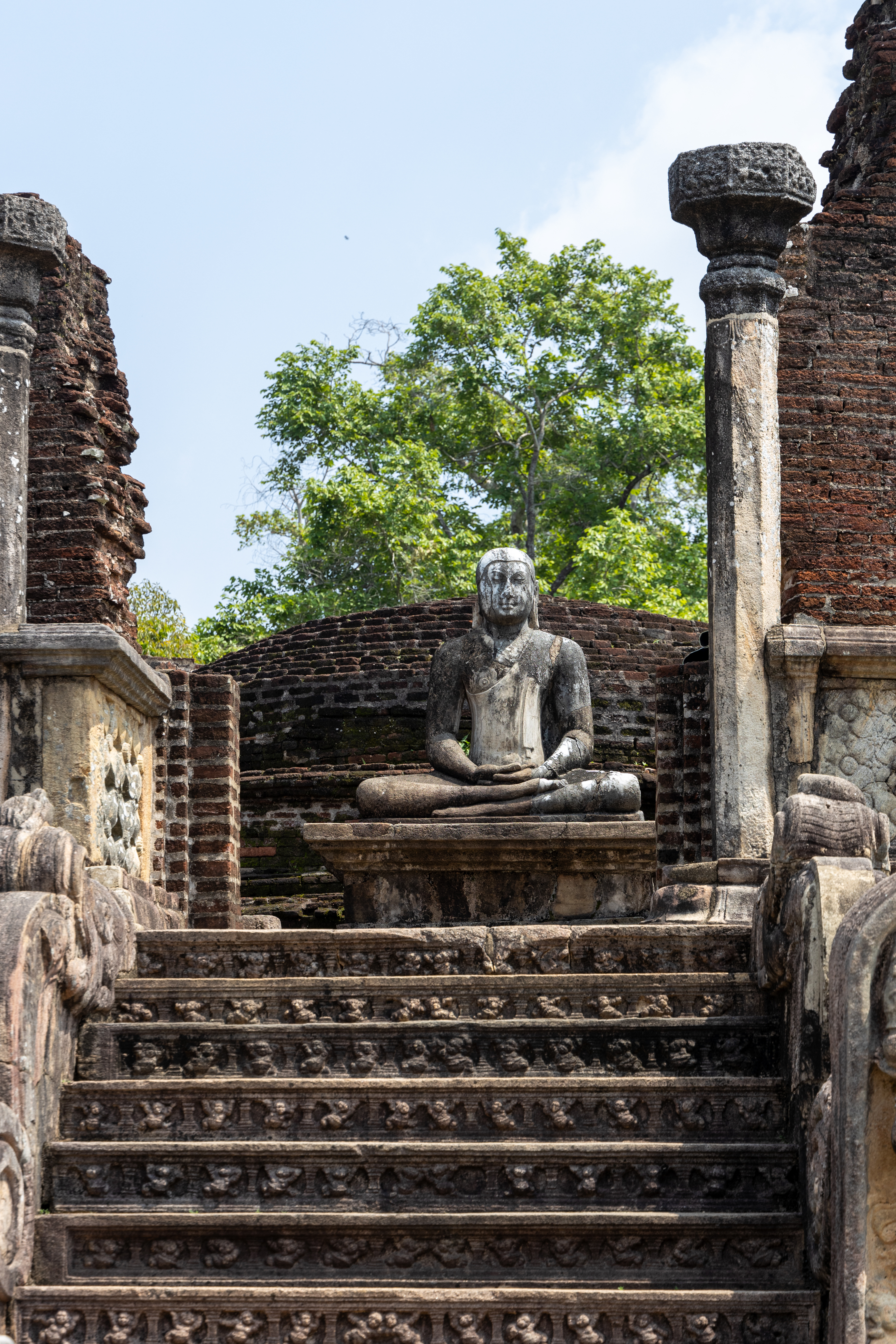
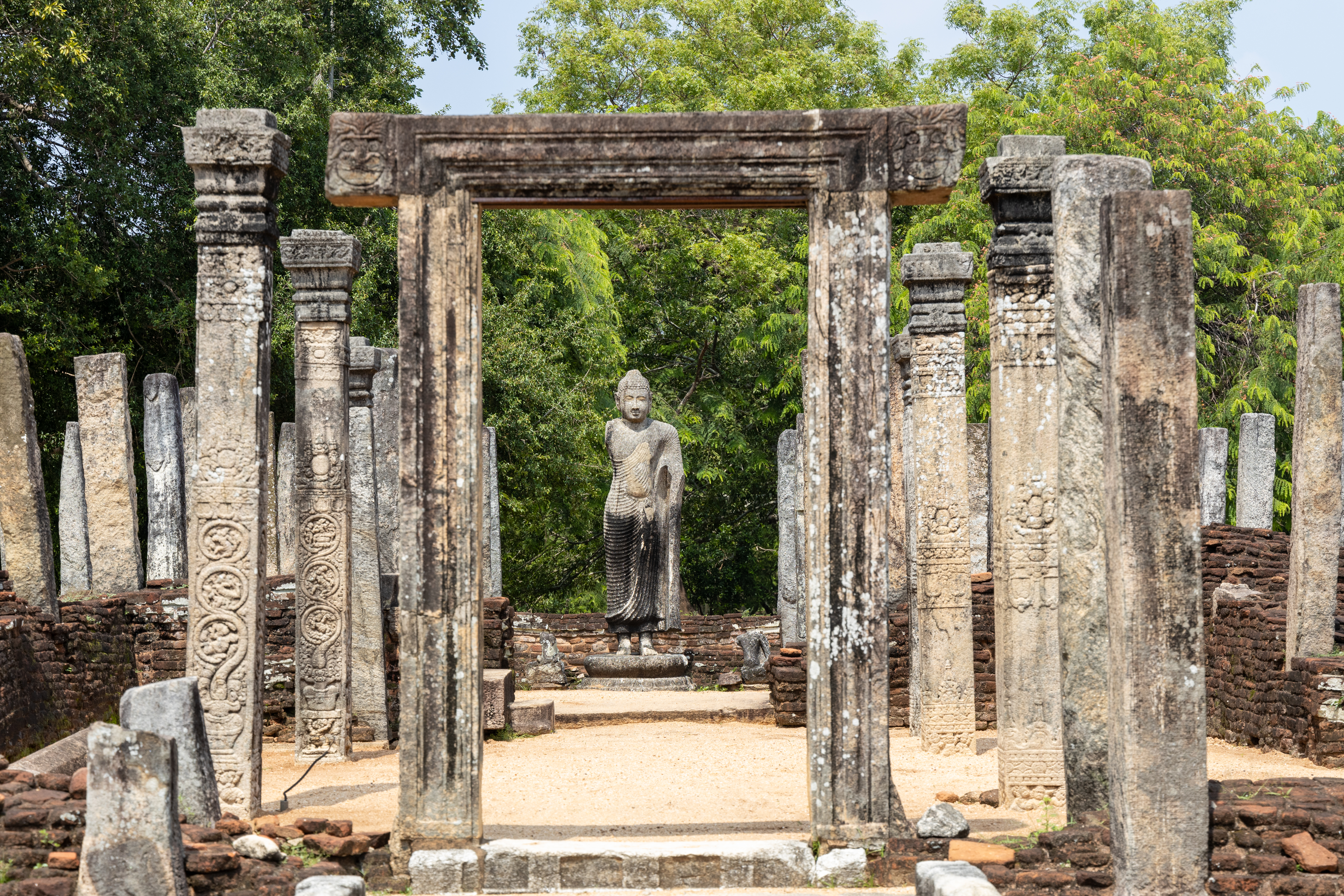
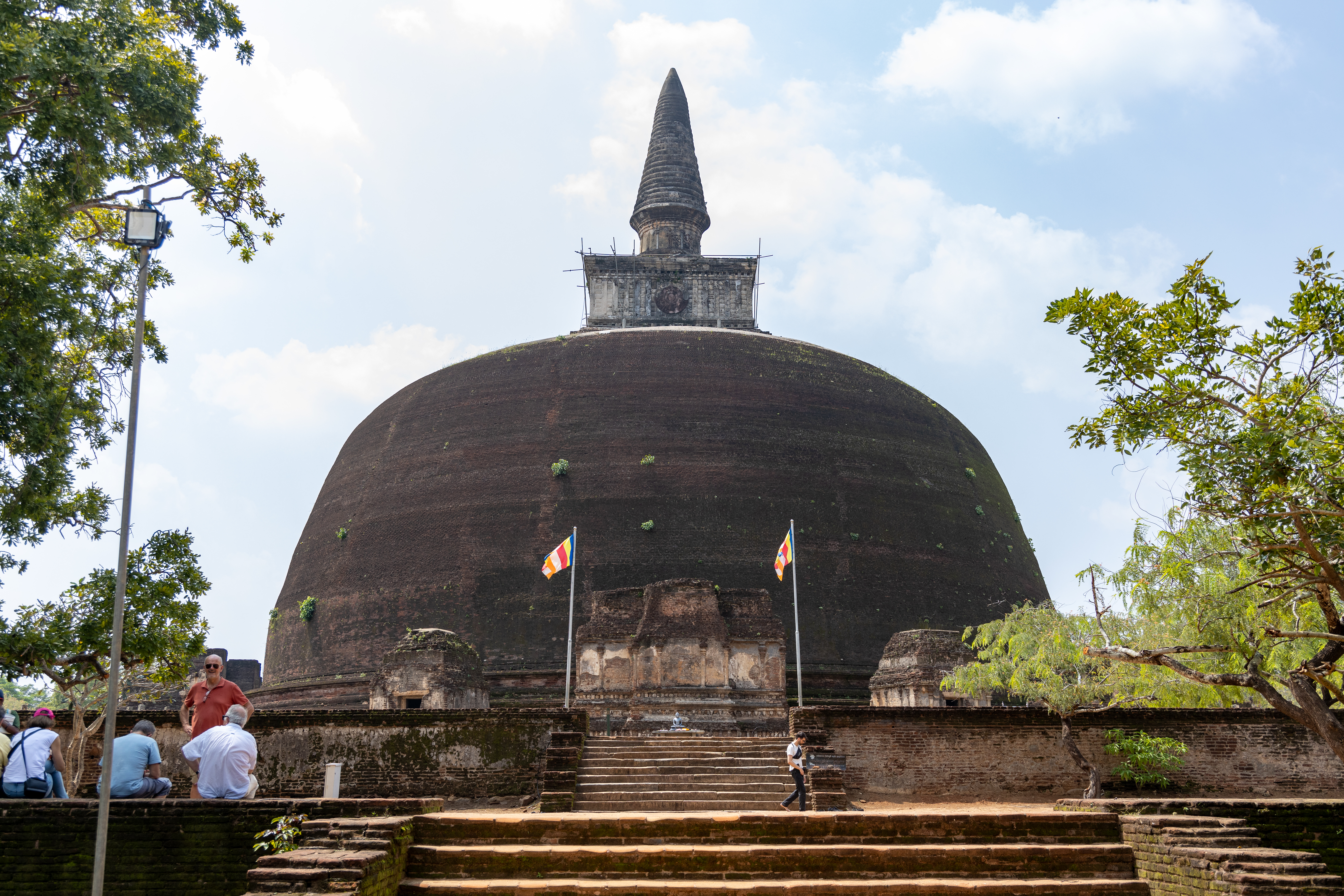
After touring the relic sites there were two more significant sites to visit. Rankoth Vehera is a stupa that has been built according to the tradition of the stupas of the Anuradhapura. The name Rankoth Vehera can be roughly translated to English as “Gold Pinnacled Stupa” is one of the most revered stupas in Polonnaruwa.
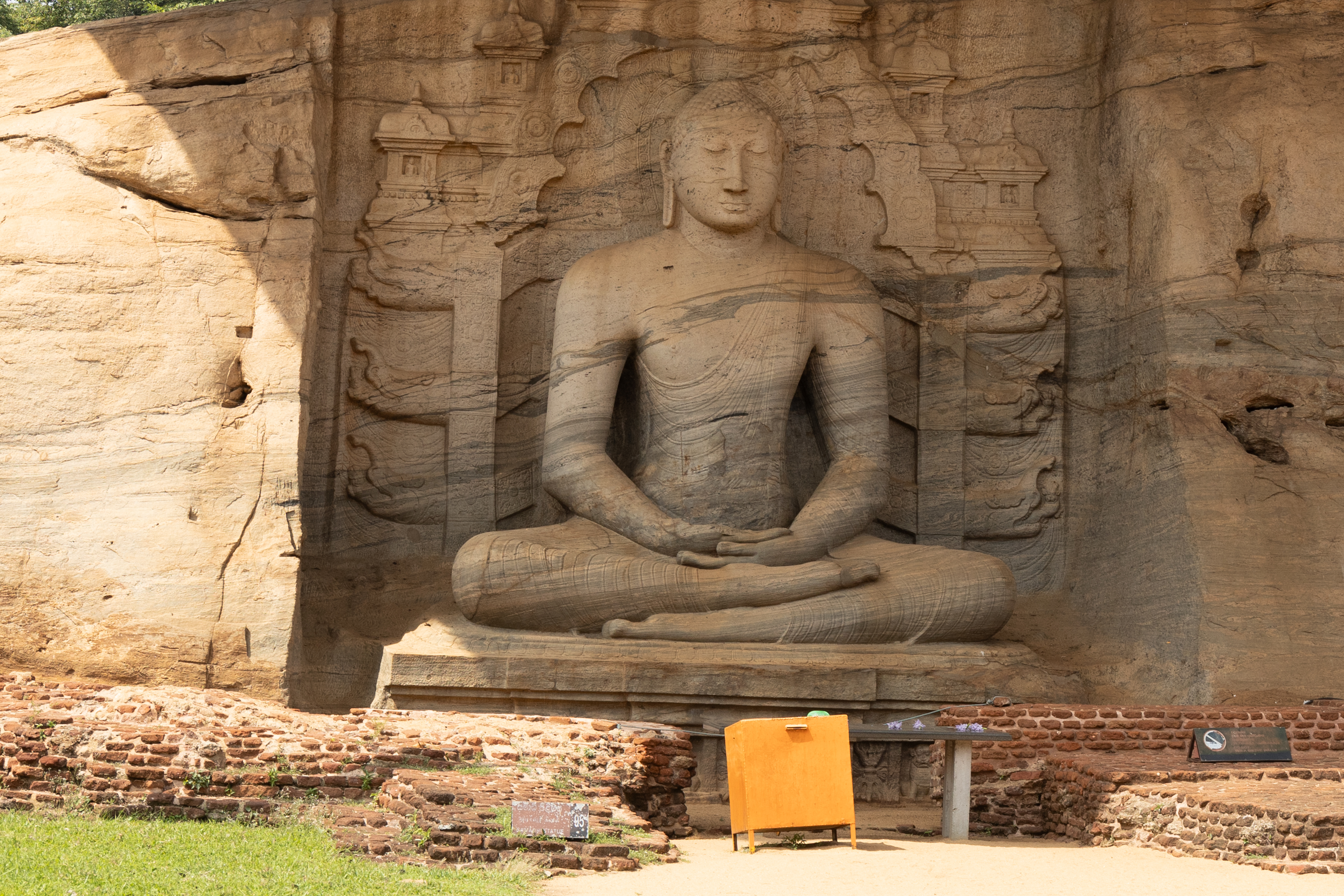
Additionally, we visited Gal Vihara which is a rock temple of the Buddha. The central feature of the temple is four rock relief statues of the Buddha, which have been carved into the face of a large granite rock. The images consist of a large seated figure, another smaller seated figure inside an artificial cavern, a standing figure, and a reclining figure. These are considered to be some of the best examples of ancient Sinhalese sculpting and carving. Our visit also coincided with a visit from a local school. It was so good to see the smiles on the faces of the children as they all said hello and sought to engage.
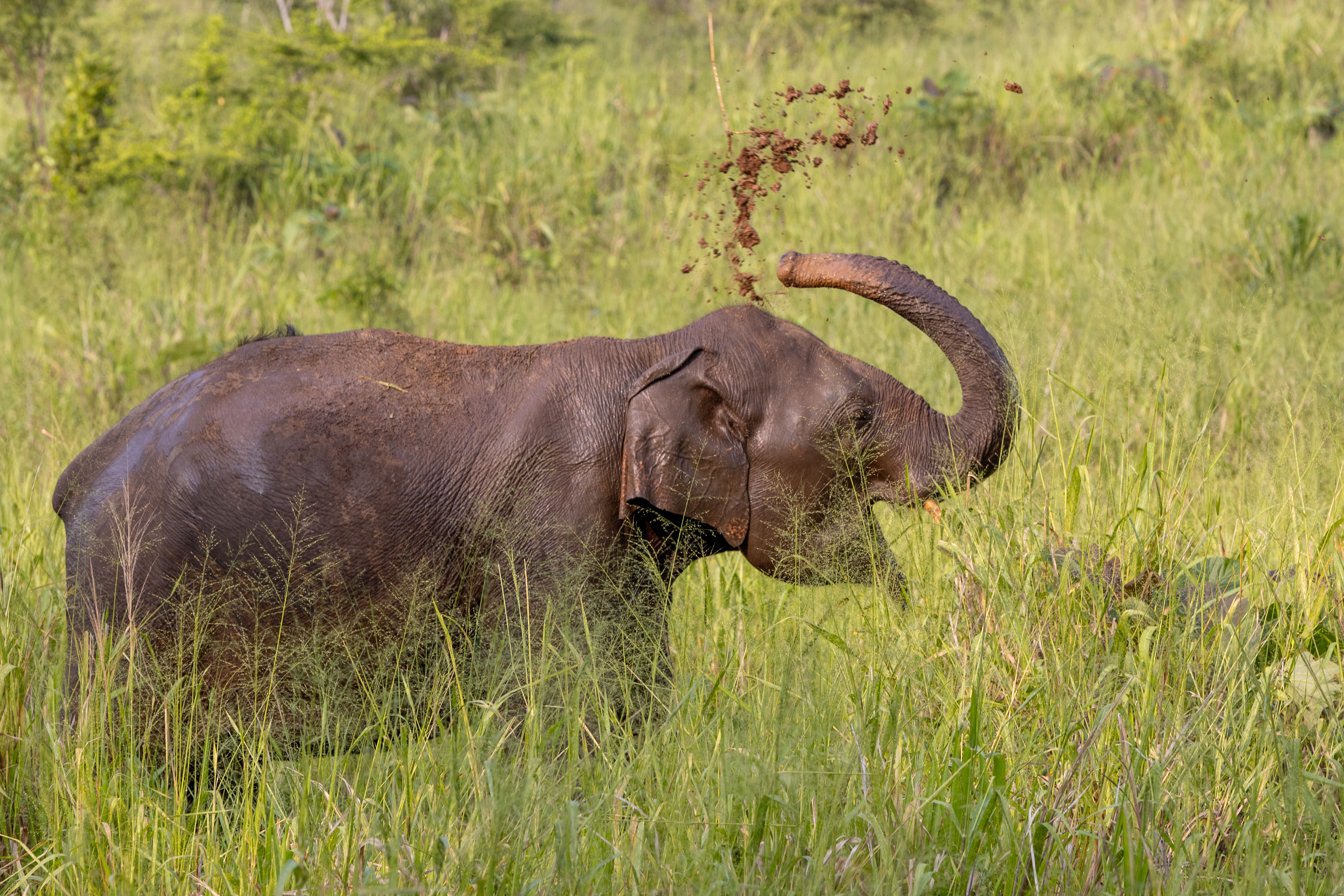
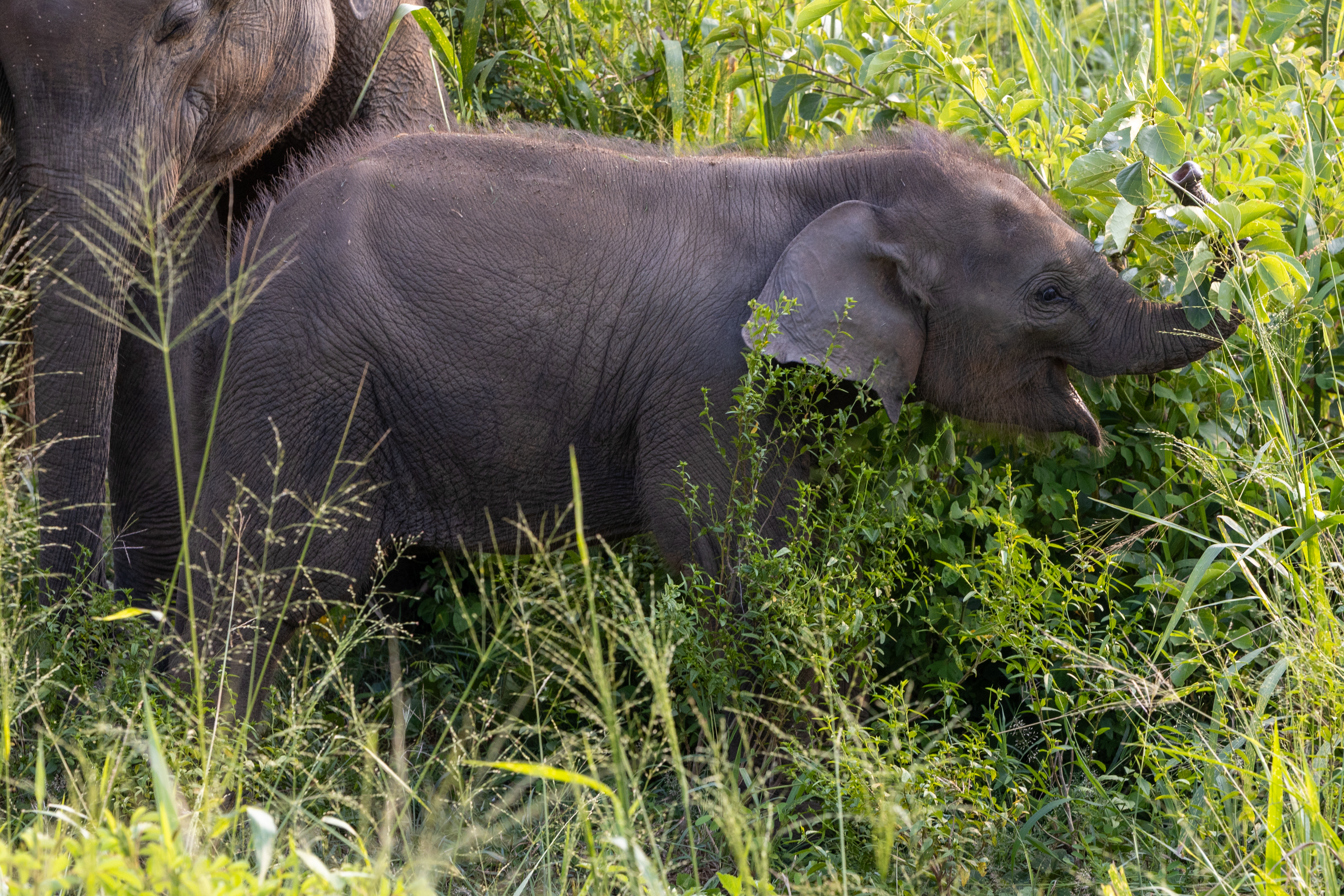
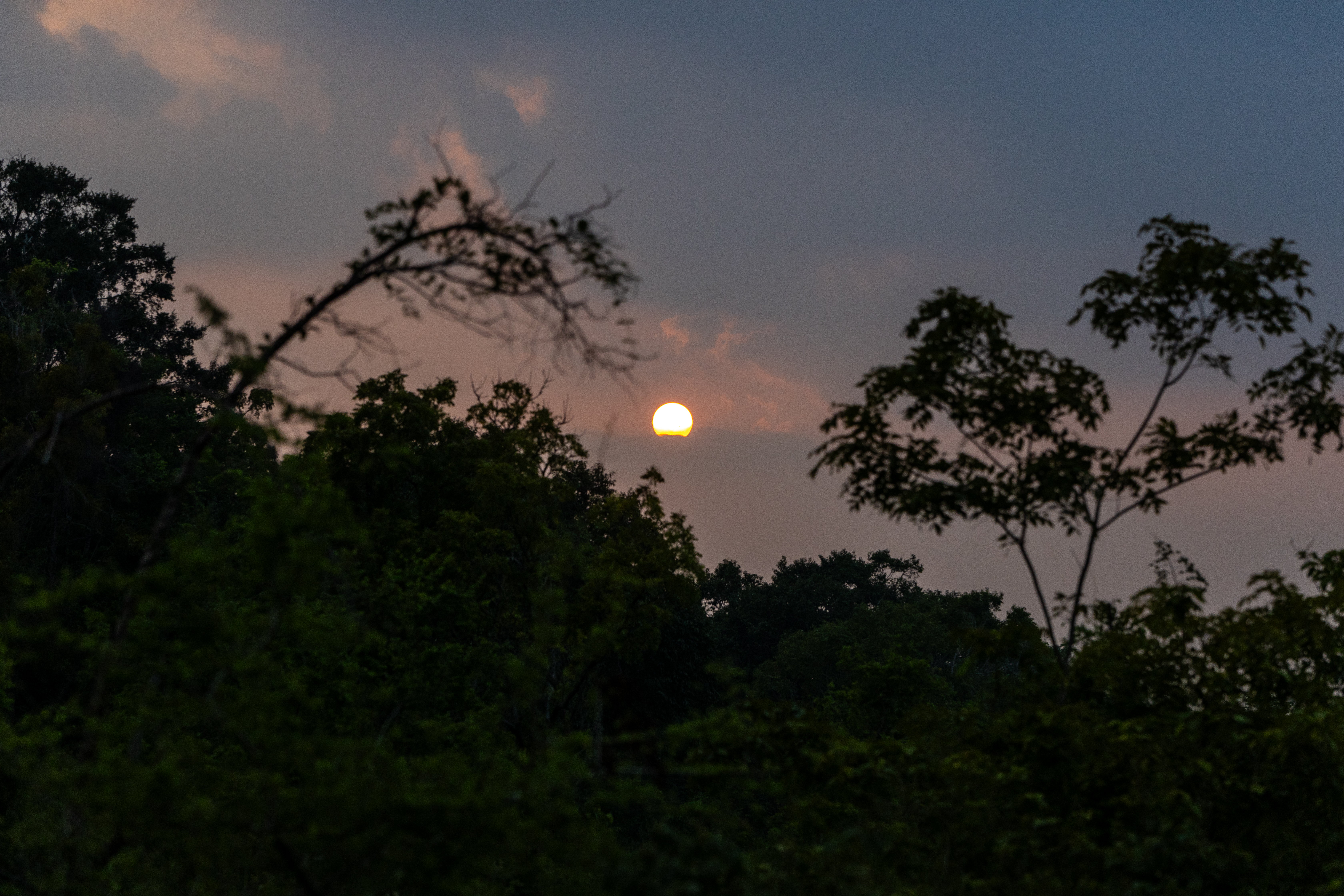
On our way back to the hotel in Dambulla, we stopped off to do a couple of hours of animal safari in one of the national parks. It was a great opportunity to photograph some elephants late in the day. We have some more safairis coming up, so I’ll just leave you with a few photos as the sun set on our day.
We were both feeling pretty tired, so we skipped out on dinner with the group tonight, opting for the quick version on our own, in the hope of an earlier night.
Until Tomorrow!

 Rob's "Beats Working" Blog