This morning we were up for a 7 AM breakfast before heading to the ancient city of Anuradhapura. The breakfast restaurant has magnificent views over a lake and in the early morning the light was golden. The breakfast buffet had a bit more variety that the hotel in Negombo, however I did discover that their Coconut Sambal contained a significant amount of chilli and was a little hot for this time of day, but they did make egg hoppers, a Sri Lankan street food classic. Anyway, once fueled up we all piled on the bus for the 90 minute trip to Anuradhapura which is a city located in the north central plain of Sri Lanka. It is the current capital city of North Central Province and the capital of Anuradhapura District. The city is also a World Heritage Site famous for its well-preserved ruins of the ancient Sinhalese civilisation.
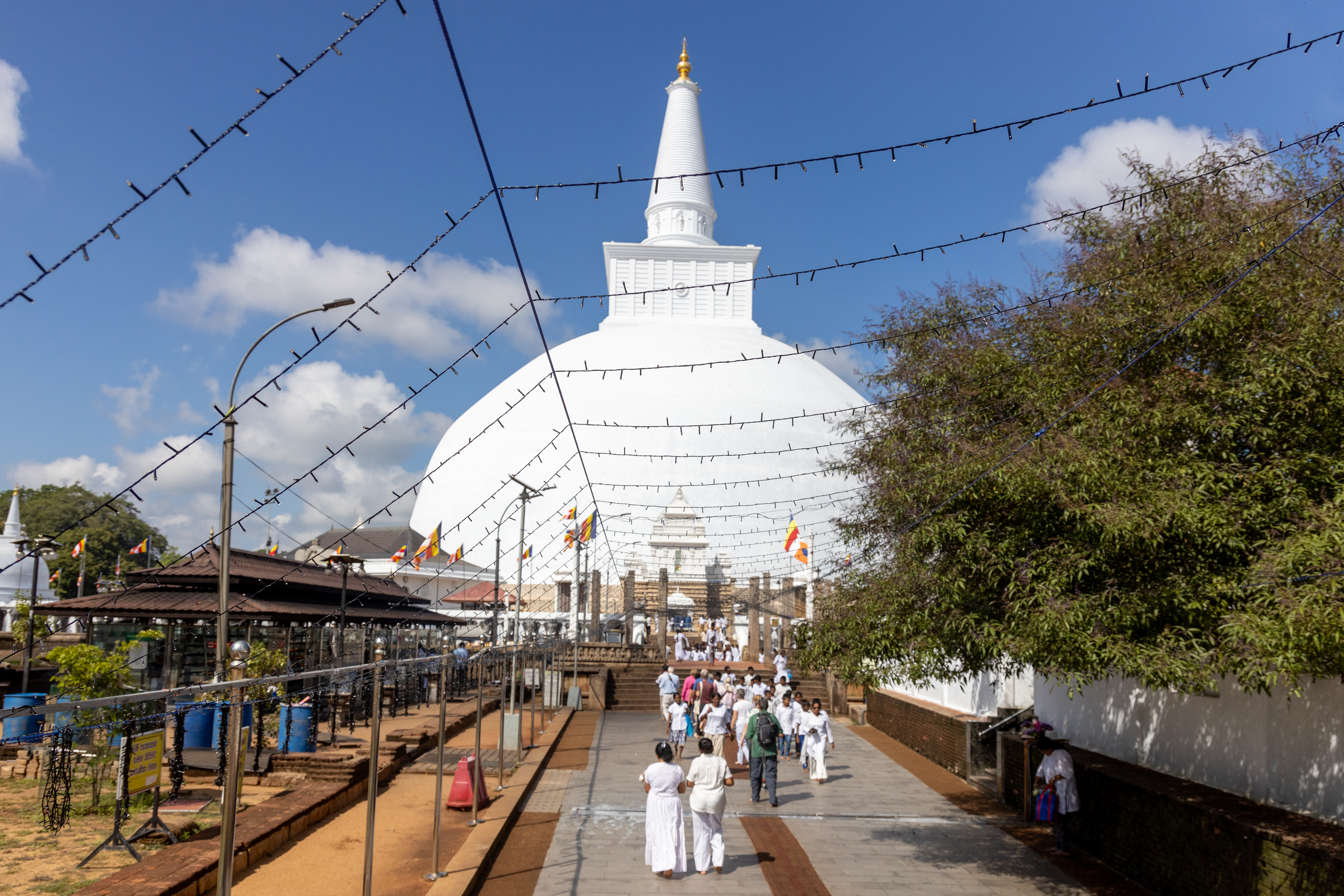
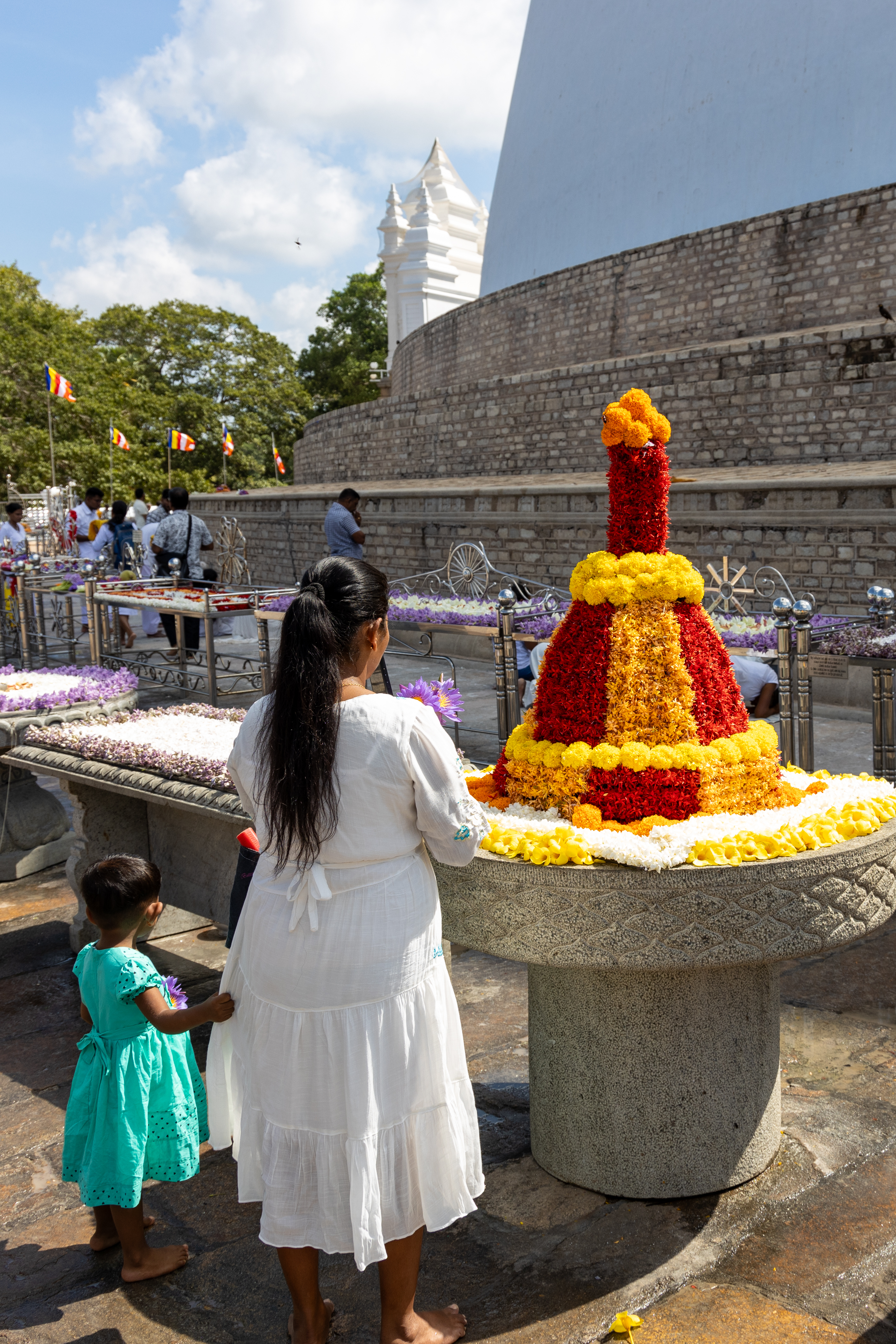
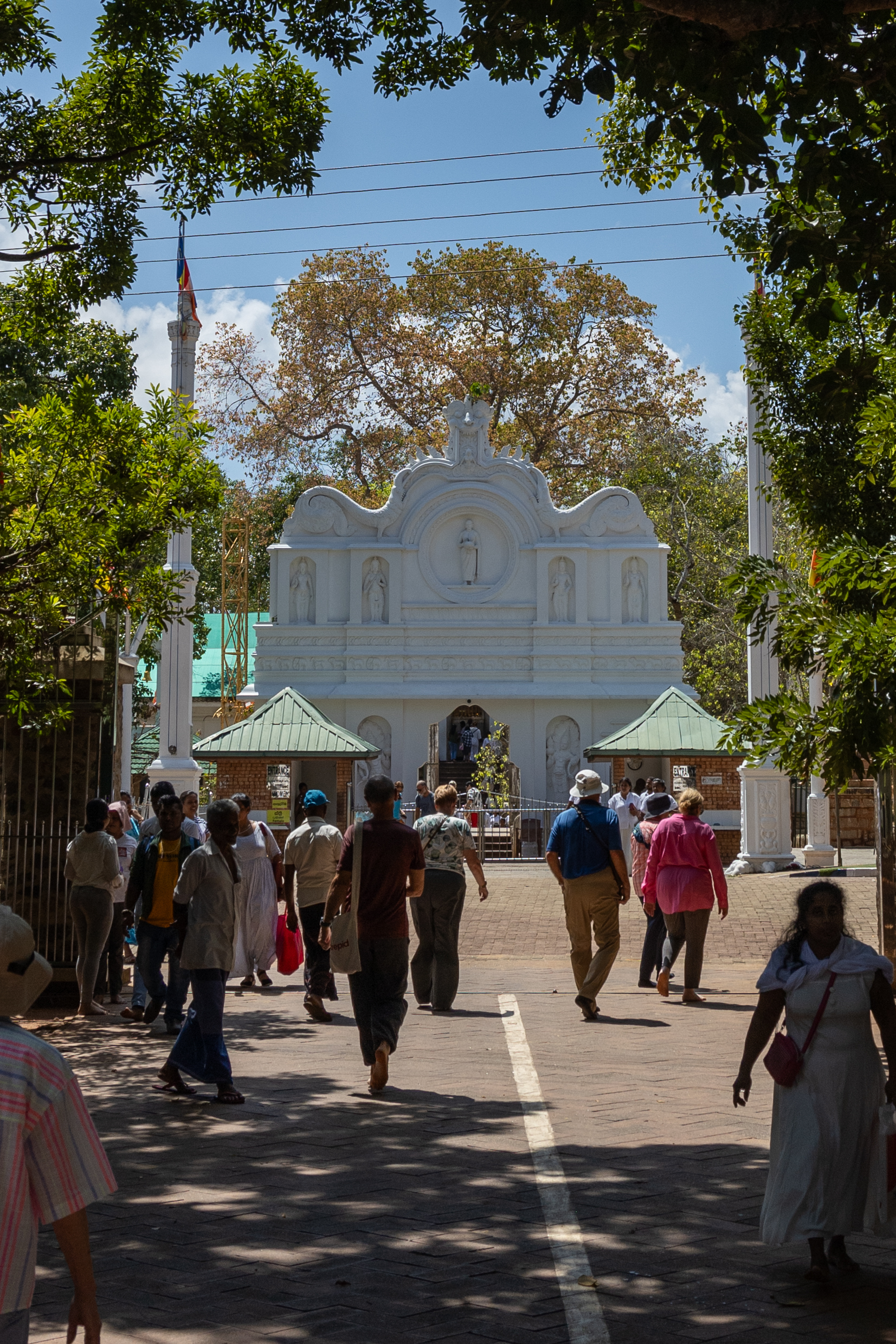
It is believed that city was founded in 437 BC and the longest-serving ancient capital of Sri Lanka that survived for 1500 years. It was the first capital of the Sinhala Kingdom and was also the centre of Theravada Buddhism for many centuries. It is a major Buddhist pilgrimage site with many ancient Buddhist temples and associated relics. Our first stop was the temple of Ruwanwelisaya. Also known as the Maha Thupa ( ’the Great Thupa’), some of the Buddha’s relics are enshrined in the stupa, making it one of the largest collection of his relics. It was built by Sinhalese King Dutugemunu in c. 140 B.C. The stupa is one of the world’s tallest ancient monuments, standing at 103 m (338 ft) and with a circumference of 290 m (951 ft). It was interesting to see the continuous array of devotees pass through the temple gates to pay respect.
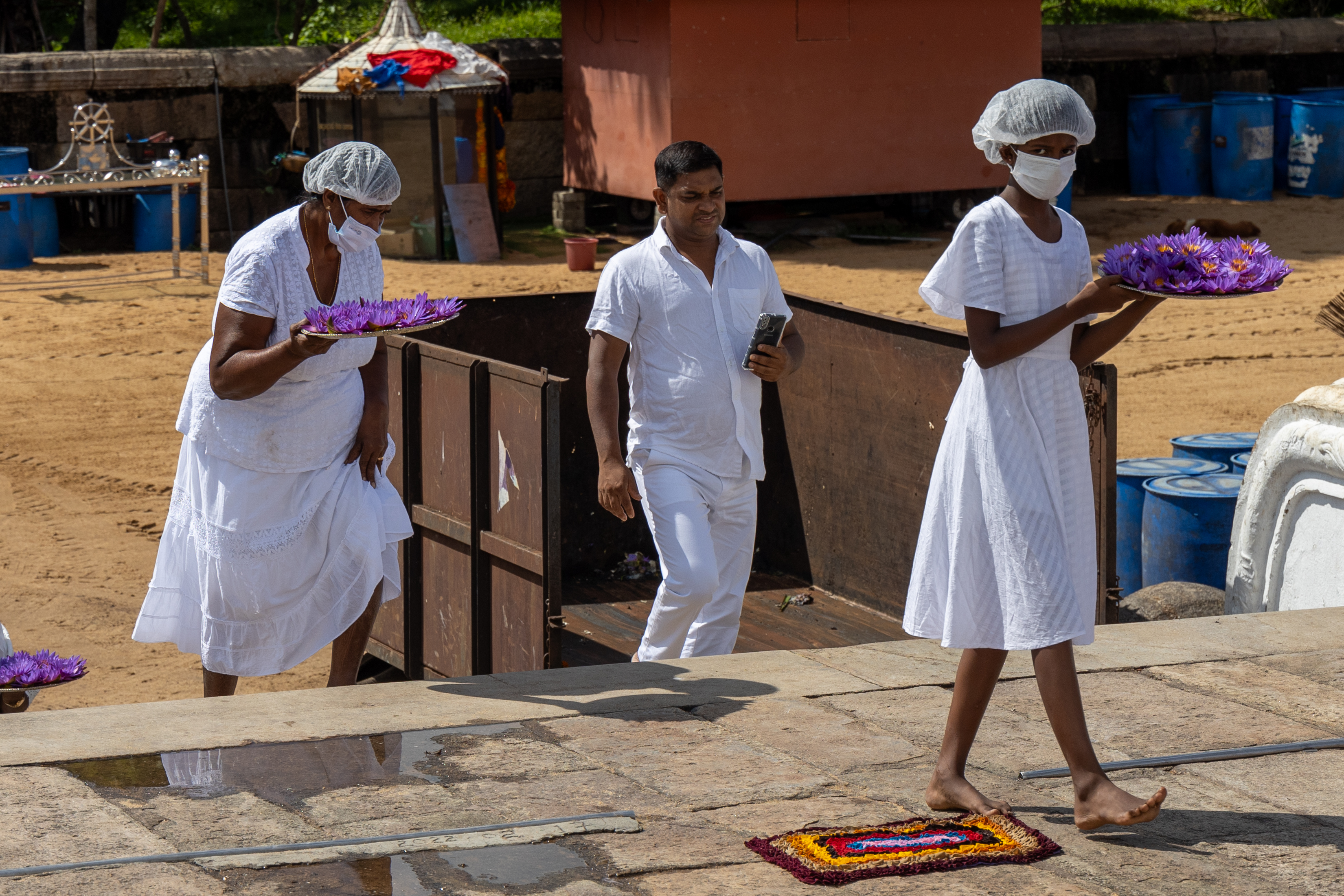
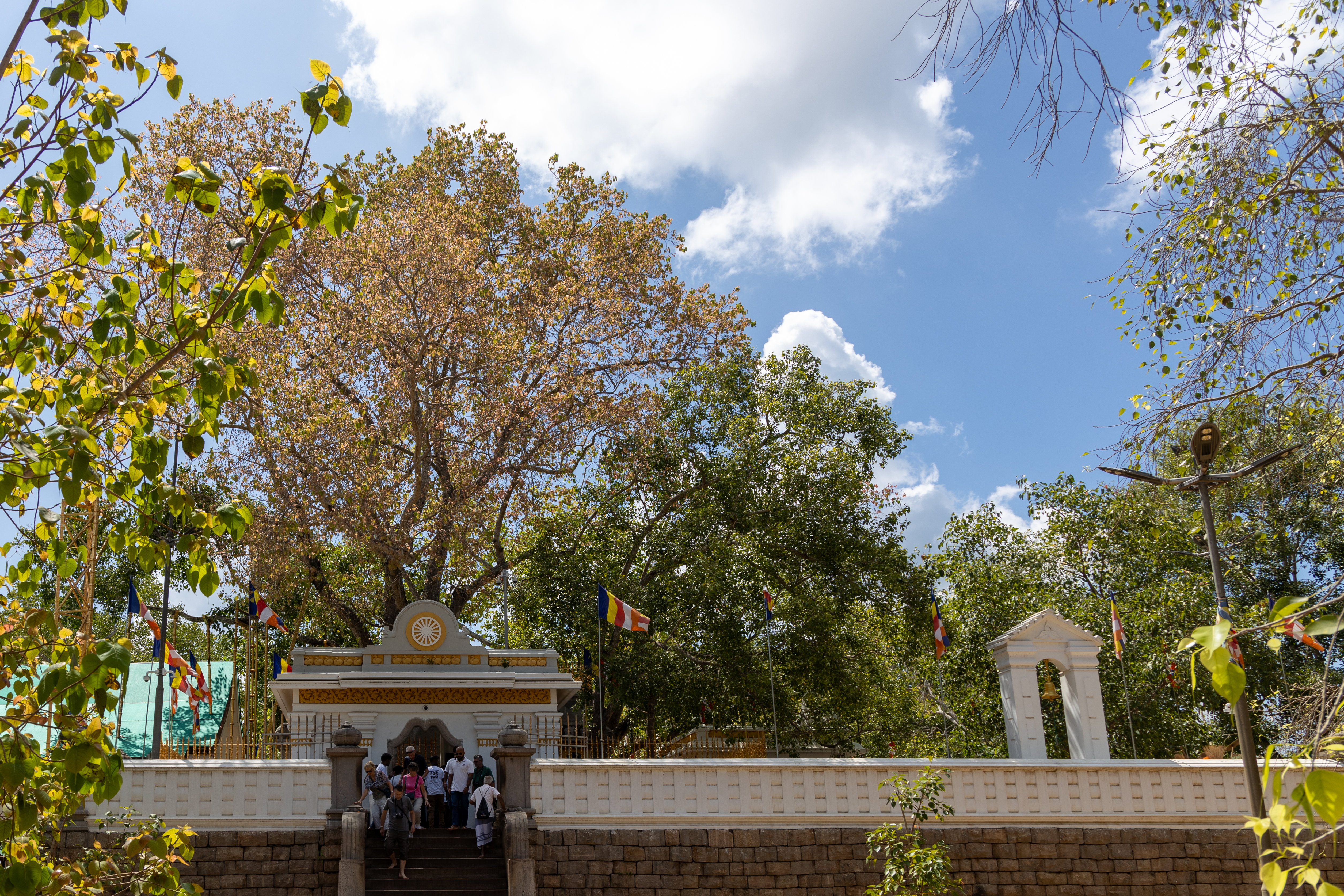
From there we went to Jaya Sri Maha Bodhi Tree which is an historical sacred tree. This is believed to be a tree grown from a cutting from the historical sacred tree at Buddha Gaya in India, under which Buddha attained Enlightenment. At more than 2,300 years old, it is the oldest living human-planted tree in the world. Over time the Jaya Sri Maha Bodhi has become a major Buddhist pilgrimage site for millions of pilgrims each year. However, access to the uppermost terrace where the tree is located is restricted due to the old age of the tree and various acts of vandalism it has endured throughout history.
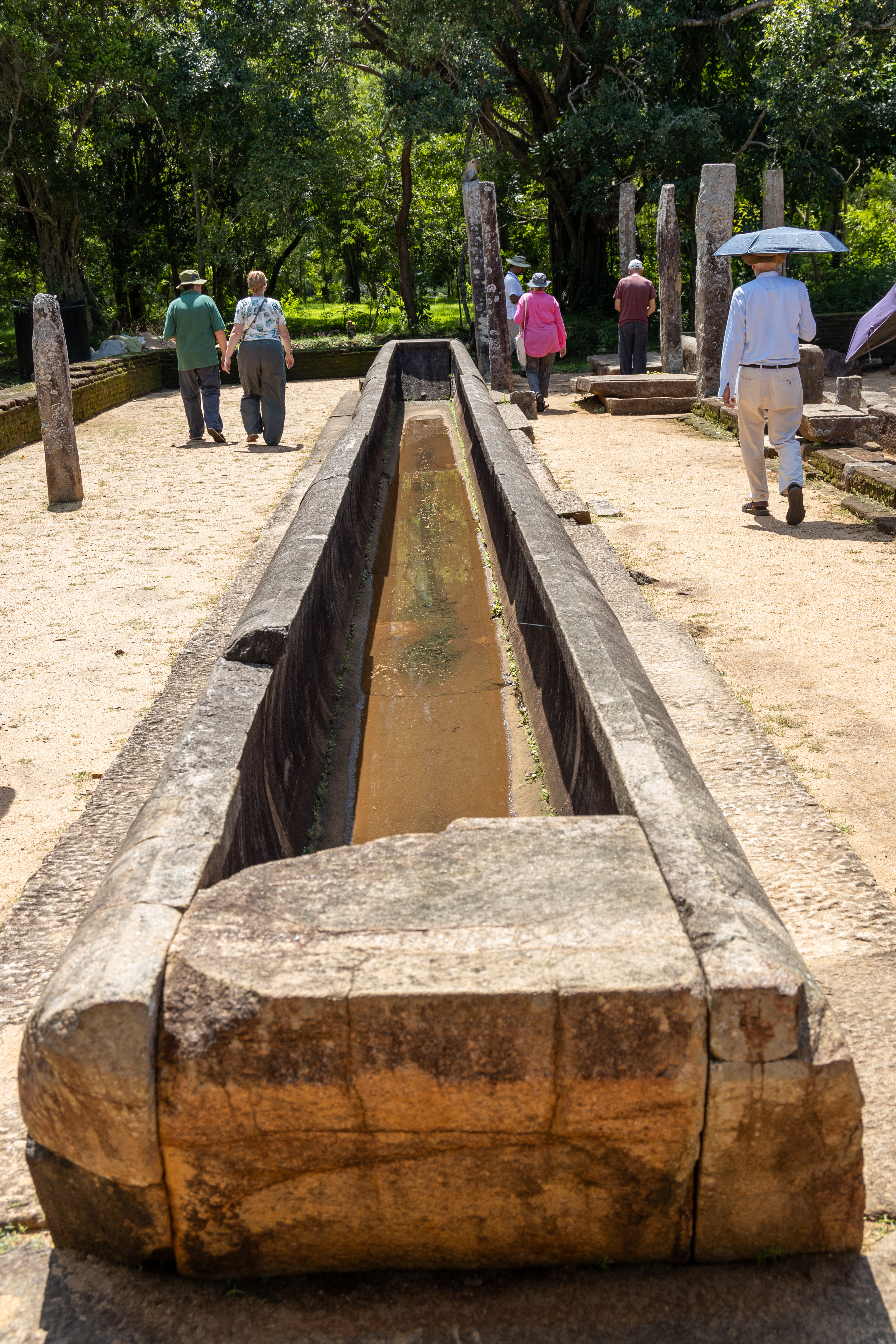
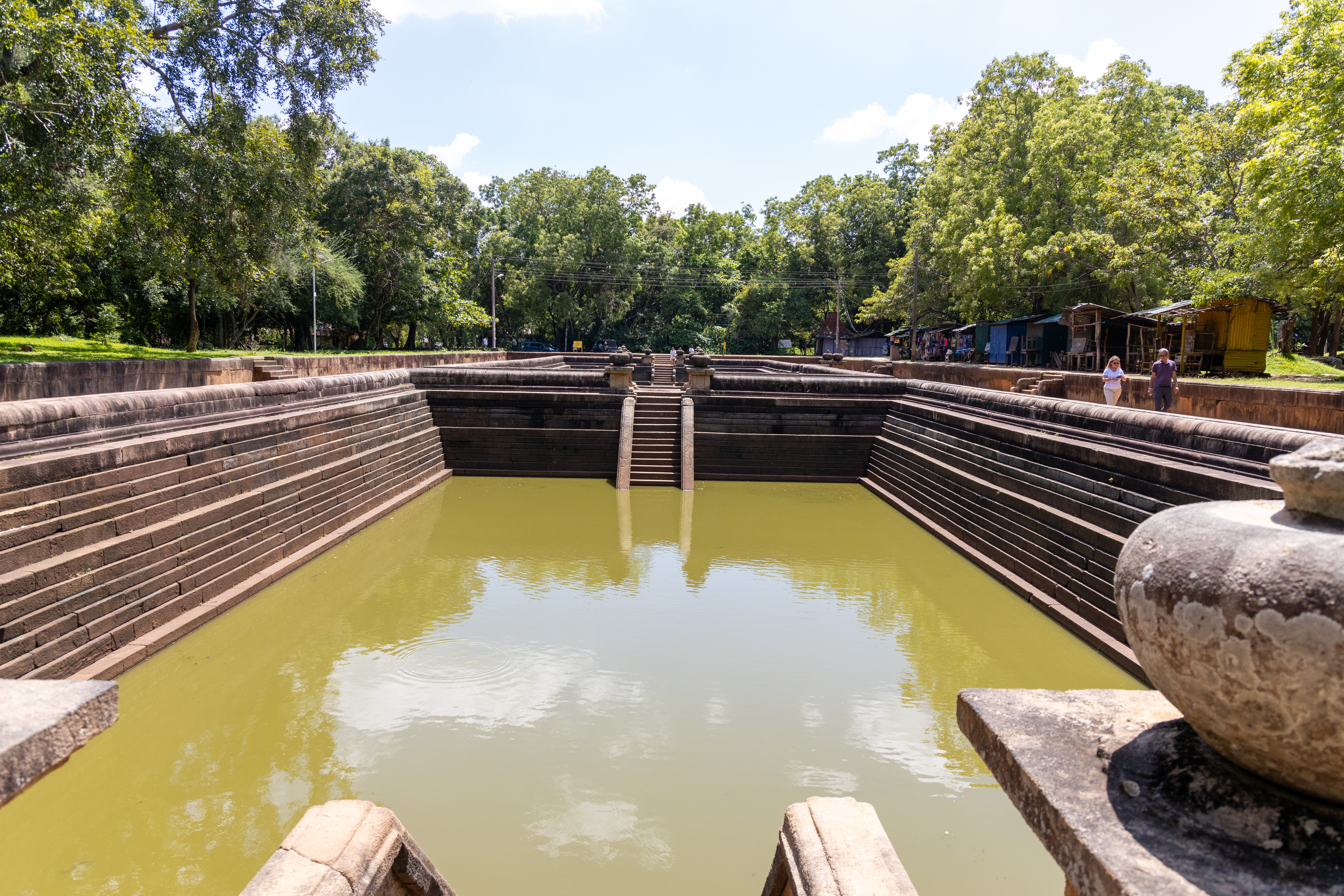
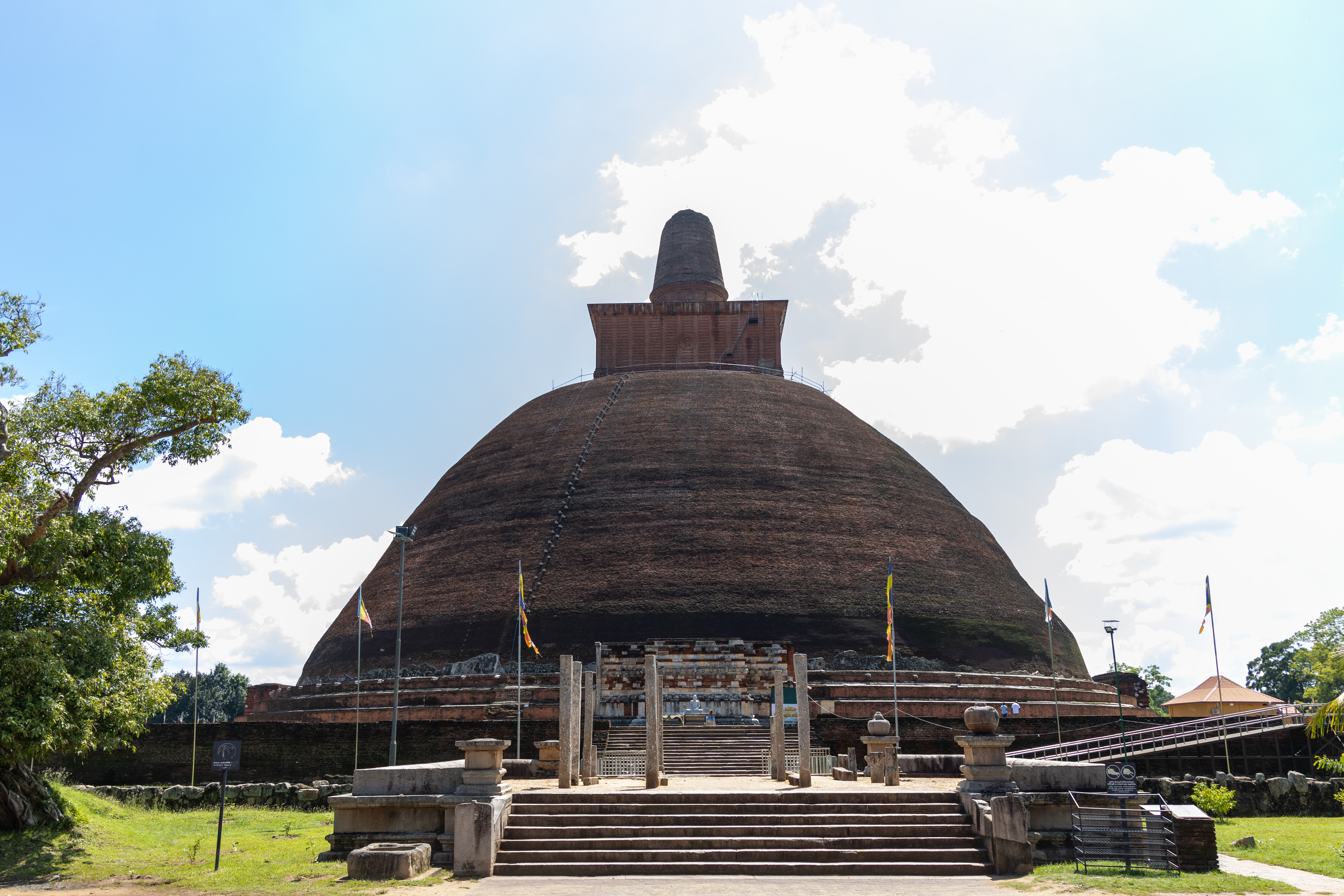
We drove around looking at various other ruined sites, like bathing pools, buddhist schools and other administrative buildings. It is believed that many significant buildings existed here until being destroyed by various invaders. The lingering question in my mind was around the fact that these societies understood advanced concepts like water reticulation, city planning and sanitation, but much of that knowledge seems to have been lost in subsequent periods of history. Our last stop was at the Jetavanarama stupa. At 122 metres (400 ft), it was the world’s tallest stupa, and the third tallest structure in the world (only behind the two great pyramids in Egypt.
Having thoroughly explored what is commonly known about the First Capital, we had a buffet lunch before heading back to Dambulla. On the way back some of us opted for a spa treatment which involved a massage and some time in a steam room. It was a touch challenging when seven of our tour group ended up in a steam room that was probably built for 4. Nonetheless, I enjoyed getting some attention to my worn out feet and legs after yesterday’s climb. The location seemed idylic, and it mostly was until some dogs started fighting during my supposedly relaxing massage.
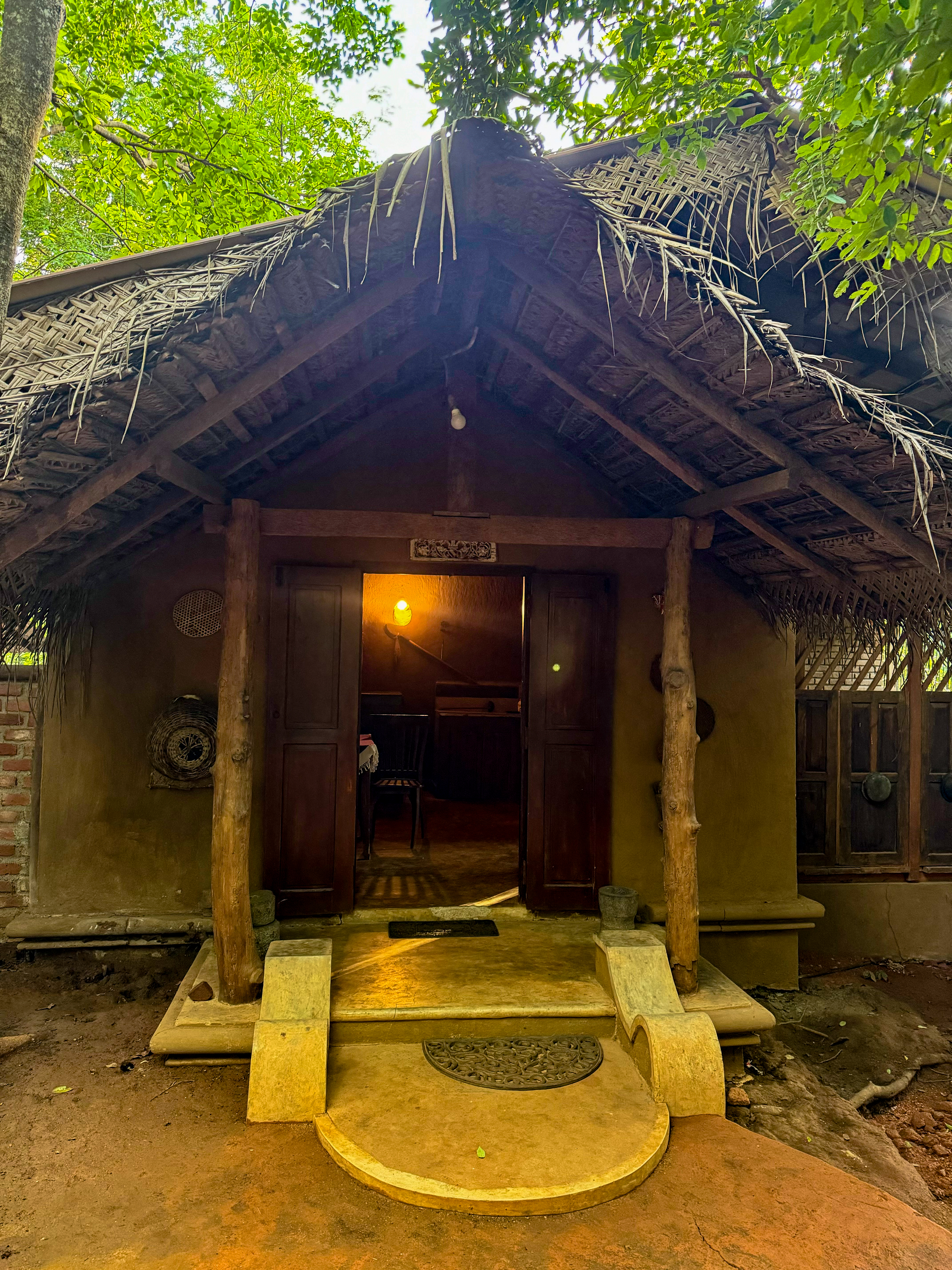
We had some dinner at the hotel restaurant and sought an earlier night as we’ll be up for another 7 AM breakfast in the morning.
Until tomorrow!

 Rob's "Beats Working" Blog