
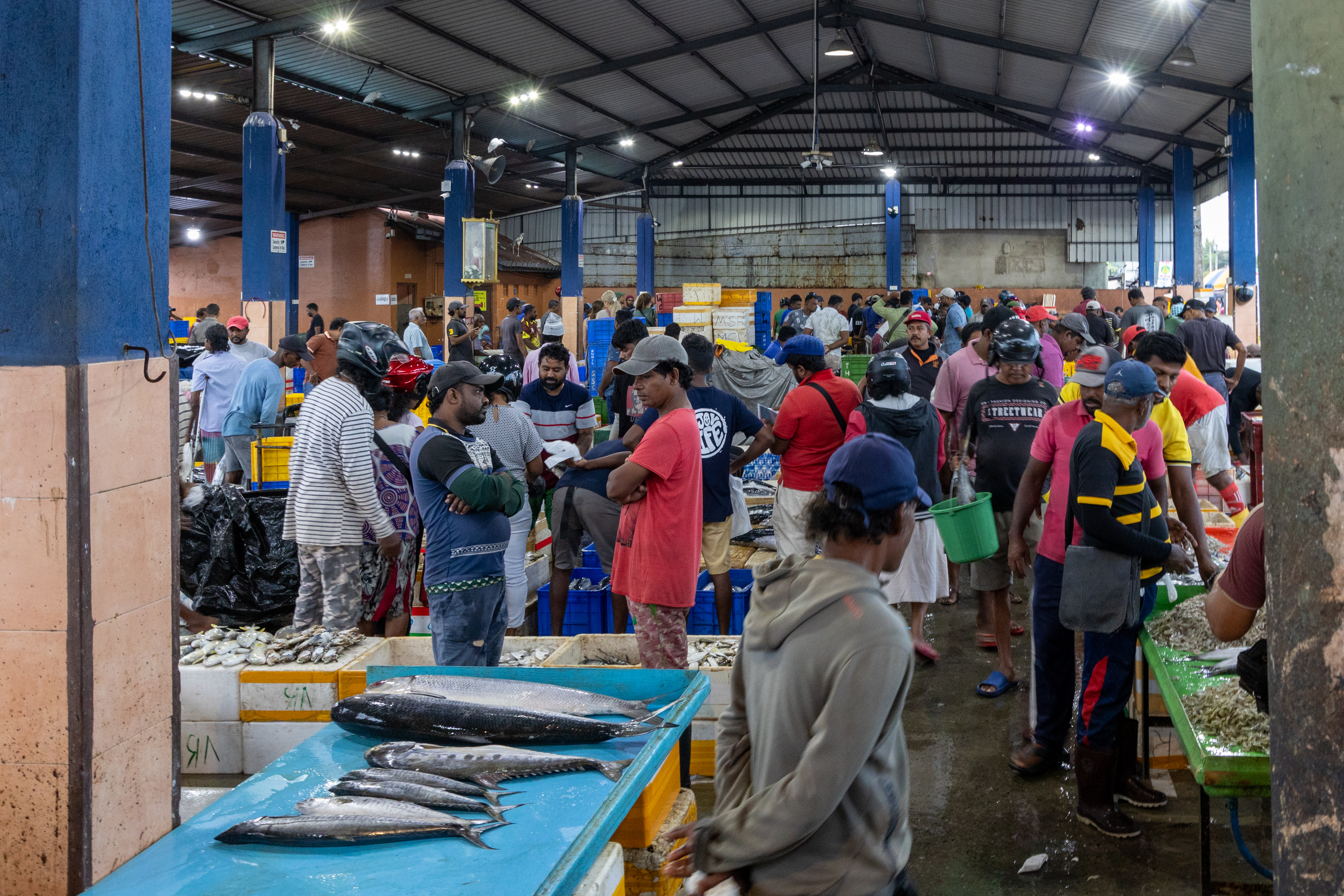
We had an early start to today, with our tour leader suggesting we head to the fish market before breakfast because later in the day it gets a bit smelly and sometimes all the action is over by 9:00am. It also meant we could get on the road to Dambulla and Sigiriya a bit earlier.
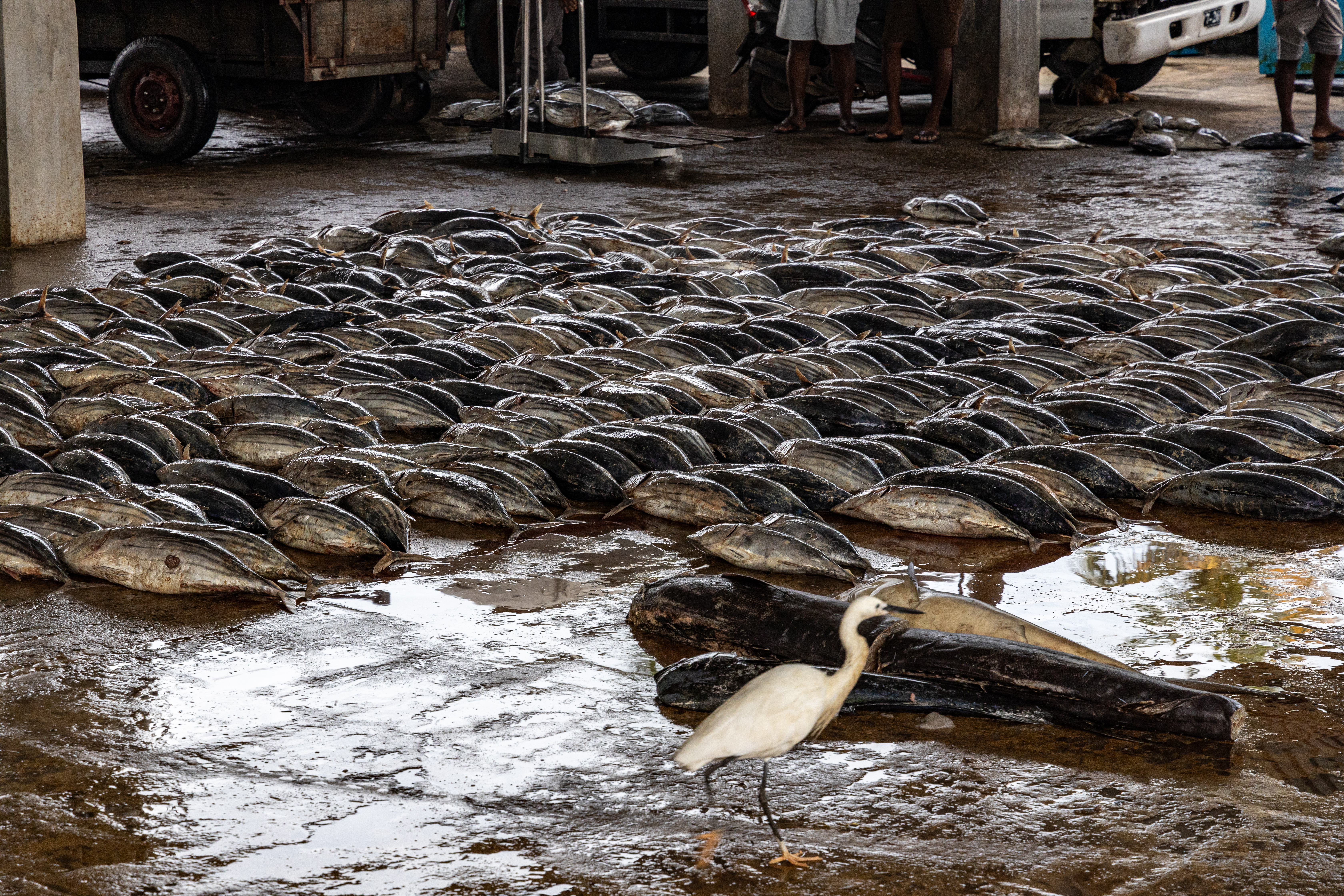
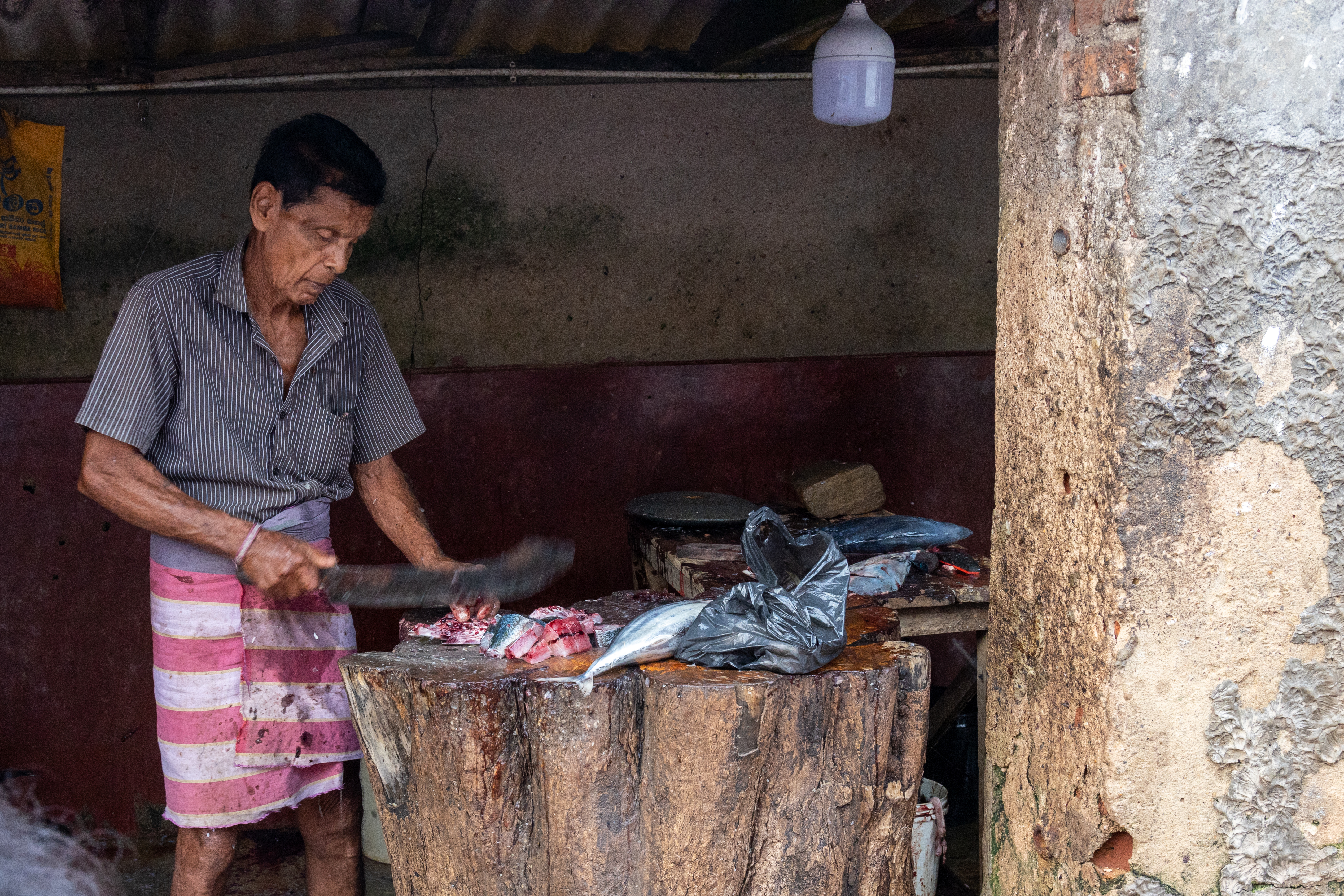
The fish markets were very busy at this time of day, and in a short time we were able to observe the entire supply chain, from selling, processing and then retailing. Once again, there is scant regard to food safety standards with many of the fish being strewn on the ground for the auction process. There are lots of small stalls where fish is cut up and sold to local people and restaurants. Some of the larger Tuna are shipped direct to Japan for sushi!
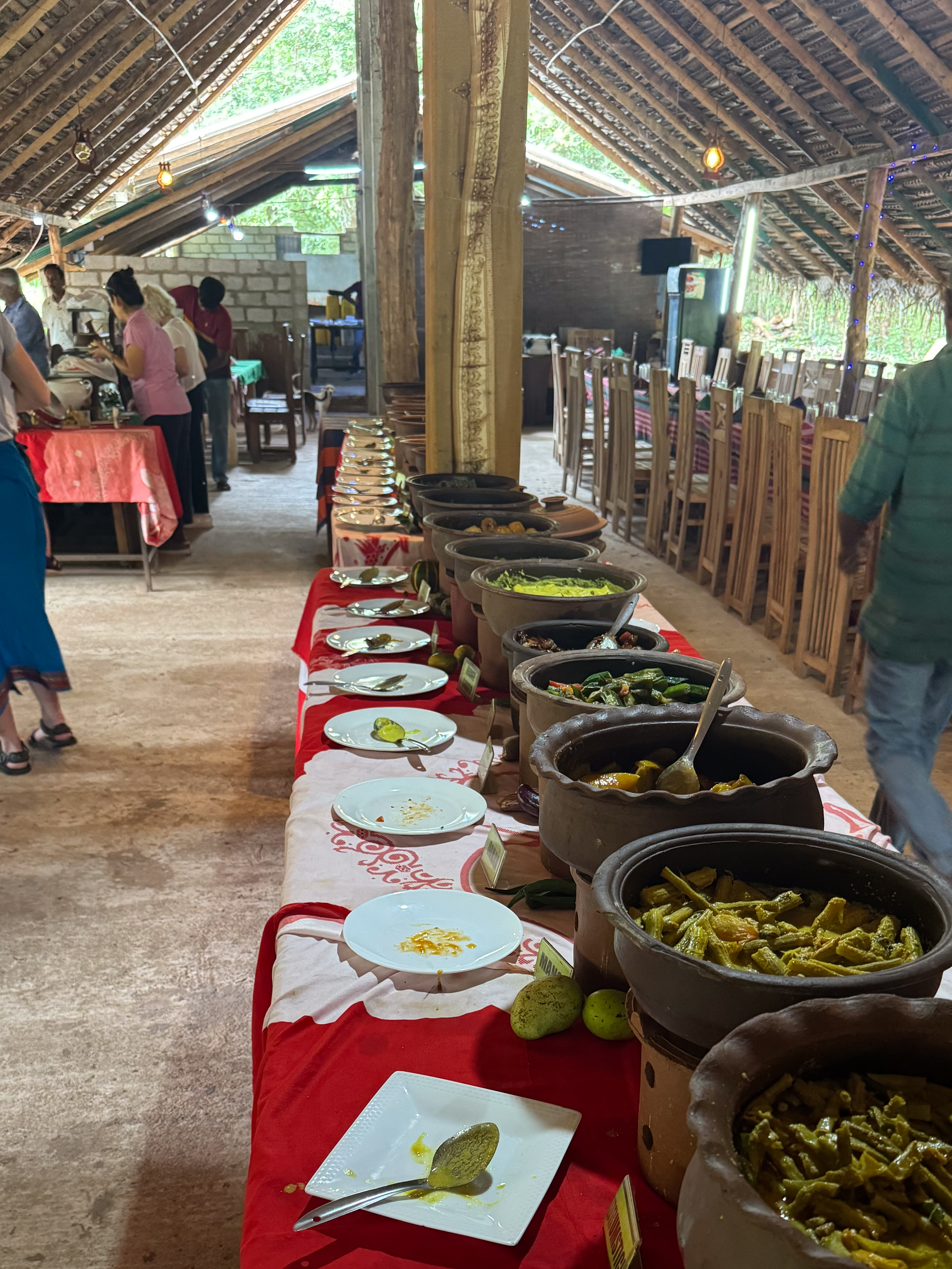
We had a couple of hours drive to to get to Dambulla for some lunch. We had a buffet again, but this one was extensive, with curries ranging from beetroot and eggplant through to the more regular ones like fish and lamb.
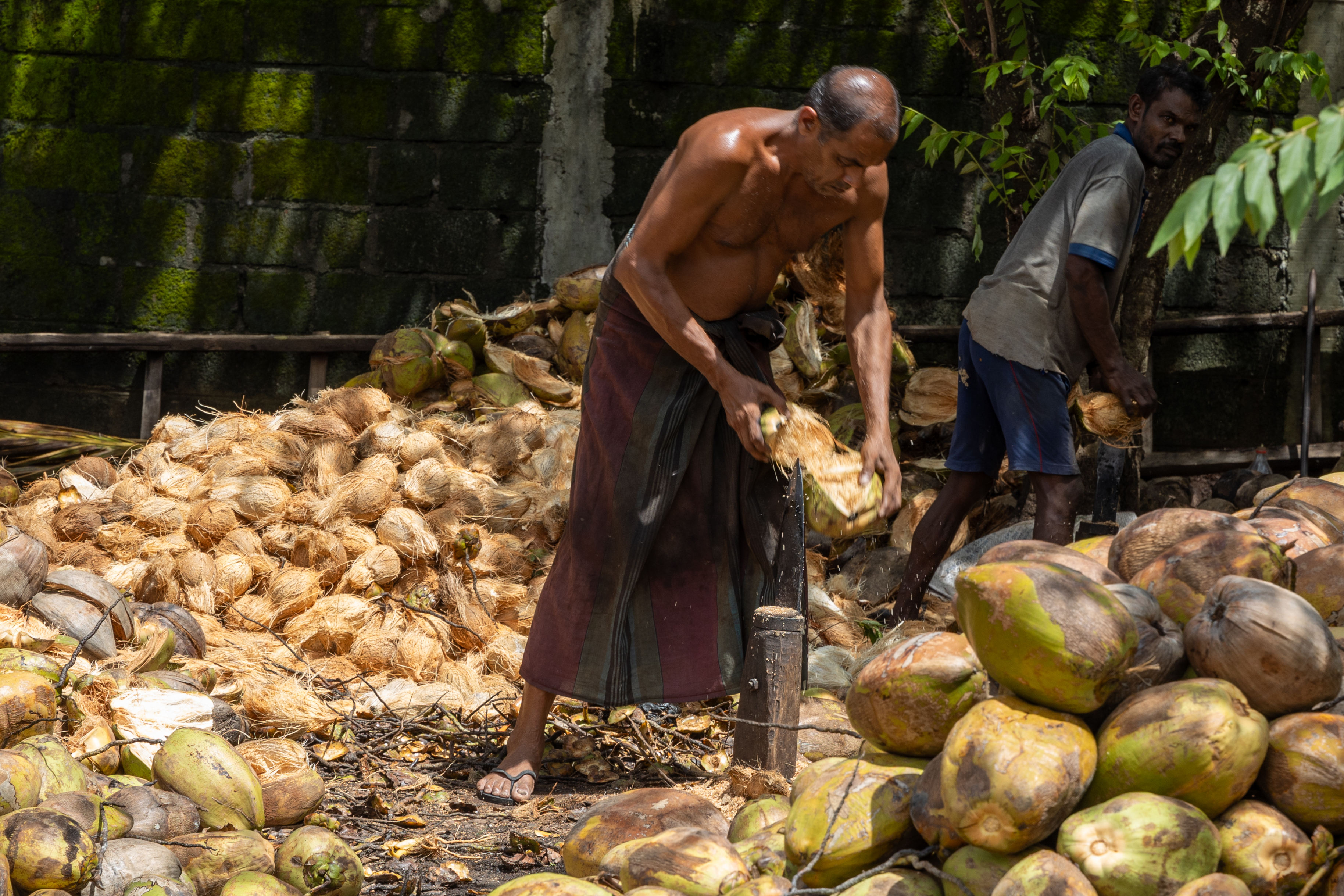
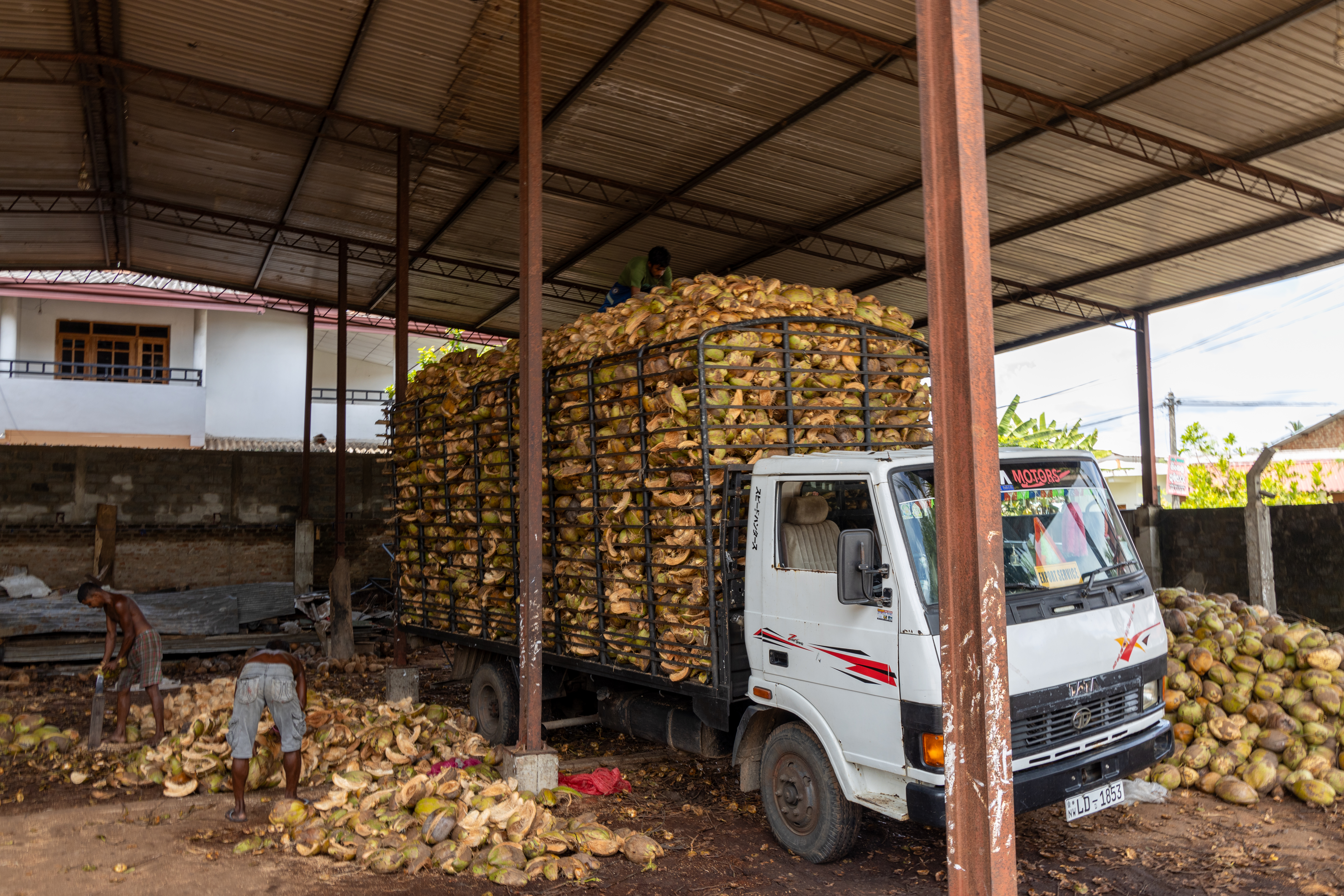
As we continuued our journey, we passed two cool things on our way. Firstly, we stopped at a coconut ‘husking’ operation, where the coconuts are broken apart and the husks loaded on trucks to be transported. The coconuts are husked using a tool that is like a stick embedded in the ground with a sharp blade attached and brute strength applied to split the husks. In Sri Lanka, the coconut palms have multiple uses from using the wood for building, the leaves for thatch roofs and the husks for mattress filling or garden mulch.
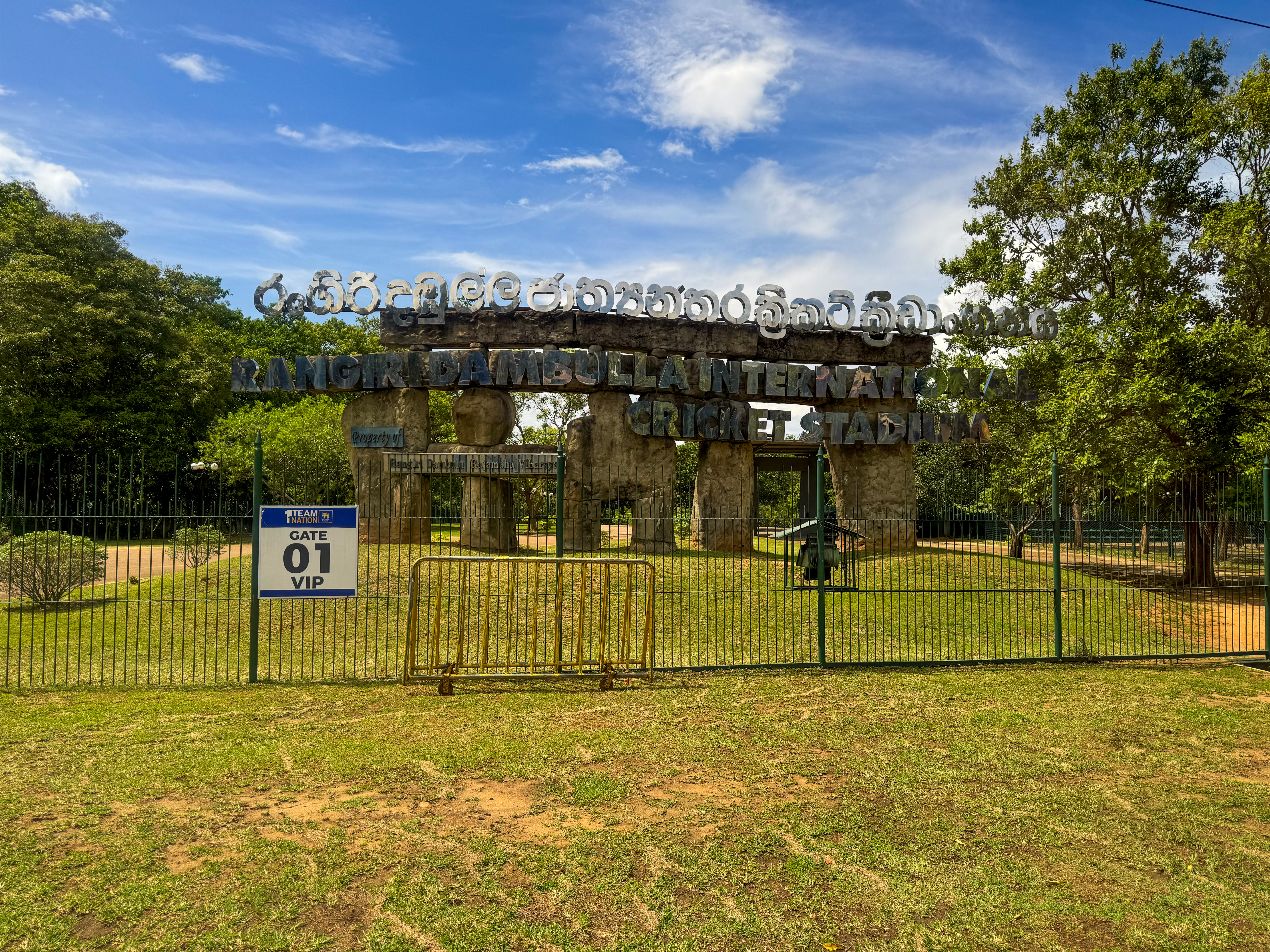
The second thing we passed was the front gate of the Dambulla International Cricket Stadium. This venue holds about 15,000 people and will host some ODIs next weekend against New Zealand. I’d love to stay on for that, but the tour must go on.
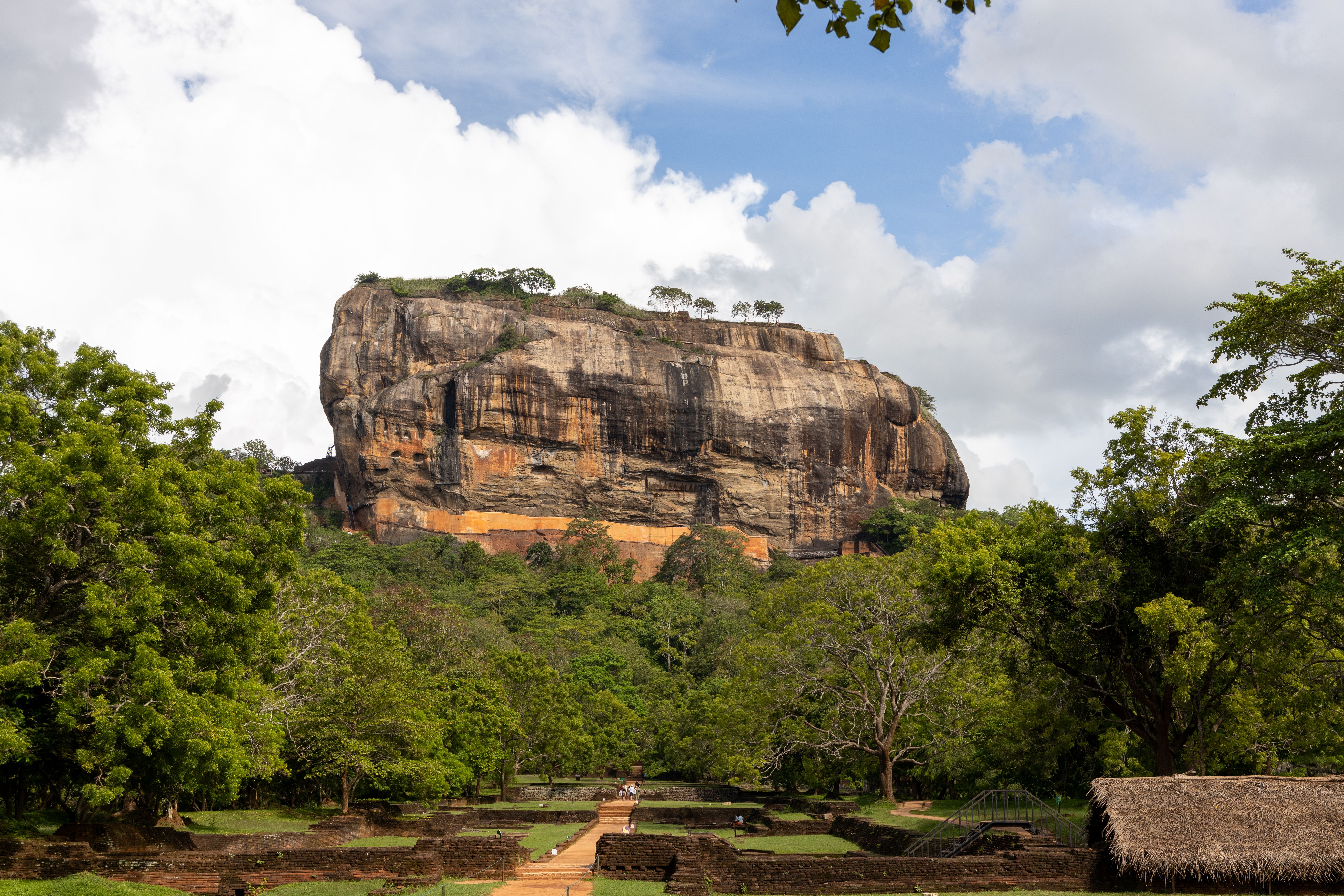
We arrived at Sigiriya at around 2 PM. Sigiriya or Sinhagiri (Also known at Lion Rock) is an ancient rock fortress located near the town of Dambulla. It is a site of historical and archaeological significance that is dominated by a massive column of granite approximately 180 m (590 ft) high.
According to the ancient Sri Lankan chronicle the Cūḷavaṃsa, this area was a large forest, then after storms and landslides it became a hill and was selected by King Kashyapa (AD 477–495) for his new capital. He built his palace on top of this rock and decorated its sides with colourful frescoes. On a small plateau about halfway up the side of this rock he built a gateway in the form of an enormous lion. The name of this place is derived from this structure the Lion Rock.
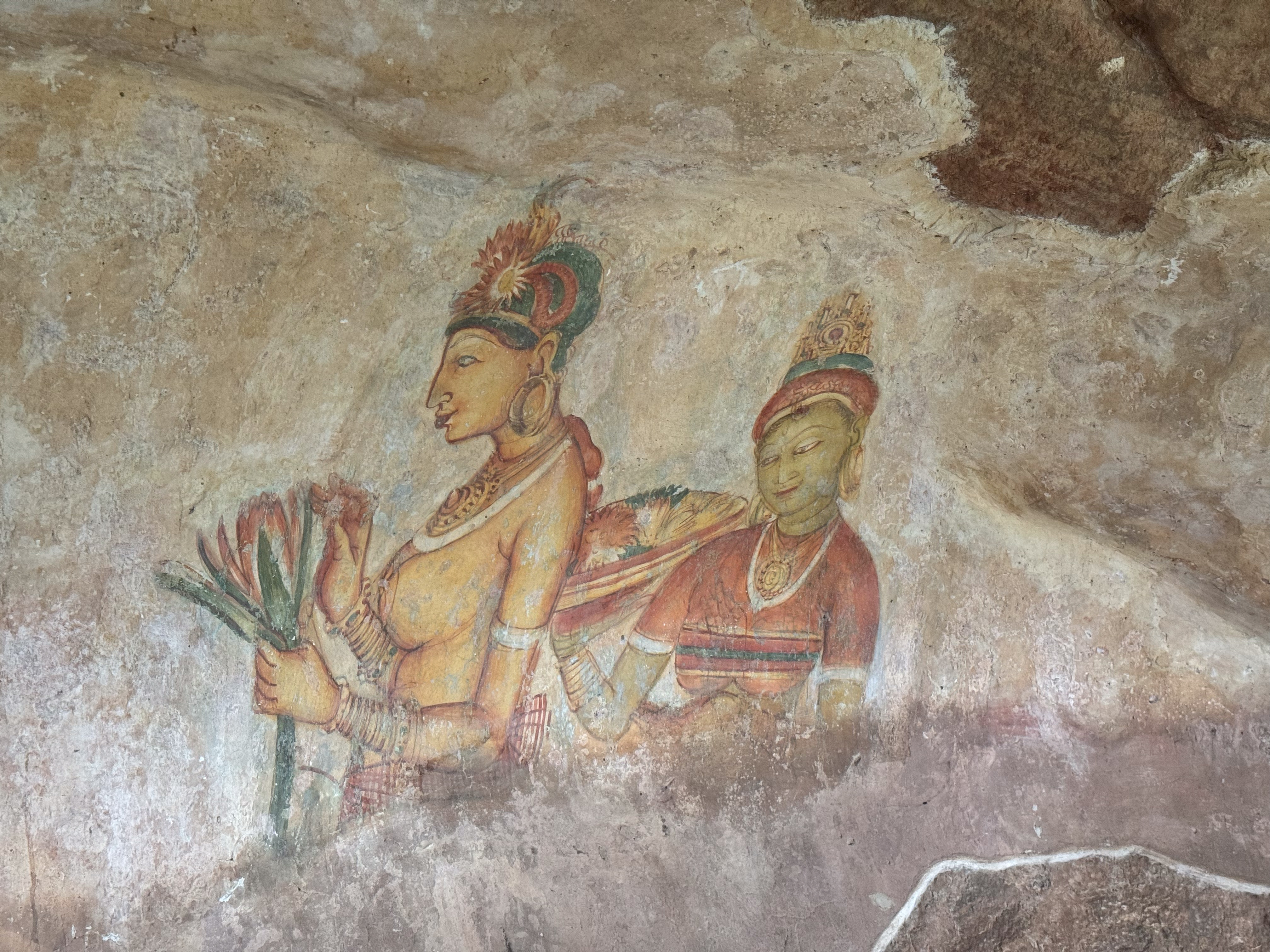
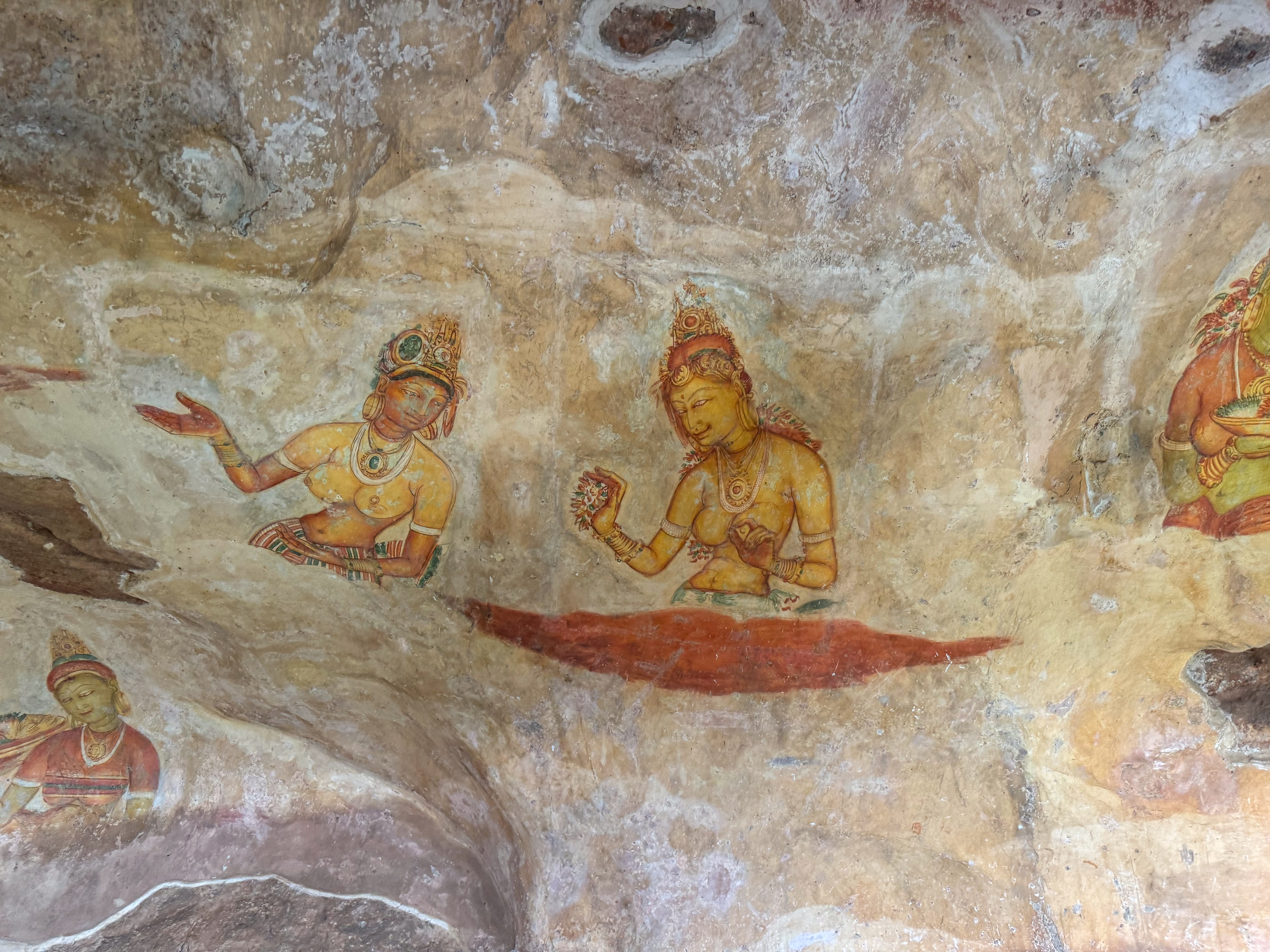
The capital and the royal palace were abandoned after the king’s death. It was used as a Buddhist monastery until the 14th century.Sigiriya today is a UNESCO listed World Heritage Site. It is one of the best preserved examples of ancient urban planning.
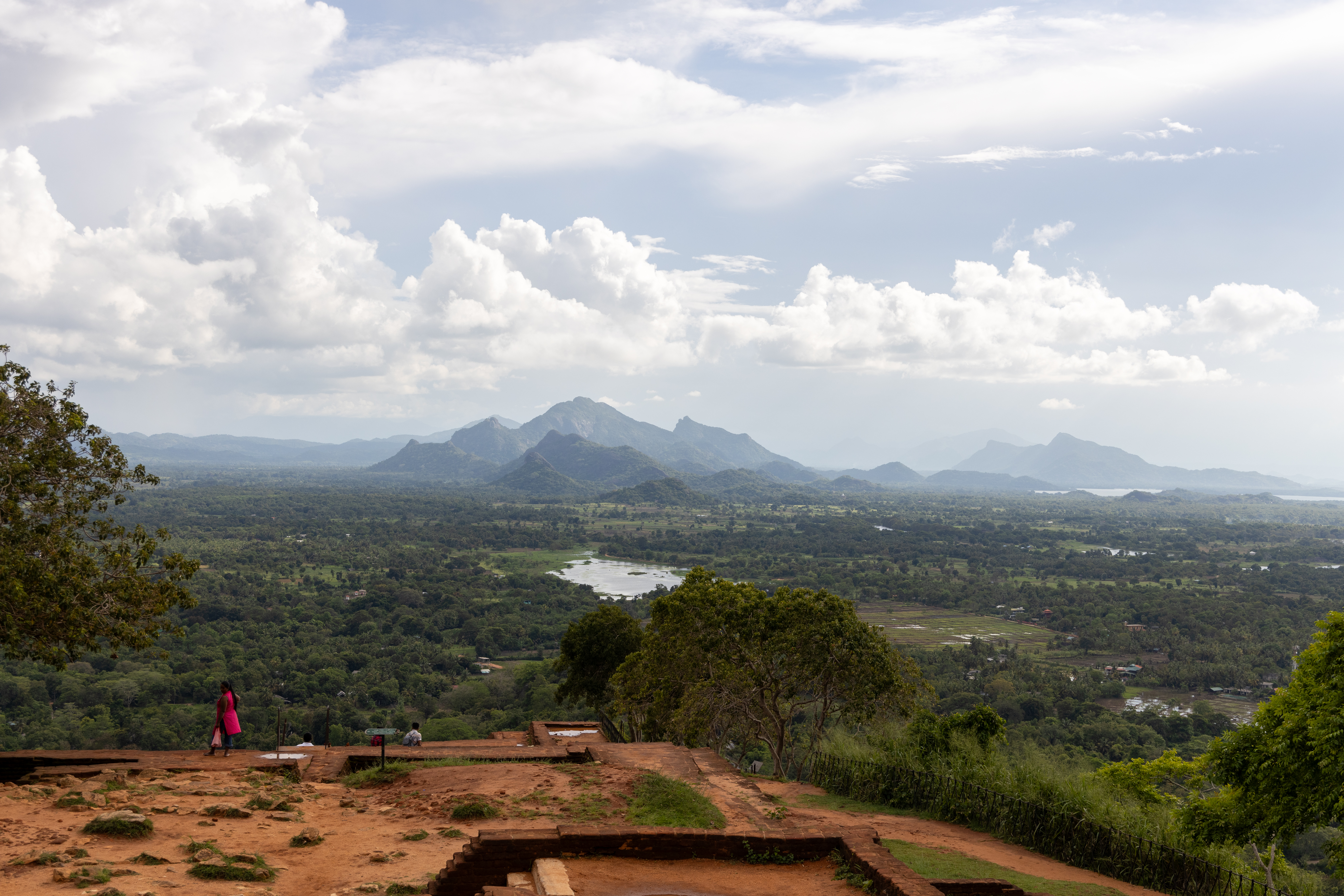
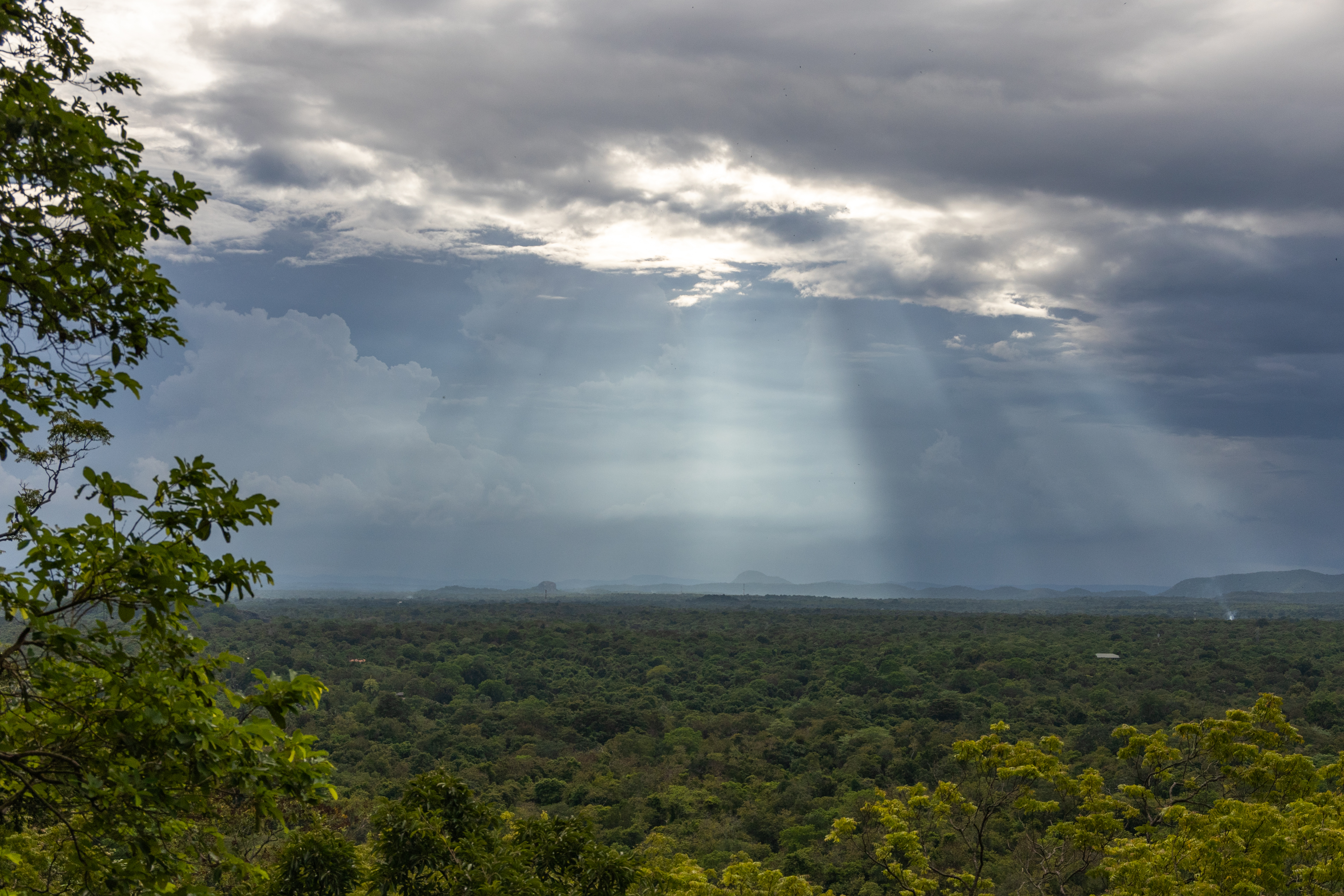
The climb up the rock is pretty physical and not all of the tour group made it to the top. There is over 1,200 steps and the humidity was oppressive. The views from on top of the rock are stunning. We didn’t spend a huge amount of time at the top as storms were expected to roll in.
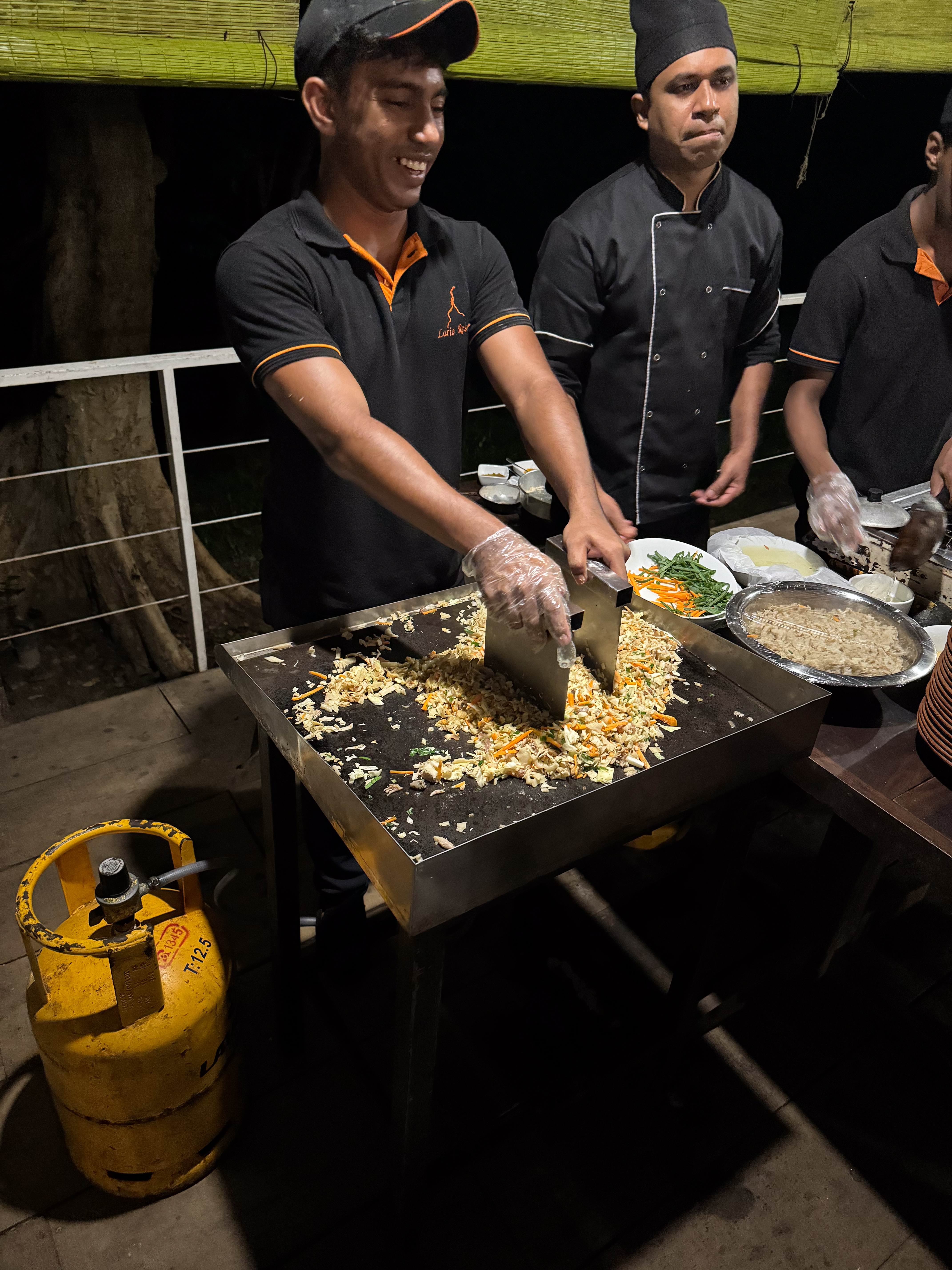
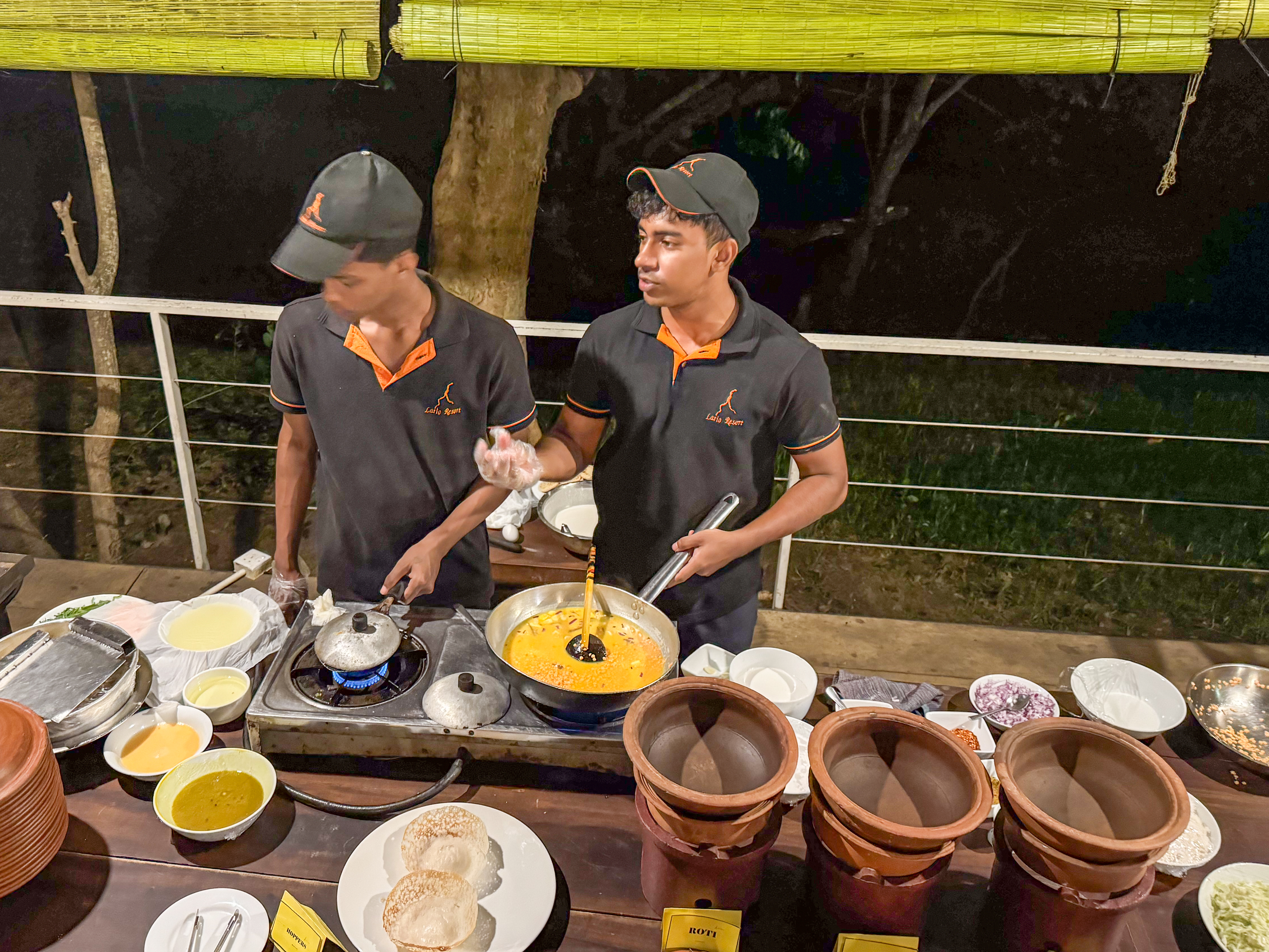
With the climb completed there was only one more thing that was left to finish the day, and that was dinner. Tonight’s offering was a Sri Lankan BBQ complete with a demonstration. Of particular interest was the Coconut Sambal and the Vegetable Kottu which was followed by the standard Sri Lankan Dessert – Buffalo Milk Curd with Treacle.
Following the climb today, I am pretty tired so will leave it there.
Untill tomorrow

 Rob's "Beats Working" Blog