
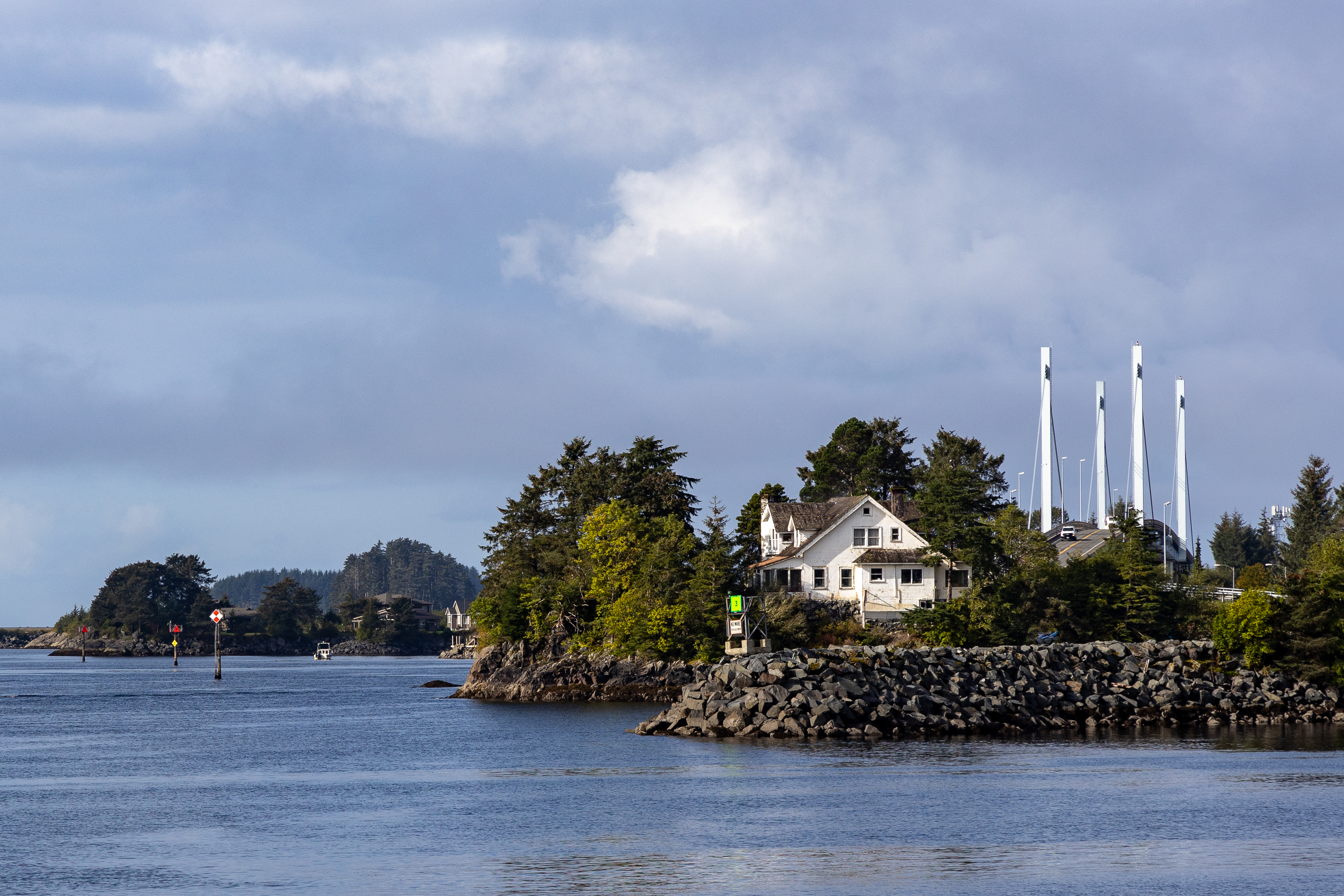
Overnight the conditions improved so much that by morning we could hardly feel that we were still moving. We were close to Sitka in protected waters which was a nice change. We were definitely back in forest country that looked pretty magical as we came into port. Deb has come down with a bit of cold, a bit like the one I’ve had for the last few days, but a worse case. She was less enthusiastic about the morning views.
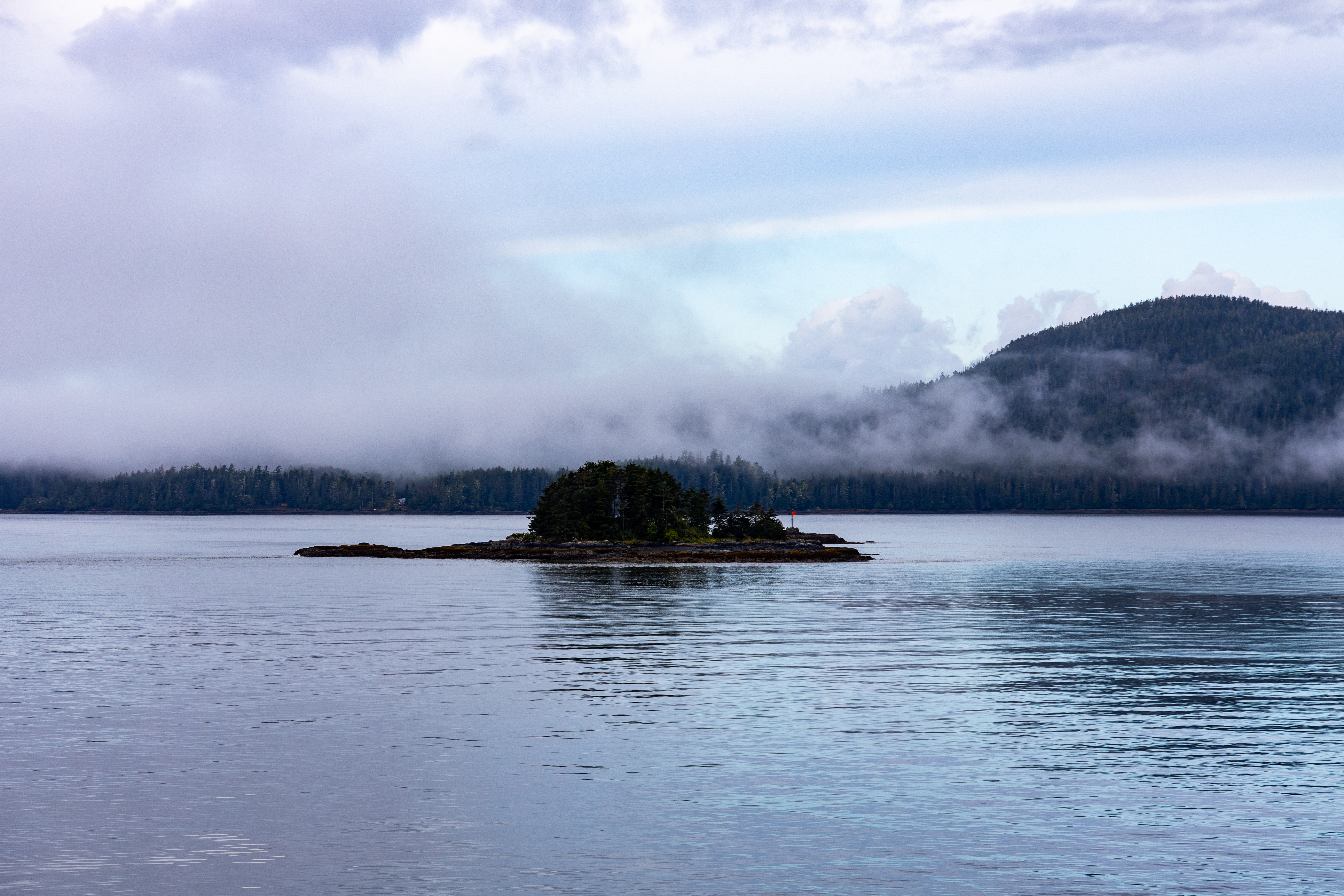
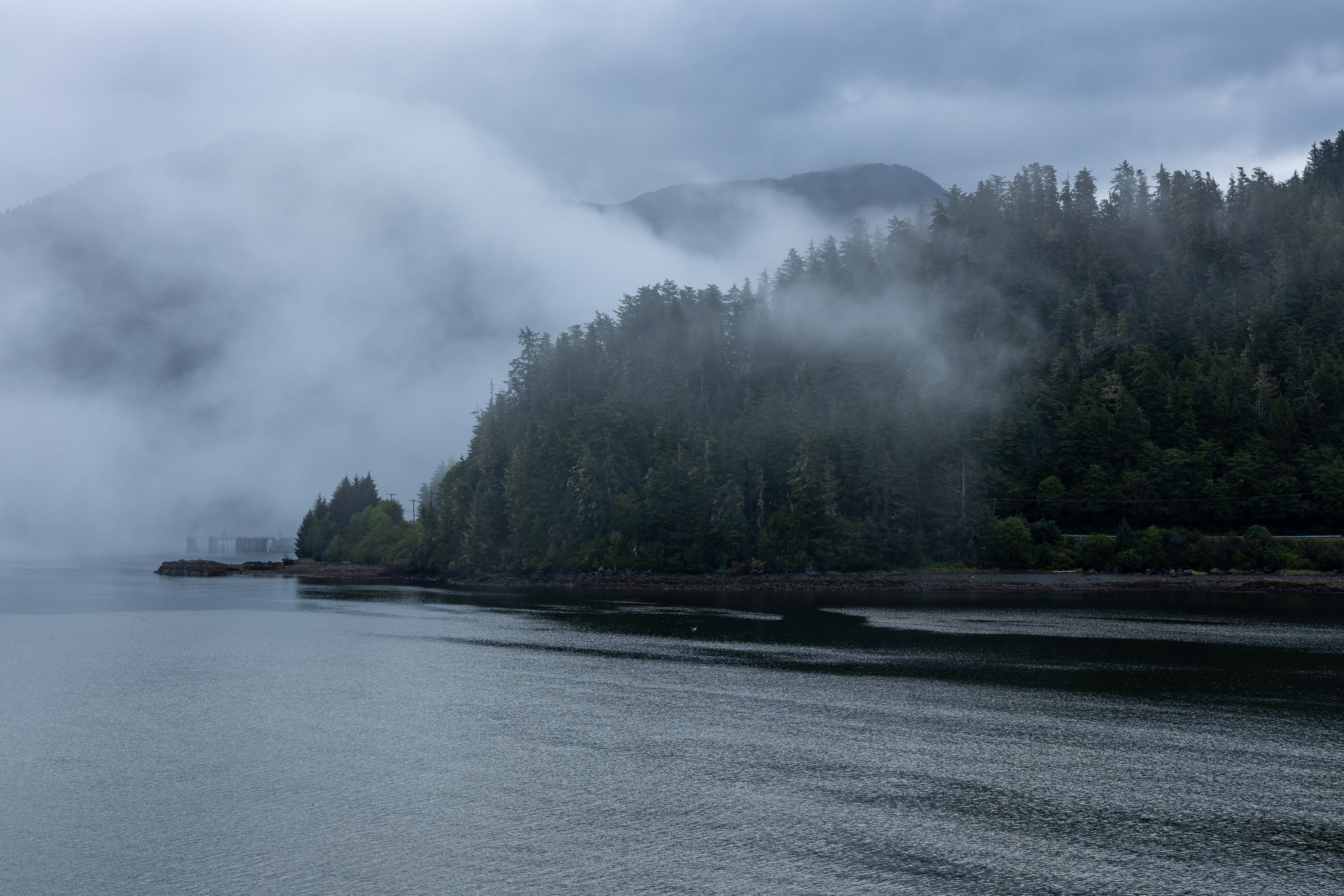
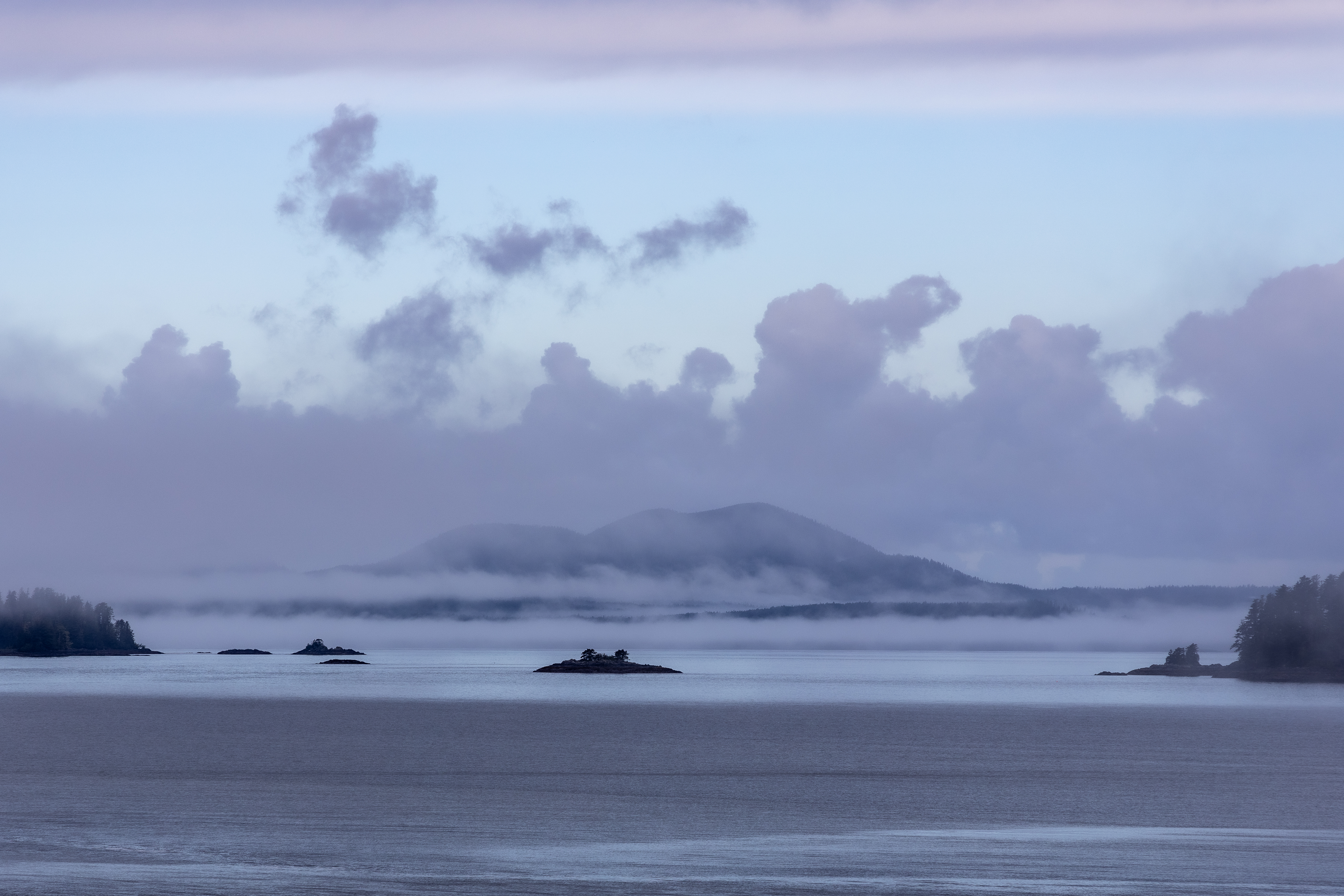
We opted for a light breakfast, knowing we’d need to have an early lunch before going on a wildlife tour. There is a shuttle bus that take passengers to downtown Sitka which takes about fifteen minutes.
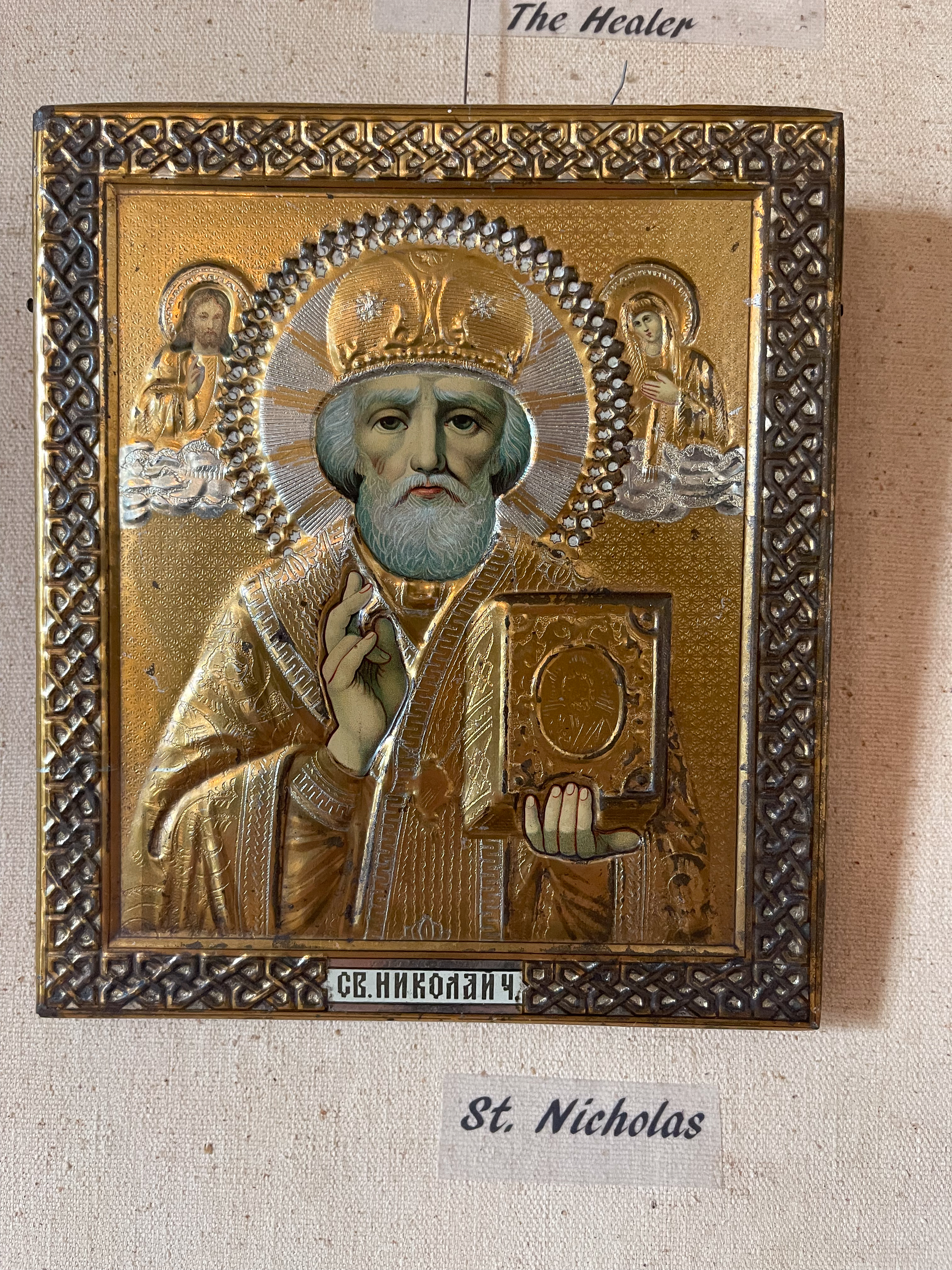
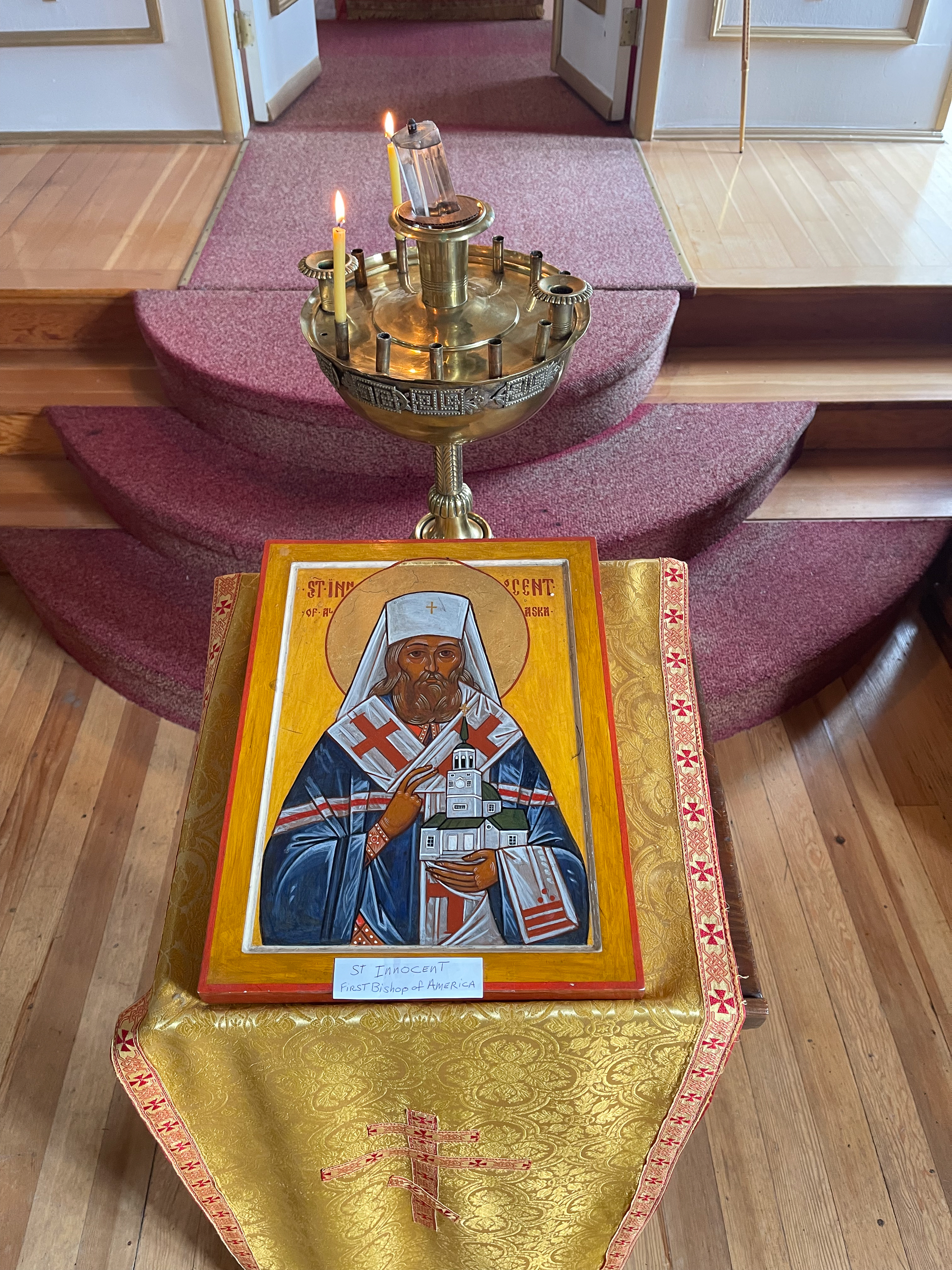
Sitka was the site of the transfer ceremony for the Alaska purchase in October, 1867. Russia had significant economic and political struggles after losing the Crimean War to Britain, France, and the Ottoman Empire in 1856, and decided it wanted to sell Alaska before British Canadians tried to conquer the territory. Russia offered to sell it to the United States at a price was $7.2 million, at 2 cents per acre. There is still a Russian Orthodox church here with many amazing historical items held within.

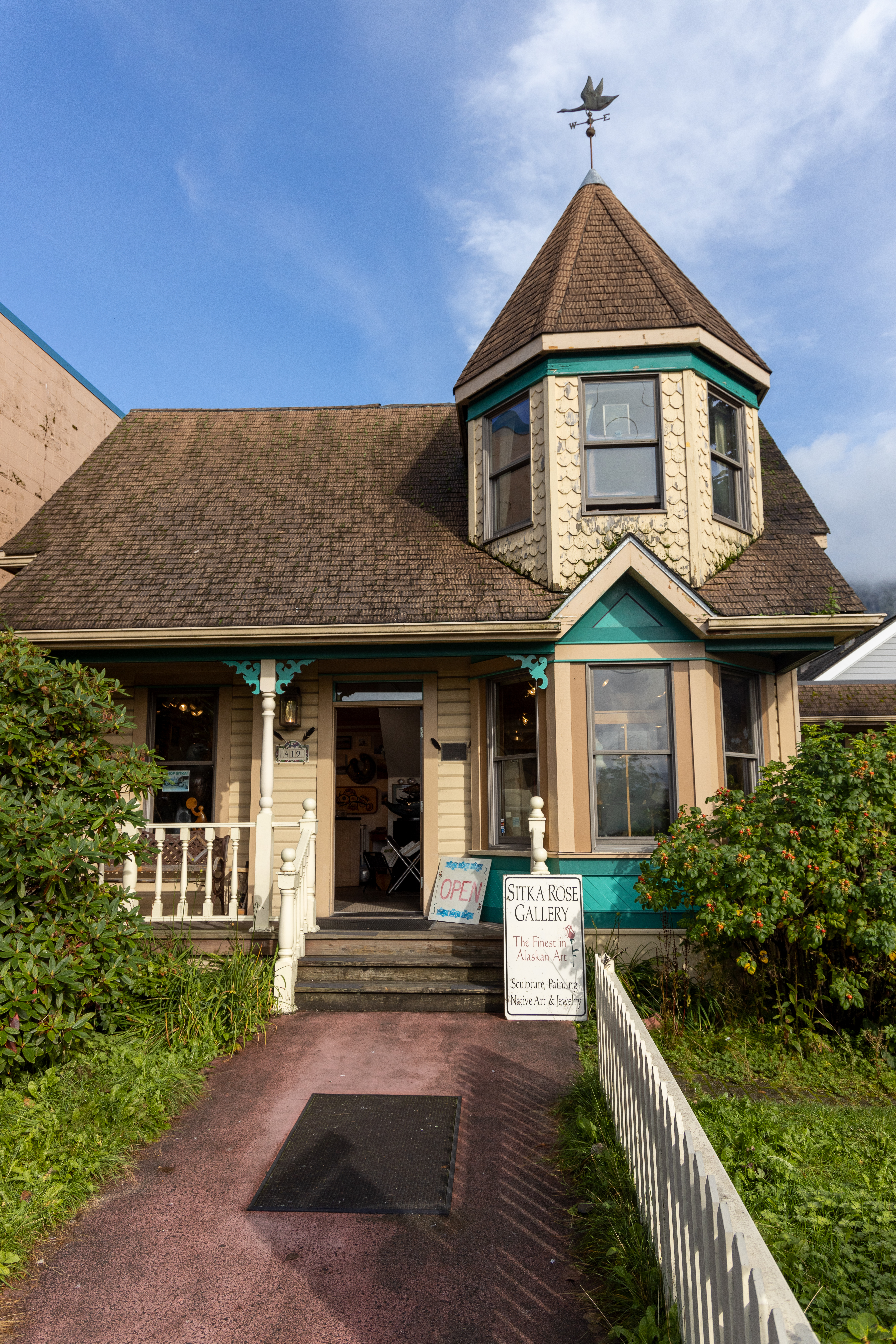
The town of Sitka now houses about 8,000 people with the main industries being fishing and tourism. There are some lovely wooden houses and great views of the surrounding barrier islands.
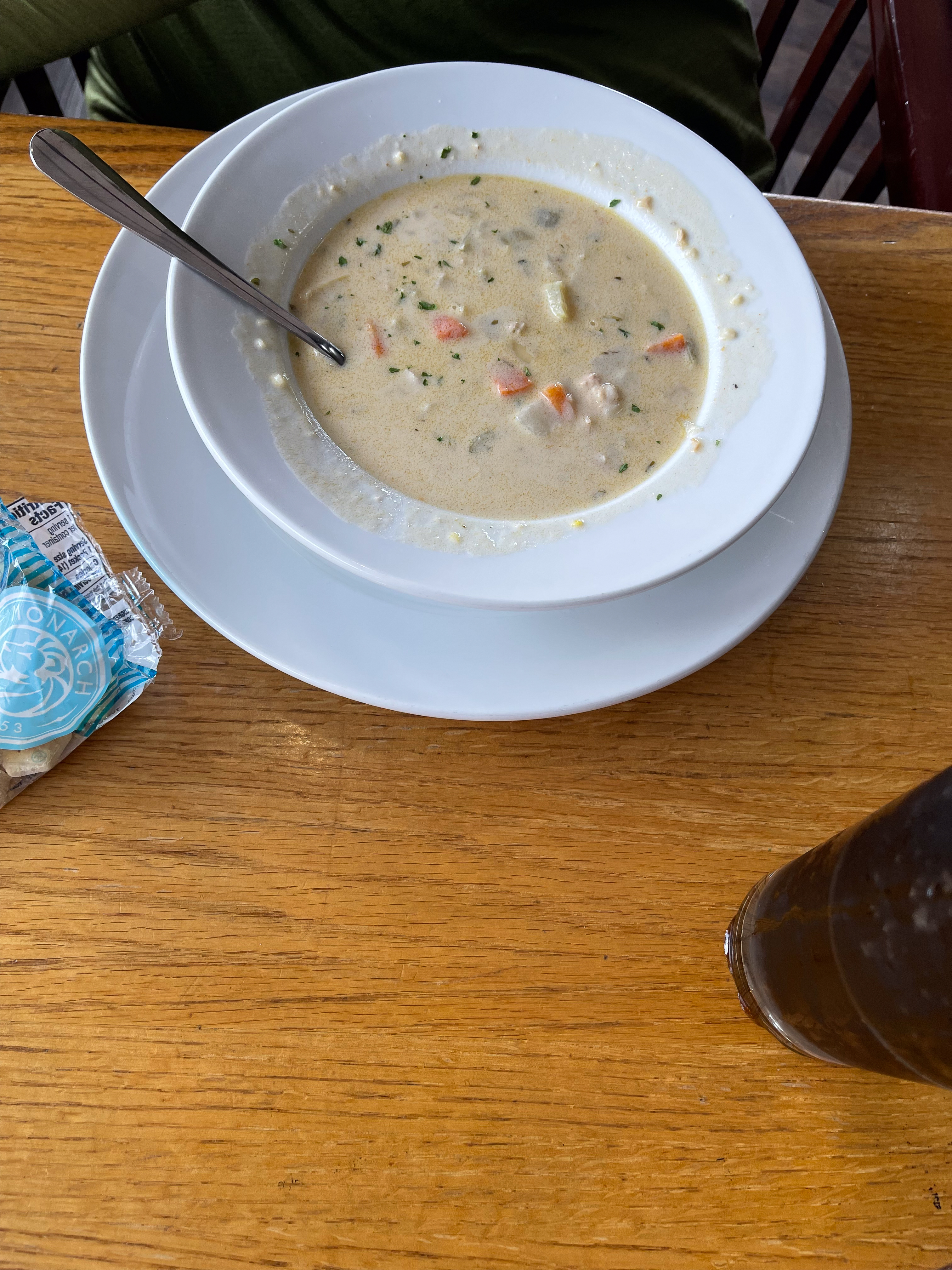
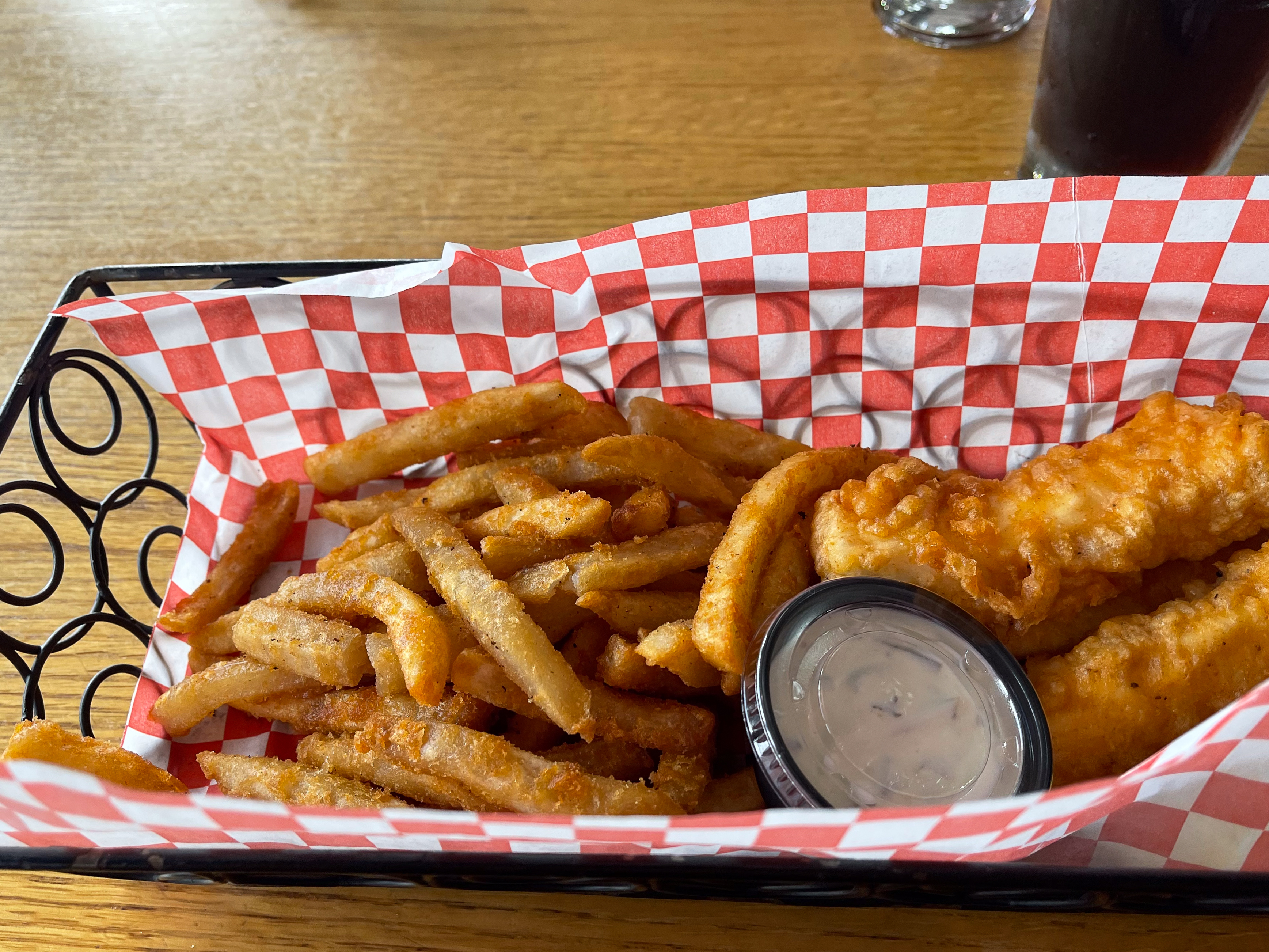
We had some lunch at a local pub. About all Deb could handle was a seafood chowder, while I had some halibut and chips. Halibut is fished locally and was fresh and delicious.
Following lunch we met up with our wildlife tour, which turned out to be amazing. Our host, Rachel was so knowledgeable about the animals that live in the area and the boat’s captain (Chad) knew exactly where to find them. She also knew about the forests and the Cedar, Alder, Spruce and Hemlock trees that dominate this area. We started with watching some salmon run. In this case, there is a large hatchery here that improves the survival rates of salmon from about 5% up to 90%, which retains their numbers in the wild. Salmon farms are not well regarded in Alaska because they reduce the nutritional value of the final product and concentrate problems like lice and disease.
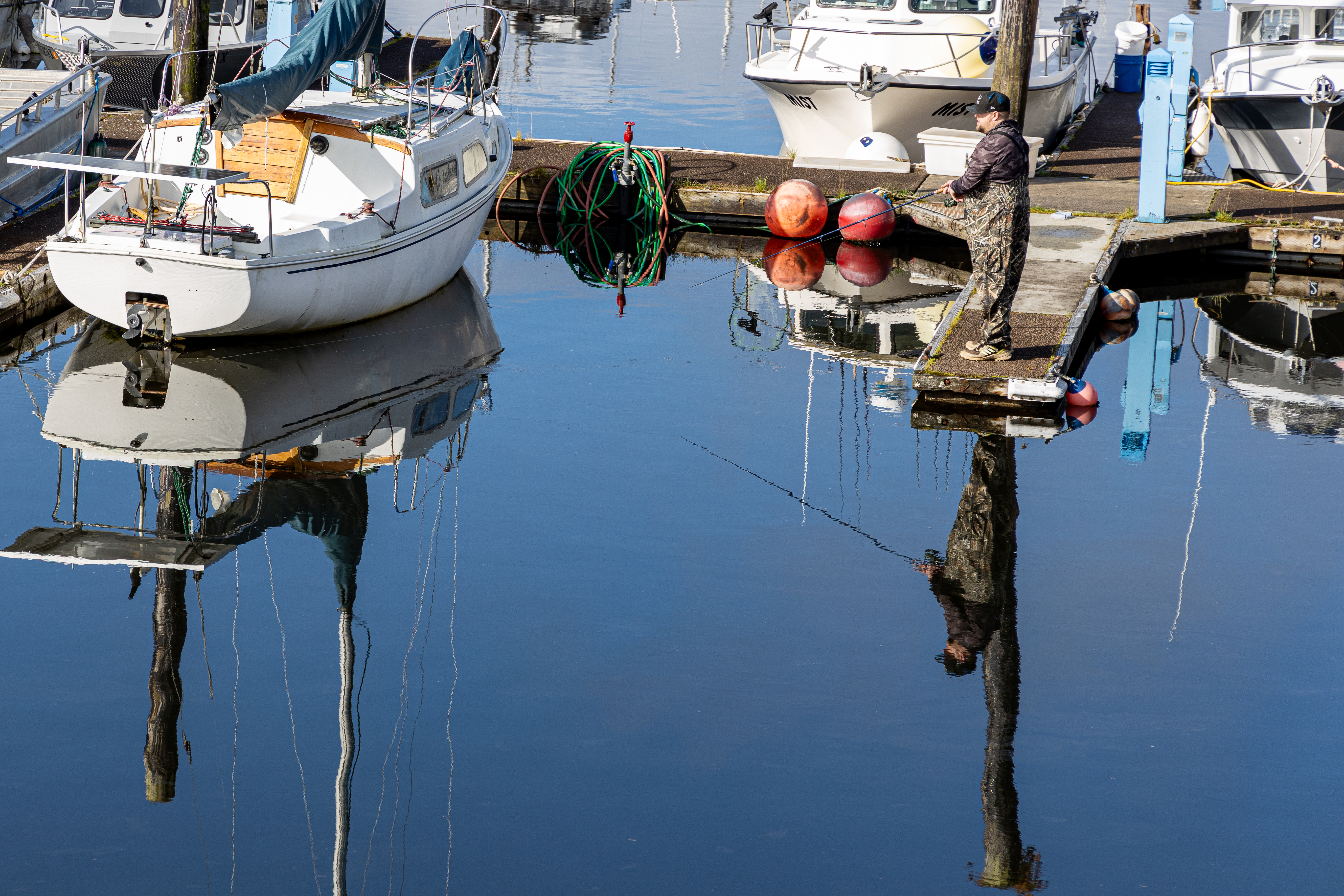
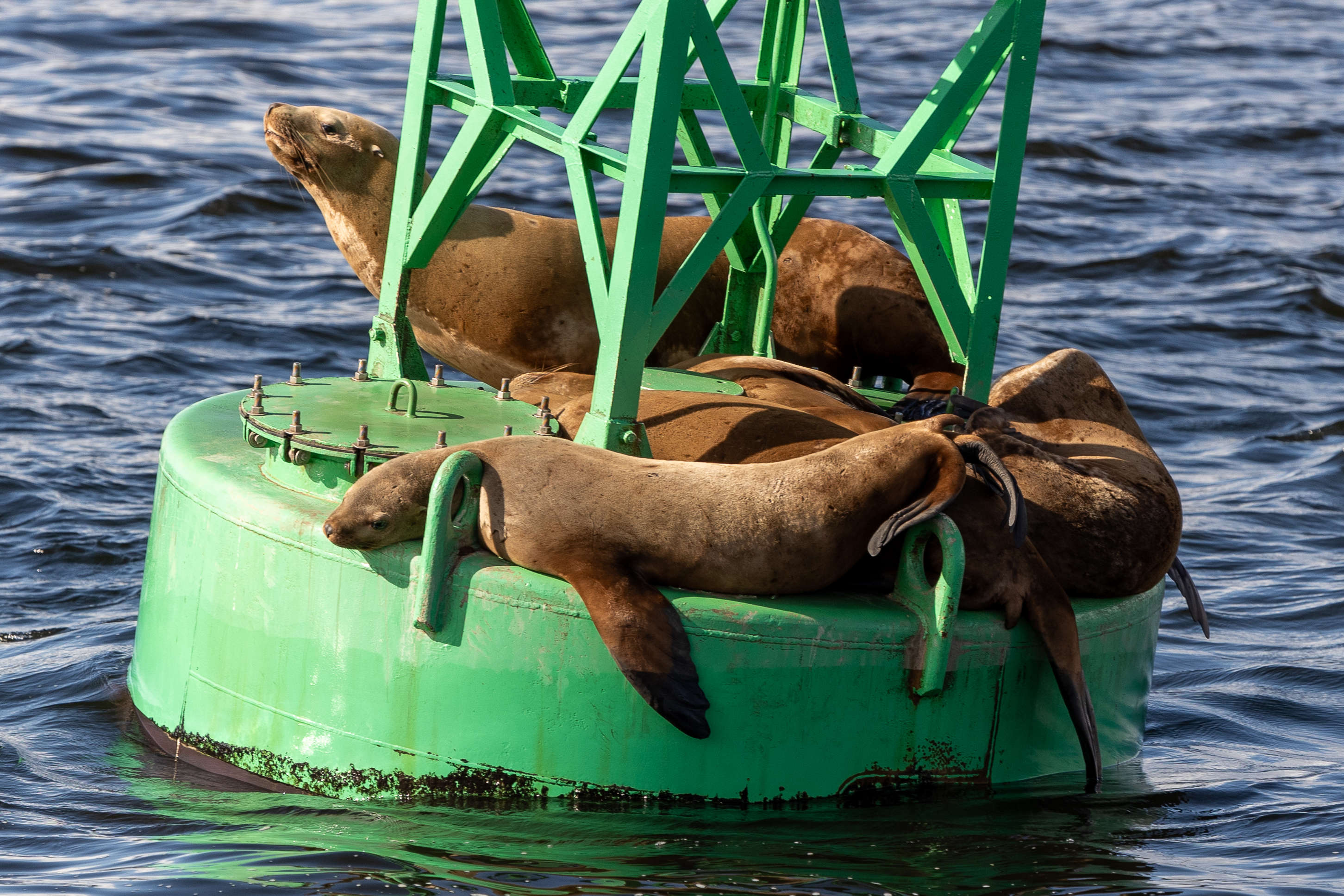
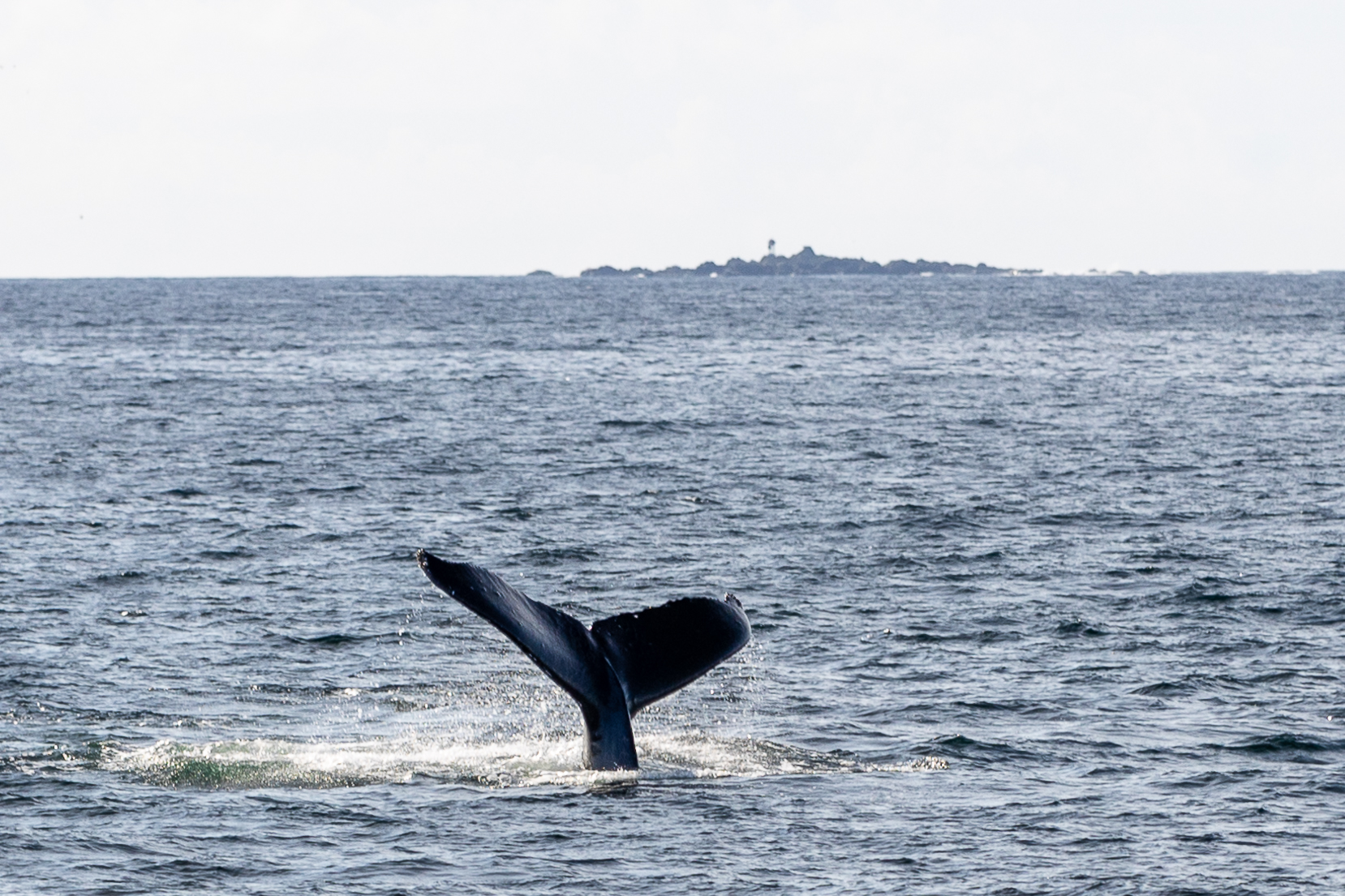
After leaving the jumping salmon, we visited a group of sea lions sunbaking on a navigation bouy, before coming across a large pod of whales, who entertained us for some time, one of them actually breaching, but of course not when I had the camera ready. I don’t know how many whales there were in this pod, but I’ve not ever seen so many whales in one place.
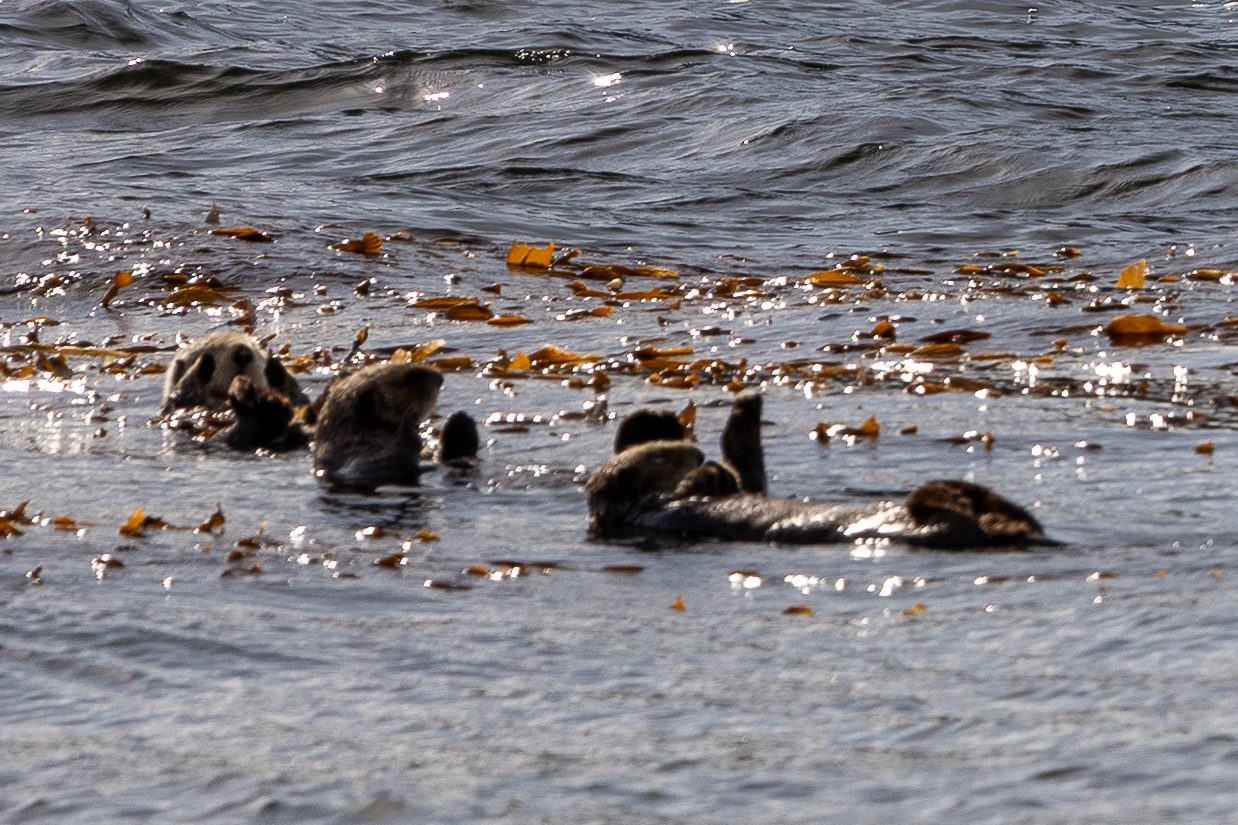
From there we went to the kelp beds and watched some sea otters. They were bigger than I thought and apparently some grow to around five feet (160cm) long. They are a member of the weasel family so are quite efficient hunters.
We then saw a bald eagle before looking at some of the local scenery before returning to the ship. Interestingly, the Bald Eagle population is still very strong in Alaska, making up about 2/3 of the population in the entire United States. They are a long way from the mid-west farms that used the pesticide DDT, which has decimated populations in the main US states.
We left port around 5 PM and heading out of the protected areas it is pretty windy and the waves are picking up again. We have to travel the length of Baranov Island before we get into protected waters again. This will take until midnight or so.
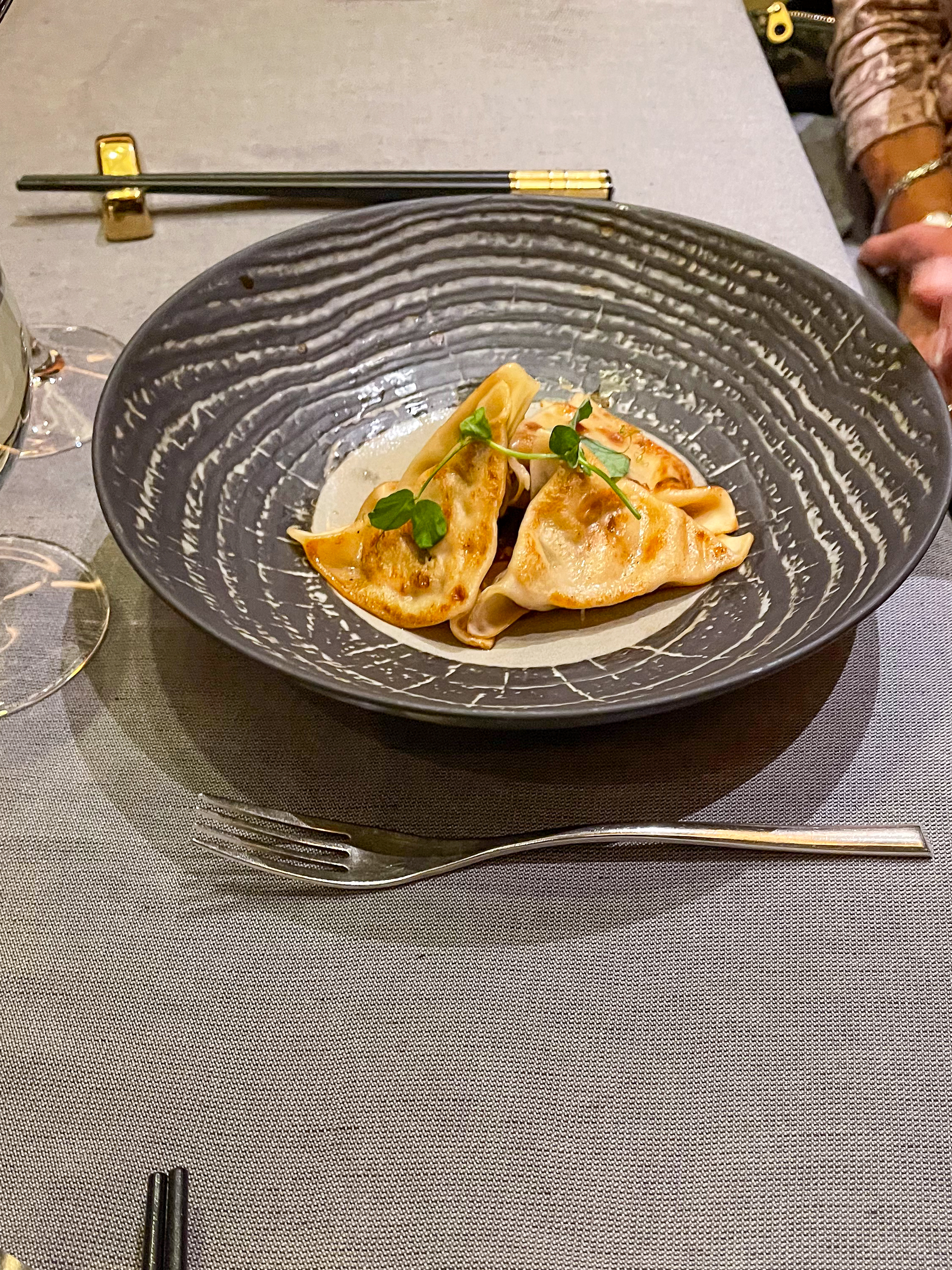
We had one of our booked dinners at the fancy restaurants tonight. Deb dragged herself out and we ate at a shared table with a group of Americans who did seem to spend large amounts of their lives cruising in their retirement. The restaurant was called Pacific Rim, was Asian Fusion and completely staffed by females, from the maitre’d and sommelier to all the serving staff.
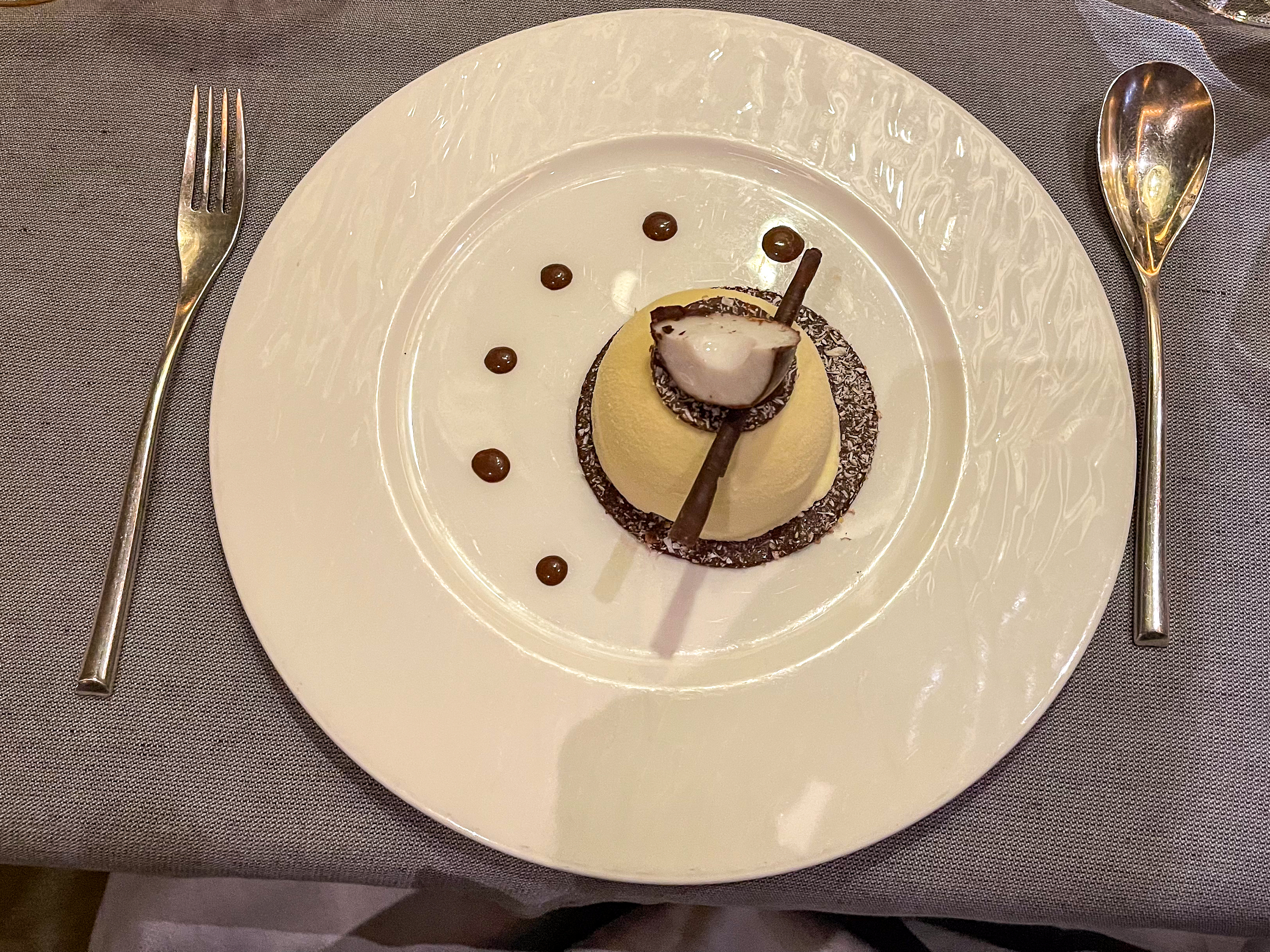
Deb and I both had the Sashimi for starters. I had Miso Cod while Deb had Gyoza for mains and I had a Rum cake for dessert while Deb had Lychee sorbet.
Until tomorrow!

 Rob's "Beats Working" Blog