
We woke up to a beautiful clear morning today, but the wind warnings were still current. It wasn’t a cold wind, but very consistent. I guess that’s why the wind farm is here in Edithburgh. We checked out of our apartment which was pretty good on the whole except the bed was only long enough for a hobbitt to sleep without dangling feet.
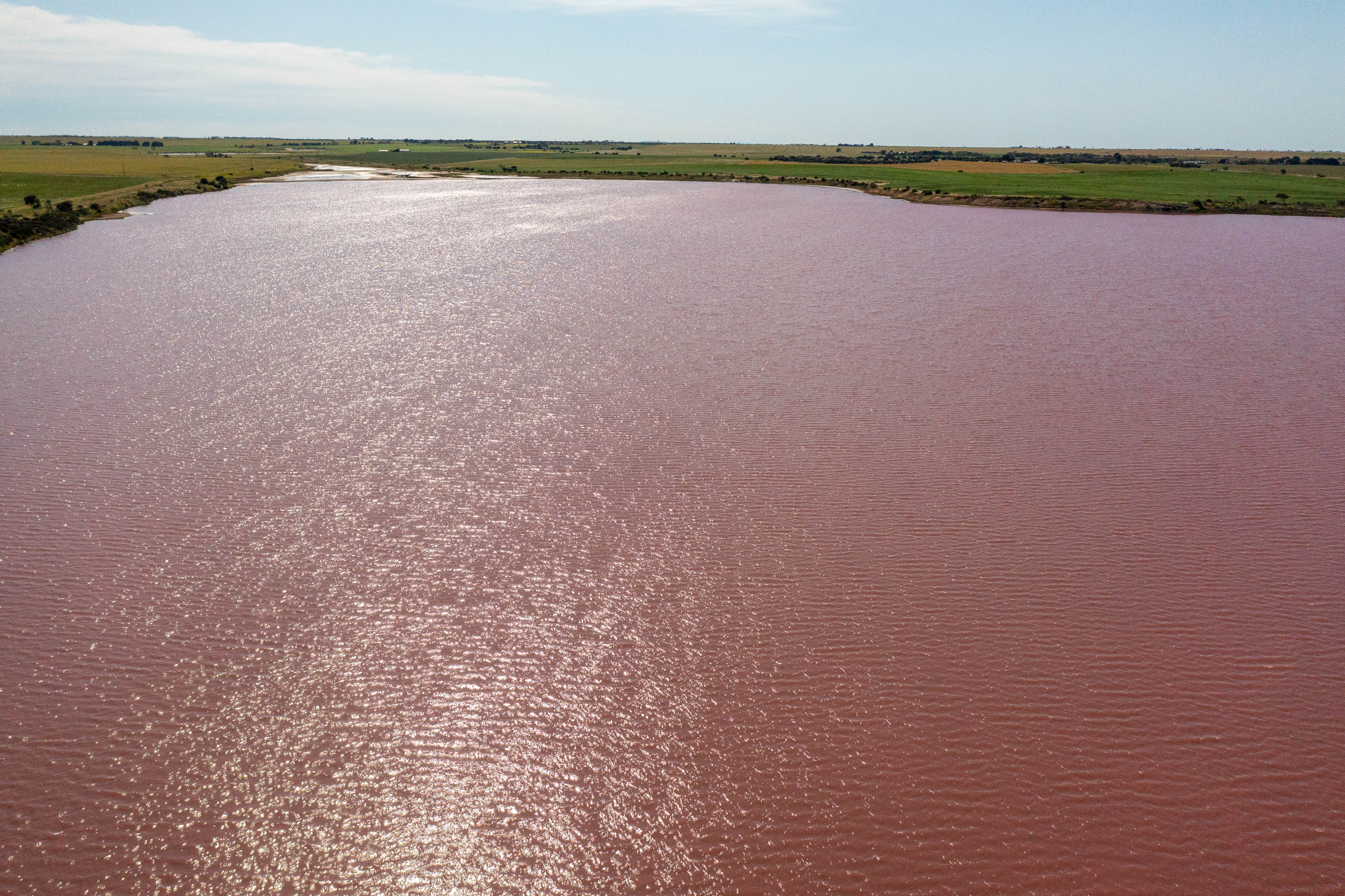
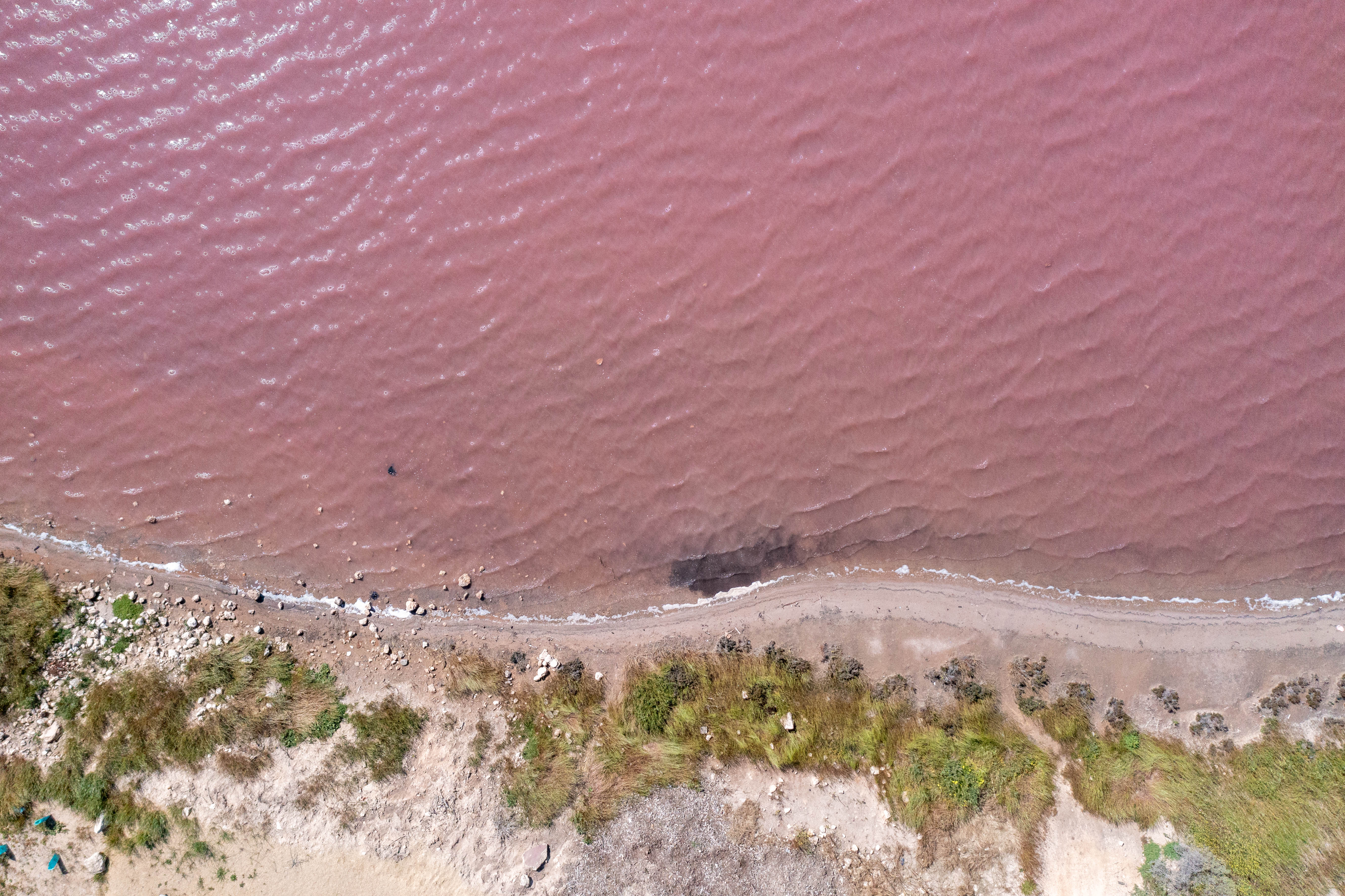
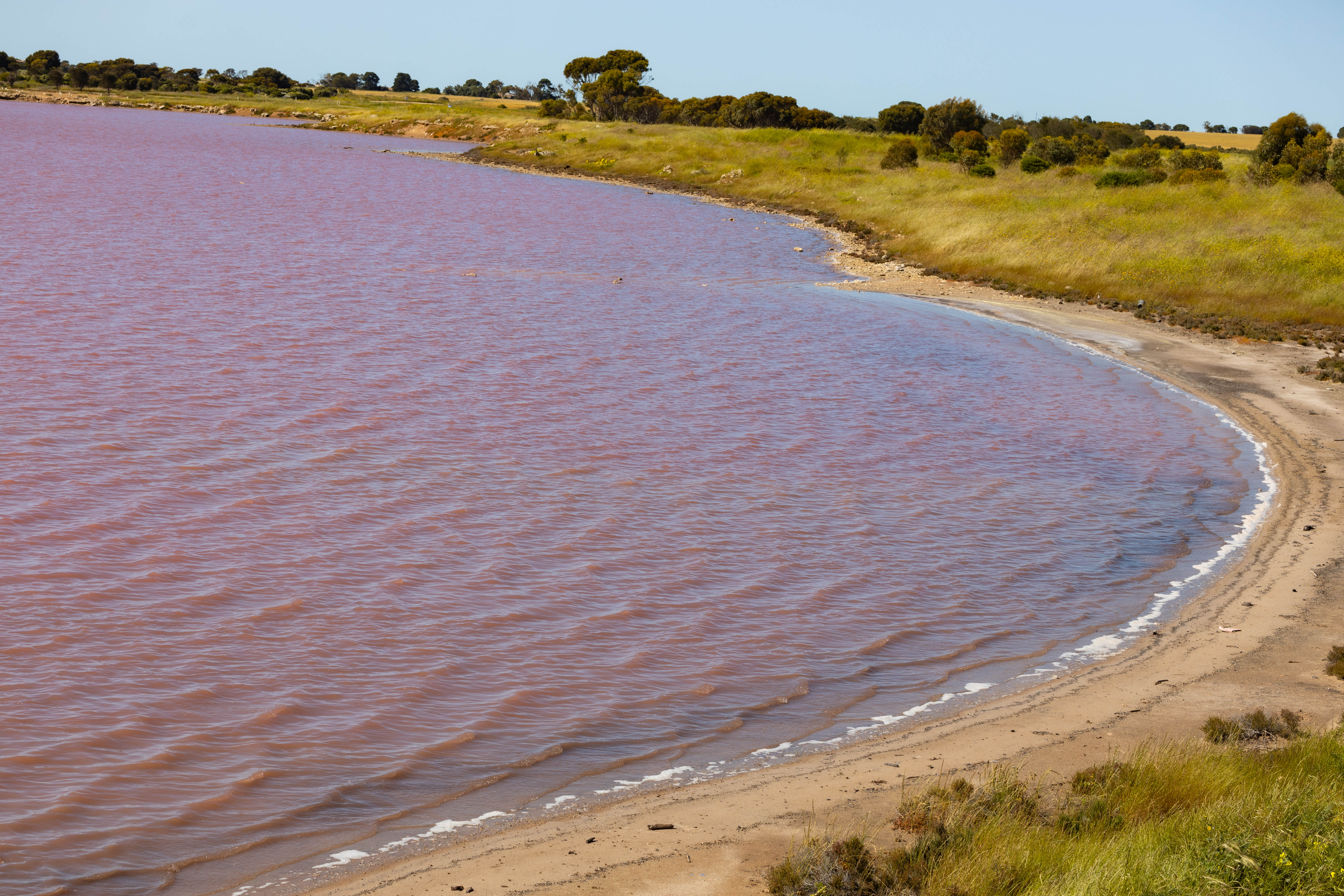
We knew that the breakfast options were limited so we found a cafe in Yorketown to satisfy my need for breakfast. Our first stop for the day was the ‘Pink Lake’ which unlike many other lakes by this name was actually pink. It has this colouring due to bacteria and algae living in the salt crust in the lake. This part of Yorke Peninsula has numerous salt lakes that feature different colouring.
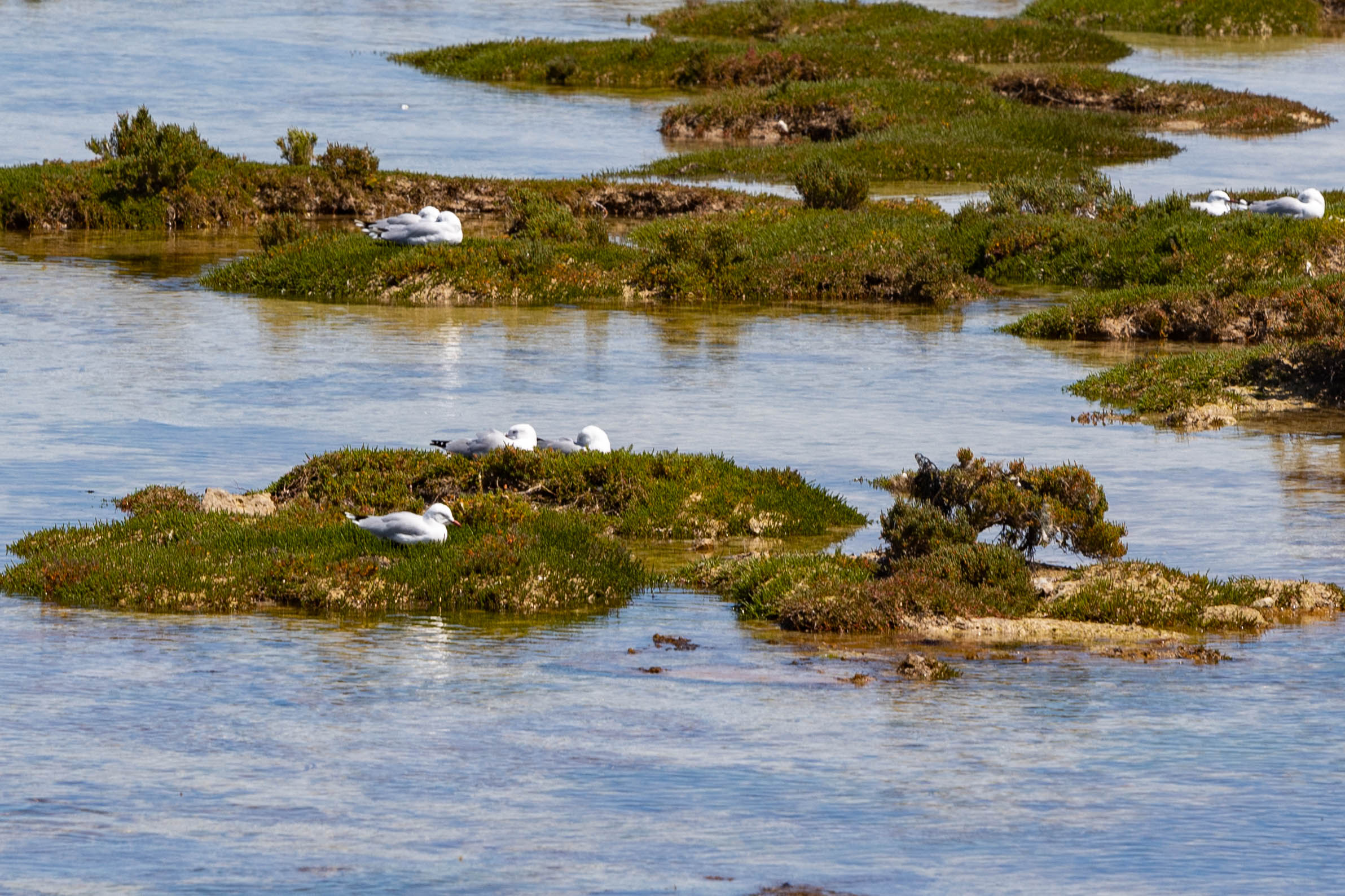
Our plan today was to work our way back up the western side of the peninsula trekking up the Spencer Gulf. Our first stop on the western side was Point Turton, which was another point where ships were loaded with cargo to be sent to Adelaide. In this case it was locally grown barley and stone from a local quarry, that was situated near the jetty. The quarry ceased operations in 1917, but the jetty continued to be used for shipping goods. These days it is reputedly a good spot to catch salmon and prawns. The Spencer Gulf is renowned for it clear blue water and abundant wildlife, despite the amount of industry that it hosts.
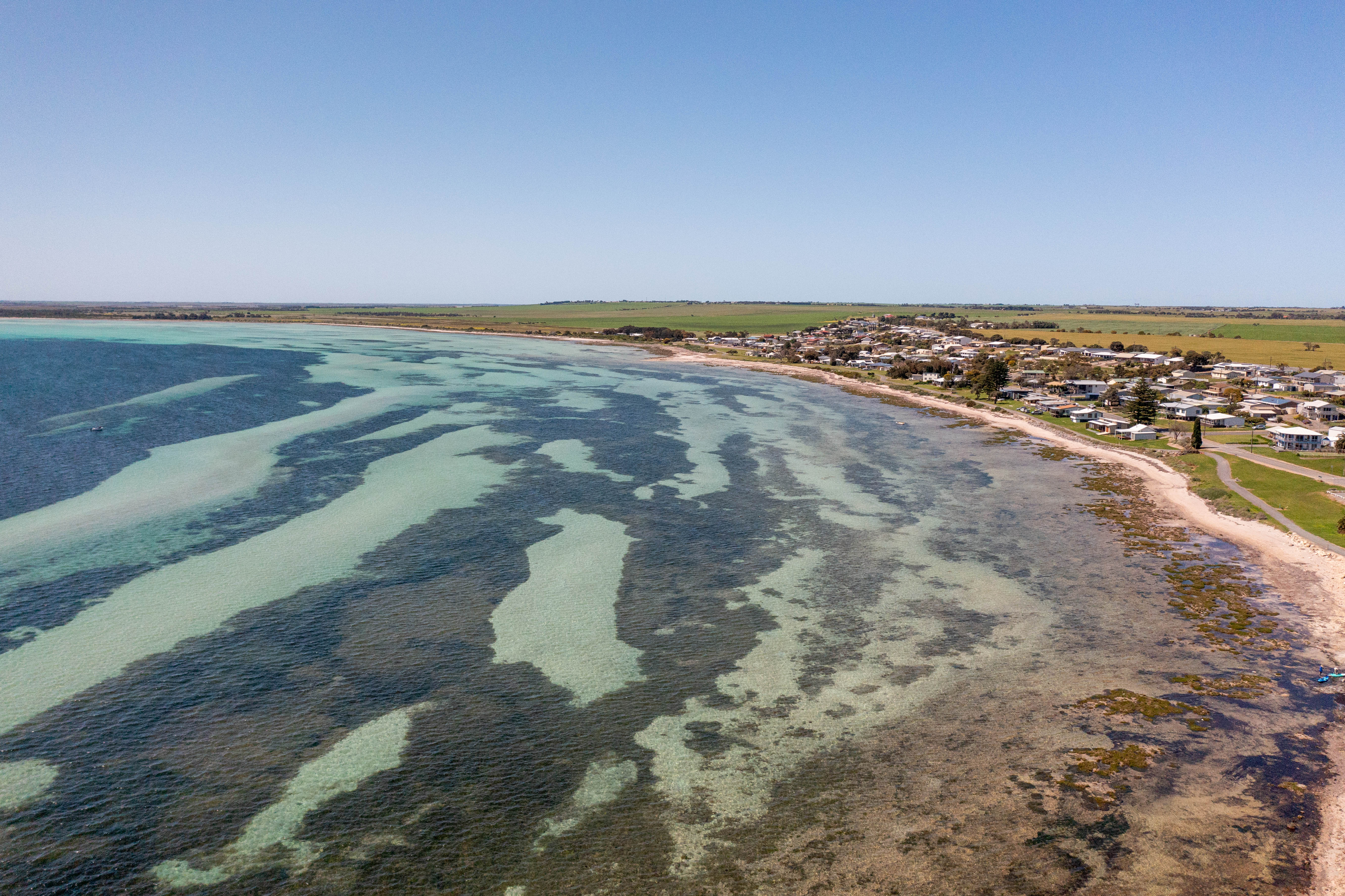
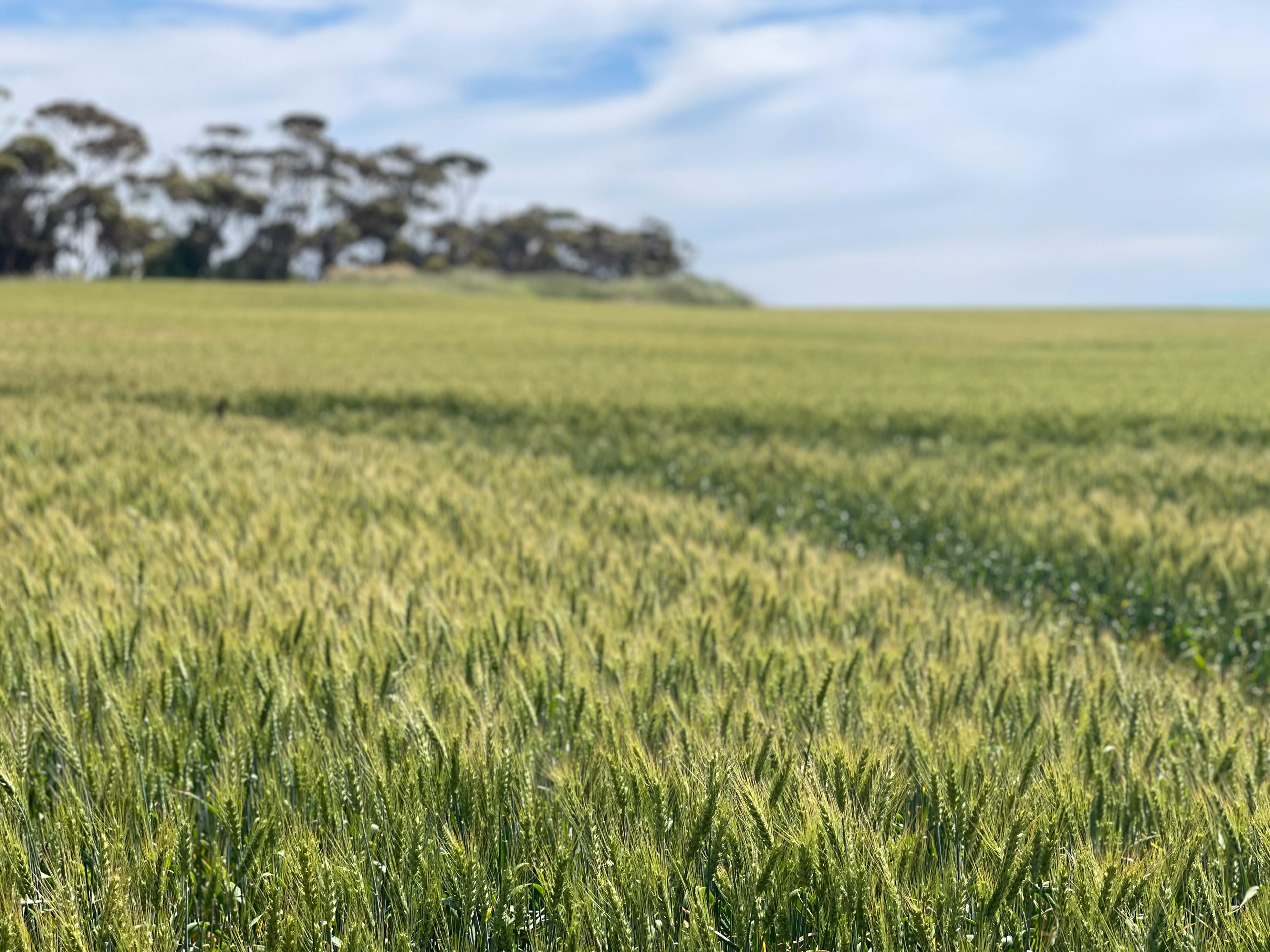
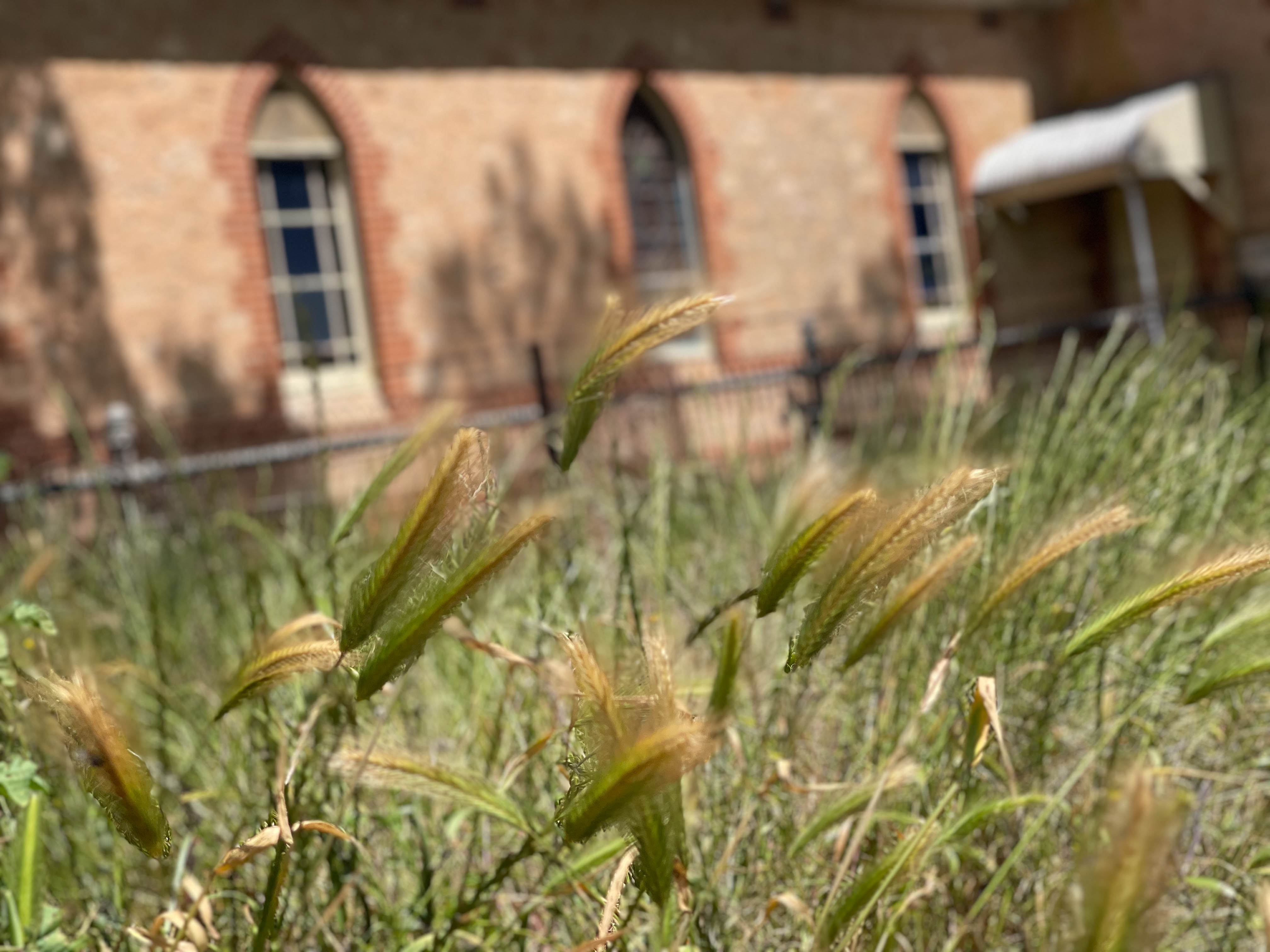
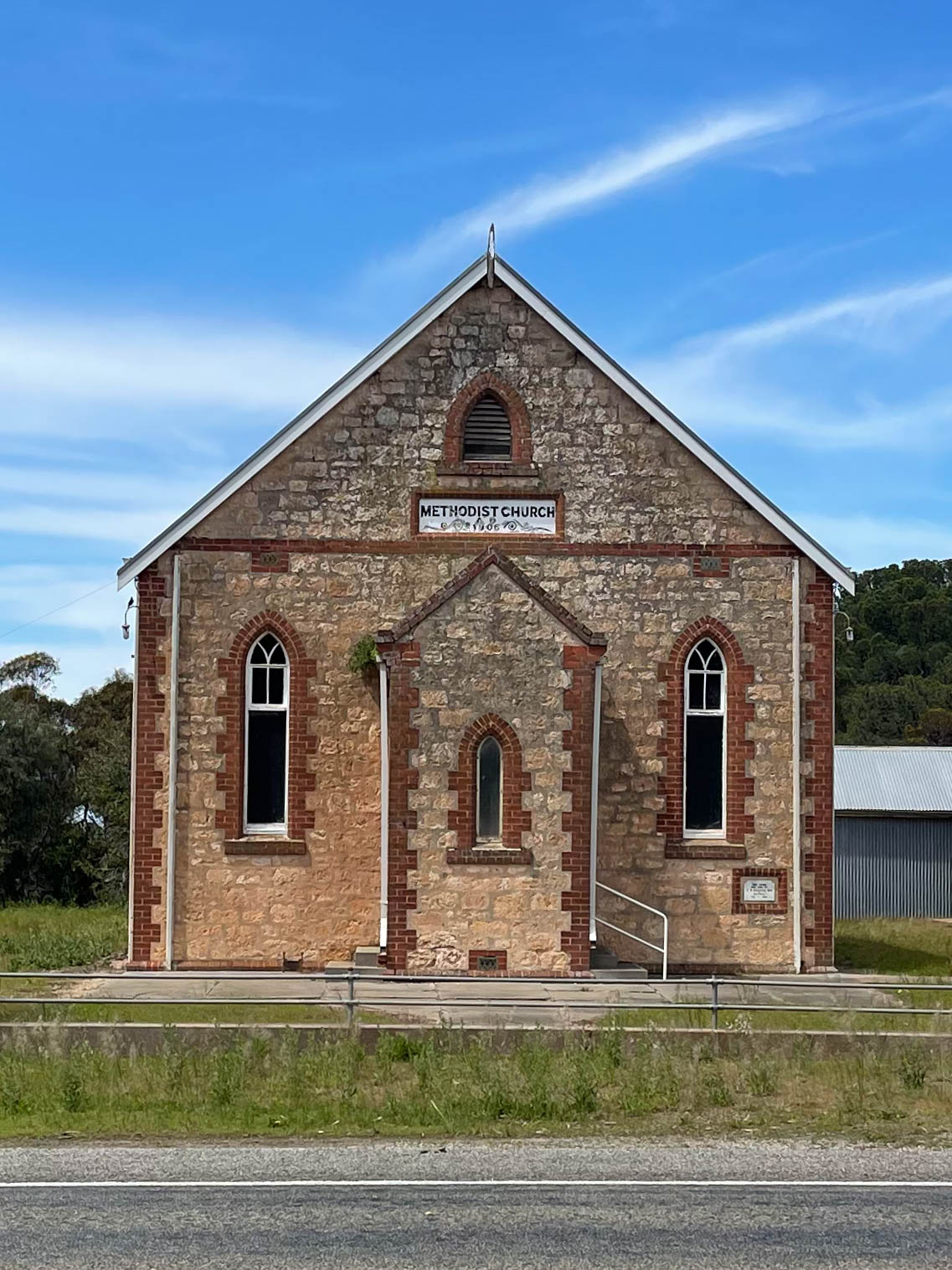
Next stop was Maitland, not the Maitland where I was hospitalised with appendicitis, but a pretty town in the middle of the Yorke Peninsula wheat belt. The highway drive features rolling hills of seemingly endless wheat fields under clear blue skies. Luckily for Deb, the wheat farmers seemed a little more ‘god-fearing’ so the photo series of country churches is coming to life. I like the character of a country church so joined in with a few photos of my own along the way.
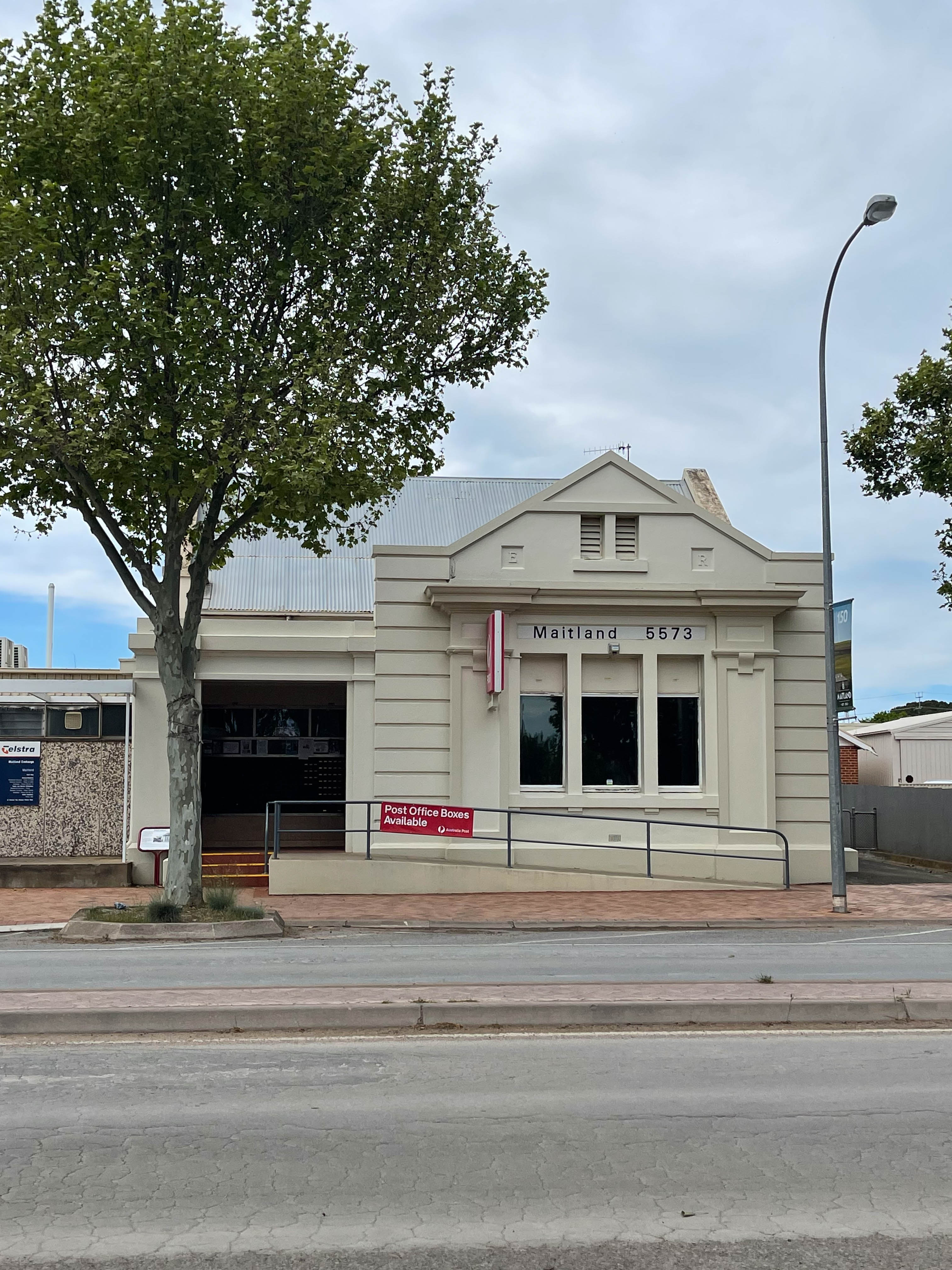
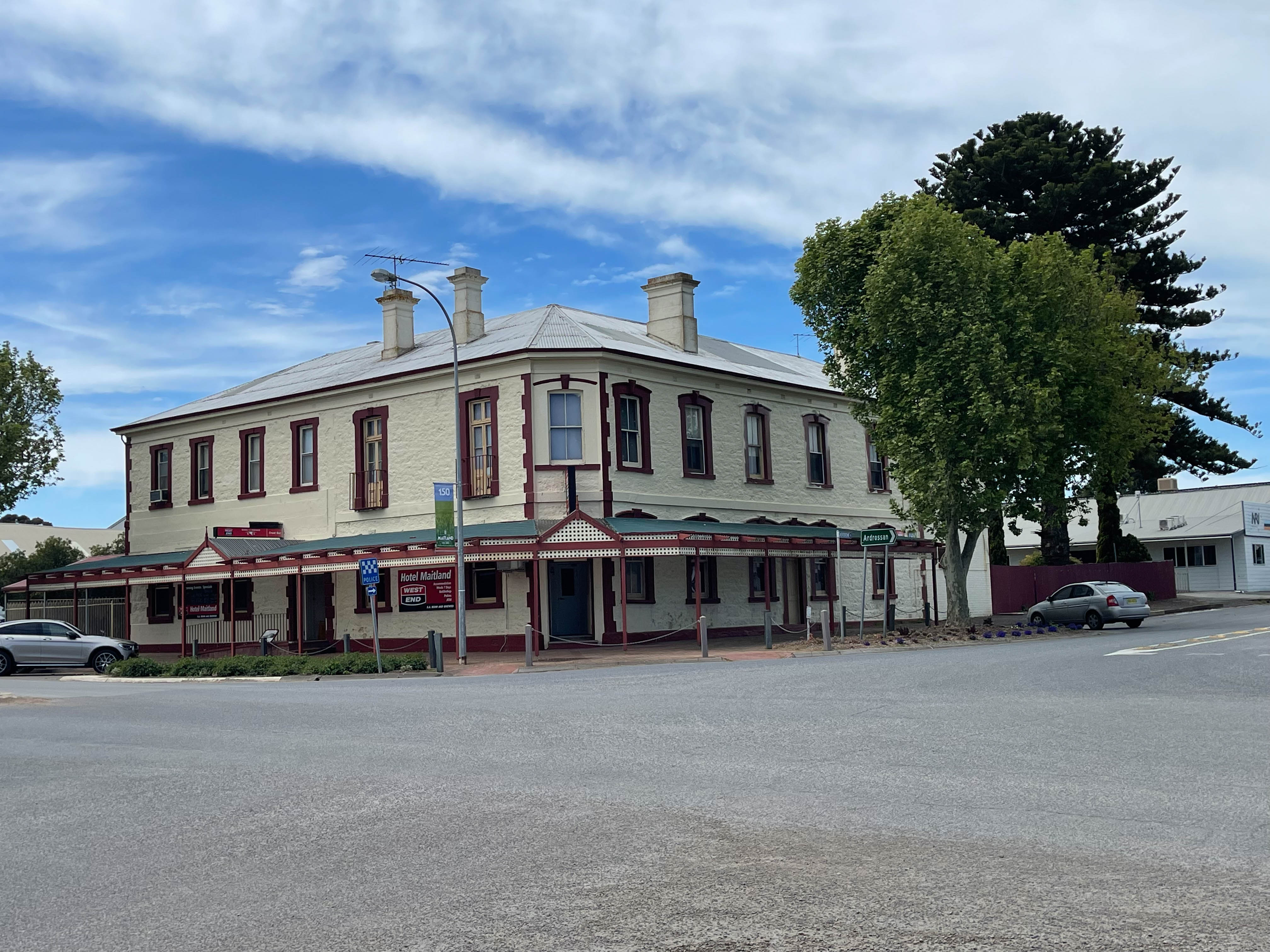
We had lunch at the local bakery which has been in business on the same site since the late 1800s. Our next stop was Moonta which is back on the Spencer Gulf. Huge deposits of copper were discovered here in the late 1860s and by 1872, thousands of cornish miners arrived to work. During this mining boom the population swelled to around 12,000, but most of the copper mines were closed by the 1980s. The land around Moonta is now mainly farmed for food crops. There is lots of new housing near the beaches, indicating a strong tourism sector.
The town itself features lots of heritage buildings and the white sand on the beach at Moonta Bay is spectacular. Unfortunately the wind was too strong and gusty for any more drone shots today.
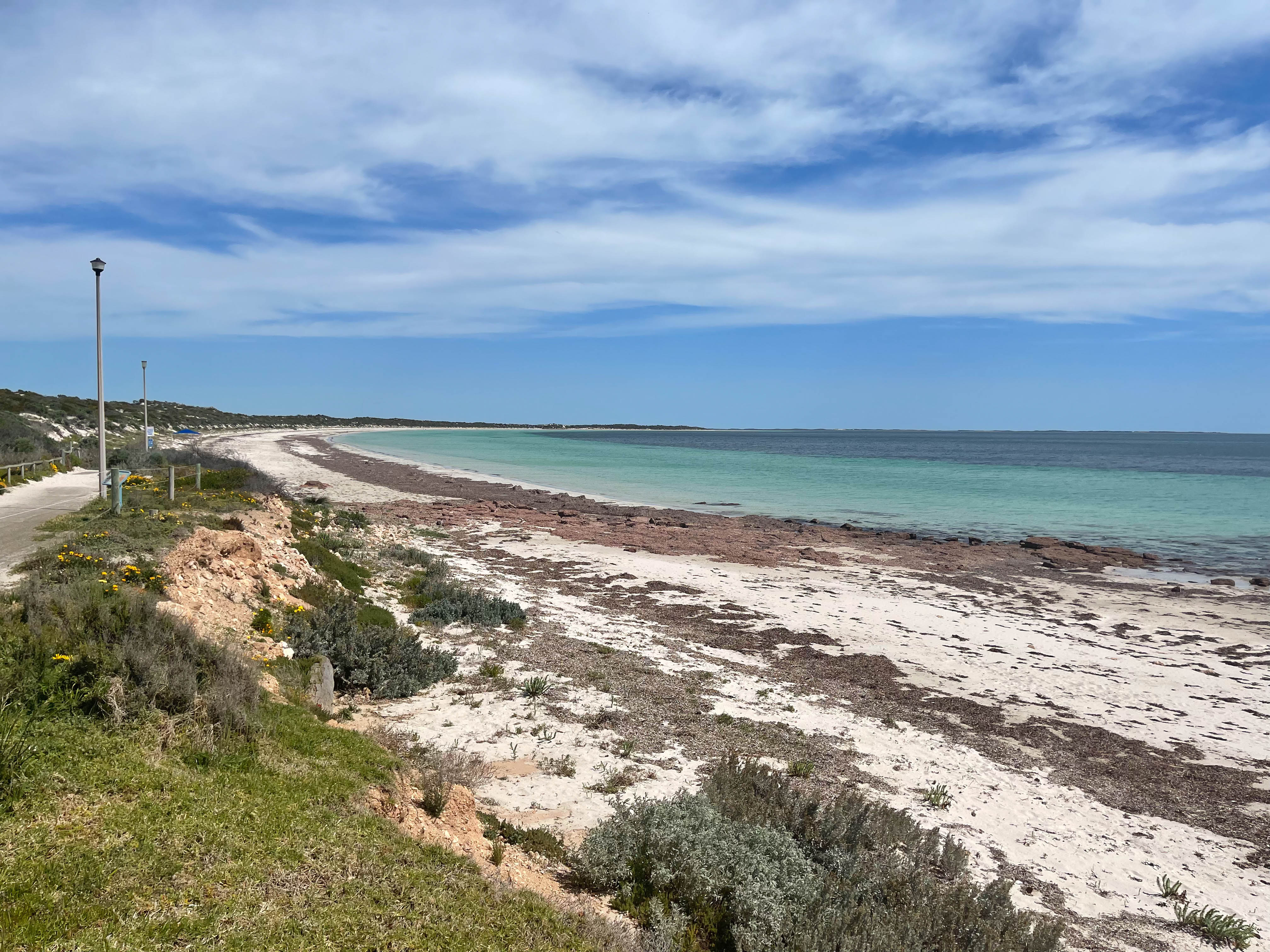
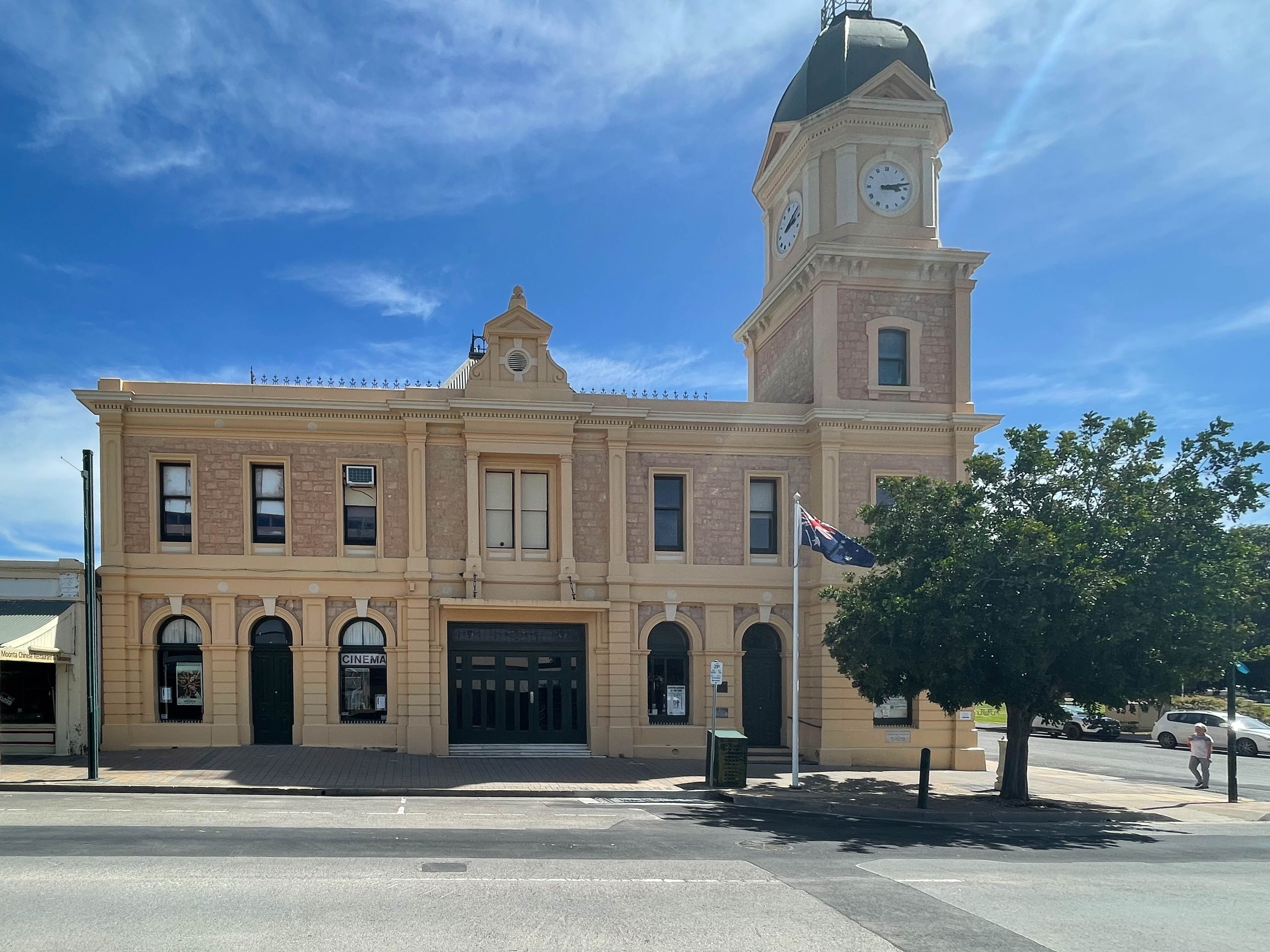
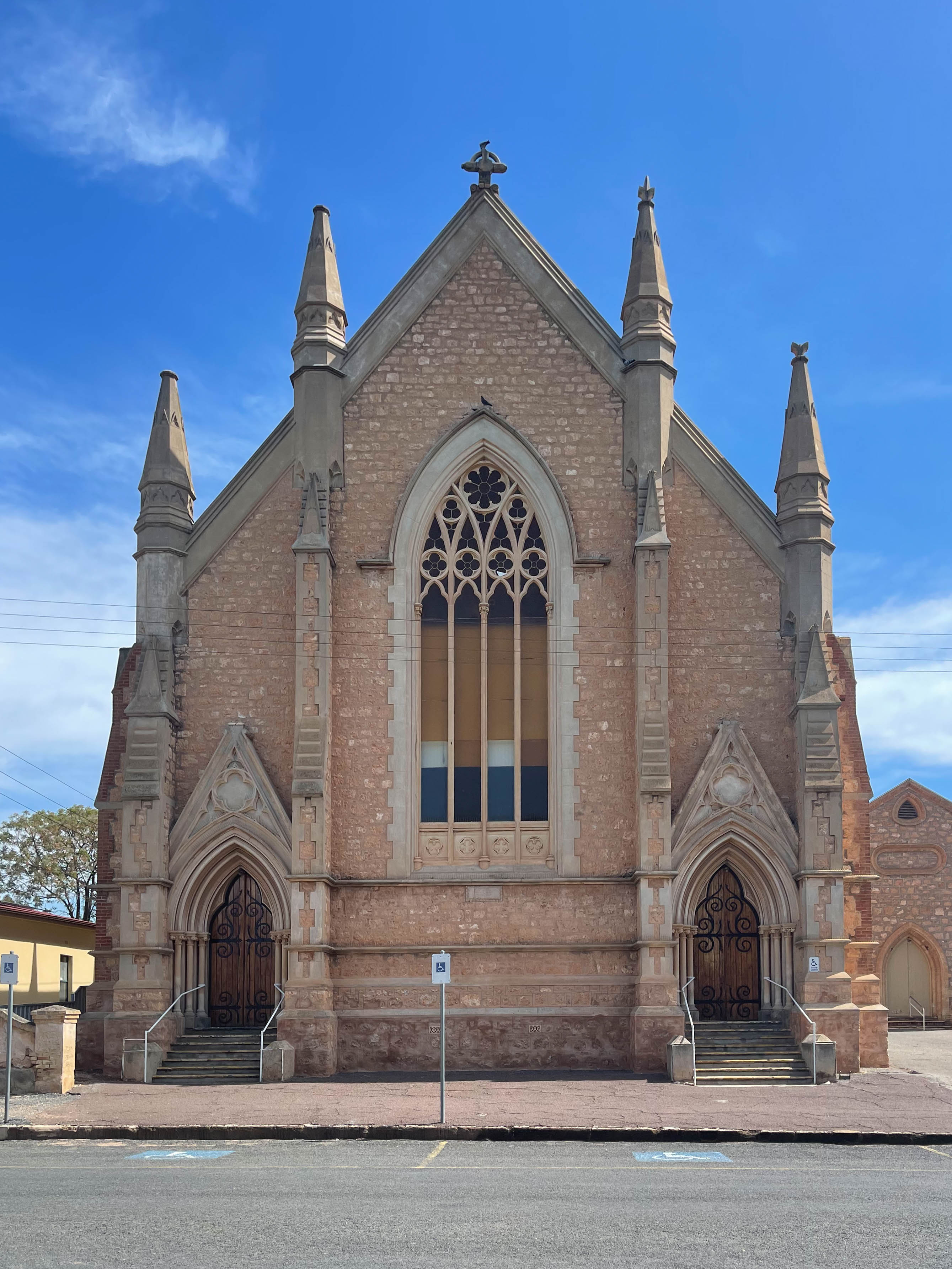
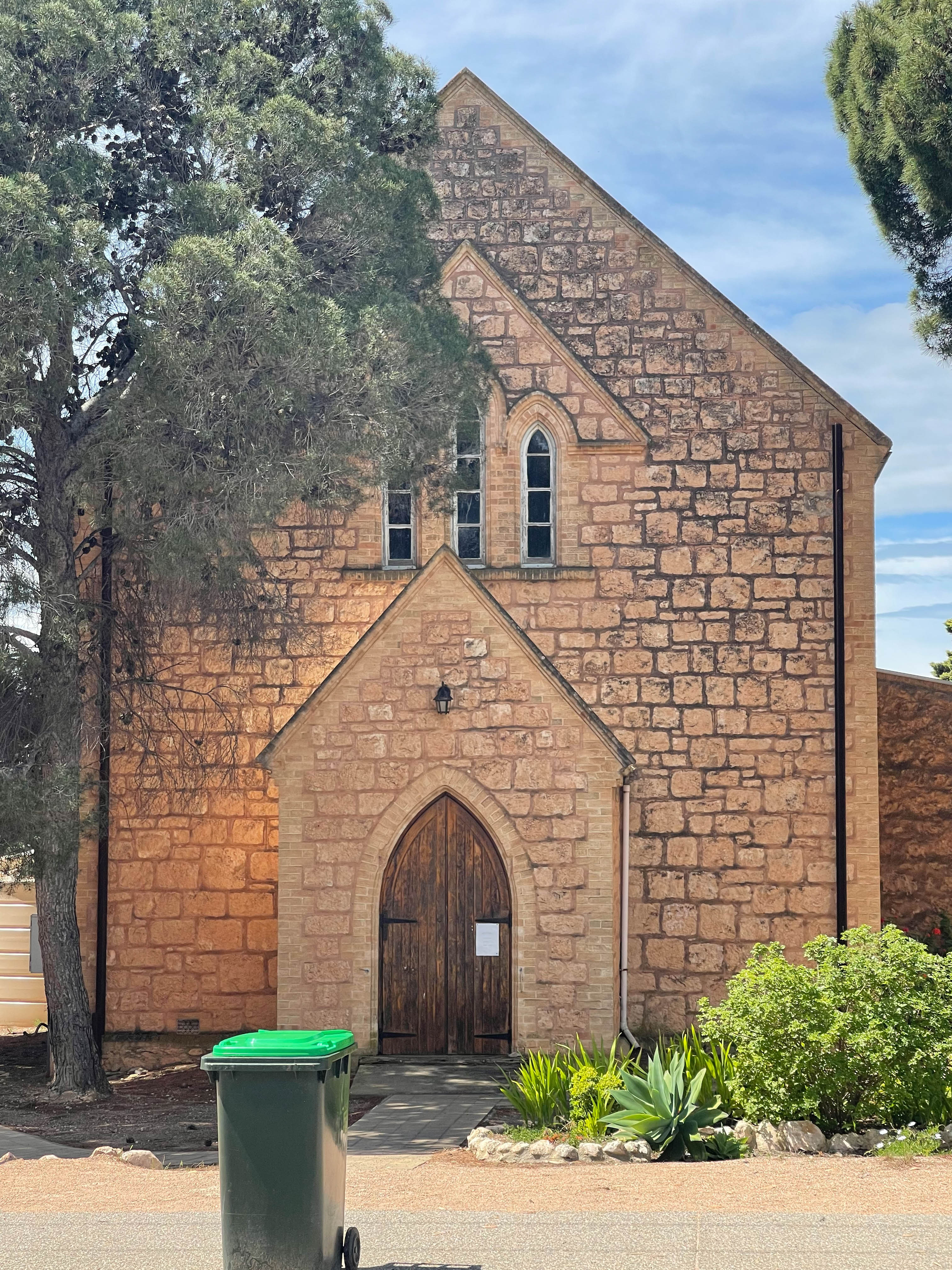
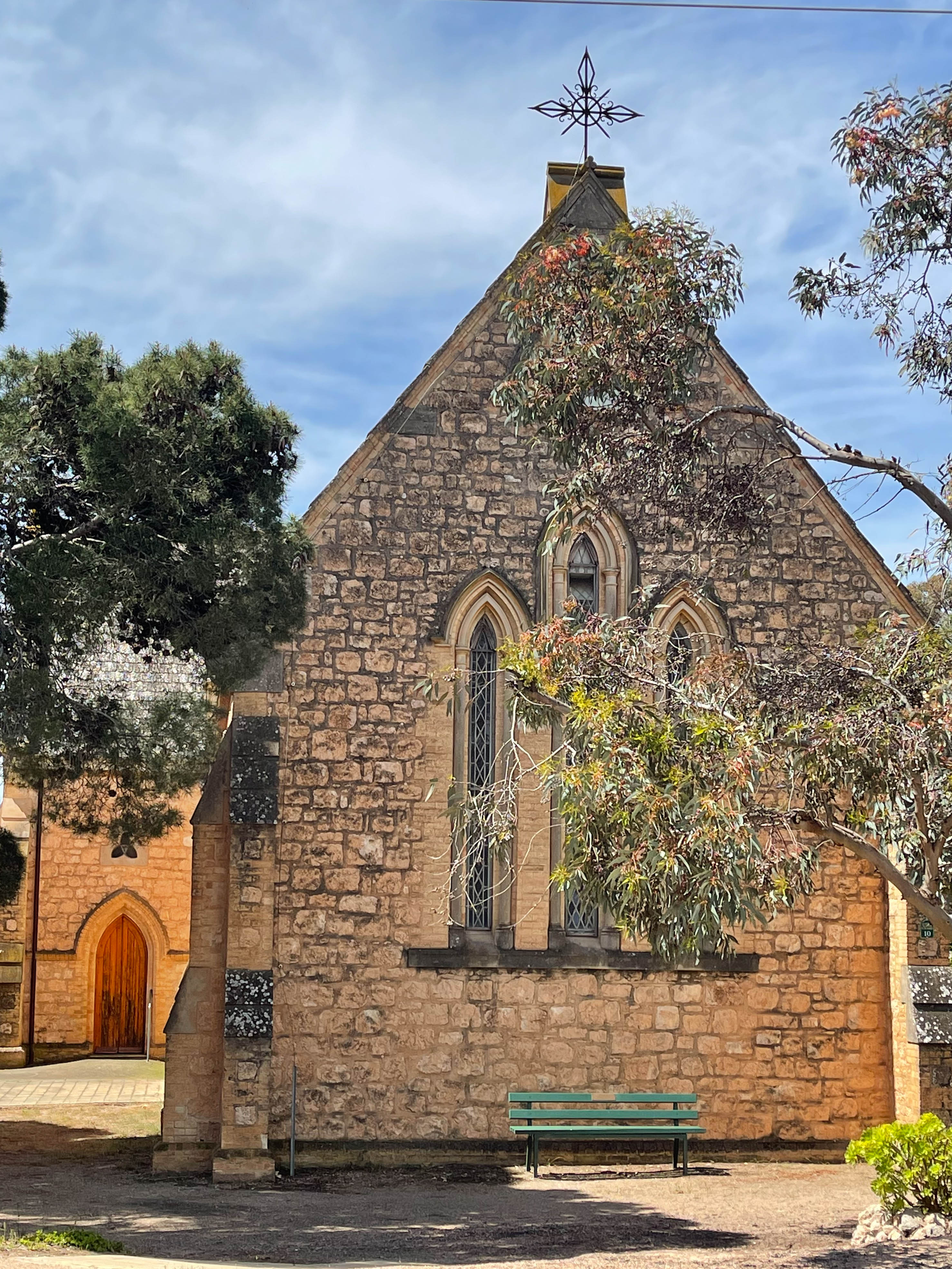
Our last leg today was to Wallaroo, another of the copper mining towns, at one point being the largest port on the peninsula. The copper mines finished here in the 1920s and Wallaroo was then established as a grain port, a function it still performs today.
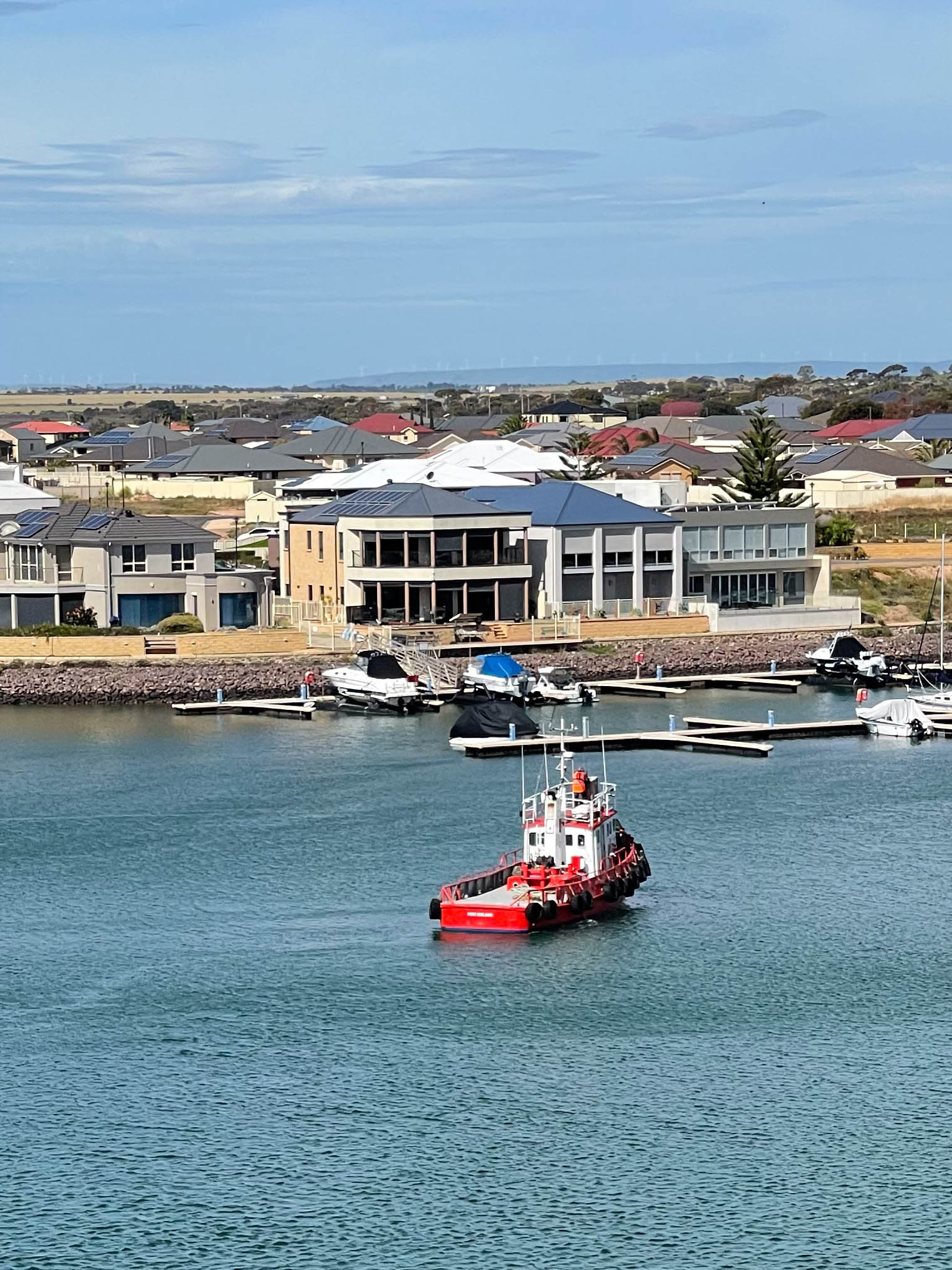
Curiously, we are staying in a new hotel amongst a lot of new development of tourist / resort style houses on canals. Large houses with large boats seem to be standard. All of this situated right next to the grain terminal. I guess time will tell if the push to create a ‘Gold Coast’ 160 km from Adelaide will pay dividends. We did however see a nice sunset out of the apartment window tonight.
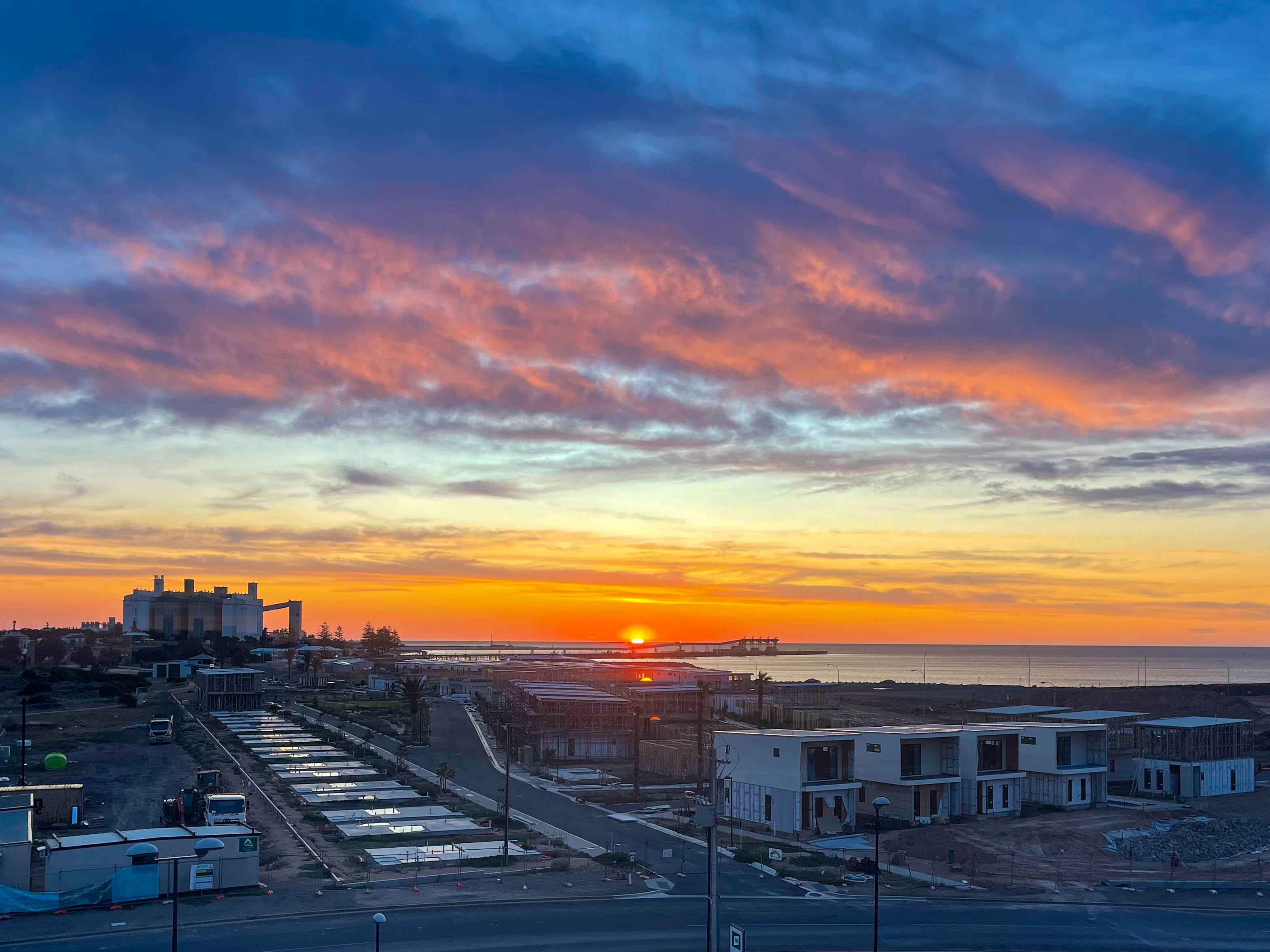
I hear you ask one last question – ‘Did anyone famous ever come from Wallaroo?’
The answer is yes …. Adam Goodes (AFL Footballer) and Walter Watson Hughes (Founder of Adelaide University)
Until tomorrow

 Rob's "Beats Working" Blog