
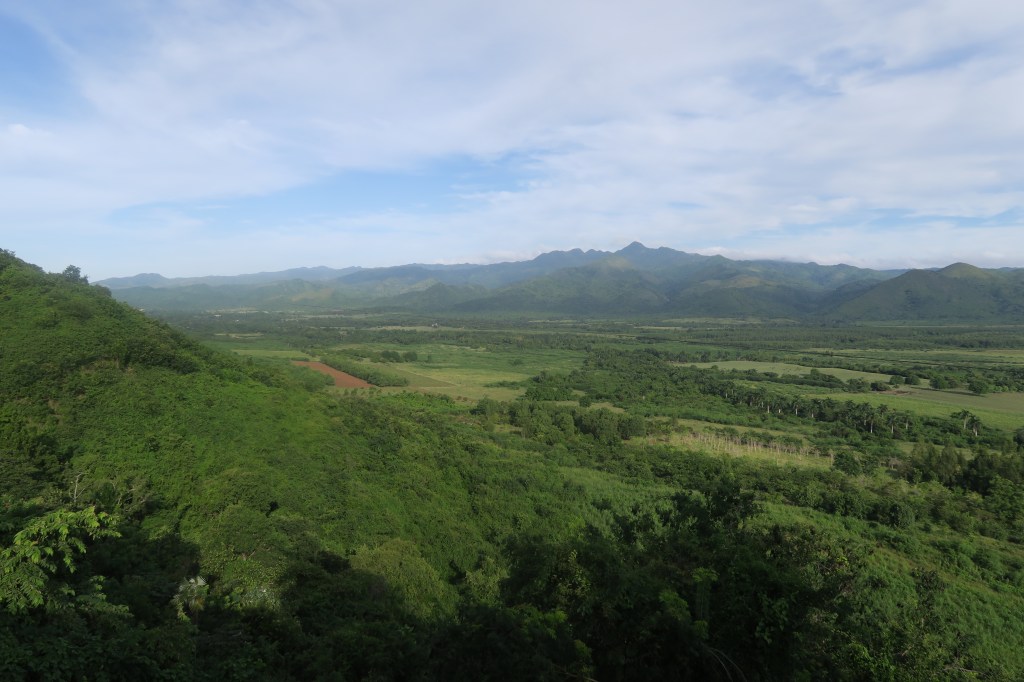
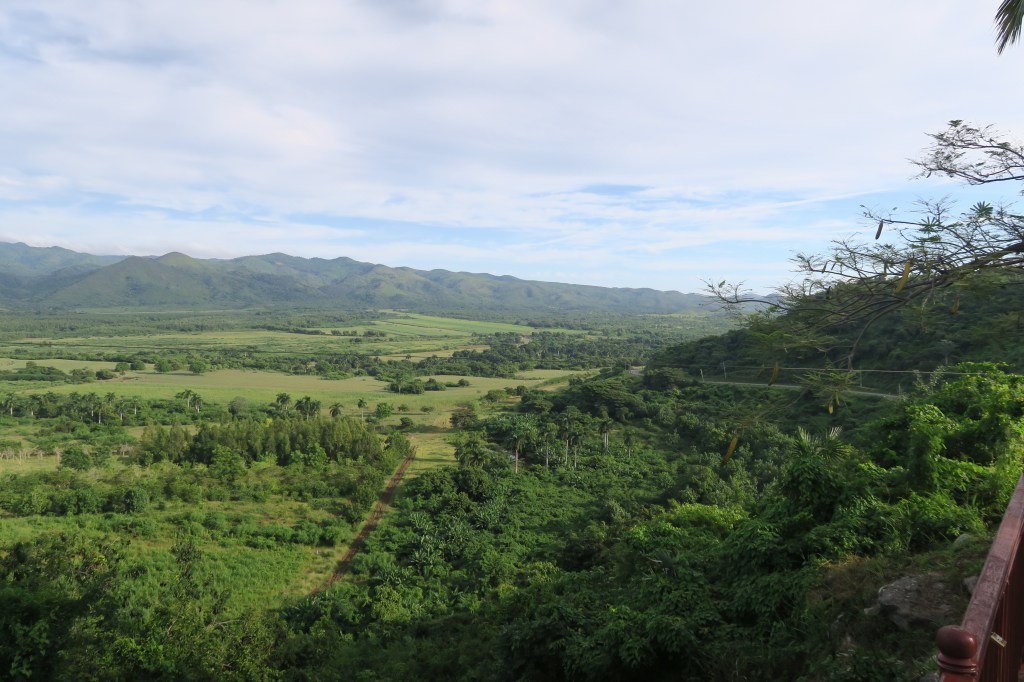
With a 9 am start this morning, the extra hour of sleep was most welcome. Today we went on a shorter tour of some of the Sugar plantations and mills. In the 1800s there were as many as 58 of these mills in the valley near Trinidad. Many were destroyed during the War of Independence from the Spanish and later by the freed slaves. Prior to this there was a lot of money made out of sugar, until the Europeans discovered sugar beet and demand fell. By the end of the 1800s all the remaining sugar mills were bought by the American Atkins family who remained owners until the revolution and the nationalisation of property in 1959. Our first stop was a lookout that has sweeping views across the valley. We both declined the zip line opportunity with recent events in Australia front of mind.
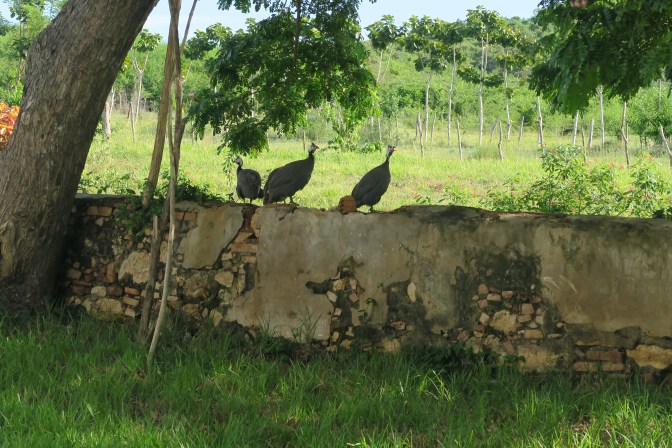
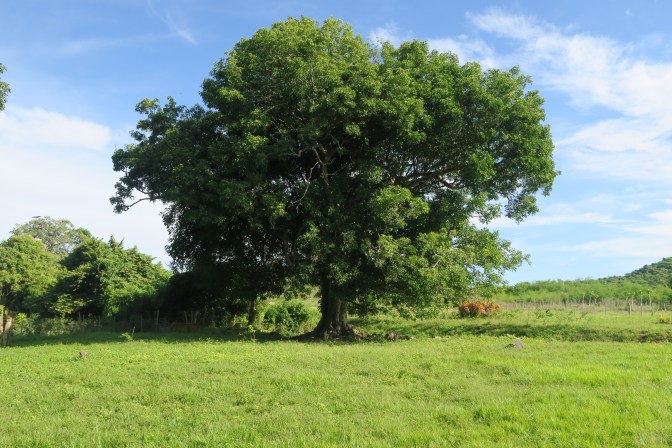
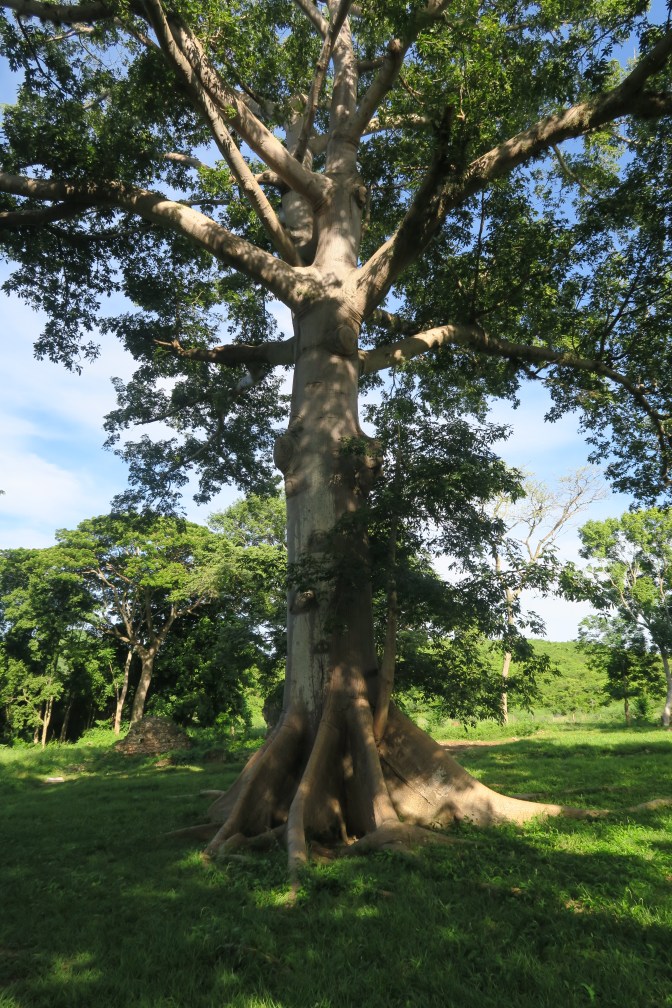
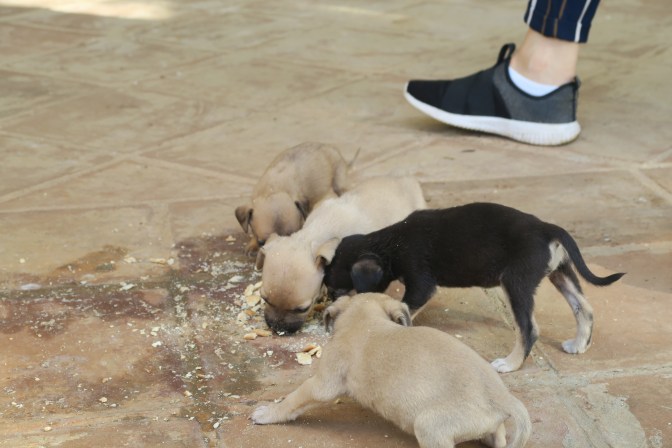
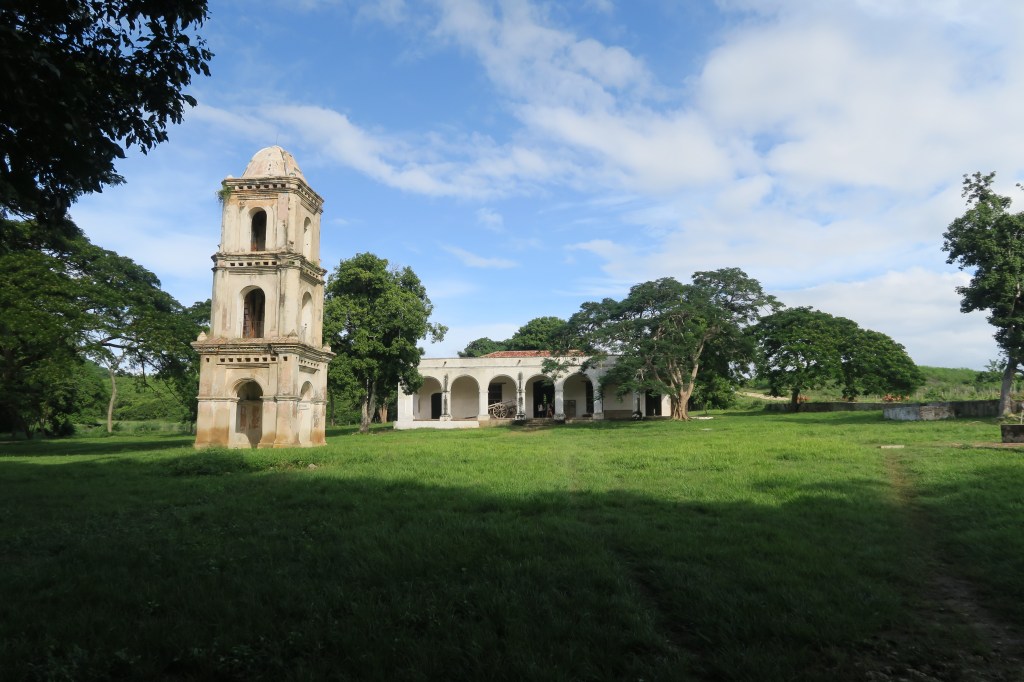
The first plantation we went to was called San Isidro. The residential house was largely intact, but most of the sugar mill and the slave quarters are now just ruins. A lot of large trees have grown on the site which gives it a serene quality that belies its violent past. There was also a mamma dog and her puppies … as well as a healthy population of Guinea Fowl and the usual vultures flying about.
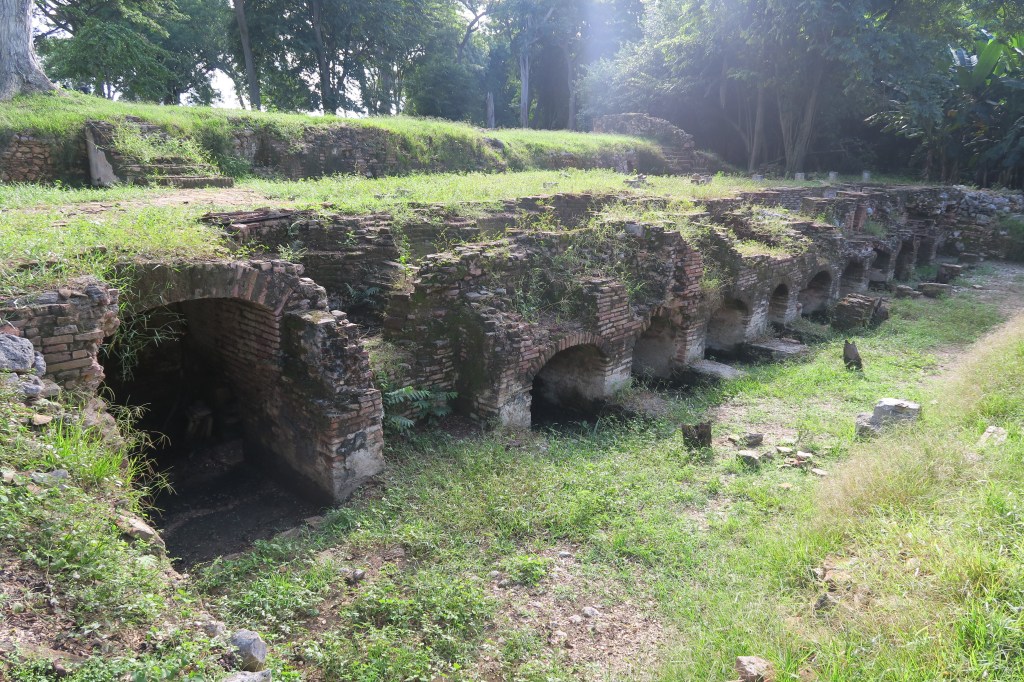
It is quite easy to imagine the scale of production as you look at the ruins of the fire pits were the cane juice was boiled into molasses. There was another building called the drain house (now gone) where the molasses was left to ferment and separate the sugar from the alcohol. The alcohol was sent to distilleries and the sugar to refineries that were often off-shore.
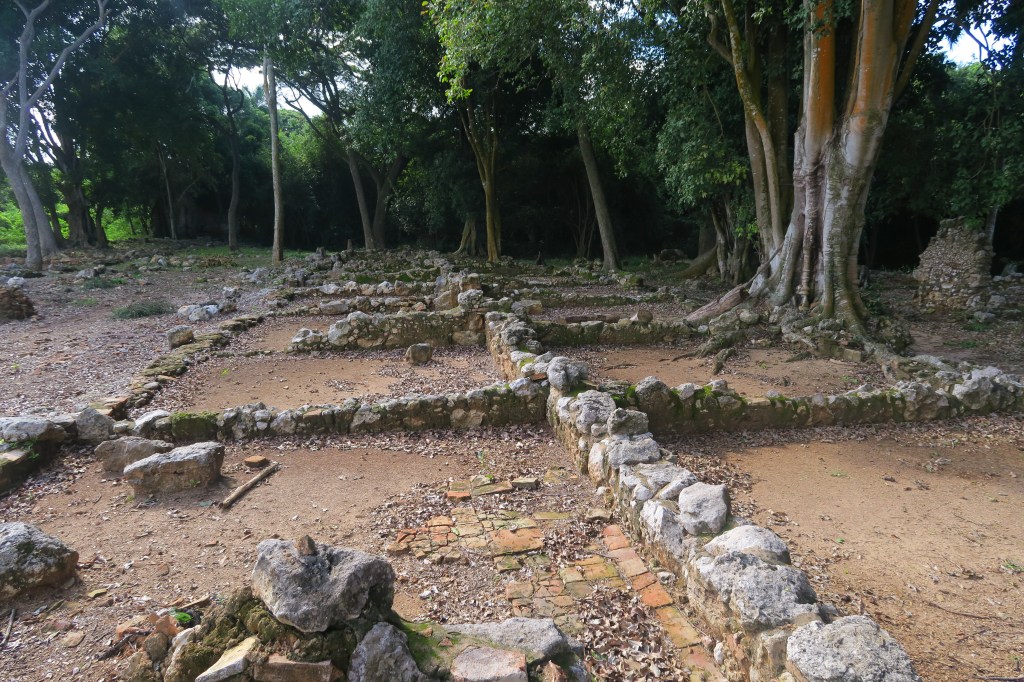
Next to this are the ruins of the slave barracks where you can see the size if the slave quarters. Each room usually housed about 8-10 family members with a total of about 400 slaves here at its peak. The slave trade officially finished in Cuba in the 1860s following independence from Spain, but in reality the last of the slaves weren’t freed until 1898. Additionally, there was a watch tower to keep an eye on things. It is not the middle of summer here, but the humidity is very high, so it would have been back-breaking work for the slaves here.
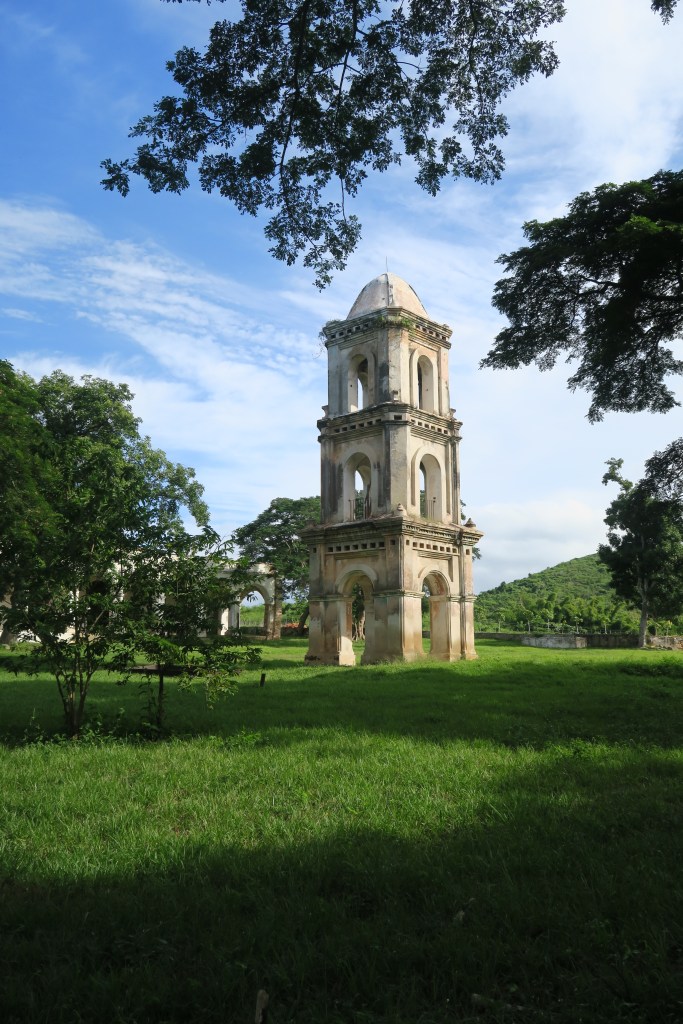
From there we went to another plantation not far away. This one was much more touristy and less educational as a result. There was a laneway leading up to the watchtower which was lines with people selling most of the normal trinkets (tablecloths, chevy pictures, number plates, cigar boxes etc….) We climbed the tower, contending with pushy german and spanish people as well as continually bumping my head on low beams and took a photo of the Hacienda which from the tower looks a lot like a drone shot.

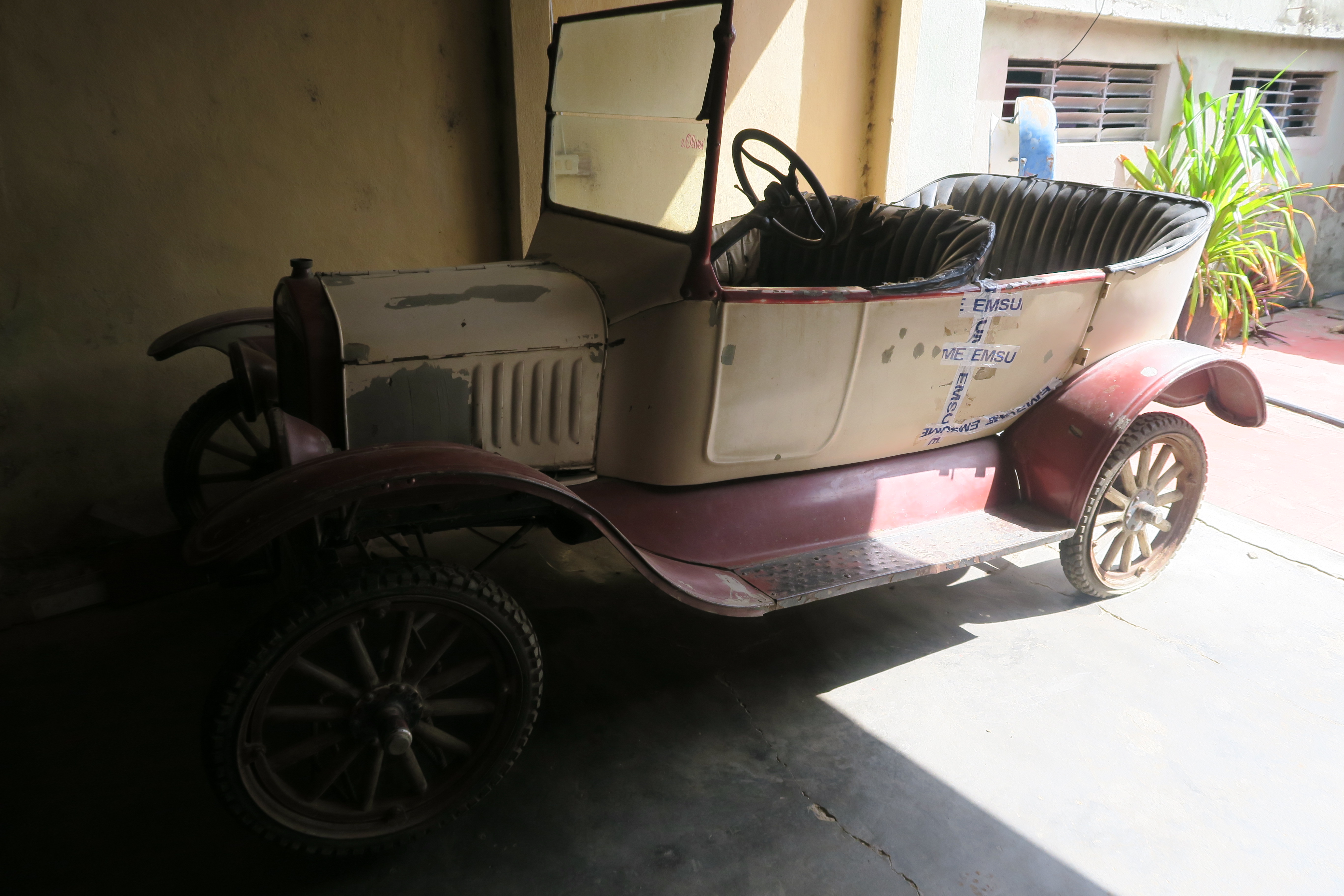
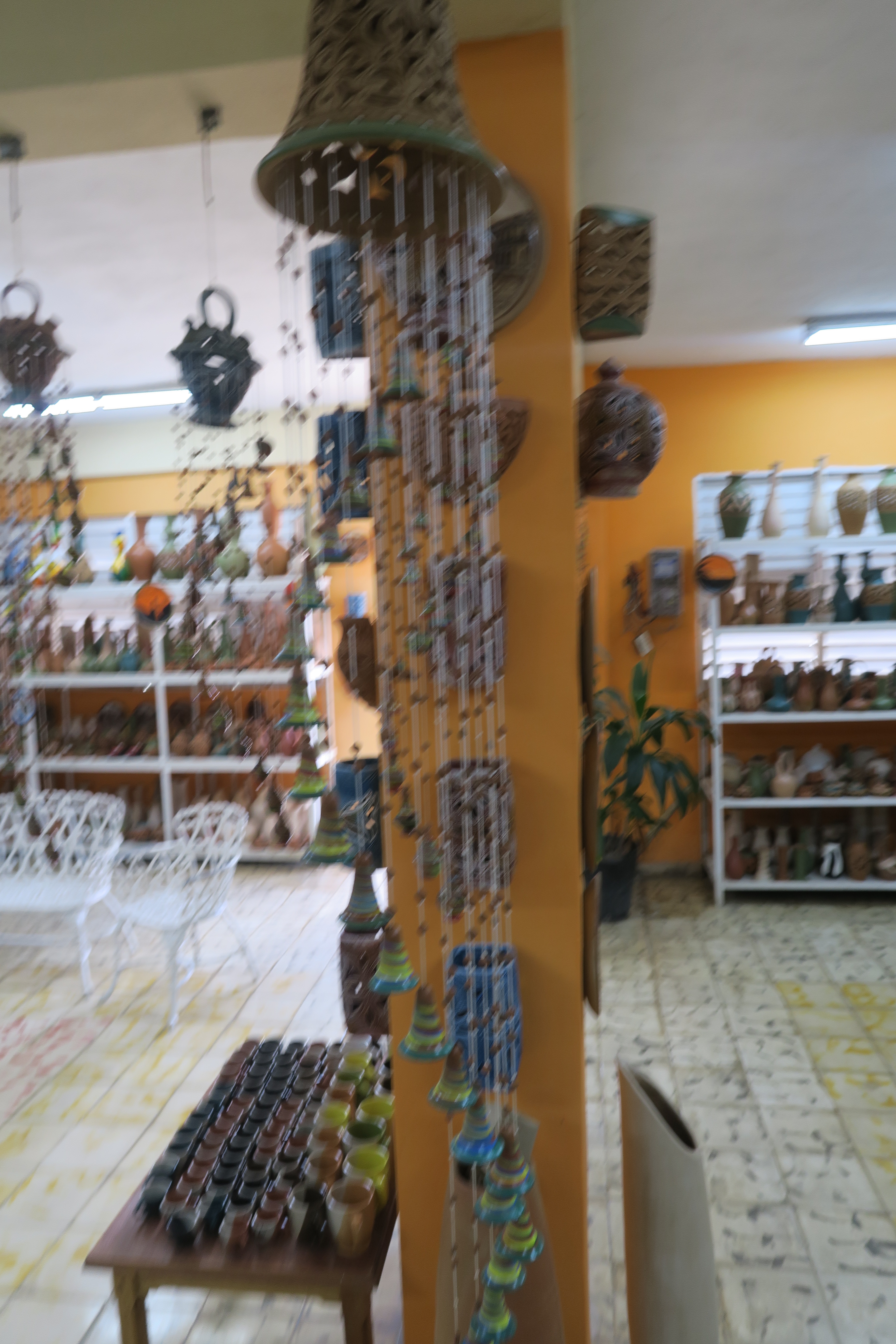
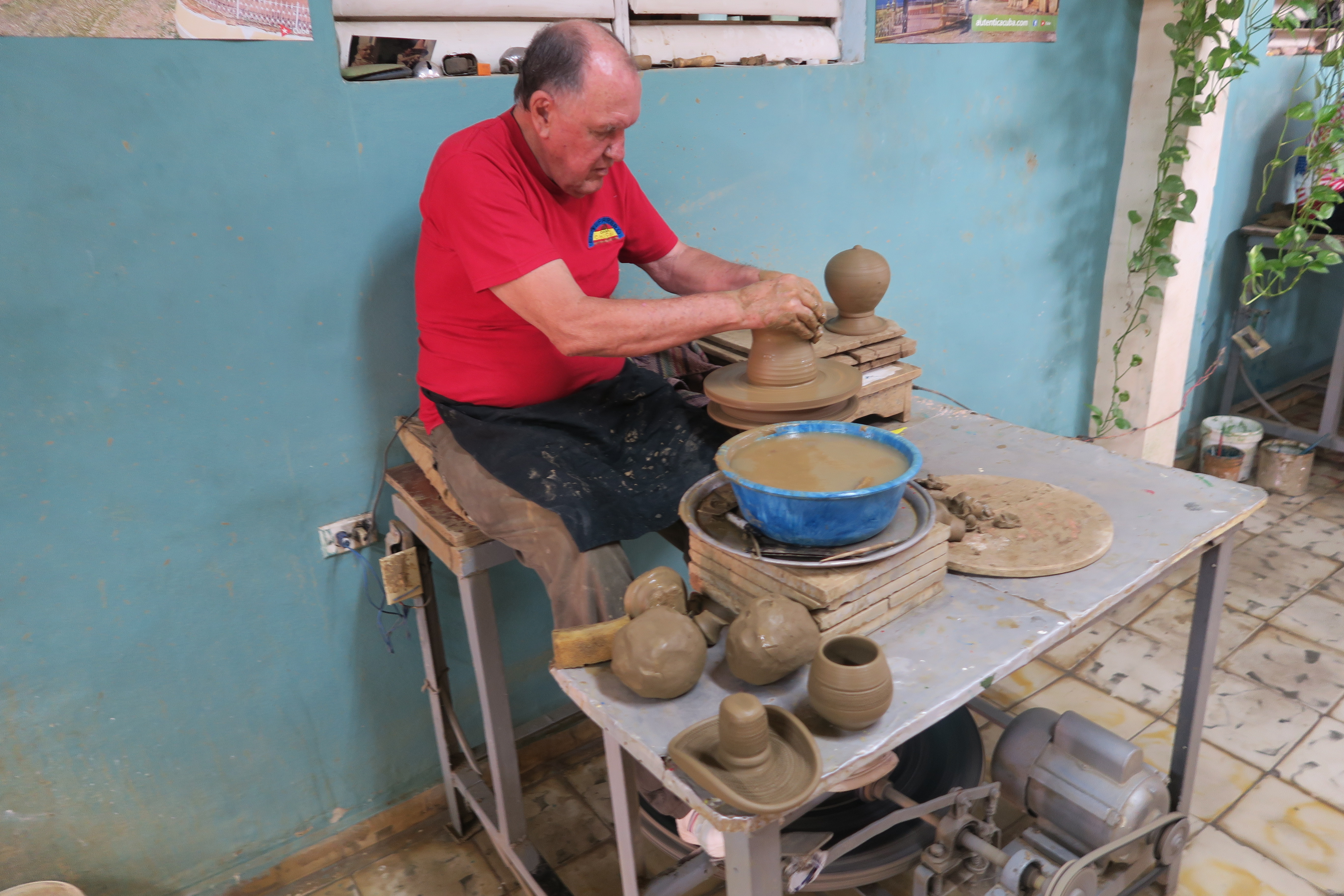
By this time, we’d sweated out a billion litres of water so we stopped for a bottle of water and a mojito before heading back to Trinidad. We visited a ceramics factory which is well known in the area. They also had an original Model T Ford complete with the original wooden wheels…longing for a restoration . The ceramic work was very good, but was generally a bit big to bring home when we still have many flights to go.
We finished off with a big feed for lunch at another of Trinidad’s best restaurants, ‘San Jose’ before a pretty lazy afternoon. I think some of the early mornings and the jet-lag might have finally caught up, so an afternoon snooze was in order. After a big lunch we had a collection of Tapas for dinner at another of the recommended restaurants complete with more Mojitos of course.
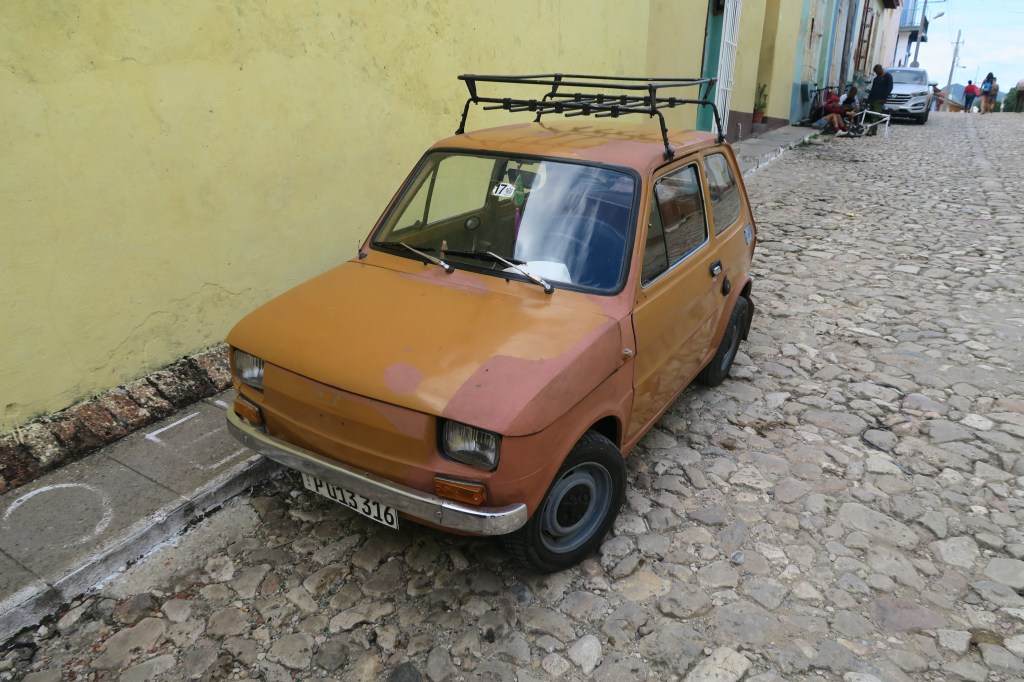
I think the other thing I may have missed along the way is that it’s not all funky of Chevrolets … there are plenty of little eastern european cars as well. This one had a ‘Bad Boy’ sticker on the back that made me laugh.
I’ll leave you with a nice picture of the San Isidro Hacienda….
Until Tomorrow!

 Rob's "Beats Working" Blog