
Today was another early start as we embarked on a group tour to the Vinales Valley, which is well known for it’s sugar and tobacco production . As we waited for the bus to arrive we met a couple from Northern Ireland who were on the same trip. Coincidentally their daughter had lived in both Brisbane and New Zealand. Once on the bus we made our way out of town for a few more hotel pickups as we assembled quite an international group. The tour guide spoke Spanish, English and French to accomodate the crowd.
As we left Havana we drove through the district that had all the rich peoples houses before the revolution, which are all used for the embassies and diplomats these days. We made our way down the highway which was in ‘fair’ condition by Australian standards, but one has to remember there are few vehicles here. As we got further from Havana the main mode of transport was horse and cart or small motorcycles. We had a coffee stop along the way and then view a more commercial cigar factory in Pina del Rio. We weren’t allowed to take any photos inside and the working conditions were probably questionable. From there it was onto some small farms at Vinales in the scenic Vinales Valley.
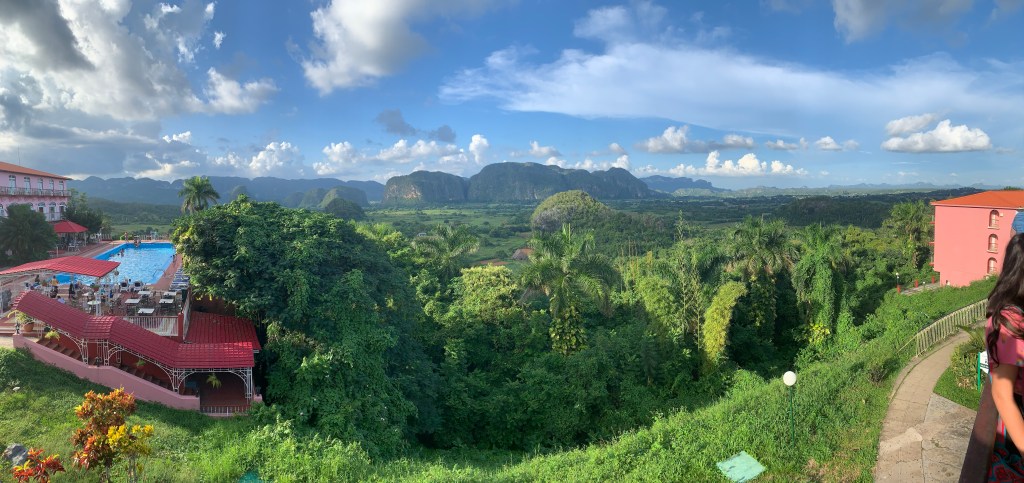
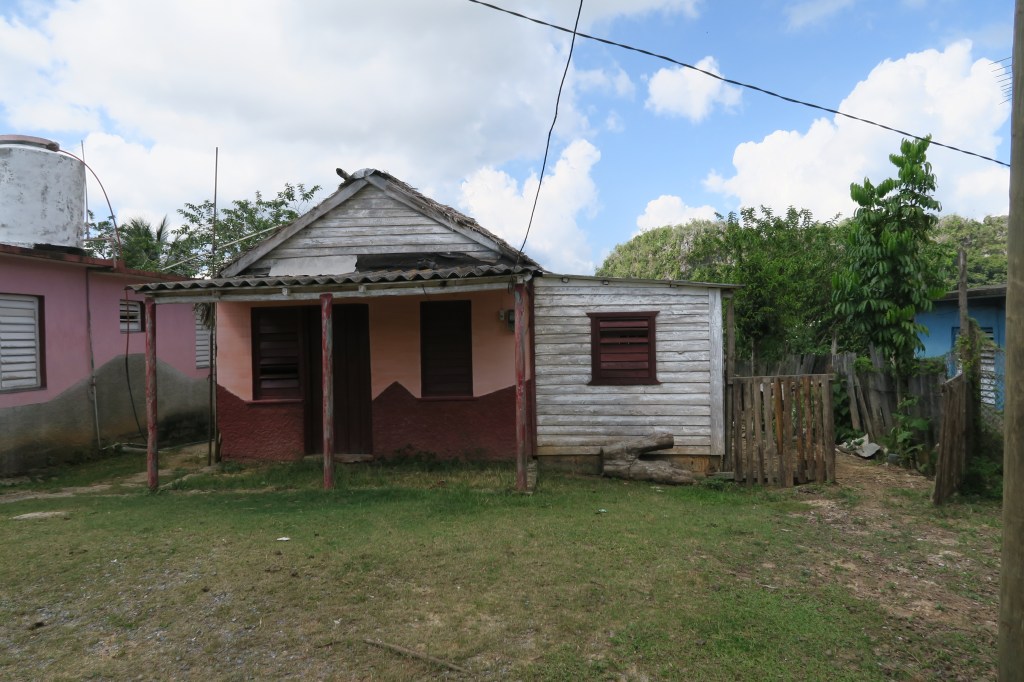
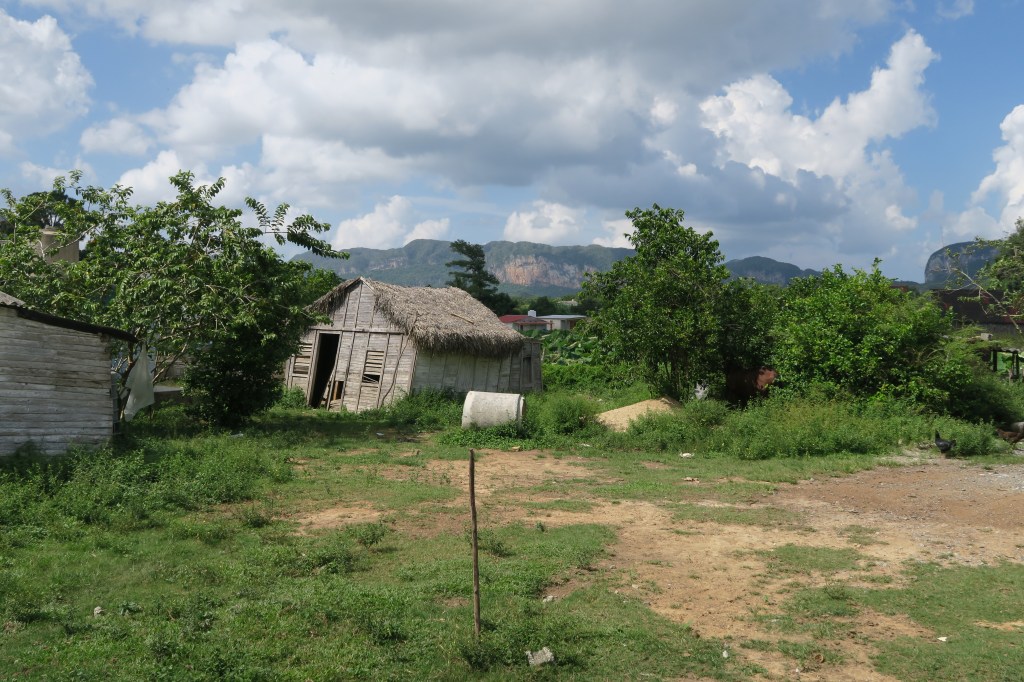
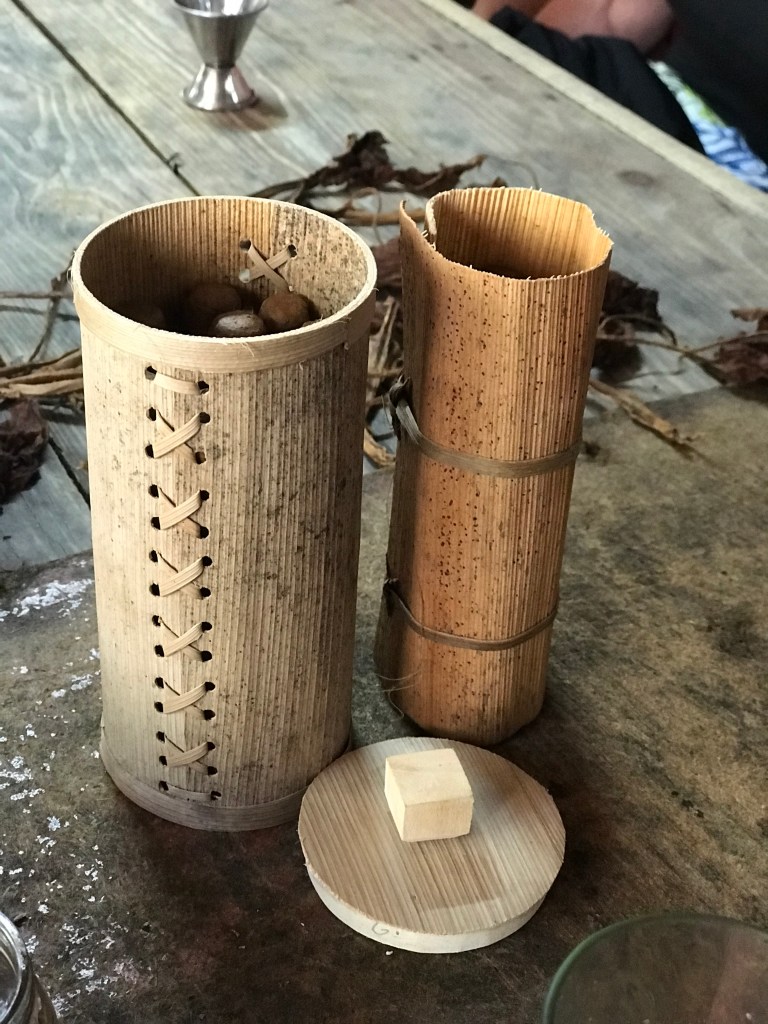
Rural production from these farms is still government controlled, with the farming families receiving 10% of the proceeds. The merchandise or drinks they sell are an extra on top. We started at cigar farm, where we it was demonstrated in more detail than yesterday the process… and more importantly how to smoke a cigar properly. The host had lots of cheesy jokes in all languages and was pretty entertaining, even he did make the tall Aussie guy (me) the butt of the jokes. Seriously, there is lots of interesting science behind the process (humidity, leaf exposure to the sun) which all affect the end product. We finished there with a sugar cane and rum drink (very tasty). Below is a typical house in the area and a tobacco drying shed.
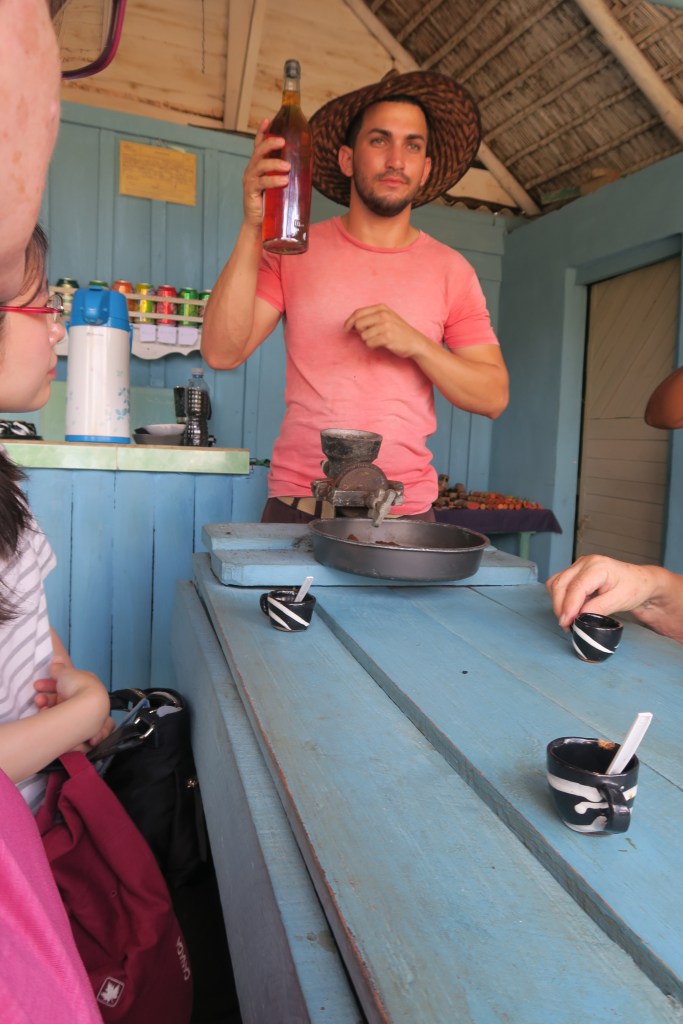
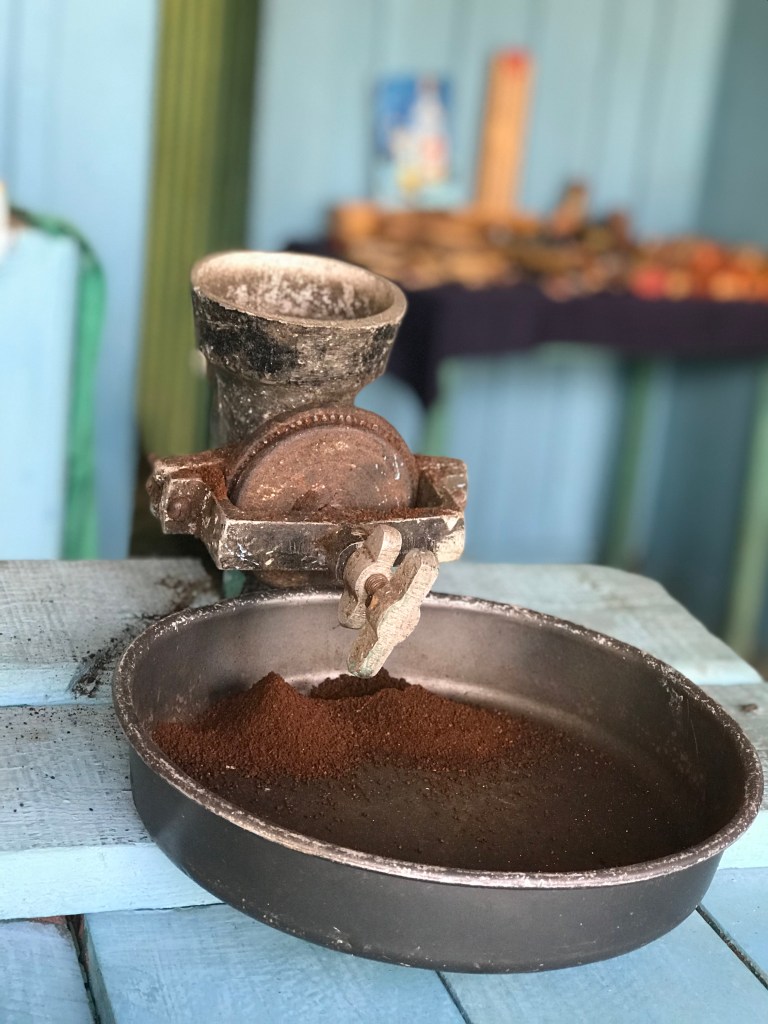
Next door was another farm that made coffee, honey and rum. The host explained all of the coffee process and ground some fresh coffee and made short blacks. We then tasted the honey they make which is very full flavoured and described as forest honey that comes from all the flowers in the forest. Lastly, we tasted a rum they produce and add guava seeds, which apparently soak up some of the alcohol content.
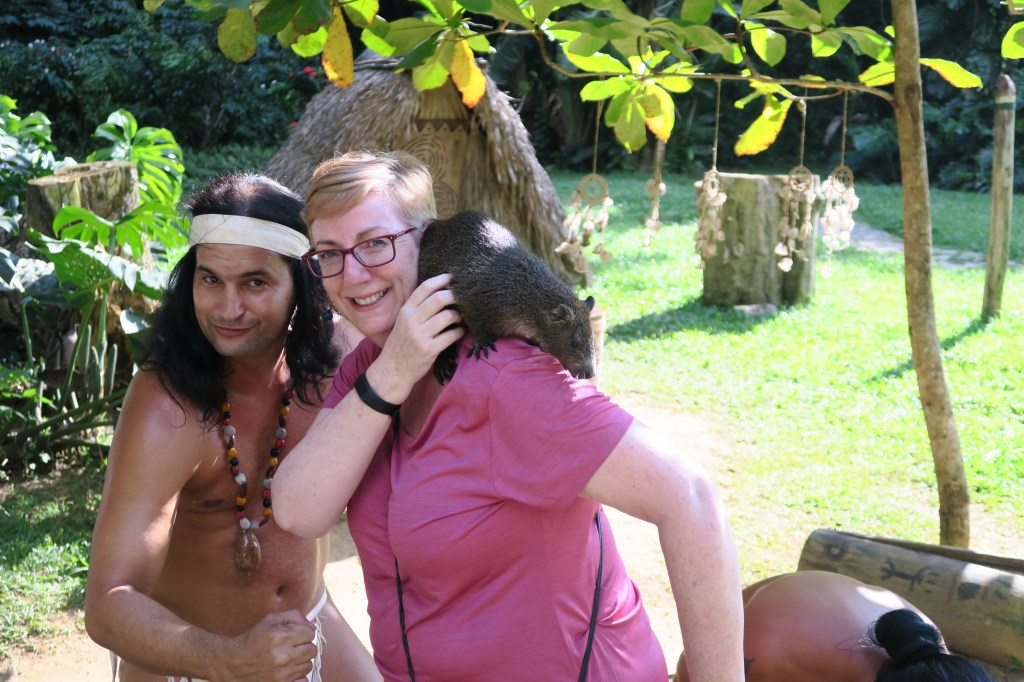
After all that good stuff we had a set menu lunch, that continued the theme of simple food from whatever is available. This was near some caves that the the local Indians used to use and then later they were used by escaped african slaves. The local Indians were largely wiped out soon after the Spanish arrived, however there is some evidence that there are a small number of Cubans with traces if Indian DNA. Just because they were wiped out doesn’t mean that you can’t have an Indian reenactment for tourists… complete with a tree rat!
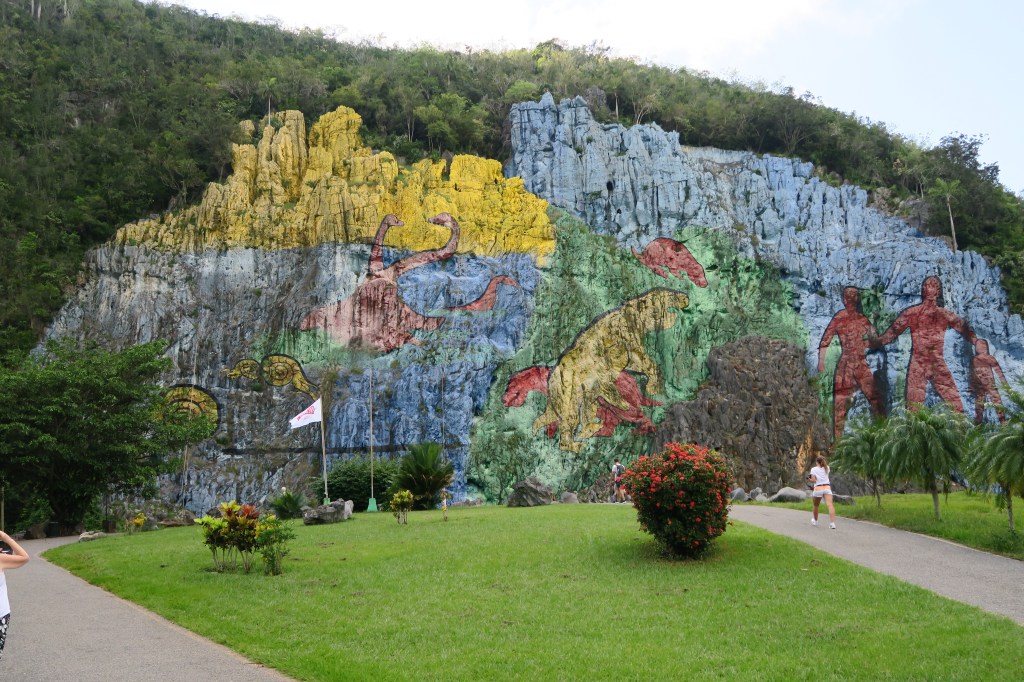
We took a short walk through the cave and a boat ride out and it was then it was time to visit the world biggest mural (not under a roof) … claim unverified. This was painted after the revolution to celebrate the evolution of Cuban society.
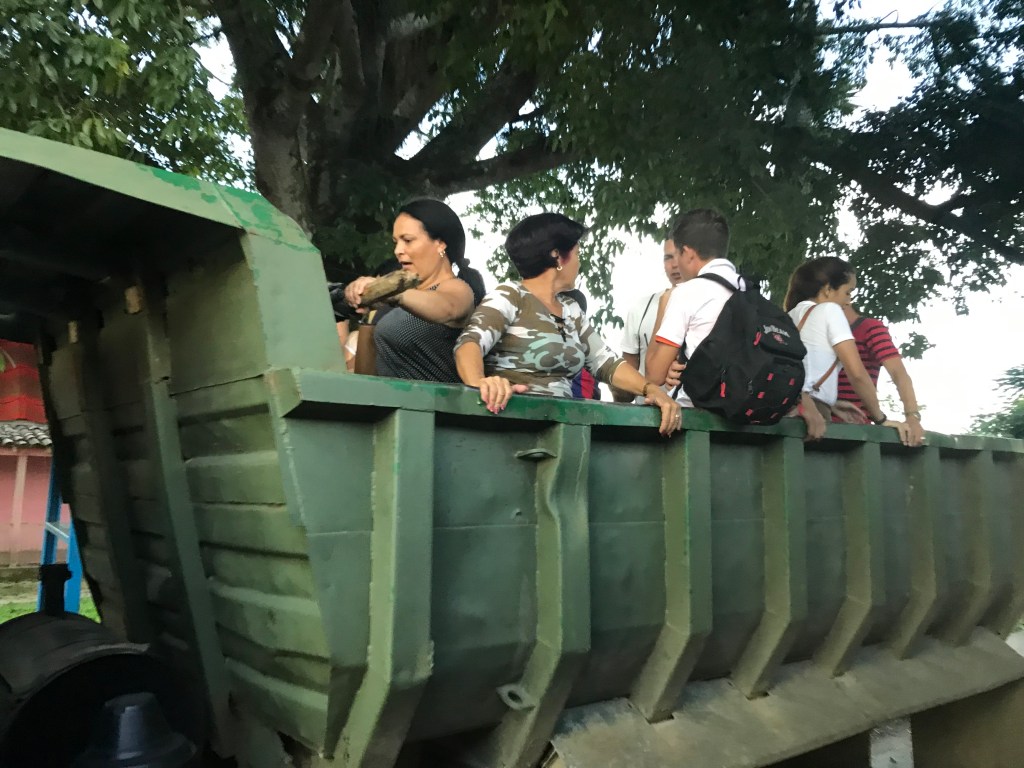
Our guide explained many things about the way Cuban society works which I found quite interesting. Firstly, education is all free, but university entrance is only available through a test. There are technical colleges for those who do not pass the tests. Additionally, everyone is entitle to free health care, but you will be seen in priority order of children, pregnant women, elderly and then the rest. Lastly, there is government provided public transport, but it is often full, so many people hitchhike… not always safely.
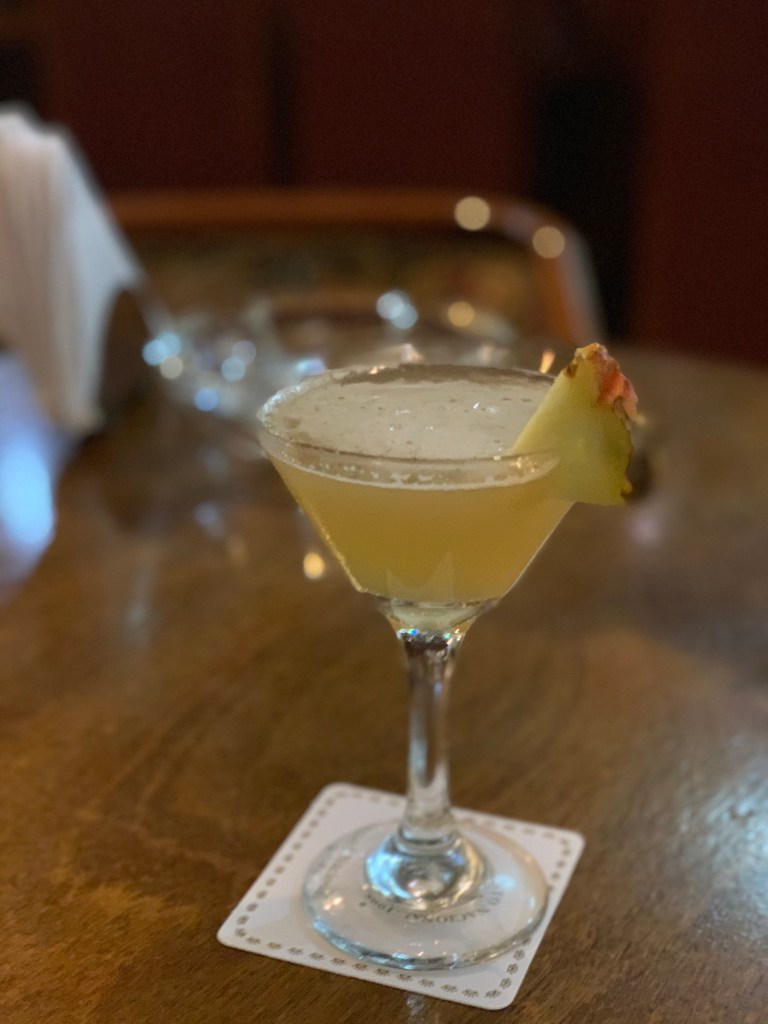
After a long day, we were returned to the hotel and decided a drink and nibbles was in order for dinner. A ‘Coktel Nacional’ … Apricot Brandy, Cuban Rum and some other stuff 🙂
Thankfully my fight with the internet was less manic than last night… the things we take for granted.
Until tomorrow!

 Rob's "Beats Working" Blog